Dogs with Long Coats: What You Need to Know
Long-coated dogs can be beautiful companions, but they come with unique grooming needs. This guide will help you decide if a fluffy friend is right for you.
Understanding Dogs with Long Coats
Dogs with long coats can be absolutely beautiful, but owning one comes with unique responsibilities. Whether you’re drawn to the elegance of an Afghan Hound or the fluffiness of a Shih Tzu, it’s crucial to understand what these breeds require. This guide will help you navigate the joys and challenges of having a long-coated dog, ensuring both you and your furry friend are happy and healthy.
What Are Dogs with Long Coats?
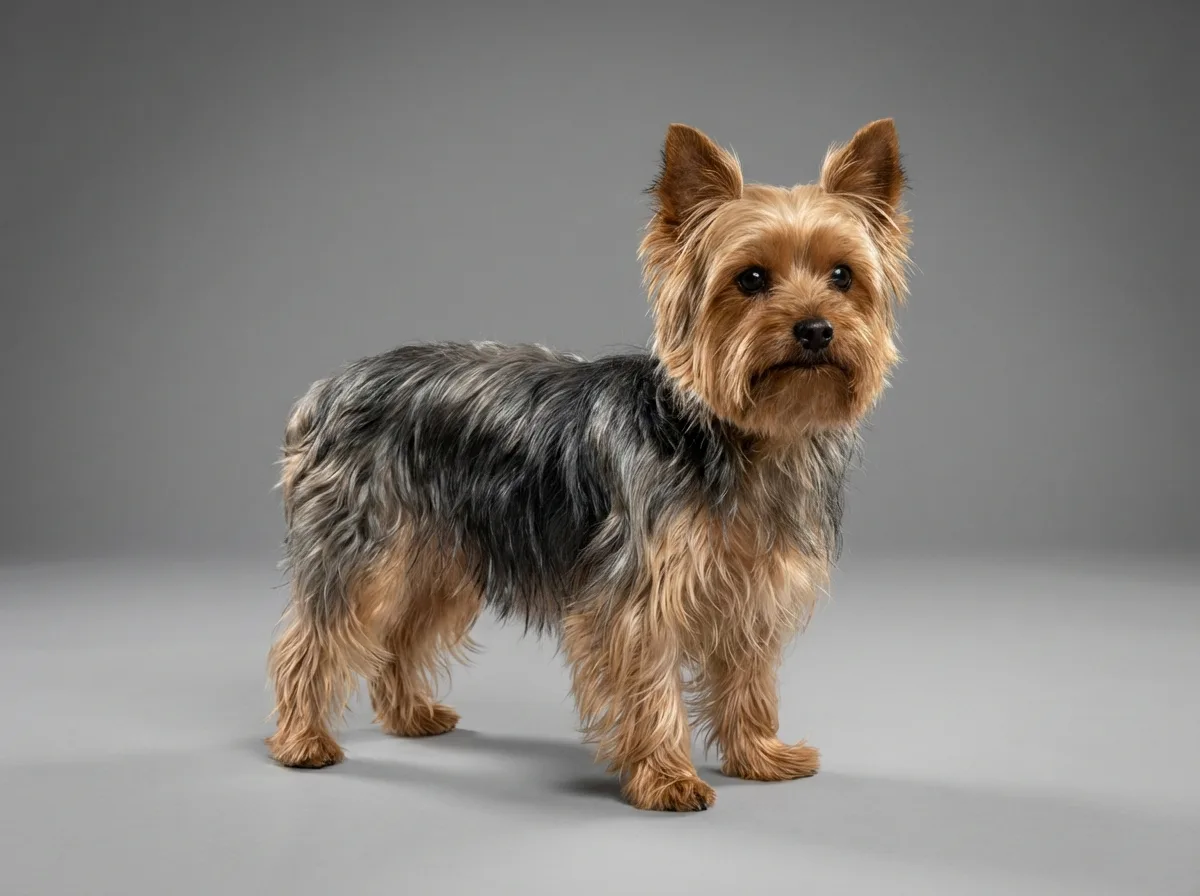
Long-coated dogs, often referred to as hairy dogs, include breeds like the Yorkshire Terrier and the Shih Tzu. These dogs have coats that can require significant grooming to keep them looking their best. Their long fur can also serve various functions, from protection against the elements to helping regulate their body temperature. However, owning a long-haired breed means you’ll need to devote time and effort to grooming.
Why It Matters to Choose Carefully
Understanding the commitment involved in owning a long-coated dog is vital. These breeds can be grooming intensive, which means you’ll need to brush them regularly to avoid mats and tangles. Additionally, long-haired dogs can shed more than their short-haired counterparts, leading to increased cleaning in your home. By knowing what to expect, you can make informed decisions about your pet ownership.
How to Care for Long-Haired Breeds
Caring for dogs with long coats involves regular grooming, including brushing several times a week, and possibly more frequently during shedding seasons. You'll also need to consider bathing and drying methods that suit their coat type. Invest in quality grooming tools and consider professional grooming to keep your dog looking fresh. Additionally, make sure to check for any skin issues or tangles that may require more immediate attention.
Step-by-Step Guide to Caring for Dogs with Long Coats
Caring for dogs with long coats requires special attention. Follow these steps to ensure your fluffy friend stays healthy and happy.
- 1. Research long haired breeds: Start by understanding the specific needs of long-haired dogs like Afghan Hounds, Shih Tzus, and Yorkshire Terriers.
- 2. Choose the right grooming tools: Invest in high-quality brushes, combs, and shampoos designed for hairy dogs. This will make grooming easier and more effective.
- 3. Create a grooming schedule: Regular grooming is vital. Plan to brush your dog at least twice a week to prevent mats and tangles.
- 4. Bathe your dog regularly: Long haired breeds need baths every 4-6 weeks. Use a gentle shampoo to keep their coat clean and healthy.
- 5. Monitor shedding: Be aware that long haired dogs can shed more during seasonal changes. Use a de-shedding tool to manage this.
- 6. Check for skin issues: Regularly inspect your dog's skin for any irritation or parasites. If you notice anything unusual, consult your vet.
- 7. Consider professional grooming: If your schedule is tight, think about hiring a professional groomer who specializes in grooming intensive dogs. They can help maintain your dog's coat.
- 8. Invest in a good vacuum: With long haired dogs, you'll likely need a strong vacuum to manage the extra fur around your home.
- 9. Educate yourself about nutrition: Provide a balanced diet that supports a healthy coat. Foods rich in Omega-3 fatty acids can enhance coat health.
- 10. Enjoy bonding time: Make grooming a positive experience. Use treats and praise to help your dog associate grooming with fun.
Common Mistakes When Owning Dogs with Long Coats
Owning dogs with long coats can be rewarding, but many owners make mistakes that can lead to problems down the line. Here are some common pitfalls to avoid.
- Neglecting Regular Grooming
- Using the Wrong Tools
- Ignoring Skin Health
- Over-Bathing
- Skipping Professional Help
Myths vs. Facts About Dogs with Long Coats
There are several myths surrounding dogs with long coats that can mislead potential owners. Let’s debunk these common misconceptions and clarify the reality of owning a long-haired breed.
- Myth: Long-haired dogs are always high-maintenance.
- Myth: Long-haired dogs shed excessively.
- Myth: Long-haired breeds are not suitable for warm climates.
- Myth: Grooming long-haired dogs is not necessary.
- Myth: All long-haired dogs are the same in temperament.
Advanced Care Tips for Dogs with Long Coats
Caring for dogs with long coats requires more than just basic grooming. Here are some advanced tips to keep your fluffy friends healthy and happy.
- Invest in a high-quality grooming tool set, including slicker brushes and de-shedding tools. These can make a huge difference in managing their coats.
- Establish a regular grooming schedule, ideally once a week, to prevent matting and tangles. This also helps you keep an eye on their skin health.
- Consider professional grooming every few months, especially for breeds that require specialized techniques. It can save you time and ensure your dog looks their best.
- Incorporate a healthy diet rich in omega fatty acids. This supports coat health and can reduce shedding and skin issues.
- Be mindful of seasonal changes. In warmer months, you may need to adjust your grooming routine to prevent overheating.
Insider Secrets for Caring for Dogs with Long Coats
Caring for dogs with long coats can be a rewarding yet challenging experience. Here are some insider secrets to help you manage their needs effectively.
- Regular grooming is non-negotiable. Invest in a good quality slicker brush and use it at least twice a week.
- Consider a professional grooming service every 6-8 weeks to keep your dog's coat healthy and manageable.
- Be aware of seasonal shedding. Many long-haired breeds will shed more heavily during spring and fall, requiring extra grooming.
- Check for mats and tangles regularly, especially around the ears and under the legs, as these can lead to skin issues if left untreated.
- Diet plays a crucial role in coat health. A balanced diet with omega fatty acids can enhance the shine and reduce shedding.
Checklist for Owning Dogs with Long Coats
Follow this practical checklist to ensure you are ready for the joys and responsibilities of owning a dog with a long coat.
- Research long haired breeds to find the right fit.
- Prepare your home for shedding and grooming.
- Invest in quality grooming tools.
- Set a regular grooming schedule (at least weekly).
- Consider the climate where you live for comfort.
- Plan for increased cleaning around your home.
- Budget for grooming costs (professional grooming if needed).
- Understand the specific health needs of long coated breeds.
Frequently asked questions
Which dog has the longest hair?
The Afghan Hound is known for having the longest hair among dog breeds. Their luxurious, flowing coat can reach impressive lengths, making them stand out in any setting. However, this beautiful hair requires a lot of grooming and maintenance.
How to groom long haired dogs?
Grooming long haired dogs involves regular brushing to prevent tangles and mats. It's best to use a slicker brush or a comb specifically designed for their coat type. Additionally, regular baths and trimming will keep their coat healthy and manageable.
Do long haired dogs shed more?
Long haired dogs can shed just as much as short haired breeds, depending on the individual dog. However, their hair may be more noticeable due to its length. Regular grooming can help manage shedding and keep your home cleaner.
What are some examples of grooming intensive dogs?
Breeds like the Shih Tzu, Yorkshire Terrier, and Maltese are known for their long coats and require consistent grooming. Their beautiful fur can mat easily, so a regular grooming schedule is essential. If you're considering one of these breeds, be prepared for the upkeep!
Are long haired breeds suitable for families?
Many long haired breeds can be great family pets, but it depends on the breed's temperament and energy levels. Breeds like the Golden Retriever can be affectionate and friendly, while others may be more reserved. Always consider your family's lifestyle when choosing a dog.
What are the best grooming tools for dogs with long coats?
To effectively groom dogs with long coats, invest in a good quality slicker brush, a wide-toothed comb, and possibly a dematting tool. These tools help remove tangles and prevent matting, which is common in long-haired breeds. Regular grooming not only keeps their coat healthy but also reduces shedding.
Are long haired breeds more prone to health issues?
While long haired breeds can have specific grooming needs, they aren't necessarily more prone to health issues solely because of their coat length. However, some breeds may have genetic predispositions to certain conditions. It's always a good idea to research the specific breed and consult a vet for health advice.
How often should I groom my long haired dog?
Most long haired dogs require grooming at least once a week, but some may need more frequent grooming depending on their coat type. Dogs with thicker or curlier coats might need to be brushed every few days to prevent matting. Always keep an eye on their coat condition and adjust your grooming routine accordingly.
What can I do about shedding from my hairy dog?
Shedding is a normal process for dogs, but you can manage it by regular grooming. Brushing your dog frequently helps remove loose fur and reduces the amount of hair in your home. Additionally, a healthy diet and adequate hydration can improve coat health and minimize shedding.
Do long haired dogs require special bathing techniques?
Yes, bathing dogs with long coats requires a few special techniques. Use a quality dog shampoo that suits their coat type, and make sure to rinse thoroughly to avoid residue. It's also helpful to dry them properly after a bath, as wet fur can lead to tangles and mats.
Can long haired breeds live in warmer climates?
Yes, many long haired breeds can adapt to warmer climates, but they may require extra care. It's important to ensure they have access to shade and water, and regular grooming will help keep their coat healthy. Some owners also choose to trim their dog's coat during hot months to help them stay cool.

Which dog has the longest hair?
The Afghan Hound is often recognized for having one of the longest dog coats. Their silky, flowing fur can reach impressive lengths, requiring dedicated grooming to maintain. While they are stunning, potential owners should be ready for the grooming commitment that comes with such a luxurious coat.