Dogs That Don’t Shed: Your Guide to Hypoallergenic Breeds
Looking for a furry friend without the shedding mess? This guide covers the best dogs that don’t shed, perfect for keeping your home clean and allergy-friendly.
Understanding Dogs That Don’t Shed
If you're considering adding a furry friend to your home but dread the thought of shedding, you’re in the right place. Dogs that don’t shed, often referred to as hypoallergenic breeds, can be a perfect solution for those who value a clean home. These breeds typically produce less dander and hair, making them great companions for allergy sufferers or anyone looking to maintain a tidy living space.
The idea behind choosing dogs that don’t shed is not just about cleanliness. Many people find that shedding can lead to significant maintenance challenges, from vacuuming regularly to dealing with fur-covered furniture. Furthermore, dander—the skin flakes that can trigger allergies—is often a bigger concern than the hair itself. By opting for dogs that don’t shed, you can minimize these issues while enjoying the love and loyalty of a pet.
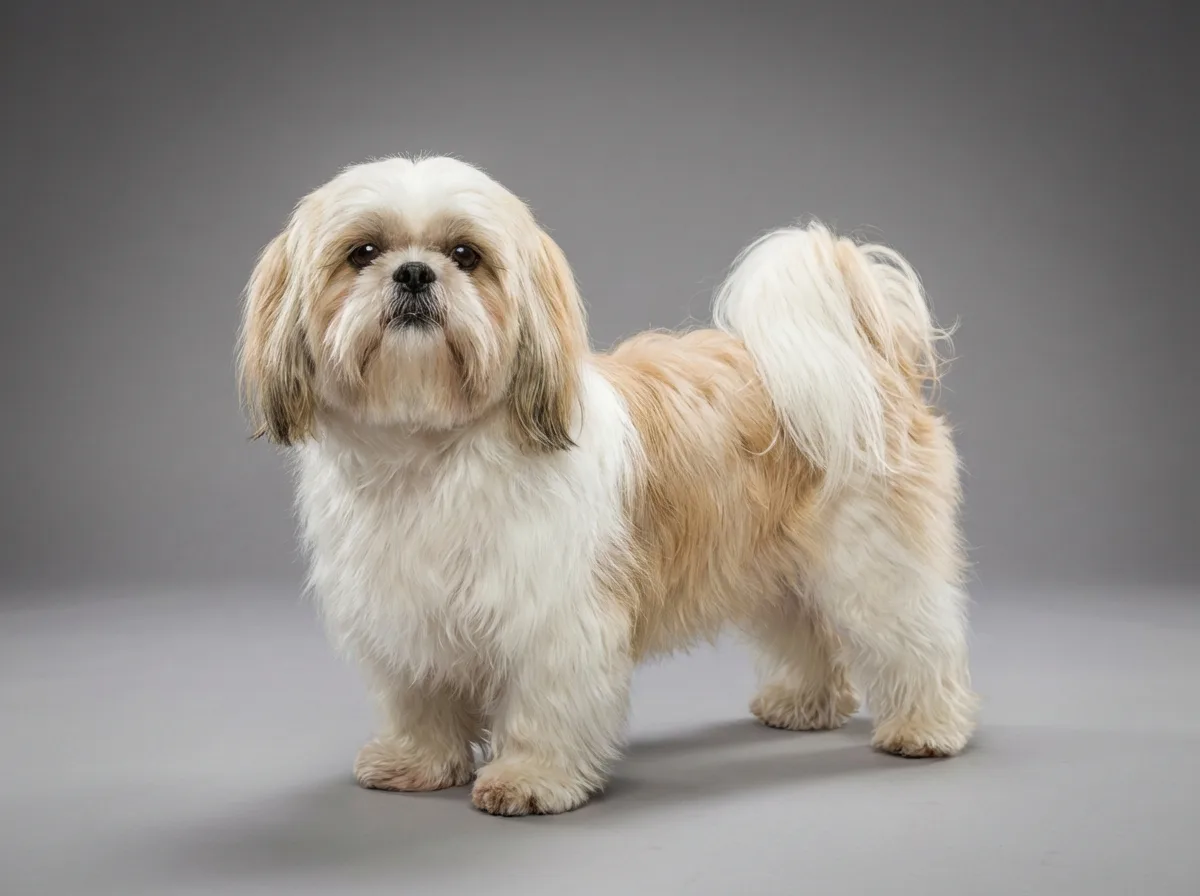
But what exactly are hypoallergenic dogs? They are breeds known for producing fewer allergens than others. While no dog is entirely allergy-free, certain breeds have traits that result in less dander and minimal shedding. For example, Poodles and Shih Tzus are popular choices among those seeking a cleaner home. These breeds often require regular grooming, which can help further reduce allergens in your living environment.
When considering a dog that doesn’t shed, it’s essential to factor in grooming needs and overall temperament. Many of these breeds need regular haircuts and baths to keep their coats healthy and to manage dander. Understanding these needs can help you determine if a specific breed aligns with your lifestyle and schedule.
In this guide, we will explore various breeds that are known for not shedding, what makes them special, and how to care for them. Additionally, we will discuss the grooming routines necessary for these dogs and offer tips on how to maintain a clean home while enjoying the company of your new pet. Whether you’re looking for a playful Poodle, a spirited Yorkshire Terrier, or a charming Shih Tzu, we’ll help you find the right fit for your family. Let's dive into the wonderful world of dogs that don’t shed and discover how they can enrich your life without the hassle of excessive fur!
Step-by-Step Plan for Choosing Dogs That Don’t Shed
Finding the right dog that doesn’t shed can be a game-changer for your home. Here’s a practical plan you can follow this week to discover a low-shedding or hypoallergenic pet that fits your lifestyle.
- 1. Research Hypoallergenic Breeds: Start by learning about dog breeds known for being hypoallergenic or low-shedding. Breeds like Poodles, Yorkshire Terriers, and Shih Tzus are good examples.
- 2. Assess Your Lifestyle: Consider your daily routine and living situation. Think about how much time you can dedicate to grooming, exercise, and training.
- 3. Visit Local Shelters or Breeders: Schedule visits to local shelters or reputable breeders to meet various breeds in person. This will give you a chance to see their behavior and temperament.
- 4. Ask About Grooming Needs: When you find a breed you like, ask about grooming requirements. Some non-shedding dogs require regular grooming to maintain their coats.
- 5. Consider Allergies: If you or someone in your household has allergies, spend time with the breed to see if they trigger any reactions. This step is crucial for ensuring a comfortable living environment.
- 6. Check for Additional Costs: Research the costs associated with owning a non-shedding breed. Consider veterinary care, grooming, and food expenses.
- 7. Prepare Your Home: Once you choose a breed, prepare your home by purchasing necessary supplies such as a bed, food, toys, and grooming tools.
- 8. Set Up a Routine: Establish a daily routine for feeding, exercise, and grooming. Dogs thrive on consistency, which will help them adjust to their new home.
- 9. Enroll in Training Classes: Consider enrolling your new dog in training classes. This not only helps with behavior but also builds a bond between you and your pet.
- 10. Enjoy Your New Companion: Finally, enjoy your new dog! Spend quality time together and create a loving environment.
Common Mistakes When Choosing Dogs That Don’t Shed
When looking for dogs that don’t shed, many potential owners make mistakes that can lead to frustration. Here are some common pitfalls to avoid.
- Choosing solely based on the non-shedding trait
- Neglecting grooming needs
- Ignoring the dog's temperament
- Overlooking exercise requirements
- Assuming hypoallergenic means no allergies
- Forgetting about breed-specific health issues
Common Myths About Dogs That Don’t Shed
There are many misconceptions about dogs that don’t shed. Let’s debunk some of the most common myths and reveal the facts behind them. Understanding the truth can help you make an informed decision when choosing a pet.
- Myth: All hypoallergenic dogs don’t shed.
- Myth: Hairless breeds are completely maintenance-free.
- Myth: Non-shedding dogs are always clean.
- Myth: Low dander pets are suitable for everyone with allergies.
Advanced Tips for Choosing Dogs That Don’t Shed
Selecting a dog that doesn’t shed can be more complex than simply looking for hypoallergenic breeds. Here are some advanced tips to help you make the best choice for your home and lifestyle. First, consider your activity level. Some non-shedding breeds, like the Poodle, require regular exercise and mental stimulation. If you lead a busy life, look for breeds that are more adaptable and need less physical activity.
Next, think about grooming needs. While many hypoallergenic dogs don’t shed, they often require frequent grooming to prevent matting. For example, breeds like the Shih Tzu need regular trips to the groomer. If this commitment is overwhelming, consider simpler grooming options, like the Yorkshire Terrier, which can be maintained with just regular brushing at home.
Also, assess the environment in which the dog will live. Low dander pets can be beneficial for allergy sufferers, but some breeds, like the Basenji, may still produce dander. Evaluate your home’s air quality and consider investing in a high-quality air purifier to reduce allergens. This can help create a more comfortable living space for everyone.
Lastly, remember that no dog is completely hypoallergenic. Spend time with a breed before committing to ensure compatibility. Visit breeders or shelters and ask about their shedding and dander levels. This firsthand experience can provide valuable insight into how the dog will fit into your lifestyle and home.
By taking these factors into account, you can make a more informed decision that will ensure a happy and healthy environment for you and your new furry friend.
Insider Secrets for Choosing Dogs That Don't Shed
When considering dogs that don’t shed, it’s essential to know more than just the basics. Here are some insider tips that can help you make a smarter choice and keep your home clean.
- Hypoallergenic does not mean zero allergens: Even dogs that don’t shed can produce dander. If allergies are a concern, spend time with a breed before committing.
- Grooming matters: Regular grooming is crucial for non-shedding breeds to prevent matting and skin issues. Some breeds may require professional grooming every few weeks.
- Temperament and energy levels: Consider each breed's temperament and energy levels. Some low-shedding breeds, like the Poodle, need regular exercise to stay happy and healthy.
- Size and space: Smaller breeds might seem easier to manage, but larger dogs like Standard Poodles are also non-shedding and can be great companions in active homes.
- Diet impacts coat health: A balanced diet can improve your dog’s coat health. Look for high-quality food that includes omega fatty acids for a shinier, healthier coat.
Checklist for Choosing Dogs That Don’t Shed
Use this checklist to help you find the perfect dog that fits your lifestyle and minimizes shedding. Pay attention to these essential factors as you consider hypoallergenic and low-dander breeds.
- Research hypoallergenic breeds like Poodles and Yorkshire Terriers.
- Consider hairless options, such as the American Hairless Terrier.
- Evaluate your living space to ensure it suits your chosen breed's needs.
- Check grooming requirements; some non-shedding breeds need regular grooming.
- Consult your vet about any allergies or sensitivities.
- Assess the amount of exercise and playtime your selected breed requires.
- Think about your family's lifestyle and activity level.
- Prepare your home with cleaning supplies that help maintain a hair-free environment.
Frequently asked questions
What are dogs that don’t shed?
Dogs that don’t shed, often referred to as hypoallergenic dogs, produce less dander and hair, making them ideal for allergy sufferers. Breeds like Poodles, Shih Tzus, and Yorkshire Terriers are popular choices. These dogs still require regular grooming to maintain their coats.
Do Goldendoodles shed?
Goldendoodles can shed, but their shedding levels depend on their coat type. Some may have a more curly coat similar to a Poodle, which tends to shed less. Regular grooming helps manage any shedding and keeps their coat healthy.
What is the best non-shedding dog?
The best non-shedding dog varies based on individual preferences, but breeds like the Poodle and the Maltese are often recommended. These dogs have low-shedding coats and are also known for their friendly personalities. Consider your lifestyle and home environment when choosing.
Are there any hairless breeds?
Yes, there are several hairless breeds, such as the American Hairless Terrier and the Chinese Crested. These dogs require special care to protect their skin from sun exposure and irritation, but they can be excellent companions for those seeking a truly non-shedding pet.
How do I groom non-shedding dogs?
Grooming non-shedding dogs involves regular brushing to prevent matting and maintain their coat's health. It's also important to bathe them as needed and check their ears and nails regularly. A professional groomer can help if you're unsure about proper techniques.
What are the best non-shedding dog breeds for families?
Some of the best non-shedding dog breeds for families include the Poodle, Bichon Frise, and Shih Tzu. These breeds are known for being friendly and good with children, making them great companions in a bustling household.
How often do hypoallergenic dogs need grooming?
Hypoallergenic dogs typically require regular grooming to maintain their coat and minimize allergens. Depending on the breed, this can range from weekly brushing to professional grooming every few months.
Can non-shedding dogs still cause allergies?
Yes, non-shedding dogs can still cause allergies. While they produce less dander and hair, they may still have proteins in their saliva and urine that can trigger allergic reactions in sensitive individuals.
Are there any hairless dog breeds?
Yes, there are several hairless dog breeds, such as the Chinese Crested and the American Hairless Terrier. These breeds are often considered for their low maintenance and lower allergen levels.
Do Goldendoodles shed?
Goldendoodles can vary in shedding based on their coat type. Those with more Poodle-like coats tend to shed less, while others may shed more. Regular grooming helps control shedding in any case.
What are some tips for keeping a clean home with a dog?
To keep a clean home with a dog, establish a regular cleaning routine. This can include vacuuming frequently, using lint rollers on furniture, and keeping your dog's grooming supplies handy to manage any loose hair.
Are low dander pets truly non-shedding?
Low dander pets are not necessarily non-shedding but tend to produce fewer allergens. Breeds like the Poodle may be considered low dander and also shed minimally, making them suitable for allergy sufferers.