The Best Dogs That Can Be Left Alone: Your Guide to Independent Breeds
Finding the right dog that can be left alone is crucial for busy owners. This guide will help you choose independent breeds that thrive with some solitude.
Understanding Dogs That Can Be Left Alone
When considering a dog for your home, it's crucial to think about how well they'll handle being left alone. Not all breeds are created equal in this regard. Some dogs thrive in solitude, while others may struggle significantly with separation anxiety. Understanding which dogs that can be left alone will help you make a more informed choice, especially if you have a busy lifestyle or work long hours.
Why This Matters for Dog Owners
For many working owners, finding a furry friend who can handle some alone time is essential. Dogs that are too needy may not fit well into a busy household. Independent dogs tend to adapt better, allowing owners to maintain their routines without added stress. This can lead to a happier life for both you and your pet, reducing the chances of behavioral issues that often arise from loneliness.
What to Look For in Low Anxiety Breeds
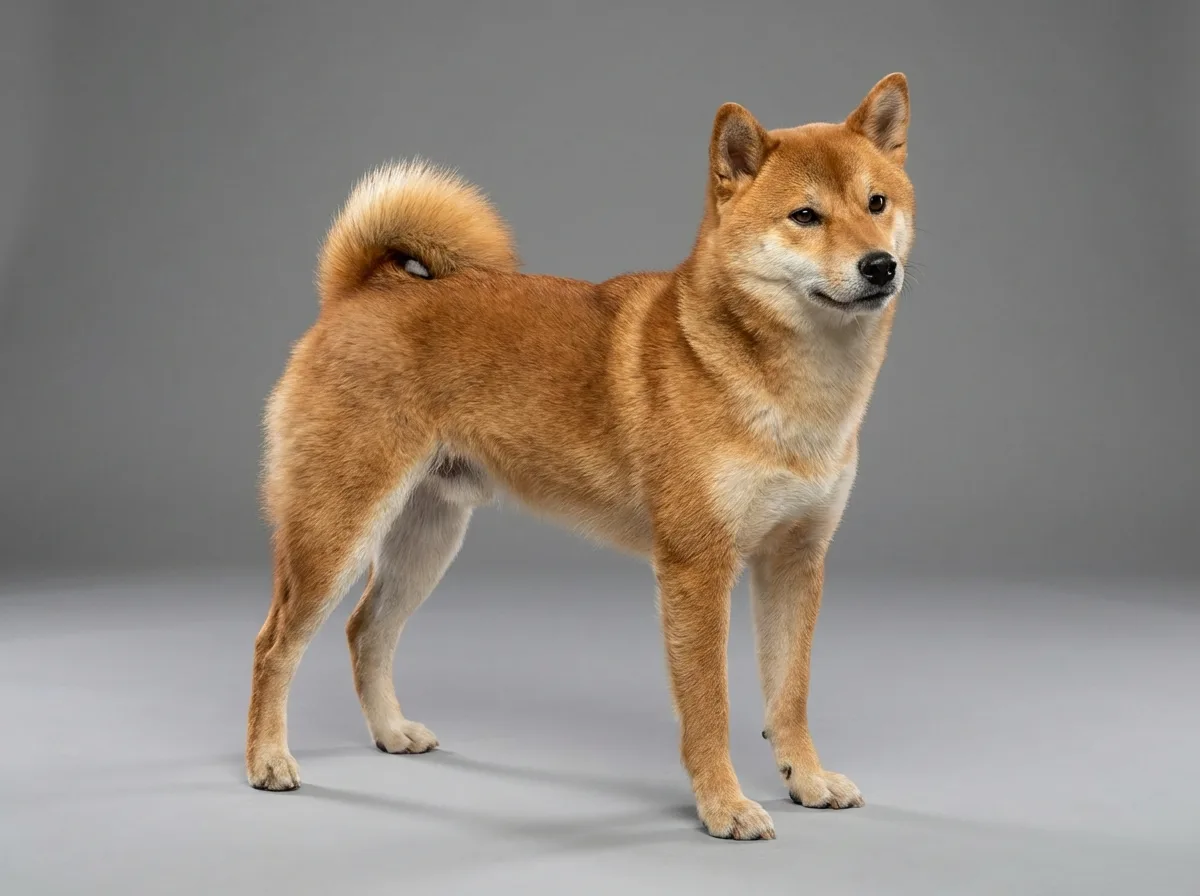
When selecting a dog, consider their temperament and energy levels. Breeds known as low anxiety or solitary pets typically manage alone time better. Look for traits like independence, confidence, and a laid-back personality. Certain breeds, such as Greyhounds, Chow Chows, and Shiba Inus, are often cited as good options for those who need a dog that can be left alone without excessive distress.
Preventing Separation Anxiety
Even the most independent dogs can experience anxiety when left alone for too long. It's essential to train your dog to feel comfortable in solitude from an early age. Gradually increasing their alone time can help. Additionally, providing engaging toys or puzzles can keep them occupied, easing any potential stress when you're away.
Conclusion: Make an Informed Decision
In the end, choosing a dog that can be left alone is about finding the right match for your lifestyle. By understanding which breeds are more independent and how to prevent separation anxiety, you can ensure a happy and harmonious relationship with your furry companion. Remember, every dog is unique, so assess their individual needs and personalities carefully.
Step-by-Step Guide to Choosing Dogs That Can Be Left Alone
Finding the right dog that can comfortably be left alone requires careful planning and consideration. Follow these steps to ensure a smooth transition and a happy companion.
- 1. Research Independent Breeds: Start by researching breeds known for their independent nature. Look for breeds like Greyhounds, Chow Chows, or Shiba Inus.
- 2. Assess Your Lifestyle: Evaluate your daily routine to determine how long your dog will be alone. This will help you choose a breed that fits your situation.
- 3. Visit Local Shelters or Breeders: Once you have a list of breeds, visit local shelters or reputable breeders to meet potential dogs. Observe their behavior in person.
- 4. Consider Adult Dogs: Adult dogs are often more independent than puppies. Look for an adult dog that has already shown comfort with being alone.
- 5. Take Time to Bond: Once you find a dog, spend time getting to know each other. Build trust through play and positive reinforcement.
- 6. Start with Short Absences: Gradually leave your dog alone for short periods. This helps them adjust without feeling anxious.
- 7. Create a Comfortable Space: Set up a cozy area with toys, a bed, and some treats. This will help your dog feel secure while you’re away.
- 8. Monitor Their Behavior: Use a camera or pet monitor to check on your dog while you're away. This can help you see how they cope alone.
- 9. Provide Mental Stimulation: Invest in puzzle toys or interactive games to keep your dog engaged while you're gone.
- 10. Seek Professional Help if Needed: If your dog shows signs of anxiety, consider consulting a trainer or behaviorist for additional strategies.
Common Mistakes When Choosing Dogs That Can Be Left Alone
Navigating the world of dogs that can be left alone comes with its own set of challenges. Here are some common mistakes owners often make, and why they can backfire.
- Choosing a dog solely based on independence: While independent dogs may tolerate alone time, some breeds still need social interaction and mental stimulation. Ignoring this can lead to boredom and destructive behavior.
- Underestimating the impact of time alone: Many owners think they can leave their dog alone for long periods without consequences. This can lead to anxiety and stress for the pet, resulting in problematic behaviors.
- Not providing adequate training: Many assume that a dog will naturally adapt to being left alone. Without proper training, a dog may struggle with separation anxiety or become disruptive when left alone.
- Ignoring breed-specific needs: Each breed has its own temperament and needs. Failing to consider these factors can result in choosing a dog that may not be a good fit for your lifestyle.
- Neglecting to create a comforting environment: Owners often forget that dogs need a safe and secure space when left alone. A lack of comfort can increase anxiety and lead to negative behaviors.
- Failing to socialize the dog: Some owners believe that simply leaving their dog alone will teach them independence. However, inadequate socialization can lead to fearfulness and anxiety when the dog is alone.
- Not considering companionship options: Owners sometimes overlook the benefits of getting another pet. While some dogs can be left alone, having a companion can reduce anxiety and make the dog feel more secure.
Myths vs. Facts About Dogs That Can Be Left Alone
Many people have misconceptions about dogs that can be left alone. Let's debunk some common myths and explain the facts behind them. Understanding the truth can help you make better decisions for your furry friend.
- Myth: All dogs can be left alone for long periods.
- Fact: Different breeds have different needs. While some dogs are more independent, many require companionship and can suffer from anxiety if left alone too long.
- Myth: Independent dogs don’t need attention or exercise.
- Fact: Even independent dogs need regular exercise and social interaction. Ignoring their needs can lead to behavioral problems.
- Myth: Dogs that are fine alone don’t bond with their owners.
- Fact: Dogs that can be left alone often bond strongly with their owners. Their ability to be independent doesn’t mean they don’t crave connection.
- Myth: You should punish your dog for being anxious when left alone.
- Fact: Punishment can worsen anxiety. Instead, focus on training and gradual desensitization to help your dog feel secure when alone.
Advanced Tips for Choosing Dogs That Can Be Left Alone
Understanding the nuances of dog behavior can help you choose the right breed that fits your lifestyle, especially if you need a dog that can be left alone. Here are some advanced tips to consider beyond the basics.
Insider Secrets for Choosing Dogs That Can Be Left Alone
When considering dogs that can be left alone, there are some lesser-known insights that can help you make the right choice. Here are some expert tips that might surprise you.
- Consider adopting older dogs. They often require less exercise and are generally more independent than puppies.
- Look for breeds that were originally bred for work. Many working dogs, such as Greyhounds and Chow Chows, can manage alone time better than others.
- Socialization is key. Dogs that are well-socialized from a young age tend to be less anxious when left alone.
- Routine matters. Establishing a consistent daily schedule can make a big difference in how well your dog adjusts to being alone.
- Interactive toys can help. Toys that engage your dog's mind can reduce feelings of loneliness and boredom.
Checklist for Choosing Dogs That Can Be Left Alone
Use this checklist to find the right dog for your lifestyle, especially if you need a pet that can handle being alone for longer periods.
- Research breeds known for independence, like Greyhounds, Chow Chows, and Shiba Inus.
- Evaluate your daily schedule to determine how much time your dog will spend alone.
- Consider adopting older dogs, as they often adapt better to solitude compared to puppies.
- Look for low anxiety breeds that are less prone to separation distress.
- Invest in interactive toys to keep your dog entertained while you're away.
- Establish a consistent routine for feeding and bathroom breaks.
- Consider hiring a dog walker or pet sitter if you work long hours.
- Monitor your dog’s behavior when you leave to ensure they are comfortable being alone.
Frequently asked questions
How long can I leave my dog alone?
Most dogs can be left alone for about 4 to 6 hours during the day. However, puppies and younger dogs may need more frequent breaks. It's important to consider your dog's age, breed, and temperament when determining how long they can be left alone.
What are some dogs that don't get lonely?
Certain breeds, like Greyhounds and Shiba Inus, are known for their independent nature. These dogs tend to handle alone time better than others, making them ideal for working owners. Still, every dog is unique, so it's crucial to understand your specific pet's needs.
How can I prevent separation anxiety in my dog?
To prevent separation anxiety, gradually increase the time your dog spends alone. Providing engaging toys and a safe space can help reduce stress. Training your dog to feel comfortable being alone is essential, as is creating a routine.
What are some low anxiety breeds?
Low anxiety breeds include the Chow Chow and some working breeds, as they're often more self-sufficient. However, individual personalities vary, so it's essential to assess each dog's temperament. Understanding your dog's needs will help you find the right fit.
Are there breeds specifically suited for working owners?
Yes, independent dogs, such as the Greyhound and Shiba Inu, are often well-suited for working owners. These breeds tend to be more comfortable being left alone for longer periods. It's important to match your lifestyle with the right breed.
What are the best dogs that can be left alone for long periods?
Breeds like Greyhounds, Chow Chows, and Shiba Inus are known to be more independent. These dogs typically manage better alone due to their lower energy levels and calm demeanor. However, every dog is unique, so it's essential to assess your pet's personality.
How can I train my dog to be comfortable being left alone?
Start by gradually increasing the time you leave your dog alone. Provide a safe space with toys and comfort items. Consider using positive reinforcement, like treats, when they stay calm while you're away.
Are there specific dog breeds that don't get lonely?
Yes, independent breeds like the Basenji and the Shiba Inu tend to be more content when left alone. These dogs often thrive with a bit of solitude and do not display signs of distress when separated from their owners.
Can low anxiety breeds still develop separation anxiety?
While low anxiety breeds are generally more resilient, any dog can develop separation anxiety under certain conditions. Changes in routine, moving to a new home, or traumatic experiences can trigger this behavior. It's vital to monitor your dog's behavior and seek help if needed.
What are some tips for preventing separation anxiety in dogs?
Create a consistent routine to help your dog feel secure. Use puzzle toys to keep them occupied and consider leaving a piece of your clothing with them. If your dog shows signs of anxiety, consult a vet or a professional trainer for tailored advice.
How long can I leave my dog alone during the day?
Most adult dogs can be left alone for about 4 to 6 hours. Puppies and young dogs generally need more frequent breaks. It's important to consider your dog's individual needs and adjust accordingly.
What should I do if my dog shows signs of distress when left alone?
If your dog exhibits signs of distress, such as barking or destructive behavior, it's crucial to address this issue. Start by consulting a veterinarian or a professional trainer who can help you develop a plan to ease their anxiety and improve their comfort when alone.