The Best Dogs Good with Seniors: Your Guide to Caring Companions
Finding the right dog can be a game changer for seniors. This guide explores the best dogs good with seniors, ensuring companionship and comfort.
This guide is perfect for seniors looking for a furry friend, family members seeking a loving companion for their elderly relatives, or anyone considering adopting a calm dog. Whether you're active or prefer a quieter lifestyle, you'll find valuable insights tailored to help you choose the best pet.
Choosing a dog that is good with seniors is crucial for ensuring a harmonious relationship between the pet and owner. Many people overlook the specific needs of older adults when selecting a dog, which can lead to stress for both parties. Understanding the traits of senior-friendly breeds can help create a loving and supportive environment, enhancing the overall well-being of both the dog and the owner.
Understanding Dogs Good with Seniors
When considering a dog for seniors, it's essential to choose breeds that are not only friendly but also calm and easy to manage. Seniors often seek companionship, and dogs can provide emotional support while encouraging a more active lifestyle. Understanding which dogs are good with seniors helps in making a compassionate choice that enhances the quality of life for both the pet and the owner.
Why Choosing the Right Dog Matters
A well-matched dog can provide companionship and a steady routine for an older adult. The right fit depends on mobility, exercise needs, training, grooming, noise, housing, budget, and the support available when care needs change.
The Best Dogs Good with Seniors: Your Guide to Caring Companions - Why Choosing the Right Dog Matters
What to Look for in Dogs Good with Seniors
Several features make certain dog breeds better suited for seniors. Here are some key points to consider:
The Best Dogs Good with Seniors: Your Guide to Caring Companions - What to Look for in Dogs Good with Seniors
Gentle temperament: Look for dogs that are calm and friendly.
Size: Smaller breeds are often easier to handle and require less space.
Energy level: Opt for low-energy dogs that can thrive in quieter environments.
Health considerations: Choose breeds known for fewer health issues.
Trainability: Select breeds that are easy to train and obedient.
Popular Breeds for Seniors
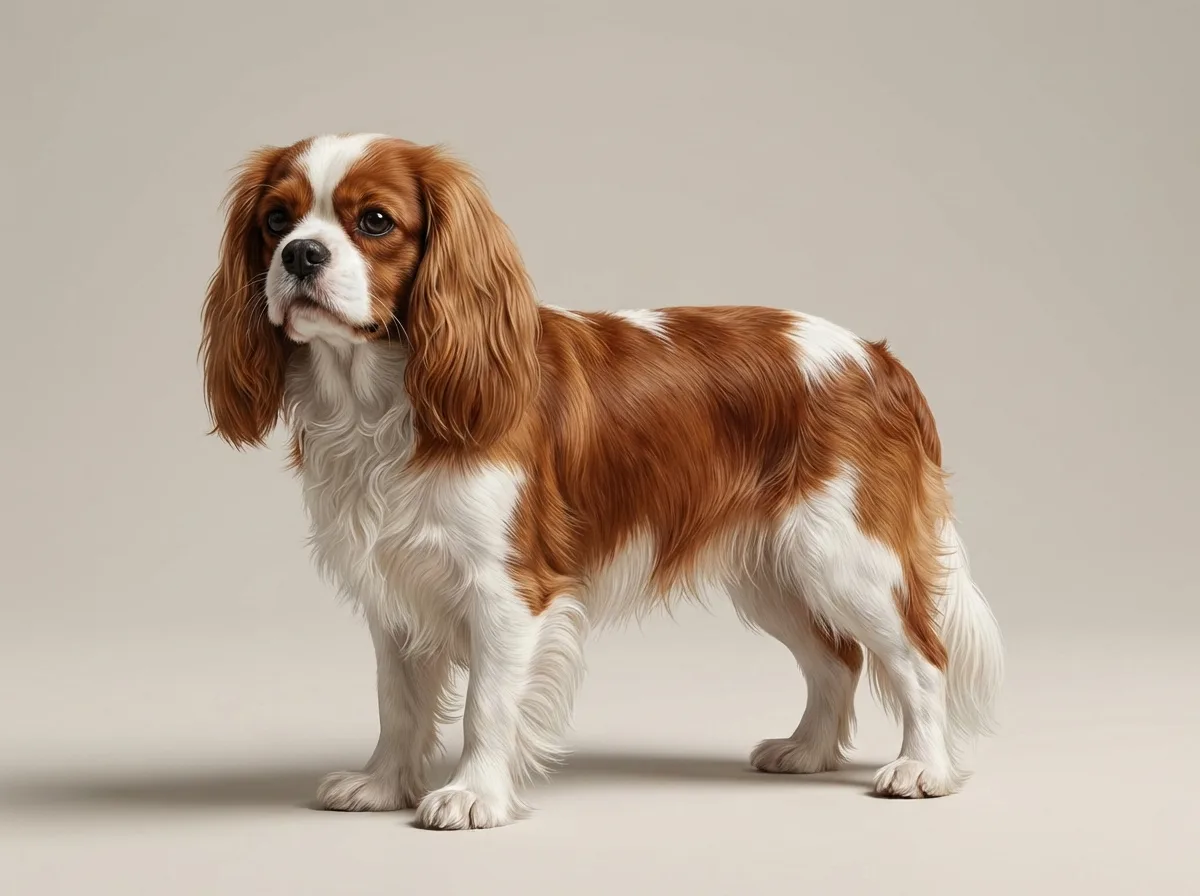
Some of the most recommended breeds for seniors include Poodles, Shih Tzus, and Cavalier King Charles Spaniels. These breeds tend to be affectionate and adaptable, making them excellent companions. They also tend to have lower exercise needs, which is a plus for seniors who may have mobility concerns.
The Best Dogs Good with Seniors: Your Guide to Caring Companions - Popular Breeds for Seniors
Conclusion
When choosing a dog for an older adult, compare temperament, size, exercise, grooming, training, and support needs. Consider the individual dog, not only the breed, and plan for walking, veterinary care, and backup help when needed.
The Best Dogs Good with Seniors: Your Guide to Caring Companions - Conclusion
Step-by-Step Plan for Choosing Dogs Good with Seniors
Finding the right dog for seniors involves careful consideration. Here’s a simple plan to help you choose a calm and friendly companion. Follow these steps to make an informed decision this week.
The Best Dogs Good with Seniors: Your Guide to Caring Companions - Step-by-Step Plan for Choosing Dogs Good with Seniors
1. Assess the Senior's Lifestyle: Understand the physical and emotional needs of the senior. Consider their activity level, living situation, and any health concerns.
2. Research Suitable Breeds: Look into breeds known for being calm and gentle, such as Poodles, Shih Tzus, and Cavalier King Charles Spaniels. These breeds often make great elderly companions.
3. Visit Shelters or Breeders: Spend time at local shelters or with reputable breeders. Meeting dogs in person can help gauge their temperament and energy levels.
4. Consider Adoption: If possible, adopt a dog from a shelter. There are many calm dogs looking for homes who can be wonderful companions for seniors.
5. Evaluate Compatibility: Pay attention to how the dog interacts with the senior. Look for signs of comfort and connection during their first meeting.
6. Prepare the Home: Make sure the living space is dog-friendly. Remove any hazards and set up a cozy area for the dog to relax.
7. Plan for Training: If the dog needs training, consider enrolling in a local class or seeking help from a professional trainer. Basic commands can improve the relationship and ensure safety.
8. Create a Routine: Establish a daily routine that includes feeding, walks, and playtime. Consistency helps both the senior and the dog feel secure.
9. Monitor Health Needs: Regular check-ups with a vet are essential. Keep an eye on the dog's health and adjust care as needed.
10. Enjoy Quality Time: Encourage bonding through shared activities. Whether it’s gentle walks or cuddling on the couch, spending time together enriches both lives.
Why this helps
✓ Enhances the senior's quality of life with companionship.
✓ Promotes physical activity through daily walks.
✓ Provides emotional support and reduces feelings of loneliness.
Watch out for
! Requires commitment for daily care and attention.
! Potential for initial adjustment period for both the senior and the dog.
! Can incur costs for food, supplies, and veterinary care.
Common Mistakes When Choosing Dogs Good with Seniors
Selecting the right dog for seniors can be tricky. Here are some common mistakes to avoid to ensure a happy companionship.
The Best Dogs Good with Seniors: Your Guide to Caring Companions - Common Mistakes When Choosing Dogs Good with Seniors
Choosing high-energy breeds
Ignoring the dog's temperament
Neglecting health considerations
Overestimating physical capabilities
Failing to consider grooming needs
Underestimating the importance of training
Not factoring in compatibility with living space
Myths vs. Facts About Dogs Good with Seniors
Let's debunk some common myths about dogs that are good with seniors. Understanding these misconceptions will help you find the perfect furry companion for elderly loved ones.
The Best Dogs Good with Seniors: Your Guide to Caring Companions - Myths vs. Facts About Dogs Good with Seniors
Myth: All dogs are too energetic for seniors.
Fact: Many breeds are calm and gentle, making them perfect companions for seniors.
Myth: Small dogs are the only option for seniors.
Fact: Various medium-sized breeds also offer gentle temperaments and are senior-friendly.
Myth: Dogs require too much exercise for seniors to handle.
Fact: Many breeds need only light walks and playtime, making them low-impact pets.
Myth: Older dogs are not trainable.
Fact: Senior dogs can learn new tricks and commands; they often just require a little more patience.
Myth: Dogs are expensive to care for.
Fact: While there are costs, many calm dogs can lead to lower healthcare and emotional costs for seniors.
Why this helps
✓ Calm dogs provide companionship without overwhelming energy.
✓ Older dogs often have established temperaments, making them easier to manage.
✓ Low-impact pets can encourage gentle activity, which is beneficial for seniors.
Watch out for
! Some breeds may still require regular grooming or veterinary care.
! Not all seniors may have the physical ability for dog care tasks.
! Finding the right match can take time and effort.
Advanced Tips for Choosing Dogs Good with Seniors
When looking for dogs good with seniors, it's important to consider both personality traits and lifestyle compatibility. Here are some advanced tips to help find the perfect match for elderly companions.
First, assess the energy levels of potential breeds. Dogs with moderate energy are often ideal for seniors, as they require less exercise and can be content with short walks. Breeds like the Cavalier King Charles Spaniel or Shih Tzu are known for their calm demeanor and adapt well to relaxed lifestyles.
Next, consider the dog's training and socialization needs. Older adults may benefit from dogs that are already well-trained or those that respond well to positive reinforcement. Look for breeds that are naturally eager to please, which can make training easier and help in establishing a trusting bond.
Another factor is the dog's size. Smaller breeds may be easier to manage, especially in smaller living spaces. However, it's also essential to evaluate the strength and mobility of the senior.
A sturdy, medium-sized dog like a Poodle can be a great option if the individual is capable of handling a bit more weight.
Additionally, consider the dog's temperament. Calm dogs that are less likely to jump or play rough are better suited for seniors. Breeds that are gentle and patient, such as the Bichon Frise, can offer companionship without overwhelming their owners.
Finally, think about the dog's health and lifespan. Choosing breeds that are generally healthy and have a longer lifespan can provide peace of mind. It’s wise to consult with a vet or dog breeder to understand the specific health concerns related to certain breeds.
This knowledge can help seniors avoid potential medical issues down the line.
The Best Dogs Good with Seniors: Your Guide to Caring Companions - Advanced Tips for Choosing Dogs Good with Seniors
Why this helps
✓ Moderate energy breeds suit relaxed lifestyles.
✓ Well-trained dogs ease the bond-building process.
✓ Smaller dogs are manageable in limited spaces.
✓ Calm temperaments provide comfort and companionship.
✓ Healthy breeds ensure longer companionship.
Watch out for
! May require more effort to train untrained dogs.
! Finding the right fit can take time and patience.
! Health concerns may vary widely between breeds.
! Some breeds may not adapt well to assisted living environments.
Practical Fit Checks for Dogs Living With Seniors
Look beyond breed labels. Compare the individual dog's activity level, handling needs, noise, grooming, training, and time-alone tolerance with the older adult's routine and available support.
Cavalier King Charles Spaniel - Practical Fit Checks for Dogs Living With Seniors
Look for calm temperaments: Breeds known for their gentle nature can be more suitable for seniors. Calm dogs can help reduce stress and anxiety.
Consider low-impact activities: Choose dogs that require less intense exercise. Short walks and gentle play are often ideal for seniors.
Training is key: A well-trained dog can make a huge difference in the quality of life for both the pet and the owner. Basic commands can help maintain control and safety.
Check for compatibility: Ensure the dog is comfortable and gentle around older adults. Some breeds are naturally more patient and tolerant.
Think about grooming needs: Choose breeds with lower grooming requirements to make maintenance easier for seniors.
Why this helps
✓ Calm dogs can provide companionship and reduce feelings of loneliness.
✓ Low-impact pets are easier for seniors to care for.
✓ Well-trained dogs can enhance safety and enjoyment during interactions.
Watch out for
! Some breeds may still require more attention than expected.
! Finding the right dog can take time and effort.
! Certain low-impact breeds may have specific health issues that need monitoring.
Checklist for Choosing Dogs Good with Seniors
Use this checklist to help you find the perfect dog companion for seniors. Consider their lifestyle, preferences, and health needs.
The Best Dogs Good with Seniors: Your Guide to Caring Companions - Checklist for Choosing Dogs Good with Seniors
Assess the senior's activity level and energy.
Look for breeds known for being calm and friendly.
Consider the size of the dog in relation to living space.
Think about grooming needs and maintenance.
Evaluate the dog's temperament with strangers and other pets.
Choose a dog that is easy to train and socializes well.
Check for any allergies in the household.
Consider adopting an older dog, as they tend to be calmer.
Visit shelters or rescue groups to meet potential companions.
Ask about the dog’s health history and any special needs.
Why this helps
✓ Calm dogs can provide companionship without overwhelming energy.
✓ Low-impact pets are great for seniors with mobility issues.
✓ Certain breeds are known to be gentle and nurturing.
Watch out for
! Some breeds may require more grooming or exercise than expected.
! You may need to consider a dog's health needs and costs.
! Not all dogs will adapt well to a senior's lifestyle.
Frequently asked questions
What are the best dog breeds for seniors?
When looking for dogs good with seniors, consider breeds like Poodles, Shih Tzus, and Cavalier King Charles Spaniels. These breeds are known for their calm demeanor and are generally easier to handle. They make great companions that can adapt well to a slower-paced lifestyle.
Are there calm dogs suitable for elderly companions?
Yes, many calm dogs are great for elderly companions. Breeds that are known for their gentle and relaxed nature can provide comfort and companionship without being overly demanding. Low-energy dogs tend to be ideal for seniors who may not have the energy for active play.
What makes a dog a good fit for assisted living?
A good dog for assisted living should be friendly, calm, and manageable in size. Low-impact pets that require minimal exercise yet offer companionship can greatly enhance the lives of seniors. Additionally, therapy dogs can be beneficial, providing emotional support and comfort.
How do therapy dogs help seniors?
Therapy dogs provide emotional support and companionship, which can significantly improve the mental health of seniors. They can help reduce feelings of loneliness and depression. Having a friendly, well-trained dog around can create a sense of purpose and joy.
What should I consider when choosing a dog for a senior?
When choosing a dog for a senior, consider the dog's temperament, energy level, and size. It's important to select a breed that is easy to care for and has a gentle personality. Low-maintenance breeds that enjoy spending time with their owners will be the best fit.
What are the best dog breeds for assisted living?
Some of the best dog breeds for assisted living include small, calm breeds like Shih Tzus and Cavalier King Charles Spaniels. These dogs are typically friendly, adaptable, and don’t require extensive exercise, making them ideal companions for seniors.
Are therapy dogs suitable for seniors?
Yes, therapy dogs can be very beneficial for seniors. They provide companionship, reduce feelings of loneliness, and can even help lower blood pressure. Many therapy dogs are trained to be gentle and calm, which is perfect for an elderly environment.
How do I choose a calm dog for my elderly parent?
When choosing a calm dog for an elderly parent, look for breeds known for their gentle temperament, such as Poodles or Bichon Frises. Consider the dog's energy level, size, and health needs to ensure they fit well into your parent's lifestyle.
Are there low-impact pets besides dogs that are good for seniors?
Yes, besides dogs, there are other low-impact pets like cats or small animals such as rabbits and guinea pigs. These pets require less exercise and can still provide companionship and emotional support for seniors.
What should I consider when adopting a dog for a senior?
When adopting a dog for a senior, consider the dog’s age, size, and energy level. Older dogs are often calmer and may be a better fit. It’s also important to think about the senior's ability to care for the dog and any mobility issues they might have.
Can dogs help with mental health for seniors?
Absolutely! Dogs can significantly improve mental health for seniors by providing companionship and reducing feelings of isolation. Regular interactions with a dog can release endorphins and promote a sense of purpose and routine.
What daily care do senior-friendly dogs need?
Senior-friendly dogs typically need basic care, including daily walks, regular feeding, grooming, and routine vet check-ups. The level of care should match the dog's energy and health needs, ensuring they remain happy and healthy.
This guide is not medical advice. If your dog shows pain, sudden behavior change, or worsening symptoms, consult a licensed veterinarian.
Some links may be affiliate links. We may earn a commission at no extra cost to you. We only suggest products we believe are helpful for dog owners.
We research and check what we publish, but we do not warrant that any figure, date, price, or statement is accurate, complete, or current, and we accept no liability for any loss, cost, injury, or other harm arising from the use of this site. Use it as one reference among several. You remain responsible for your own decisions and for your dog's care - confirm anything that matters with a licensed veterinarian or another qualified professional before you act on it. Full disclaimer.
Want more tailored help?
Take the Lifestyle Match quiz to see which breeds and guides best fit your day-to-day life.