Dogs Good with Other Dogs: Finding the Perfect Companion
Are you looking to add a furry friend to your home? This guide will help you find the best dogs good with other dogs, ensuring a happy and social household.
Understanding Dogs Good with Other Dogs
Choosing a dog that gets along well with other dogs is crucial for a harmonious home and community. Whether you have a dog already or are considering adding a new furry friend, understanding which breeds are naturally friendly is essential. Some dogs thrive in social settings, while others may struggle. This guide focuses on 'dogs good with other dogs' and why this is a significant consideration for any dog owner.
Why It Matters
Socialization is a vital part of a dog's development. Dogs are pack animals by nature, and many breeds exhibit social behaviors that make them more compatible with other dogs. If you live in an area with dog parks or community events, having a friendly dog can enhance your experience. Additionally, a well-socialized dog tends to have fewer behavioral issues, making life easier for both you and your pet.

How to Choose a Dog Good with Other Dogs
When selecting a dog, consider breeds known for their sociability, such as Labradors and Beagles. Research the temperament of different breeds and think about your lifestyle. If you frequently visit dog parks or have friends with dogs, then choosing a social breed is wise. Additionally, early socialization is key; exposing your dog to various situations and other dogs can set them up for success. Training and positive reinforcement also play significant roles in nurturing a friendly demeanor.

Popular Breeds That Are Good with Other Dogs
Here are some breeds that are typically known for being friendly and good with other dogs:

- Labrador Retriever
- Beagle
- Golden Retriever
- Boxer
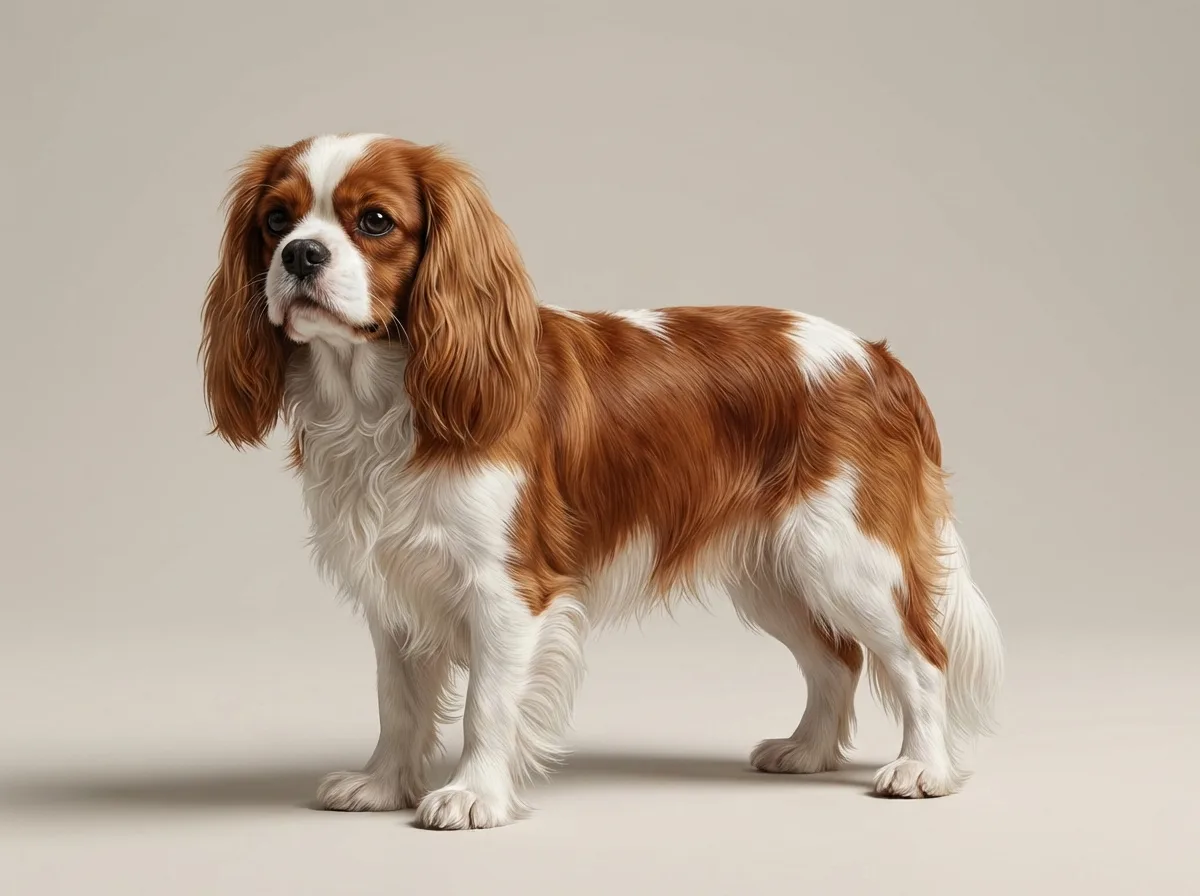
- Cavalier King Charles Spaniel
Frequently Asked Questions
Understanding socialization can lead to better decisions when adding a dog to your family. Here are answers to some common questions.
Steps to Find Dogs Good with Other Dogs
Use this step-by-step guide to choose a dog that will thrive in a multi-dog household. Follow these practical steps to ensure you find a friendly companion for your existing pet.
- 1. Assess Your Current Dog's Temperament
- 2. Research Breeds Known for Sociability
- 3. Visit Local Shelters or Rescues
- 4. Arrange Meet-and-Greets
- 5. Gradually Introduce the New Dog at Home
- 6. Monitor Interactions and Provide Training
- 7. Keep Socialization Regular
Common Mistakes with Dogs Good with Other Dogs
Understanding the common mistakes dog owners make can help ensure a positive experience for both your dog and other dogs. Here are some pitfalls to avoid when you have dogs that are good with other dogs.
- Not Socializing Early Enough
- Assuming All Breeds Are Social
- Ignoring Body Language
- Forcing Interactions
- Neglecting Training
- Failing to Monitor Play
- Overlooking Individual Personalities
Debunking Myths About Dogs Good With Other Dogs
There are many misconceptions about which dogs get along well with other dogs. Understanding the facts can help you choose the right companion for your furry friend.
- Myth: Only certain breeds are friendly with other dogs.
- Myth: Socializing dogs is unnecessary if they are friendly at home.
- Myth: All dogs will get along with each other if they're raised together.
- Myth: Dogs that don't play with others are antisocial.
- Myth: Size determines if dogs can be friends.
Advanced Tips for Choosing Dogs Good with Other Dogs
If you're looking to foster a harmonious multi-dog household, it's essential to consider some advanced strategies. Here are a few tips that go beyond the basics to ensure your dogs get along well and thrive together.
First, consider introducing a second dog of a similar age and energy level. This can help both dogs engage in play and companionship. A young, energetic dog paired with an older, calmer dog may lead to frustration or stress for the older one. It's often beneficial to adopt a breed known for its sociable nature, such as Labradors or Beagles, to enhance compatibility.
Next, focus on structured socialization experiences. Regular visits to dog parks can be great, but start with controlled environments first. Arrange playdates with friends’ dogs who are known to be friendly. This allows you to monitor interactions and gradually increase exposure to unfamiliar dogs. Always supervise these interactions to ensure positive experiences.
Additionally, training is vital. Implement obedience training that emphasizes commands like 'leave it' or 'come' to help manage interactions. This is particularly useful in situations where one dog may become too excited or aggressive. Positive reinforcement will also encourage good behavior when interacting with other dogs.
Lastly, consider the dog's background. Dogs that come from a shelter may have a history that influences their social skills. Understanding their past can help you tailor your approach to their needs. Some may require more time to adjust compared to others who are naturally social. Take the time to work with them gradually, using patience and encouragement.
By applying these advanced tips, you can create a more balanced and friendly environment for your dogs. Remember, every dog is unique, and what works for one may not work for another, so stay flexible in your approach.

Insider Secrets to Choosing Dogs Good with Other Dogs
When it comes to finding dogs good with other dogs, there are several less-known tips that can help you make the best choice. Here are some insider secrets that can guide your decision and foster a harmonious pack life.
- Consider the breed's history as pack animals—some breeds, like the Labrador Retriever and Beagle, thrive in social settings.
- Early socialization is critical; expose your dog to other dogs in a controlled environment as early as possible.
- Not all friendly breeds are naturally social; some may still require training and reinforcement to ensure good behavior around other dogs.
- Watch for energy levels—high-energy breeds may interact differently than calmer breeds, so match energy levels to avoid conflicts.
- Look for signs of stress in your current dog before bringing a new one home; this helps prevent anxiety-related behaviors.
Checklist for Choosing Dogs Good with Other Dogs
Use this checklist to help you find the right dog that will get along with other dogs. It will also guide you on how to socialize your new pet effectively.
- Research breeds known for sociability, like Labrador Retrievers and Beagles.
- Visit dog parks to observe interactions between breeds.
- Consider adopting a dog with a history of being around other dogs.
- Ensure your dog has positive experiences during playdates.
- Gradually introduce your dog to new furry friends in a controlled setting.
- Enroll in socialization classes for puppies or adult dogs.
- Monitor body language during playtime to prevent conflicts.
Frequently asked questions
What are the best dog breeds that are good with other dogs?
Some of the best breeds known for being good with other dogs include Labradors, Beagles, and Golden Retrievers. These breeds are generally friendly, social, and enjoy being part of a pack. Their easygoing nature makes them great companions for other pets. This answer relates to dogs good with other dogs.
How can I socialize my dog with other dogs?
To socialize your dog, start with controlled introductions in a neutral space. Take them to dog parks or arrange playdates with other friendly dogs. Gradually expose them to different breeds and environments to build their confidence and comfort.
Are there dog breeds that hate other dogs?
Yes, some breeds tend to be more territorial or dominant, making them less compatible with other dogs. Breeds like Chihuahuas or some terriers may show aggression towards unfamiliar dogs. It's crucial to understand each dog's personality and socialization needs.
What are social breeds that thrive in multi-dog homes?
Social breeds like Labradors, Beagles, and Boxers are great for multi-dog homes. They are typically friendly and enjoy the company of other dogs. Keeping them engaged with playdates or trips to the dog park can enhance their social skills.
What should I do if my dog doesn't get along with others?
If your dog struggles with other dogs, consider working with a professional trainer. They can help assess your dog's behavior and provide strategies for desensitization. Alternatively, keeping your dog in a controlled environment might be necessary.
What are the best dog breeds for households with other dogs?
Some of the best dog breeds for households with other dogs include Labrador Retrievers, Beagles, and Golden Retrievers. These breeds are often known for their friendly and social nature, making them great companions for existing pets. It's important to consider each dog's personality, as individual temperaments can vary.
How can I help my dog get along with other dogs?
Socializing your dog from a young age is key to helping them get along with other dogs. Gradual introductions at dog parks or playdates can help. Positive reinforcement, like treats and praise, can encourage good behavior during these interactions.
Are certain breeds more prone to aggression towards other dogs?
Yes, some breeds may exhibit more aggressive tendencies. Breeds like Chihuahuas or some terriers can show aggression if not properly socialized. However, a dog's upbringing and training play a significant role in their behavior, so early socialization is crucial.
What should I do if my dog fights with other dogs?
If your dog has aggressive encounters with other dogs, it's best to consult a professional trainer or behaviorist. They can provide guidance on modifying your dog's behavior. Avoid situations that could lead to fights until you have a plan in place.
Can I introduce a new dog to my existing pack?
Introducing a new dog to your existing pack requires careful planning. Start with neutral territory and keep both dogs on leashes. Monitor their interactions closely and allow them to become familiar at their own pace. Gradual introductions can lead to a smoother transition.
What are some signs my dog might not get along with others?
Signs that your dog might not get along with others include growling, barking excessively, or stiff body language. If your dog shows signs of fear or aggression, it's crucial to intervene and separate them from the situation. Understanding your dog's body language can help in these situations.
Are small dogs less likely to get along with larger dogs?
Not necessarily, but small dogs may feel threatened by larger breeds. It's important to supervise interactions and ensure that both dogs are comfortable. Socializing small dogs with larger breeds from a young age can help them coexist peacefully.