Dogs Good with Babies: The Best Family-Friendly Breeds
Looking for a furry friend to join your family? This guide will help you find the best dogs good with babies, ensuring a safe and loving environment for your little ones.
Understanding Dogs Good with Babies
Choosing dogs good with babies is crucial for families expecting a new addition. Bringing a baby into a household with pets can be rewarding but also presents unique challenges. It's essential to find a dog that is gentle, protective, and adaptable to the new dynamics of family life. This guide will help you understand what makes a dog suitable for a household with infants and toddlers, and why this choice matters for your family's well-being.
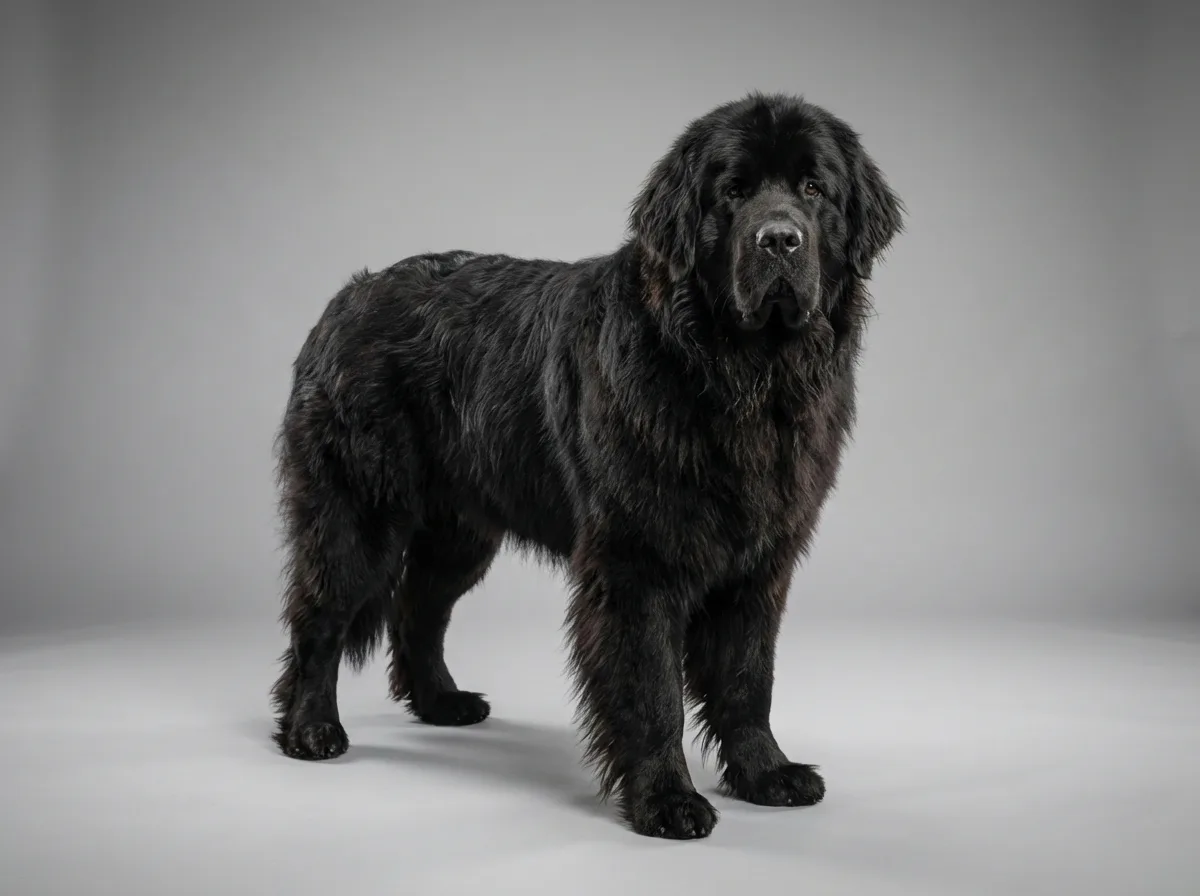
When considering dogs good with babies, you want to look for breeds known as 'nanny dogs.' These breeds typically exhibit calmness, patience, and a natural affinity for children. Gentle protectors like the Newfoundland and Beagle can create a safe environment for your little ones. Choosing the right breed ensures that your dog can coexist peacefully with a baby, reducing the risk of accidents and creating a harmonious home.
It's also vital to prepare your dog for the arrival of a baby. Dogs are sensitive to changes in their environment and routine. Proper preparation, such as gradual introductions and training, can help your dog adjust to the new family member. Understanding the temperament of your dog and how it interacts with infants will go a long way in ensuring safety and comfort for all involved. This guide will cover the traits to look for in a family-friendly pet, ways to prepare your dog for a baby, and tips for maintaining a safe environment.
Ultimately, selecting dogs good with babies is about fostering a loving relationship between your pets and your children. The right dog can provide companionship, teach valuable lessons about empathy, and even help in the developmental process of your child. By taking the time to research and understand what makes a dog suitable for a family with young children, you're setting the stage for a fulfilling and joyful life together. This guide aims to provide you with the insights and tools you need to make informed decisions, ensuring that your family grows together safely and happily.
Step-by-Step Guide to Choosing Dogs Good with Babies
Bringing a dog into a home with a baby takes careful planning. Follow these actionable steps to ensure a safe and happy environment for both. This guide focuses on choosing the right dog, preparing your home, and introducing your baby to your new furry family member.
- 1. Research Suitable Breeds: Start by looking into breeds known for being gentle and family-friendly, like Newfoundlands, Beagles, and Boxers. These dogs are often referred to as 'nanny dogs' because of their protective nature.
- 2. Assess Your Lifestyle: Consider your daily routine and how a dog will fit in. Make sure you have the time and energy to care for a dog while also managing the needs of a newborn.
- 3. Visit a Shelter or Breeder: Once you have a few breeds in mind, visit local shelters or reputable breeders. Meeting the dogs in person can help you gauge their temperament and suitability for your family.
- 4. Check Health and Temperament: Look for signs of a well-socialized dog. Health checks are essential to ensure the dog is free from any conditions that might affect their behavior around babies.
- 5. Prepare Your Home: Before bringing the dog home, baby-proof your space. Create a safe zone for the dog with their bed, toys, and food, separate from baby areas.
- 6. Gradual Introduction: Introduce your baby to the dog slowly. Allow them to observe each other from a distance at first, then gradually bring them closer while maintaining a calm environment.
- 7. Supervise Interactions: Always supervise interactions between your dog and baby. This is crucial in the early stages to ensure both feel safe and secure.
- 8. Teach Gentle Behavior: Train your dog to be gentle around your baby. Use positive reinforcement to reward calm behavior and discourage any jumping or rough play.
- 9. Monitor Changes: After the initial introduction, monitor how the dog adjusts to having a baby in the house. Look for signs of stress or jealousy and address them promptly.
- 10. Create a Routine: Establish a consistent routine that includes both dog care and baby care. Dogs thrive on predictability, which will help them adjust to the new family dynamic.
Common Mistakes When Choosing Dogs Good with Babies
Selecting a dog that will be safe and gentle around babies involves careful consideration. Here are some common mistakes owners make that can lead to problems.
- Not researching breed temperaments thoroughly
- Underestimating the dog's energy level
- Ignoring signs of anxiety or stress in the dog
- Failing to socialize the dog properly
- Not preparing the home environment for the dog and baby
- Choosing a dog based solely on appearance
- Neglecting ongoing training and supervision
Debunking Myths About Dogs Good With Babies
There are many misconceptions about having dogs when you have a baby. Let's clear up some of the most common myths and present the facts.
- Myth: All dogs are dangerous around babies.
- Myth: You should get rid of your dog before having a baby.
- Myth: Only certain breeds can be trusted with infants.
- Myth: Dogs will get jealous and harm the baby.
- Myth: Training isn't necessary for a dog to be good with babies.
Advanced Tips for Choosing Dogs Good with Babies
Here are some advanced tips to consider when selecting dogs that are good with babies. These insights will help you make an informed decision and ensure a harmonious home environment.
- Evaluate the dog's temperament: Look for breeds known for their calm, gentle nature, such as Newfoundlands or Beagles. These qualities can help ensure that the dog is patient with a baby’s unpredictable behavior.
- Introduce the dog to baby items: Before the baby arrives, expose your dog to baby sounds, toys, and even the scent of baby lotion. This helps the dog become familiar with the new environment, reducing anxiety and curiosity when the baby arrives.
- Supervise interactions: Always supervise any interaction between the dog and baby. Even gentle breeds can react unpredictably if startled. This will allow you to step in quickly if necessary and reinforce positive behavior.
- Train basic commands: Teach your dog basic commands like 'sit', 'stay', and 'gentle'. This training can be invaluable for managing the dog’s behavior around the baby and ensuring safety during playtime.
- Consider breed characteristics: Research breeds that have a history of being gentle protectors or nanny dogs. Breeds like Boxers are known for their loyalty and protective instincts, making them good companions for families.
Insider Secrets for Choosing Dogs Good with Babies
When it comes to selecting dogs good with babies, there are some lesser-known insights that can help make your decision smoother. Here are a few expert tips to consider.
- Look for breeds with a nurturing instinct: Some dogs, like Newfoundlands, are known as 'nanny dogs' due to their protective nature and gentleness with children.
- Consider the dog's energy level: A calmer breed is often better for families with infants. High-energy dogs may inadvertently cause chaos, which can stress both the baby and the parents.
- Early socialization is key: Dogs that are well-socialized with children from a young age tend to be more adaptable and comfortable around babies.
- Training is essential: Basic obedience training can help ensure that any dog behaves appropriately around infants, reducing the risk of accidents.
- Monitor interactions closely: Even the gentlest dogs can be unpredictable. Always supervise interactions between your dog and your baby to ensure safety.
Checklist for Choosing Dogs Good with Babies
Use this checklist to find the best dogs that can safely coexist with babies. Follow these practical steps to ensure a smooth introduction between your dog and your little one.
- Research family-friendly dog breeds known for their gentle temperament.
- Consider nanny dogs like Newfoundlands or Beagles that are naturally protective and affectionate.
- Assess your dog's current behavior and temperament around children or infants.
- Ensure your dog is well-trained and responds to commands, especially in stressful situations.
- Introduce your dog to baby sounds and smells gradually before the baby arrives.
- Create a safe space for both the dog and the baby to play and relax.
- Supervise all interactions closely to ensure safety for both the dog and the baby.
- Teach your child how to interact gently with the dog as they grow older.
- Consult with a vet or a professional trainer about any specific concerns.
- Be patient and give your dog time to adjust to the new family member.
Frequently asked questions
What is the best dog for a newborn?
Some of the best dogs for newborns include gentle breeds like Newfoundlands and Beagles. These dogs are known for their calm demeanor and patience around infants. Always supervise interactions to ensure safety.
Are dogs safe with babies?
Yes, many dogs can be safe with babies, especially if they are well-trained and socialized. It's important to choose a breed known for being gentle and protective, like Boxers or Nanny dogs. Always supervise your dog and baby together.
Preparation for baby and dog
Preparing your dog for a new baby involves training and gradual introductions. Start by familiarizing your dog with baby sounds and scents. Create a safe space for your dog where they can retreat when they need a break.
How do I introduce my dog to my baby?
Introduce your dog to your baby gradually. Start by letting your dog sniff a blanket or item with the baby’s scent before the first meeting. When they meet, keep the dog on a leash and reward calm behavior.
What breeds are considered nanny dogs?
Nanny dogs are breeds known for their protective and gentle nature, making them ideal for families with children. Breeds like the Newfoundland and Boxer fall into this category because they are affectionate and patient.
What are some traits of dogs good with babies?
Dogs that are good with babies often have calm temperaments and gentle personalities. They tend to be patient, protective, and social. Breeds like Newfoundlands and Beagles are known for their nurturing nature.
How can I prepare my dog for a new baby?
Preparing your dog for a new baby involves gradual introductions to baby sounds and smells. You can also create a designated space for your dog to retreat to when they need a break. Positive reinforcement can help your dog associate the new baby with good experiences.
Are there specific breeds that are known as 'nanny dogs'?
Yes, breeds like the Newfoundland, Boxer, and Cavalier King Charles Spaniel are often referred to as 'nanny dogs' due to their affectionate and protective nature towards children. These breeds typically have a strong instinct to care for and watch over little ones.
What should I do if my dog shows jealousy towards the baby?
If your dog shows signs of jealousy, it’s important to give them attention and reassurance. Ensure they have their own space and establish a routine that includes both the dog and baby. Gradually include your dog in baby-related activities to promote bonding.
Can any dog be trained to be good with babies?
While many dogs can be trained to be good with babies, some breeds naturally have more suitable temperaments. Socialization, training, and consistent supervision are key. However, extremely high-energy or aggressive breeds may not be the best fit.
How do I introduce my dog to my newborn safely?
Introducing your dog to a newborn should be done slowly and carefully. Start by letting your dog sniff items that belong to the baby before the introduction. When you finally meet, keep the dog on a leash and allow them to approach the baby at their own pace.
Are there any health concerns to consider for dogs around babies?
Yes, it's important to ensure your dog's vaccinations are up to date to protect both the dog and the baby. Additionally, if your dog has a history of anxiety or aggression, it’s best to consult a vet or a professional trainer for advice before bringing the baby home.