Dogs Good for Autism: Supportive Companions for All
This guide explores the best dogs good for autism, highlighting their benefits and how they can provide sensory support and companionship.
Why Dogs Are Good for Autism
Dogs can provide incredible support for individuals with autism. They offer companionship, emotional stability, and even sensory support. Understanding how specific dog breeds can help those with autism is essential for making informed decisions about choosing the right pet.
When we talk about dogs good for autism, we're referring to breeds that are calm, friendly, and eager to learn. These dogs can serve various roles, from therapy pets to autism service dogs. Each role provides different levels of support, which can be crucial in managing daily challenges faced by individuals on the autism spectrum.
The presence of a dog can help ease anxiety and promote social interaction. Many dogs instinctively sense when their owners are feeling overwhelmed and can provide comfort in those moments. For example, a calm dog for autism can help ground a person during sensory overload, offering a soothing presence that can be incredibly beneficial.
Moreover, the bond between a dog and their owner can foster a sense of responsibility and routine, which are often helpful for individuals with autism. Caring for a dog can encourage daily structure, leading to improvements in self-care and emotional regulation. This is particularly valuable for autistic children and adults who may struggle with routine and organization in their lives.
In this guide, we will explore how to choose the right dog, the benefits of having a dog for autism, and the training required to prepare a dog for this important role. We’ll also dive into specific breeds that are known to excel as autism service dogs and sensory support dogs. By understanding the unique needs of individuals with autism, we can better appreciate how dogs can fill essential roles in their lives.
The social aspect is also significant. Having a dog can create opportunities for social interaction, whether through walks in the park or participating in training classes. This can help individuals with autism develop social skills and build connections with others.
In summary, the right dog can positively impact the lives of those with autism in many ways. From being a loyal companion to serving as a calming presence, dogs can significantly enhance emotional well-being and social engagement. By focusing on breeds known for their supportive qualities, we can make informed choices that lead to happier, healthier lives for individuals on the autism spectrum.
Step-by-Step Plan for Choosing Dogs Good for Autism
Selecting a dog that can provide support for autism is an important decision. Here’s a simple step-by-step plan to help you find the right dog for your needs.

- Step 1: Research Breeds
- Step 2: Assess Your Lifestyle
- Step 3: Visit Local Shelters
- Step 4: Consider Training Options
- Step 5: Meet Potential Dogs
- Step 6: Evaluate Compatibility
Common Mistakes When Choosing Dogs Good for Autism
Selecting a dog to support someone with autism can be challenging. Here are some common mistakes that new owners often make, along with why they can backfire.

- Choosing the wrong breed
- Underestimating training needs
- Neglecting socialization
- Failing to assess allergies
- Ignoring lifestyle compatibility
- Overlooking individual temperament
Common Myths About Dogs Good for Autism
There are several myths surrounding dogs that are good for autism. Understanding these myths and the facts behind them can help you make informed decisions. Let's debunk some of the most common misconceptions.

- Myth: Any dog can be a therapy dog for autism.
- Myth: Dogs for autism are only for children.
- Myth: All dogs provide the same level of support.
- Myth: Training a service dog is easy and quick.
Advanced Tips for Choosing Dogs Good for Autism
Finding the right dog for someone with autism goes beyond just picking a breed. Here are some advanced tips to ensure a successful match. Start by considering the specific needs of the individual. Are they seeking a calming presence, or do they need an active companion? Understanding these preferences is key.
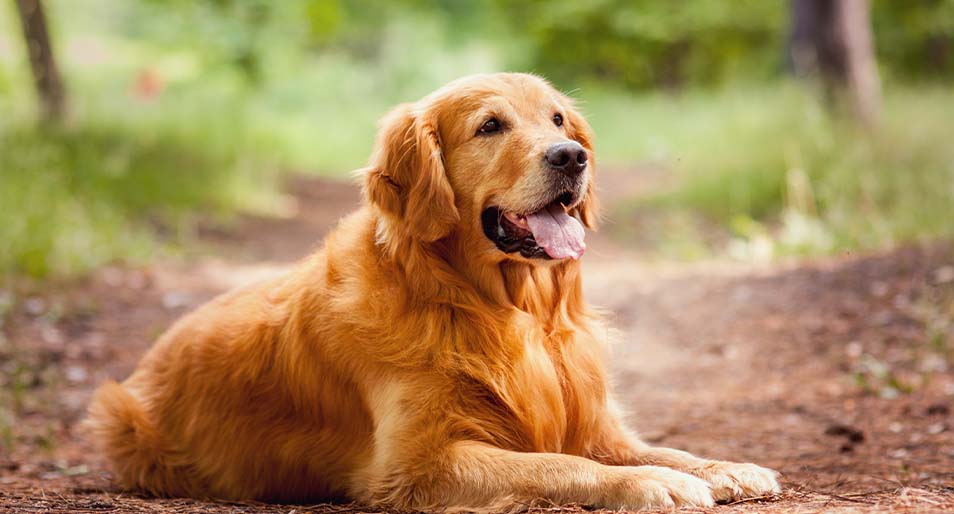
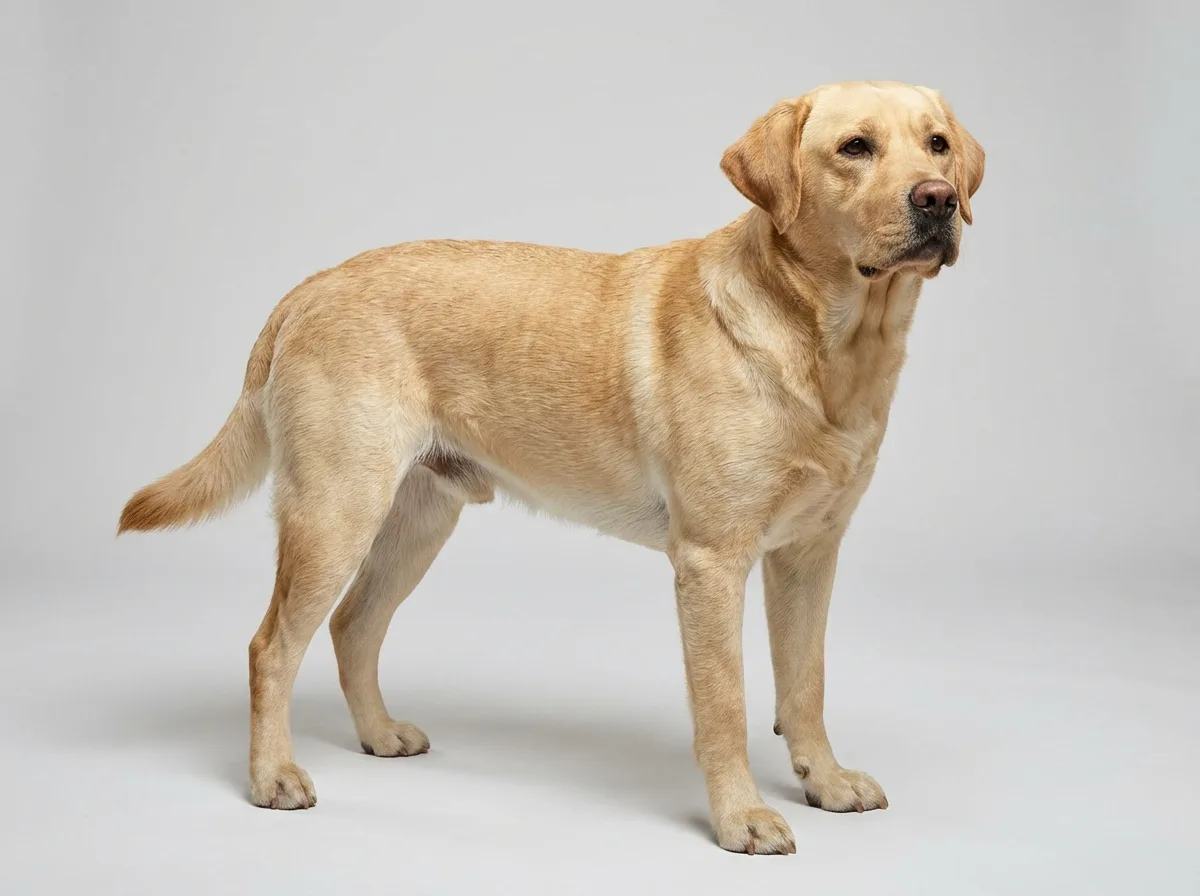
Next, think about temperament. Dogs that are naturally calm and friendly, like Golden Retrievers and Labradors, can excel as autism service dogs. They are known for their gentle nature, making them ideal for sensory support. However, each dog's personality is unique. Spend time with potential dogs before making a decision to see how they interact with the person they will support.
Training is another critical factor. While many breeds can be trained for service work, consistency is essential. Engage a professional trainer who specializes in autism service dogs to ensure the dog learns the right behaviors. It's also beneficial to involve the individual in training sessions. This helps build a bond between the dog and the person, enhancing their connection.
Consider the dog's age. Puppies can be adorable but require substantial time and energy to train. An older, well-trained dog may offer immediate companionship and support. Assess your lifestyle to determine if you can handle the demands of raising a puppy or if an adult dog would be a better fit.
Lastly, think about ongoing support. Connecting with organizations that specialize in autism service dogs can provide resources and community support. They can guide you in selecting a dog and training, plus offer valuable insights on how to maintain a positive relationship between the dog and the individual.
Insider Secrets for Choosing Dogs Good for Autism
Finding the right dog for autism can be a life-changing decision. Here are some insider secrets to help you choose the best furry friend for sensory support and companionship.
- 1. Look Beyond Breeds: While some breeds, like Labradors and Golden Retrievers, are popular for their calm demeanor, temperament can vary widely within a breed. Meet individual dogs to find one that connects with you and your needs.
- 2. Early Socialization is Key: Dogs that are well-socialized from a young age are better equipped to handle sensory overload and can be more adaptable. Enroll your new pup in classes to expose them to different environments and people.
- 3. Consider a Dual Role: Some dogs can be trained to serve as both therapy and service animals. This can provide additional support, especially for individuals who may need help in various situations.
- 4. Assess Your Living Environment: The best dog for autism will depend on your living situation. A calm dog may be better for smaller spaces, while a more active breed might suit a home with a yard.
- 5. Focus on Training Techniques: Positive reinforcement training works wonders. Techniques such as clicker training can build a strong bond between you and your dog, making them more responsive to your needs.
Checklist for Choosing Dogs Good for Autism
Use this checklist to find the right dog for autism support. These steps can guide you through the selection process and ensure you choose a dog that will be a great companion.
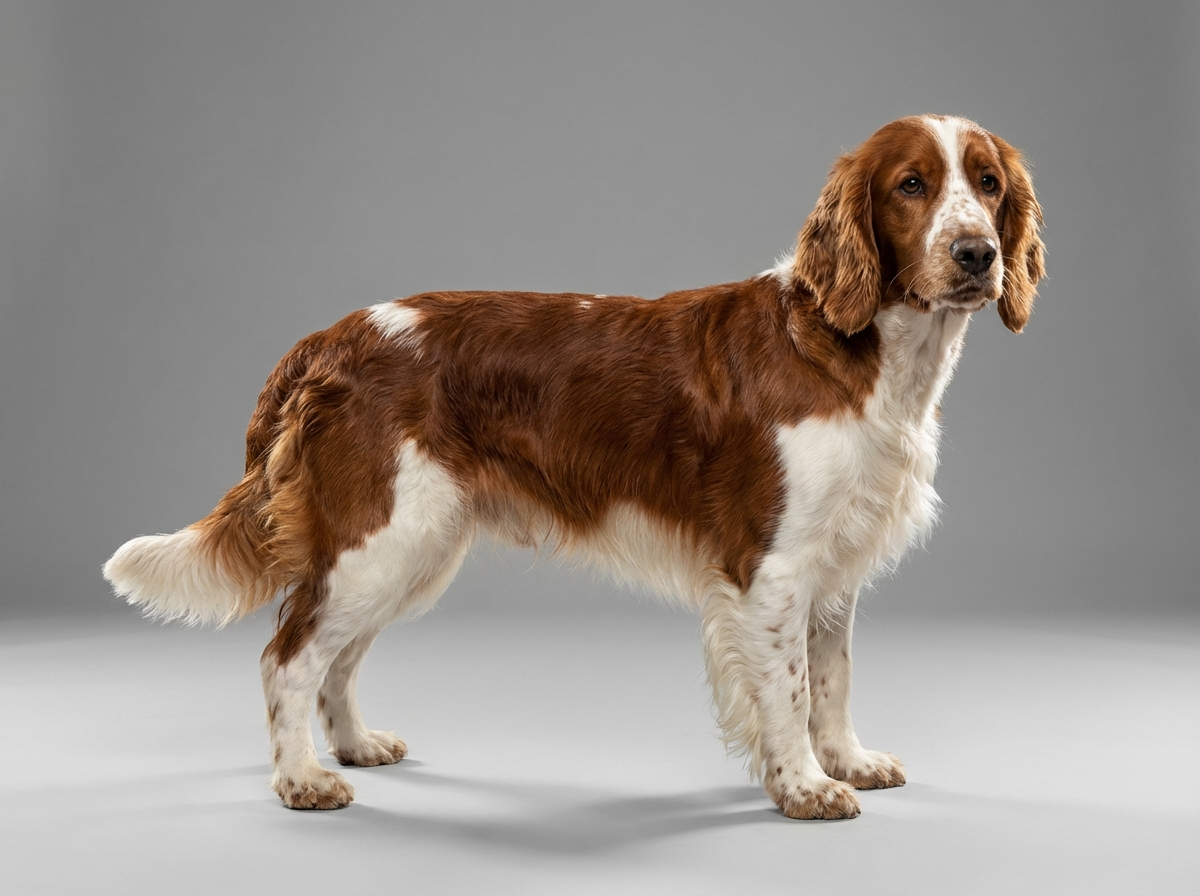
- Research breeds known for calmness and support, like Labrador Retrievers, Golden Retrievers, or Collies.
- Consider your living situation and whether you have enough space for a dog.
- Assess your daily routine to determine the time you can dedicate to a dog.
- Evaluate your budget for the initial purchase and ongoing costs, including food, vet care, and training.
- Explore options for autism service dogs or sensory support dogs that are specifically trained for support.
- Visit local shelters or breeders to interact with potential dogs.
- Ask about training programs that specialize in therapy pets for autism.
- Consult with experts or professionals in canine therapy to get recommendations.
- Plan for a trial period to see how the dog integrates into your home.
- Prepare your home by dog-proofing and creating a safe space for the new pet.
Frequently asked questions
What are the best dogs good for autism?
Some of the best dogs good for autism include Labrador Retrievers, Golden Retrievers, and Collies. These breeds are known for their gentle nature and strong bond with humans. They can provide emotional support and companionship.
How can autism service dogs help?
Autism service dogs can help create a sense of safety and comfort for individuals with autism. They can assist in managing anxiety, provide sensory support, and even help with social interactions. Their calming presence often makes daily activities easier.
What are the benefits of dogs for autism?
Dogs can offer numerous benefits for individuals with autism, such as companionship, reduced anxiety, and improved social skills. They can also serve as a calming influence during stressful situations, which is often crucial for those on the spectrum.
What is involved in training a dog for autism?
Training a dog for autism typically involves basic obedience training, socialization, and specific tasks that assist the individual. This can include teaching the dog to provide physical support or alert the owner to sensory overload. Professional trainers often specialize in this type of training.
Are therapy pets suitable for autistic adults?
Yes, therapy pets can be very suitable for autistic adults. They can provide emotional support, companionship, and help improve social interactions. The right pet can make a significant difference in their quality of life.
What are the best dog breeds for autistic individuals?
Some of the best dog breeds for autism include Labrador Retrievers, Golden Retrievers, and Collies. These breeds are known for their friendly and calm demeanor, making them great companions. They can also assist with emotional support and sensory needs.
How can therapy pets help with autism?
Therapy pets can provide emotional support and companionship for individuals with autism. They help reduce anxiety, improve social interactions, and offer sensory comfort. Their presence can create a calming environment, which is essential for someone with sensory sensitivities.
What training is required for a dog to support someone with autism?
Training a dog for autism typically involves basic obedience training, socialization, and specific tasks tailored to the individual's needs. This can include teaching the dog to provide comfort during sensory overload or to alert to anxiety. Professional trainers who specialize in service dogs can be very helpful in this process.
Are there any specific traits to look for in a dog for autism support?
When choosing a dog for autism support, look for traits like calmness, gentleness, and a friendly disposition. A dog that is naturally attentive and responsive can better meet the emotional needs of the individual. It's also important to consider the dog's energy level and how it fits with the lifestyle of the person they will support.
Can any dog breed be trained as an autism service dog?
While many breeds can be trained as autism service dogs, some are more suitable than others. Breeds like Labradors and Golden Retrievers are often preferred due to their temperament and trainability. However, individual personality and behavior are more important than breed, so it's crucial to assess each dog on a case-by-case basis.
What are the benefits of having a dog for a child with autism?
Having a dog can offer numerous benefits for a child with autism, including improved emotional regulation, increased social interaction, and a sense of companionship. Dogs can provide comfort during stressful situations, helping to ease anxiety. Additionally, caring for a pet can help promote responsibility and routine.
How can I find a sensory support dog for my family?
To find a sensory support dog, start by researching local organizations that specialize in training and placing service dogs. You can also look into therapy dog programs that focus on autism support. It’s important to meet potential dogs and assess their compatibility with your family’s needs and environment.