Discover the Best Calm Dog Breeds for Your Family
Looking for a dog that brings peace to your home? This guide will help you find calm dog breeds that are gentle, quiet, and perfect for relaxed living.
Understanding Calm Dog Breeds
Choosing a dog is a big decision, especially if you're looking for a calm companion. Calm dog breeds can provide a soothing presence in your home, making them great for families, individuals, or those living in busy environments. These dogs are often gentle, relaxed, and low anxiety, which can significantly enhance your living experience. This guide dives into what calm dog breeds are and why they might be the perfect fit for you.
Why Calm Dogs Matter
Understanding the characteristics of calm dog breeds is essential for selecting the right pet. These dogs tend to be quieter and less energetic, making them ideal for apartments or homes with limited space. Additionally, relaxed breeds are often great for families with children, as they bring a sense of peace and stability. This can help prevent anxiety in both pets and owners, creating a harmonious living environment.
What Are Calm Dog Breeds?
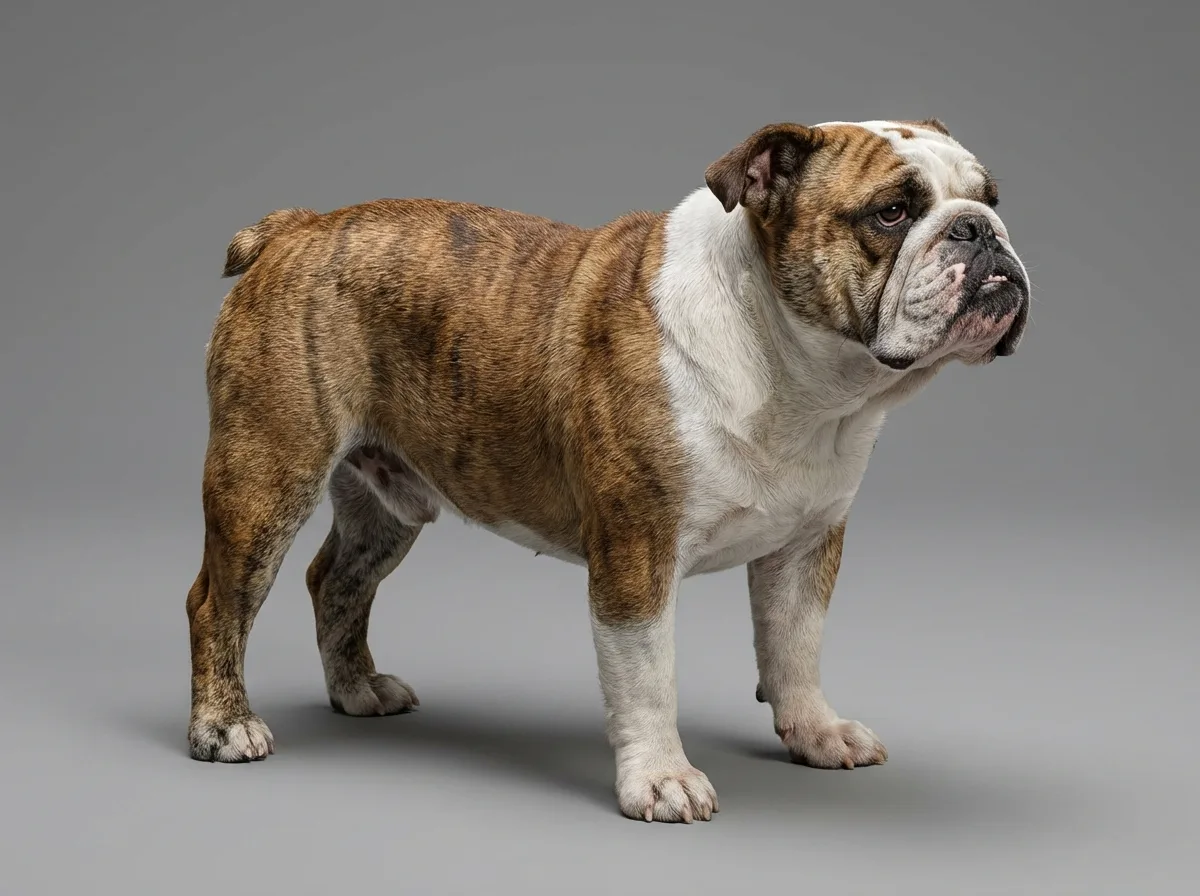
Calm dog breeds include various species known for their laid-back nature. Breeds like the Greyhound, Basset Hound, and Bulldog are often recognized for their easy-going demeanor. While every dog is unique, these breeds generally require less exercise compared to more energetic ones. Their relaxed temperament makes them suitable for those who may not have the time or energy to engage in high-energy activities.
How to Find Your Perfect Calm Dog
When looking for calm dog breeds, consider your lifestyle and living situation. Research breeds known for their gentle nature, and visit local shelters or breeders. Ask questions about the dog's history and temperament to ensure a good match. You can also consult with dog trainers or behaviorists to understand which breeds align with your need for a calm pet.
Frequently Asked Questions
Here are some common questions about calm dog breeds.
- What is the easiest calm dog?
- Dogs that don't bark or run?
- Best calm dog for kids
How to Choose Calm Dog Breeds
Choosing the right calm dog breeds can lead to a happier home. Follow these steps to find a relaxed pet that fits your lifestyle. This guide will help you take practical actions to find a gentle companion this week.
- 1. Assess Your Lifestyle: Take a moment to consider your daily routine. Think about how much time you can dedicate to exercising and training a dog. Calm breeds often thrive in quieter environments.
- 2. Research Breeds: Look into specific calm dog breeds like Greyhounds, Basset Hounds, and Bulldogs. Each breed has unique characteristics, so familiarize yourself with their temperaments and needs.
- 3. Visit Local Shelters: Check out local shelters or rescue groups. Many calm dogs are in need of homes. Spend time with different breeds to see which one resonates with you.
- 4. Consider Size and Space: Think about your living space. Larger breeds may need more room to relax, while smaller breeds may fit well in apartments. Ensure your home is suitable for the breed you choose.
- 5. Talk to Owners: Connect with current dog owners. They can provide insights about their calm dogs, including challenges and joys. This firsthand experience can be invaluable in your decision-making.
- 6. Evaluate Your Family: Consider the members of your household. If you have kids or other pets, ensure the calm dog breed you choose is good with them. Look for breeds known for their gentle nature.
- 7. Prepare Your Home: Once you've chosen a breed, get your home ready. Purchase necessary supplies like food, bowls, and a cozy bed. Create a calm space where your new dog can feel at home.
- 8. Training and Socialization: Plan for training sessions to reinforce calm behavior. Socialize your dog with other animals and people to help them adapt to their new environment. This will also reduce anxiety.
- 9. Monitor Behavior: After bringing your dog home, keep an eye on their behavior. If your dog shows signs of anxiety or stress, consult a vet or a dog trainer for guidance.
- 10. Enjoy Your New Companion: Finally, take time to bond with your new calm dog. Enjoy walks, cuddles, and playtime. A relaxed pet can bring joy and peace to your life.
Common Mistakes When Choosing Calm Dog Breeds
Selecting the right calm dog breed can be tricky. Many first-time owners make common mistakes that can lead to frustration and disappointment. Here are some of the most frequent missteps and their consequences.
- Ignoring Energy Levels: Many owners assume all calm breeds have low energy. This can lead to boredom for the dog and destructive behavior if their actual energy needs aren't met.
- Neglecting Socialization: Even calm dogs need proper socialization. Failing to expose them to various people and environments can result in anxiety and fearfulness later on.
- Overlooking Training Needs: Just because a breed is known for being calm doesn't mean they don't require training. Skipping basic obedience can lead to behavioral issues down the line.
- Choosing Based on Looks Alone: Selecting a breed solely for its appearance without considering temperament can backfire. A beautiful dog may not fit your lifestyle if it has high energy or anxiety levels.
- Underestimating Lifelong Commitment: New owners sometimes underestimate the long-term commitment of owning a dog. Calm breeds need love and care throughout their lives, not just in their puppy years.
- Ignoring Health Considerations: Some calm breeds are prone to health issues. Not researching these can lead to unexpected vet bills and heartache later on.
- Expecting Instant Calmness: Many people expect their calm dog to be perfect immediately. However, adjustment takes time, and unrealistic expectations can create frustration.
Common Myths About Calm Dog Breeds
Many people have misconceptions about calm dog breeds. Let's debunk some of the most common myths and reveal the facts behind them.
- Myth: All calm dog breeds are lazy.
- Myth: Calm dogs don't need exercise.
- Myth: Calm dogs are always quiet.
- Myth: Calm breeds are not good for active families.
- Myth: Only certain breeds can be calm.
Advanced Tips for Choosing Calm Dog Breeds
While selecting calm dog breeds is a great start, there are advanced strategies to ensure you find the perfect fit for your lifestyle. Here are some tips to help you go beyond the basics and make a more informed decision.
Evaluate Your Environment
Before choosing a calm dog breed, think about your living space. If you live in a small apartment, quieter breeds like the Greyhound or Bulldog may be ideal. On the other hand, if you have a large house with a yard, consider how much space you have for play and exercise.
Research Specific Breeds
Not all calm dog breeds are created equal. For instance, Basset Hounds are known for their relaxed demeanor, but they can also be stubborn. Understand the nuances of each breed's temperament and needs to find the best match for your lifestyle.
Utilize Training Resources
Training is crucial for fostering calm behavior in dogs. Look for online courses or books that focus on positive reinforcement techniques. These resources can help teach your dog to be relaxed and well-behaved, making them a joy to have around.
Engage with Dog Communities
Connect with local dog groups or online communities. Engaging with experienced dog owners can provide valuable insights into different breeds and their calmness levels. They can share firsthand experiences and tips that can help you make an informed choice.
Insider Secrets for Choosing Calm Dog Breeds
Finding the right calm dog breed involves more than just picking from a list. Here are some insider secrets that can help you make a more informed choice.
- Consider the dog's background: Dogs with a stable history often exhibit calmer behavior. Adoption centers can provide insight into a dog's past.
- Environment matters: A calm dog in a stressed environment may not thrive. Ensure your home is suitable for a relaxed pet.
- Training is key: Early training and socialization can help even energetic breeds become calm. Look for positive reinforcement methods.
- Health impacts behavior: Regular vet check-ups are crucial. Dogs in pain or discomfort can exhibit anxiety or hyperactivity.
- Know the breed's tendencies: Some breeds are naturally more relaxed than others. Researching breed traits can guide you in choosing low anxiety dogs.
Checklist for Choosing Calm Dog Breeds
Use this checklist to help you find the perfect calm dog breed for your home. It includes key factors to consider, plus the benefits and drawbacks of relaxed breeds.
- Research breeds known for calm temperaments.
- Consider your living situation: space, noise level, and activity.
- Evaluate your family dynamics, including children and other pets.
- Look for low-energy breeds that suit your lifestyle.
- Plan for consistent training to reinforce calm behaviors.
- Be aware of the dog's health needs and grooming requirements.
Frequently asked questions
What is the easiest calm dog?
The easiest calm dog can vary for each person, but breeds like the Basset Hound and Bulldog are often cited. These breeds are known for their relaxed nature and friendly demeanor, making them great companions for families and individuals alike. If you're looking for a laid-back friend, these breeds could be a perfect fit.
Dogs that don't bark or run?
If you're seeking dogs that are less vocal and more relaxed, consider breeds like the Greyhound or Cavalier King Charles Spaniel. These dogs are generally quieter and enjoy lounging around rather than running excessively. They can be ideal for apartment living or quieter households.
Best calm dog for kids?
For families with children, gentle breeds like the Bulldog or Labrador Retriever are often recommended. Both breeds are known for their patience and playful yet calm demeanor, making them excellent companions for kids. They can handle a bit of rough play but also appreciate a relaxing cuddle.
What are the most relaxed dog breeds?
Some of the most relaxed dog breeds include the Basset Hound, Bulldog, and Greyhound. These dogs typically exhibit low energy levels and enjoy spending time lounging. If you want a pet that doesn't require a lot of exercise, these breeds are worth considering.
How do I choose a calm dog breed?
Choosing a calm dog breed involves considering your lifestyle, living space, and personal preferences. Look for breeds known for their relaxed temperament, such as the Greyhound or Basset Hound. Additionally, spending time with the breed can help you determine if they match your energy levels.
What are some characteristics of calm dog breeds?
Calm dog breeds typically have a gentle demeanor and lower energy levels. They are often patient, relaxed, and less prone to anxiety. These traits make them great companions for families or individuals looking for a peaceful pet.
Are there calm dog breeds that are good with children?
Yes, many calm dog breeds are excellent with kids. Breeds like the Basset Hound and Bulldog are known for their gentle nature and patience around children. It's always important to supervise interactions and ensure the dog is comfortable.
Can calm dog breeds adapt to apartment living?
Absolutely! Many calm dog breeds thrive in apartment settings due to their low energy levels. Breeds such as Greyhounds are surprisingly adaptable and enjoy lounging around, making them ideal for smaller living spaces.
What is the easiest calm dog to train?
The easiest calm dog to train often depends on the individual dog's personality. However, breeds like the Bulldog are known for being eager to please and generally respond well to training. Consistent, positive reinforcement methods work best with these gentle pets.
Do calm dog breeds require a lot of exercise?
Calm dog breeds usually need less exercise compared to more energetic breeds. A couple of short walks and some playtime each day are often sufficient. Always consider the individual dog's needs and adjust exercise accordingly.
Are there calm breeds that don't bark much?
Yes, some calm dog breeds are known to be quieter. Breeds like the Basset Hound tend to bark less frequently, making them suitable for quieter homes. However, every dog is unique, and individual behavior can vary.