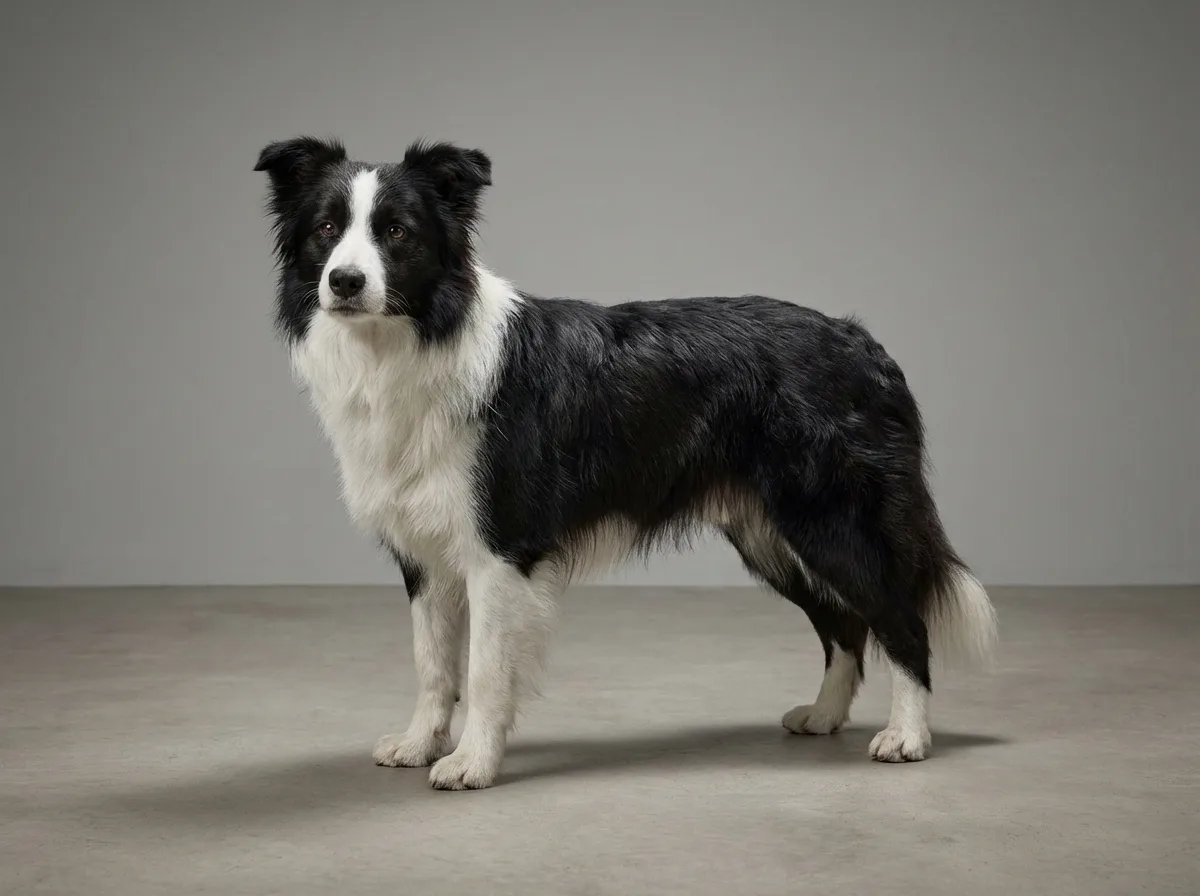
The Best Working Dogs: Find Your Perfect Partner
This guide will help you find the best working dogs suited for various jobs, from service roles to farm work.
This guide is perfect for dog lovers, potential owners, and anyone interested in working dogs. Whether you're experienced with dogs or new to pet ownership, you'll find valuable insights here. It's especially useful for those with active lifestyles or specific needs for assistance or work-related tasks.
Choosing the right working dog is crucial for both the owner and the dog. Many people misunderstand what it takes to care for active working breeds. Knowing the traits and needs of these dogs can prevent mismatches and ensure a fulfilling partnership.
Step-by-Step Plan for Choosing the Best Working Dogs

- 1. Assess Your Needs: Determine what tasks you need the dog to perform. Are you looking for a service dog, a farm dog, or an active companion? Knowing this will guide your decision.
- 2. Research Breeds: Look into various breeds known for their working abilities. Breeds like Border Collies, German Shepherds, and Huskies are popular choices. Focus on their traits, energy levels, and suitability for your lifestyle.
- 3. Evaluate Your Environment: Consider your living situation, including space and activity level. If you live in an apartment, a less active breed might be better. For rural areas, farm dogs could thrive.
- 4. Meet the Breeds: Visit local shelters, breeders, or breed-specific events. Interacting with different breeds will help you see their personalities and energy levels in person.
- 5. Check for Compatibility: Spend time with potential candidates. Observe how they react to your family, pets, and lifestyle. This will help ensure a good fit.
- 6. Consider Training Needs: Be aware that working dogs often require training. Look for breeds that are eager to learn and trainable, as this will make the process smoother.
- 7. Evaluate Costs: Factor in the costs associated with owning a working dog, including food, training, and healthcare. Some breeds may have higher maintenance costs than others.
- 8. Make a Decision: After researching and meeting different breeds, choose the one that feels right for you. Trust your instincts and the compatibility you've observed.
- 9. Prepare for Arrival: Once you've chosen a dog, prepare your home with necessary supplies, like food, bedding, and training tools. This will help your new friend settle in comfortably.
- 10. Start Training: Begin training as soon as you bring your dog home. Establish routines and commands to help your working dog learn their role effectively.
Why this helps
- ✓ Helps you identify the most suitable breed for your needs.
- ✓ Encourages interaction with various breeds before making a decision.
- ✓ Provides a structured approach to the selection process.
Watch out for
- ! May require time and effort to visit shelters or breeders.
- ! Some breeds may have specific training needs.
- ! Costs can vary widely depending on the breed and individual dog.
Common Mistakes with Best Working Dogs

- Not matching the dog's job to its breed characteristics
- Neglecting proper training and socialization
- Failing to provide enough exercise and mental stimulation
- Ignoring health and wellness needs
- Underestimating the time commitment required
- Choosing a breed based solely on appearance
Myths vs. Facts About the Best Working Dogs

- Myth: All working dogs are aggressive.
- Fact: Working dogs can be friendly and gentle.
- Myth: Only large breeds can be working dogs.
- Fact: Many small breeds excel in working roles.
- Myth: Working dogs don't need training.
- Fact: Training is crucial for all working dogs.
Why this helps
- ✓ Debunking myths helps potential owners make informed choices.
- ✓ Understanding breed capabilities can lead to better matches.
- ✓ Promotes a positive image of working dogs.
Watch out for
- ! Some myths persist despite evidence to the contrary.
- ! Misunderstandings can lead to poor choices in dog ownership.
Advanced Tips for Choosing the Best Working Dogs
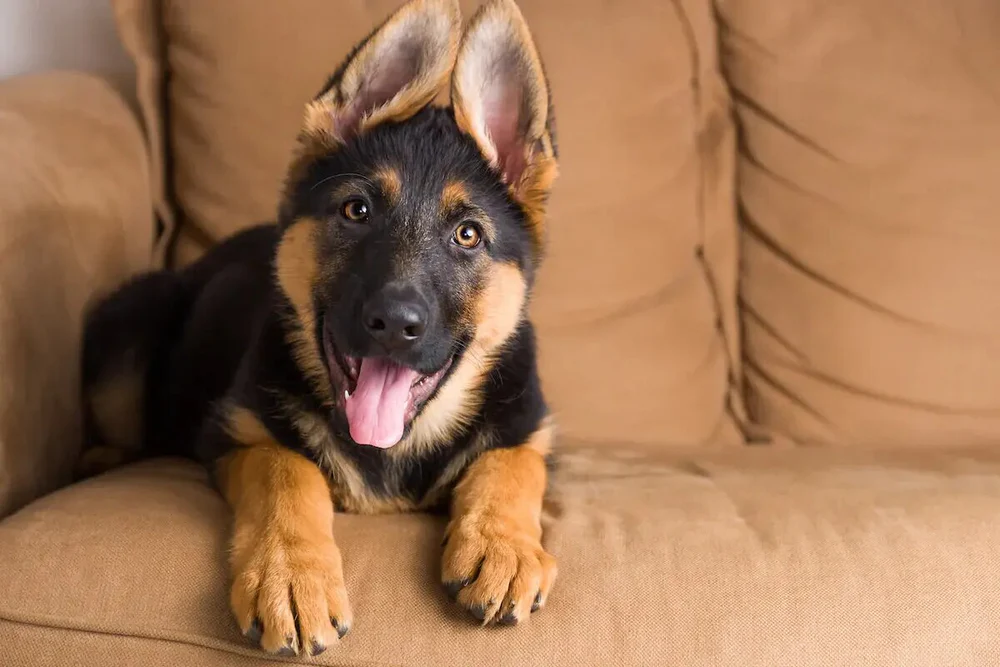
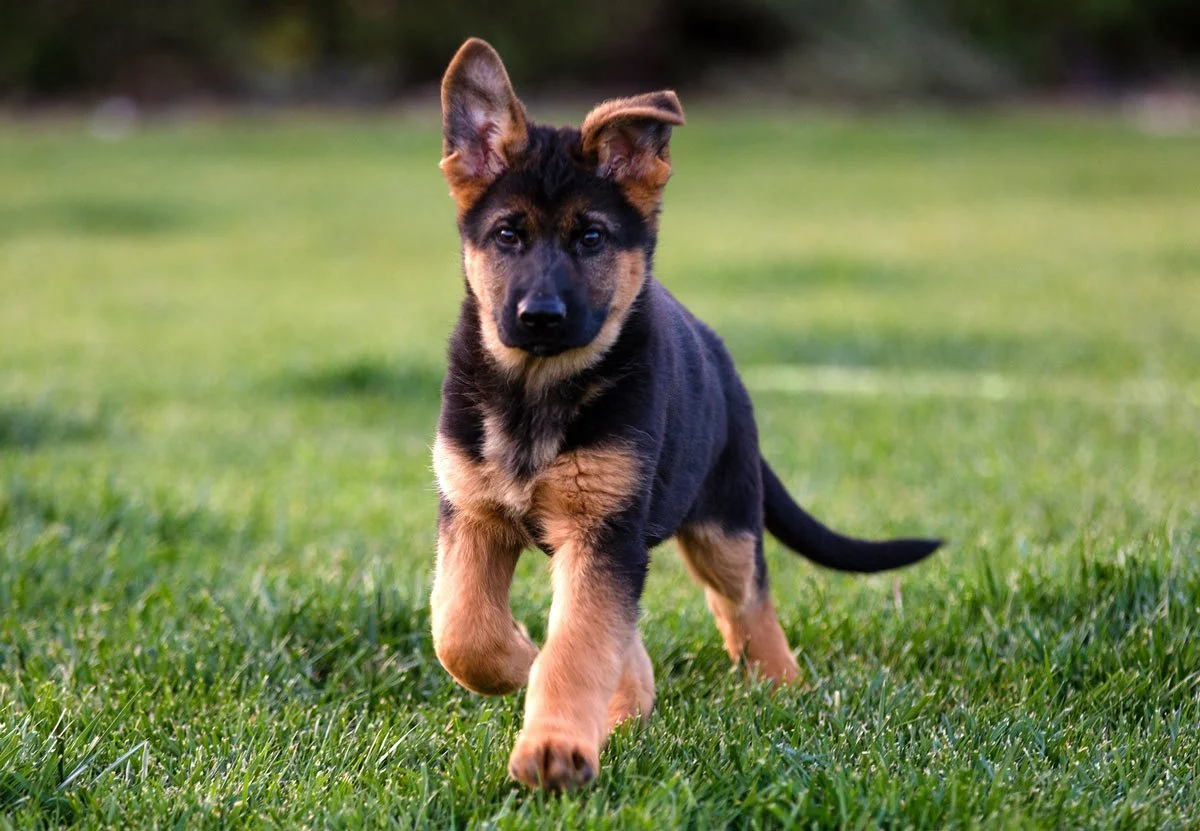
- Consider the dog's natural instincts and temperament. Breeds like Border Collies excel in herding, while German Shepherds shine in protection and service roles.
- Engage in specialized training programs tailored to your dog's job. Look for courses focusing on agility, search and rescue, or service dog training.
- Evaluate your environment. Farm dogs need space to roam, while service dogs often work best in urban settings where they can assist their owners in public.
- Connect with local working dog clubs. Networking with experienced owners and trainers can provide valuable insights into the best practices for various jobs.
- Stay active and mentally stimulated. Working dogs thrive on physical and mental challenges, so incorporate diverse activities into their routine.
Why this helps
- ✓ Tailored training leads to better job performance.
- ✓ Understanding breed instincts helps in task selection.
- ✓ Networking opens doors to resources and support.
Watch out for
- ! Advanced training requires time and commitment.
- ! Not all environments suit every breed's needs.
- ! Finding specialized clubs may be challenging in some areas.
How to Choose the Best Working Dogs
- Not all working dogs thrive in the same environment. While some breeds excel in urban settings, others need wide-open spaces to perform their best.
- Training is crucial for working dogs, but consistency and early socialization are key. This helps them adapt to various jobs and environments.
- Many working dogs are driven by a strong desire to please. This means they often respond well to positive reinforcement techniques.
- Specific breeds have unique jobs they excel at. Understanding these can help match a dog's skills with your lifestyle needs, whether that's herding, guarding, or serving.
- Physical and mental stimulation is essential. Working dogs require regular exercise and challenging tasks to stay happy and healthy.
Why this helps
- ✓ Better understanding of breed-specific needs and capabilities.
- ✓ Increased likelihood of a successful working relationship.
- ✓ Enhanced bonding through tailored training approaches.
Watch out for
- ! Requires more time to research and understand each breed.
- ! Mismatched job roles can lead to behavioral issues.
- ! High energy levels may not suit all households.
Checklist for Choosing the Best Working Dogs
- Evaluate your lifestyle and home environment.
- Research active working breeds like Border Collies and German Shepherds.
- Identify specific jobs for dogs that fit your needs (e.g., service dogs, farm dogs).
- Consider the dog's energy level and exercise requirements.
- Assess your ability to train and socialize a working dog.
- Look into the breed's health issues and lifespan.
- Find local trainers or classes for working dog training.
- Prepare your home with necessary supplies for a working dog.
- Plan for ongoing training and mental stimulation activities.
Why this helps
- ✓ Helps match a dog to your specific needs.
- ✓ Ensures you understand the responsibilities of owning a working dog.
- ✓ Encourages proactive training and socialization.
Watch out for
- ! Requires time and commitment to train a working dog properly.
- ! Some breeds may not fit well in all living situations.
- ! May involve higher costs for training and care.
Frequently asked questions
What are the best working dogs?
The best working dogs are breeds specifically bred for tasks like herding, guarding, and service work. Popular choices include German Shepherds, Border Collies, and Labrador Retrievers. These dogs thrive when given a job to do, making them ideal for active families or professionals.
What are the working group dogs?
Working group dogs are breeds that perform various tasks, including search and rescue, guarding, and pulling sleds. This group includes breeds like Rottweilers, Doberman Pinschers, and Boxers. They are known for their intelligence, strength, and loyalty.
What jobs can dogs do?
Dogs can take on many jobs, ranging from service and therapy roles to herding and search-and-rescue missions. Each breed has unique skills that suit specific tasks. For example, Border Collies excel at herding, while Golden Retrievers are often used as service dogs.
What are the strongest working dogs?
Some of the strongest working dogs include the Mastiff, Rottweiler, and German Shepherd. These breeds are known for their physical strength and protective instincts. They often serve in roles that require power and endurance, such as guard dogs or police dogs.
What are the active working breeds?
Active working breeds include dogs that require a lot of exercise and mental stimulation, such as Siberian Huskies, Belgian Malinois, and Australian Shepherds. These dogs thrive in environments where they can engage in physical activities and have a job to do. They are perfect for active families or individuals.
What are the best working dogs for families?
Some of the best working dogs for families include Labrador Retrievers, German Shepherds, and Golden Retrievers. These breeds are known for their friendly nature and versatility, making them great companions. They can help with tasks while also being loving family pets.
How can I train my working dog for specific jobs?
Training your working dog for specific jobs involves using positive reinforcement techniques and consistent practice. Start with basic commands and gradually introduce tasks related to their job, like agility training for service dogs or herding exercises for farm dogs. Professional trainers can also provide valuable guidance.
What kind of jobs can Border Collies do?
Border Collies are known for their intelligence and agility, making them excellent herding dogs. They can also excel in agility competitions, search and rescue operations, or as service dogs. Their energy and trainability make them ideal for various active roles.
Are there working dog breeds that require less exercise?
While most working dog breeds are highly active, some may require slightly less exercise than others. Breeds like the Basset Hound or the Bullmastiff can still perform jobs with moderate activity levels. However, it's essential to consider their unique traits and find a balance that suits their needs.
Can service dogs also be working dogs?
Yes, service dogs are a specific type of working dog trained to assist individuals with disabilities. They perform tasks like guiding the visually impaired or alerting their owners to medical conditions. Many breeds, including Labradors and Golden Retrievers, are popular choices for service work.
How do I choose the right working dog for my lifestyle?
Choosing the right working dog depends on your lifestyle, activity level, and the type of work you want them to do. Consider factors like the dog’s energy level, size, and temperament. It's important to choose a breed that fits your daily routine and can thrive in your environment.
Quick answers
View more answersWhat are working dog breeds?
Working dog breeds are those trained for specific tasks such as herding, guarding, or assisting humans. Examples include German Shepherds and Rottweilers.
What are utility dogs?
Utility dogs are trained to assist humans with various jobs, such as search and rescue, therapy, or service tasks. They're essential in many fields.
What are some active jobs for dogs?
Active jobs for dogs include herding livestock, search and rescue, and assisting people with disabilities. These roles keep dogs physically and mentally engaged.
What are the working group dogs?
Working group dogs are breeds bred for specific tasks like guarding, pulling sleds, or providing assistance. Popular examples include Bernese Mountain Dogs and Rottweilers.
What jobs can Border Collies do?
Border Collies are known for herding sheep, but they also excel in agility, obedience, and even search-and-rescue roles. Their intelligence makes them highly trainable.
Related DogBreedCompass guides
- Border Collie guide – Learn about the intelligent and versatile breed that excels in various jobs.
- German Shepherd profile – Explore the characteristics and training needs of this loyal and hardworking breed.
- Husky overview – Discover the unique traits and roles of this energetic and resilient breed.
- Jobs for dogs – Find out about various jobs that different breeds can take on.
- Service dog training tips – Get insights into training and care for service dogs.
Important reminder
This guide is not medical advice. If your dog shows pain, sudden behavior change, or worsening symptoms, consult a licensed veterinarian.
Some links may be affiliate links. We may earn a commission at no extra cost to you. We only suggest products we believe are helpful for dog owners.
Want more tailored help?
Take the Lifestyle Match quiz to see which breeds and guides best fit your day-to-day life.
Take the quizMore guides you might like

Best Dog Breeds for Multi-Dog Households: Social, Pack-Friendly Picks

Yorkshire Terrier Cost in Washington D.C. – What to Expect

Shih Tzu vs Yorkshire Terrier: Which Small Dog is Right for You?

Best Rescue Dog Breeds: What to Expect Adopting vs Buying a Dog

Rottweiler vs Saint Bernard: Which is Right for You?

Best Dogs for Active & Athletic Families: High-Energy Breeds Ranked
Find your match
Not sure which breed is right for you? Take our 2-minute quiz to find out.
Take the quiz