Guide

Best Toy Dog Breeds: A Guide for Tiny Dog Lovers

Looking for the perfect tiny companion? This guide covers the best toy dog breeds to fit your lifestyle, whether you need a purse dog or a family-friendly pup.

Discovering the Best Toy Dog Breeds

When it comes to finding the best toy dog breeds, it's important to understand why these tiny companions have captured the hearts of many dog lovers. Toy breeds, often referred to as purse dogs, are perfect for those living in smaller spaces or looking for a cuddly companion on the go. Their small size doesn’t just make them adorable; it also means they require less space and food compared to larger breeds, making them a great choice for apartment dwellers and busy individuals alike.

Understanding the characteristics and needs of the best toy dog breeds is essential for potential owners. These breeds, such as Chihuahuas, Yorkshire Terriers, and Pomeranians, each have unique traits that can influence your decision. For instance, some may be more energetic while others are laid-back lap dogs. Knowing these differences can help you choose a breed that fits your lifestyle and preferences.

Additionally, it's crucial to consider the health issues that can be prevalent in toy breeds. Many tiny dogs can experience dental problems, joint issues, and heart conditions. Being aware of these potential health concerns allows you to take proactive steps in caring for your new furry friend. Regular vet visits, a healthy diet, and proper exercise are vital for keeping your toy dog happy and healthy.

In this guide, we will explore the best toy dog breeds, their pros and cons, and how to care for them effectively. By the end, you’ll have a solid understanding of what to expect from these tiny companions and how to integrate them into your life. Whether you're a first-time dog owner or looking to add another furry friend to your family, knowing the best toy dog breeds will help you make an informed decision that benefits both you and your future pup. Get ready to discover the joy of having a tiny dog that fits right in your purse or your heart!

Step-by-Step Plan to Choose the Best Toy Dog Breeds

Choosing the right toy dog breed can be a fun but challenging process. Follow these steps to find the perfect tiny companion that fits your lifestyle.

Common Mistakes with Best Toy Dog Breeds

1. Ignoring exercise needs: Just because toy dogs are small doesn't mean they don't need exercise. Many owners assume their tiny pets can stay indoors all day. This can lead to obesity and behavioral issues due to pent-up energy.

2. Overfeeding your toy dog: It's easy to spoil tiny dogs with treats, but overfeeding can be harmful. Many owners don’t realize that even small amounts of extra food can lead to weight gain and health problems.

3. Neglecting training and socialization: Toy breeds can be stubborn, and many owners skip training. Without proper socialization, these dogs may develop anxiety or aggression towards other animals and people.

4. Choosing the breed based on looks alone: It’s tempting to pick a dog solely for its cuteness. However, different toy breeds have unique temperaments and care requirements. This can lead to mismatched expectations and frustration.

5. Underestimating health issues: Tiny dogs often come with specific health challenges, including dental problems and patellar luxation. New owners may overlook these issues until they become serious, resulting in costly vet bills.

6. Not providing safe spaces: Small dogs can feel overwhelmed easily. Many owners fail to create safe, quiet areas where their toy dog can retreat. This can lead to stress and anxiety in your pet.

7. Disregarding grooming needs: Toy breeds often require regular grooming to maintain their coat. Neglecting this can lead to matting and skin issues, which can be uncomfortable for your dog. Regular grooming should be part of your care routine to keep your tiny friend healthy and happy.

Debunking Myths About Best Toy Dog Breeds

Many people have misconceptions about the best toy dog breeds. Let's clear up some common myths and reveal the facts behind them.

Advanced Tips for Choosing the Best Toy Dog Breeds

If you're ready to dive deeper into the world of toy dog breeds, here are some advanced tips that can help you make a more informed decision and ensure a happy life for your tiny companion.

Insider Secrets for Choosing the Best Toy Dog Breeds

If you're considering adding a toy dog to your family, there are some insider secrets that can help you make the best choice. Toy breeds are not just cute; they can also be quite complex. Here are some lesser-known tips that can guide you in your decision-making process.

Checklist for Choosing the Best Toy Dog Breeds

Use this checklist to guide your decision in selecting the best toy dog breeds that suit your lifestyle.

Frequently asked questions

What is the smallest toy breed?

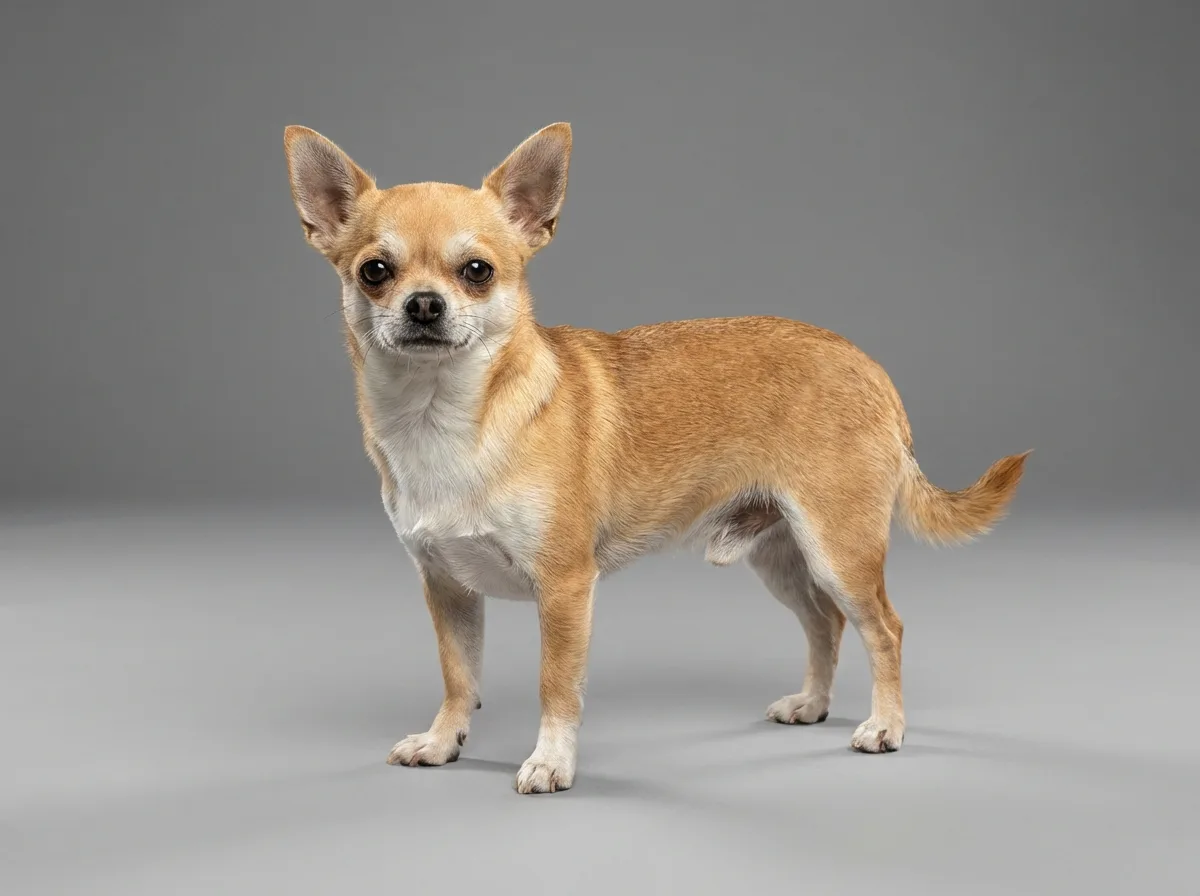
The Chihuahua is often considered the smallest toy breed. They typically weigh between 2 to 6 pounds and stand about 6 to 9 inches tall. Their tiny size makes them popular as purse dogs and companions.

Are toy dogs good for families?

Toy dogs can be great for families, especially if you have young children. Breeds like the Yorkshire Terrier and Pomeranian are known for being friendly and playful. However, it's important to supervise interactions to ensure the safety of both the dog and the child.

What health issues are common in toy dogs?

Toy dogs can face several health issues, including dental problems, patellar luxation, and heart conditions. Regular vet check-ups and proper dental care are crucial to maintaining their health. Always consult a veterinarian if you notice any signs of distress or unusual behavior.

What are the best toy dog breeds for apartments?

Some of the best toy dog breeds for apartment living include the Pomeranian, Chihuahua, and Yorkshire Terrier. These breeds are small and adapt well to smaller spaces. They also require less exercise than larger breeds, making them ideal for limited living areas.

How do I choose the right toy dog breed for my lifestyle?

Consider your living situation, activity level, and family dynamics when choosing a toy dog breed. For example, if you travel often, a more adaptable breed like a Pomeranian might be best. On the other hand, if you have kids, a friendly and playful breed like a Yorkshire Terrier could be a great fit.

What is the smallest toy breed?

The Chihuahua is often considered the smallest toy breed. Weighing as little as 2 to 6 pounds, they are known for their big personalities. Their small size makes them perfect for those living in apartments or looking for a tiny companion.

Are toy dogs suitable for families with children?

Some toy dogs can be great for families, but it's essential to choose the right breed. Breeds like the Yorkshire Terrier can be affectionate and playful, but they might not tolerate rough handling from young kids. Always supervise interactions and consider a breed's temperament before bringing one home.

What health issues are common in toy dog breeds?

Toy dog breeds are prone to specific health issues, including dental problems, patellar luxation, and heart conditions. Regular vet check-ups and a healthy diet can help mitigate these risks. It's crucial to research each breed's health concerns before deciding.

Can toy breeds adapt to apartment living?

Yes, many toy breeds are well-suited for apartment living due to their small size and lower exercise needs. Breeds like the Pomeranian and Maltese can thrive in smaller spaces as long as they get daily walks and mental stimulation. However, all dogs need some space to play and explore.

Do toy breeds require special training?

Toy breeds do not necessarily require special training, but their small size can lead to behavioral issues if not properly trained. Positive reinforcement methods work best. Early socialization and obedience training help them become well-rounded companions.

How much do toy dog breeds typically cost?

The cost of toy dog breeds can vary significantly. On average, you can expect to pay anywhere from $500 to $3,000, depending on the breed and source. Consider ongoing expenses like food, grooming, and vet visits when budgeting for a toy dog.

What are the best toys for small dogs?

The best toys for small dogs are those that are size-appropriate and safe. Look for soft chew toys, interactive puzzles, and small balls. Avoid toys that are too small or could be swallowed, and always supervise playtime to ensure safety.