Guide

Best Starter Dog Breeds for First-Time Owners

Choosing the right dog can be overwhelming, especially for first-time pet owners. This guide will help you find the best starter dog breeds that are easy to care for and fit your lifestyle.

Understanding the Best Starter Dog Breeds

Choosing the best starter dog breeds is crucial for first-time pet owners. Selecting the right dog can make the difference between a joyful experience and overwhelming challenges. The ideal starter dog should be easy to care for, friendly, and adaptable to your lifestyle. This guide will walk you through the characteristics of beginner dogs and help you decide on the best fit for your family.

Why Choosing the Right Dog Matters

For new dog owners, the first few weeks can be exciting yet stressful. A dog that fits well with your lifestyle can ease this transition. In contrast, a breed that requires more time or energy than you can offer might lead to frustration for both you and your pet. Knowing the best starter dog breeds can save you from potential heartache and help create a harmonious home.

Best Starter Dog Breeds for First-Time Owners - Why Choosing the Right Dog Matters

What to Look for in a Starter Dog

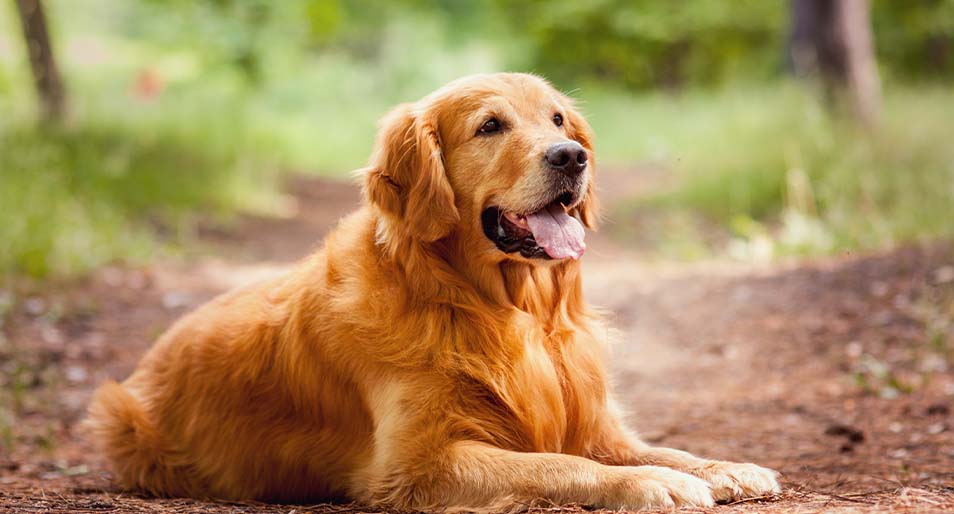
When considering the best starter dog breeds, focus on traits like temperament, energy level, and care requirements. Friendly breeds, like Labradors or Golden Retrievers, are often ideal due to their sociable nature. Additionally, dogs with lower exercise needs, such as Pugs, may be a better fit if your lifestyle is more laid-back. Understanding these characteristics helps you choose a dog that matches your family's dynamics.

Best Starter Dog Breeds for First-Time Owners - What to Look for in a Starter Dog

Getting Started with Your New Dog

Once you've identified the best starter dog breed for you, it's time to prepare for your new companion. Set up your home with essentials like food, toys, and a comfortable place to sleep. Training is also crucial; consider enrolling in a basic obedience class. Remember, the journey of pet ownership is a learning experience, so be patient with yourself and your new furry friend. Your first dog can be a wonderful addition to your family if you choose wisely.

Best Starter Dog Breeds for First-Time Owners - Getting Started with Your New Dog

Step-by-Step Plan to Choose the Best Starter Dog Breeds

Follow these steps to find the best starter dog breeds that suit your lifestyle and needs. This plan will help first-time pet owners make an informed decision this week.

Step 1: Assess Your Lifestyle

Consider how much time you can dedicate to a dog each day. Are you often busy or do you work from home? Reflect on your activity level, living situation, and family dynamics.

Step 2: Research Breeds

Look into beginner dogs known for being easy to care for and adaptable. Popular choices include Labrador Retrievers, Golden Retrievers, and Pugs. Check breed characteristics, energy levels, and grooming needs.

Step 3: Visit Local Shelters

After narrowing down your options, visit local shelters. You can find mixed breeds and purebreds alike. Shelters often have staff who can help match you with a suitable dog.

Step 4: Meet the Dogs

Spend time with different dogs to see which ones you connect with. Look for a dog that seems calm, friendly, and responsive. Pay attention to how they interact with you and your family.

Step 5: Prepare Your Home

Make your home safe and welcoming for your new pet. Clear away hazards, secure trash cans, and set up a comfortable sleeping area with a bed and toys. Think about where the dog will spend most of its time.

Step 6: Gather Necessary Supplies

Buy essential supplies before bringing your dog home. This includes food and water bowls, high-quality dog food, a leash, a collar, and some toys. Don't forget to consider a crate if you plan on crate training.

Step 7: Plan for Training

Training is key to a successful pet-owner relationship. Consider enrolling in a basic obedience class or using online resources. Consistent training helps with behavior and strengthens your bond.

Common Mistakes First-Time Dog Owners Make

Owning a dog is a rewarding experience, especially for first-time pet owners. However, there are common mistakes that can lead to frustration for both the owner and the dog. Here are some pitfalls to watch out for.

Common Myths About Best Starter Dog Breeds

When looking for the best starter dog breeds, it's essential to separate fact from fiction. Here are some common myths and the truths behind them.

Advanced Tips for Choosing the Best Starter Dog Breeds

If you're ready to deepen your understanding of the best starter dog breeds, consider these advanced tips. They can help ensure you choose a furry friend that fits seamlessly into your lifestyle while also fostering a strong bond with your new pet.

First, research dog temperament. While breeds like Labradors and Golden Retrievers are often recommended for first-time pet owners, individual temperament can vary within a breed. Spend time with specific dogs before committing to ensure their personality matches your family's energy level and lifestyle.

Second, consider adopting from local shelters. Many beginner dogs are waiting for homes at shelters and rescues. Adopting not only gives a dog a second chance but can also save money on initial costs. Plus, shelter staff can often help match you with a dog that fits your experience level and needs.

Third, think about the dog’s exercise requirements. While some breeds are labeled as low maintenance, they may still require daily walks and playtime. For example, Pugs are considered easy care but still need regular physical activity to stay healthy and happy.

Next, invest in training classes. Even with the best starter dog breeds, basic obedience training is essential. It helps both you and your dog understand each other better and builds a solid foundation for a lasting relationship. Look for classes specifically designed for first-time dog owners.

Lastly, plan for the long-term. Dogs can live 10-15 years or more, so consider how your life may change over the years. Will you have more time for walks? Will you move? Choose a breed that you can see yourself caring for as your life evolves.

By applying these advanced tips, you can make a more informed decision when selecting the best starter dog breed for your family.

Insider Secrets for Choosing the Best Starter Dog Breeds

When selecting the best starter dog breeds, there are a few insider tips that can help first-time pet owners make the right choice. Here are some unique insights that can guide you in picking a dog that matches your lifestyle and needs.

Match Energy Levels

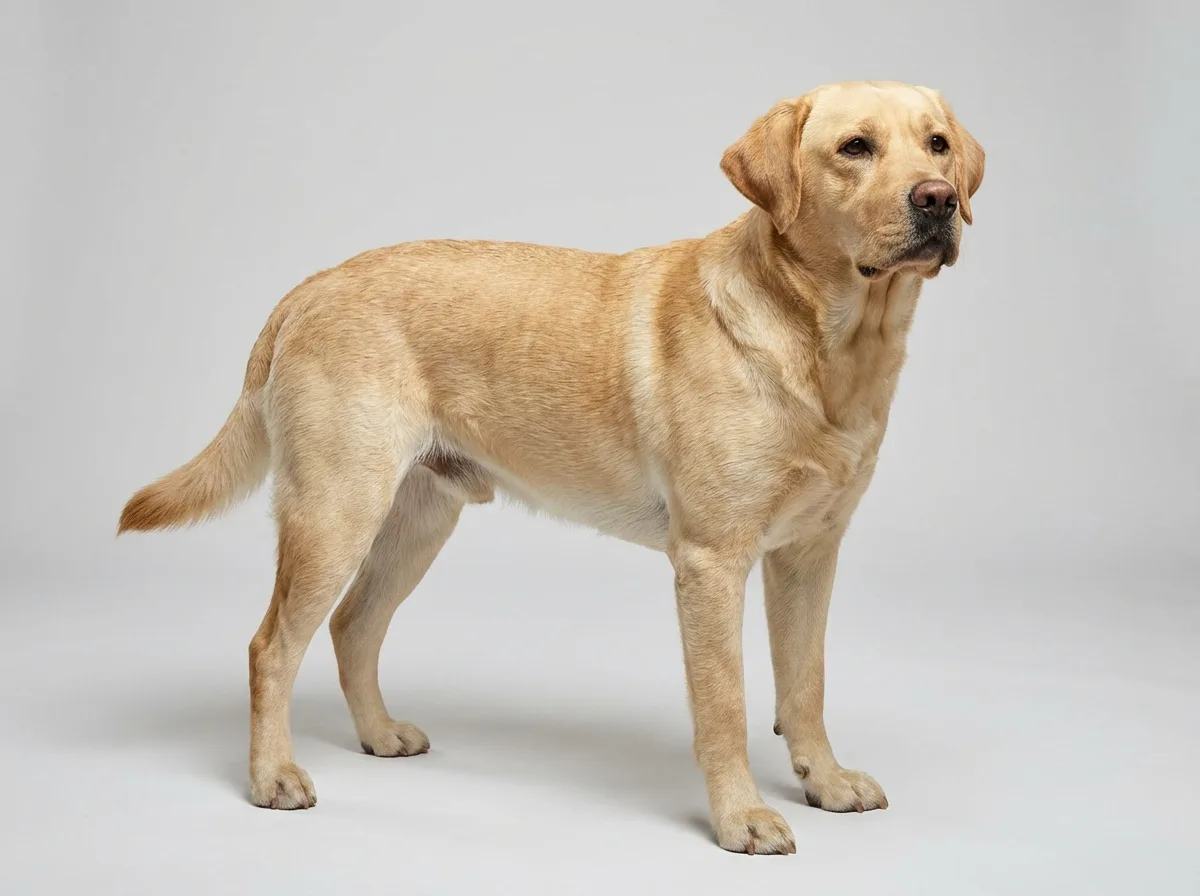
Not all dogs are created equal when it comes to energy. For instance, a Labrador Retriever is known for its playful spirit, while a pug is much more laid-back. If you're active and enjoy outdoor activities, an energetic breed will be a great companion. However, if you prefer a more relaxed lifestyle, a low-energy dog might be a better fit.

Research Breed Temperaments

Each breed has its own set of traits. Golden Retrievers are often friendly and eager to please, making them great for families. On the other hand, certain breeds may be more stubborn and require more training. Understanding these traits will help you choose a dog that fits seamlessly into your family.

Explore Adoption Options

Adopting from breed-specific rescues can be a fulfilling option for first-time dog owners. You not only find a breed that suits you, but you also give a dog a second chance at a loving home. Many organizations offer guidance and support, which can be invaluable for beginners.

Best Starter Dog Breeds Checklist

Use this checklist to find the best starter dog breeds for first-time pet owners. These steps will help you choose a dog that fits your lifestyle and experience level.

Frequently asked questions

What is a good starter dog?

The best starter dog breeds are typically friendly, easy to train, and adaptable to family life. Breeds like Labrador Retrievers and Golden Retrievers are great choices because they are social and eager to please. Pugs are also good for first-time pet owners due to their affectionate nature and low exercise needs.

Easiest dog for new owners?

For new owners, the easiest dog breeds often include Beagles and Cavalier King Charles Spaniels. These breeds are known for their gentle temperament and ability to get along well with children and other pets. They also tend to be less prone to behavioral issues, making training simpler.

What are low maintenance first dogs?

Low maintenance first dogs include breeds like French Bulldogs and Shih Tzus. These dogs require less grooming and exercise compared to more active breeds. They can thrive in smaller living spaces, making them ideal for first-time pet owners with busy lifestyles.

What characteristics should beginner dogs have?

Beginner dogs should be patient, trainable, and sociable. They should also have a calm demeanor, making it easier for new owners to manage their care and behavior. Breeds that fit these criteria often include those known for their friendliness and adaptability.

How do I choose a starter dog breed?

Choosing a starter dog breed involves considering your lifestyle, living situation, and the dog’s energy level. Look for breeds that fit your activity level and family dynamics. Researching breed characteristics and temperaments can also help you find the right match for first-time pet owners.

What is a good starter dog for families with kids?

For families with kids, breeds like the Labrador Retriever and the Golden Retriever are often recommended. They are known for their friendly demeanor and patience with children. These dogs can handle the noise and activity levels of a busy household.

Are there low maintenance first dogs for busy lifestyles?

Yes, if you lead a busy lifestyle, consider breeds like the Pug or Cavalier King Charles Spaniel. These dogs typically require less exercise and grooming compared to more active breeds. They enjoy being with their owners but can also adapt to a more laid-back routine.

How can first-time pet owners prepare for a new dog?

First-time pet owners should research the breed they are interested in, ensuring it fits their lifestyle. Preparing your home with necessary supplies, like a bed, food, and toys, is also essential. Additionally, enrolling in basic training classes can help you and your new dog bond and learn essential skills together.

What should I consider when choosing an easy care dog?

When selecting an easy care dog, consider factors like grooming needs, exercise requirements, and temperament. Breeds that are generally low-maintenance often have shorter coats and are less prone to certain health issues. It’s also important to think about how much time you can dedicate to training and socialization.

How do I know if a dog is a good fit for a first-time owner?

A good starter dog for first-time owners is typically friendly, adaptable, and trainable. Look for breeds known for their easygoing nature and lower energy levels. It's also beneficial to meet the dog and see how they interact with you before making a decision.

What are some beginner pets besides dogs?

If you’re considering beginner pets besides dogs, think about animals like cats, hamsters, or guinea pigs. Each of these pets has different care needs, but they can be great options for a first-time pet owner looking for a more manageable commitment. Researching their care requirements is key to making a good choice.