What are the best quiet dog breeds?
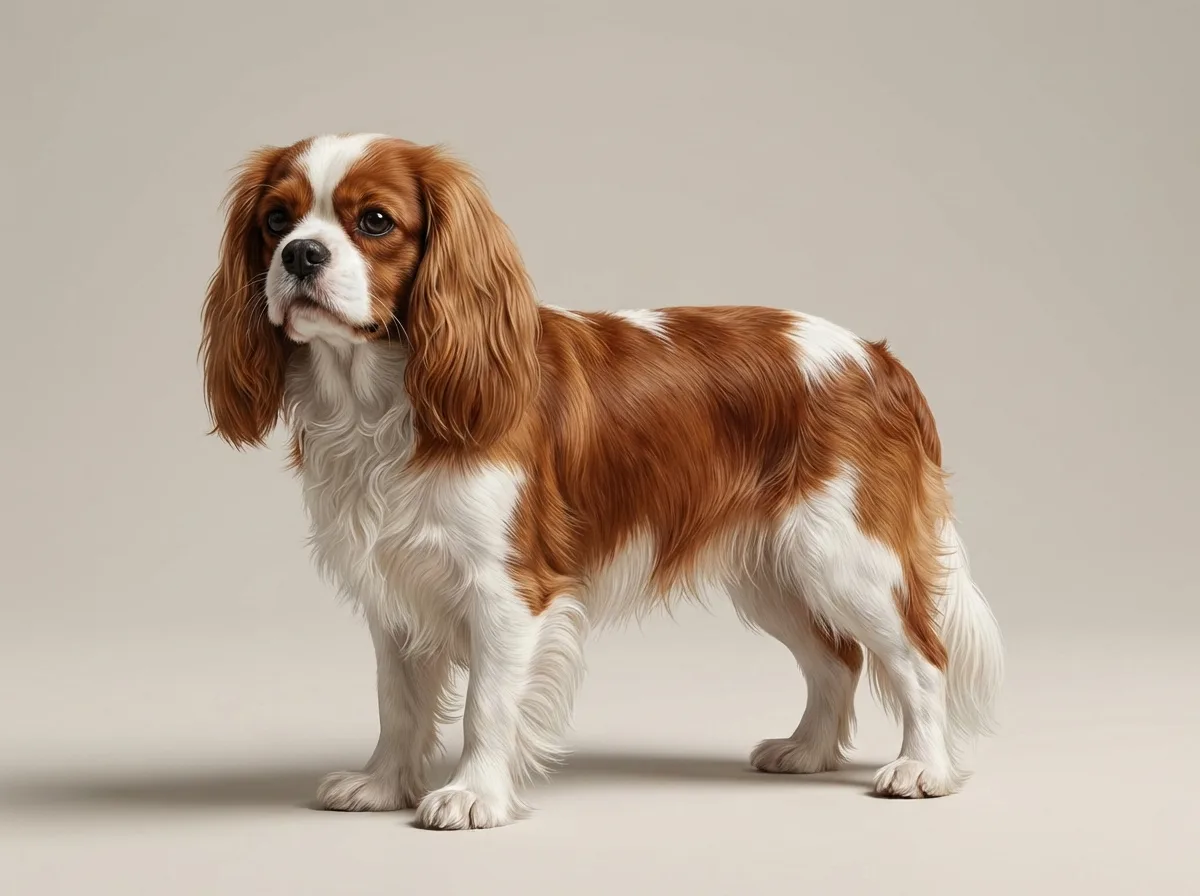
The best quiet dog breeds include Basenjis, Cavalier King Charles Spaniels, and Whippets. These breeds are known for their calm demeanor and lower tendency to bark. They can be great companions, especially in quieter living situations.
Are there really dogs that don't bark?
Yes, some dogs are known as 'barkless' breeds, like the Basenji. They typically communicate in other ways, such as yodeling or making sounds that resemble a crow. This makes them unique and appealing for those seeking quiet companions.
What are silent dogs that are good for apartments?
Apartment-friendly quiet dogs include breeds like the Cavalier King Charles Spaniel and Whippet. These dogs tend to be gentle and less vocal, making them suitable for smaller living spaces where noise can be an issue.
Are Greyhounds quiet dogs?
Yes, Greyhounds are generally quiet dogs. They are known for their calm temperament and are less likely to bark excessively. This makes them a great choice for families and individuals looking for a peaceful pet.
What are the benefits of having a calm pet?
Having a calm pet can lead to a more relaxed home environment. Quiet dogs are often easier to train, less demanding, and can be great companions for those with busy lifestyles. They also tend to adapt well to various living situations.
Do quiet dogs need less exercise?
While quiet dogs may seem low-energy, they still require regular exercise. Breeds like Whippets and Cavalier King Charles Spaniels enjoy walks and playtime. It's essential to keep them active to maintain their health and happiness.
What are some characteristics of the best quiet dog breeds?
The best quiet dog breeds typically have calm temperaments and are less prone to barking. Many of these breeds are also known for being gentle and affectionate, making them great companions for families and individuals alike. If you're looking for a dog that doesn't disturb the peace, these breeds are worth considering.
Are there any silent dogs that are good for families?
Yes, several silent dogs make excellent family pets. Breeds like the Basenji and Cavalier King Charles Spaniel are known for their friendly nature and low barking tendencies. They can adapt well to a family environment, providing companionship without the noise.
Can I find apartment-friendly quiet dogs?
Absolutely! Many apartment-friendly quiet dogs thrive in smaller living spaces. Breeds like Whippets and Shih Tzus tend to be calm and require less space, making them ideal for apartment living.
They usually don't bark excessively, which helps maintain a peaceful environment.
Do Greyhounds bark often?
Greyhounds are generally considered one of the quieter breeds. They rarely bark unless they are excited or need attention. Their calm demeanor makes them suitable for various living situations, including homes with shared walls.
What are some tips for training my quiet dog to stay calm?
Training a quiet dog to remain calm often involves positive reinforcement techniques. Consistent commands, rewards for good behavior, and regular exercise can help keep them content and relaxed. Socialization is also important; exposing them to different environments can reduce anxiety and promote calmness.
Are there breeds that are naturally more anxious and bark frequently?
Yes, certain breeds tend to be more anxious and vocal. Breeds like the Beagle and Chihuahua may bark more due to their high energy and need for stimulation. If you’re looking for a quiet dog, it’s best to avoid these breeds and opt for calmer options.
How can I help my dog if they start barking unexpectedly?
If your dog starts barking unexpectedly, try to identify the trigger. It could be noise, another animal, or boredom. Address the issue by providing distractions, training, or even a safe space where they can retreat.
Consulting with a vet or a dog trainer can also provide more tailored solutions.