The Best Protective Dog Breeds for Your Family
Looking for a loyal guardian for your home? This guide explores the best protective dog breeds that can keep your family safe while being loving companions.
Understanding the Best Protective Dog Breeds
When it comes to choosing the best protective dog breeds, understanding the unique traits of these dogs is crucial. Protective breeds serve as guardians, watchdogs, and loyal companions, making them ideal for families seeking security. In today's world, having a dog that can effectively deter threats is more important than ever, and these breeds are designed to fulfill that role.
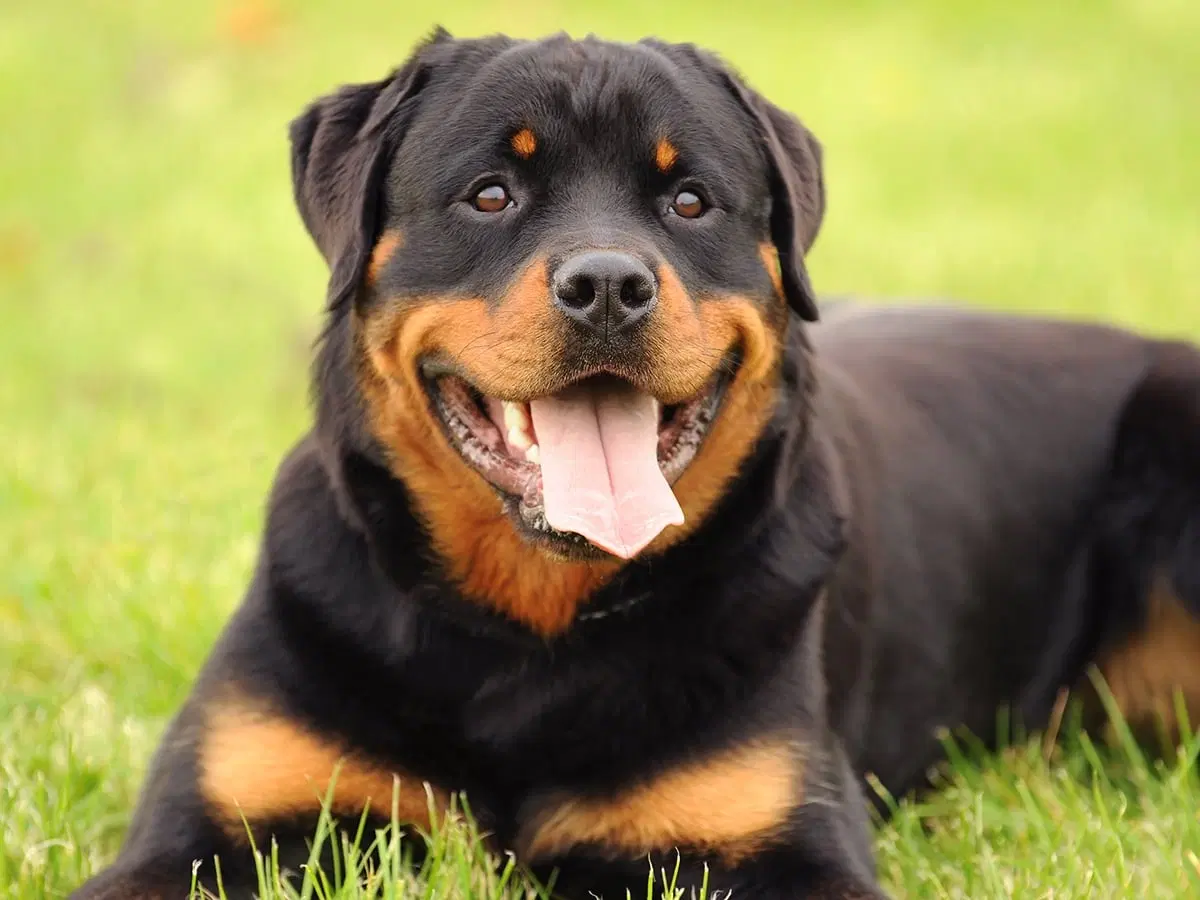
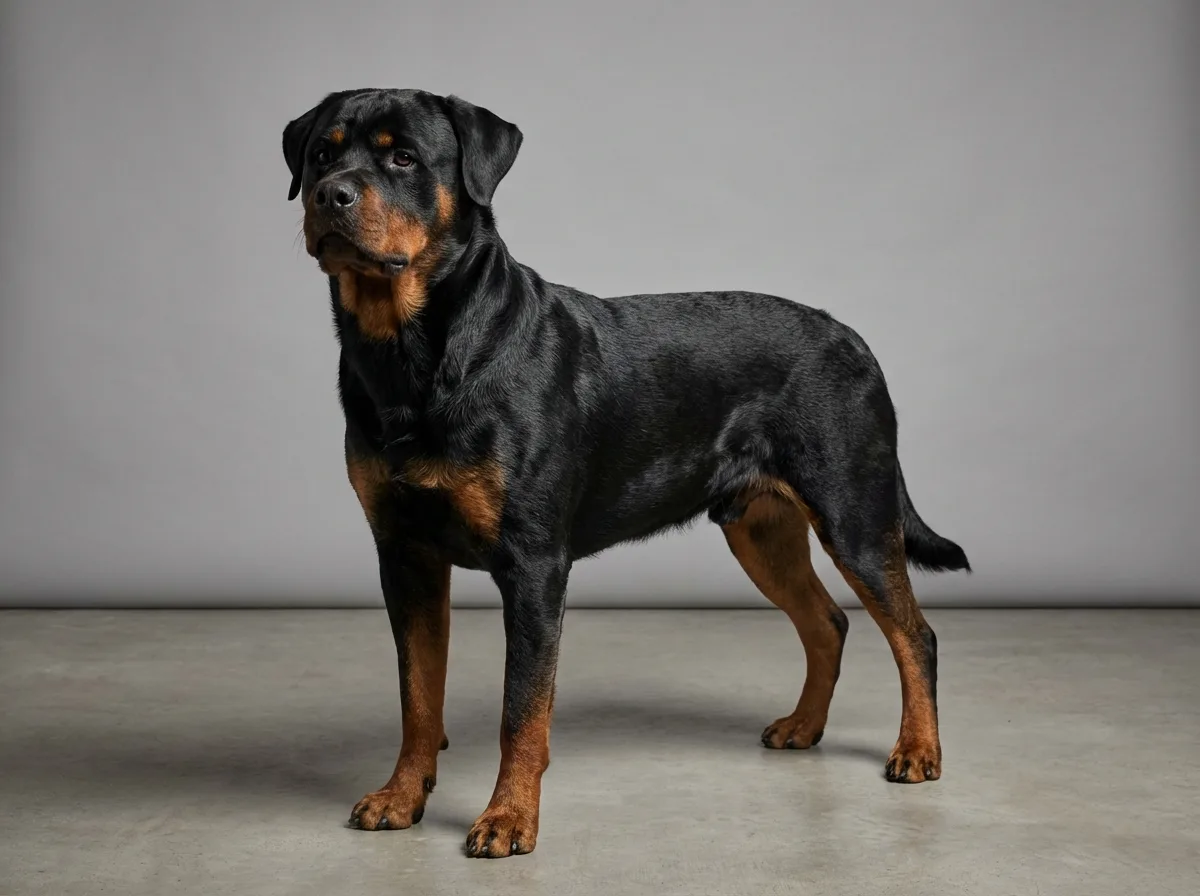
The best protective dog breeds often have a combination of physical strength, intelligence, and a natural instinct to protect their families. Breeds like Rottweilers, Bullmastiffs, and Akitas are known for their loyalty and courage. But it’s important to remember that with great protection comes great responsibility. Owners must be prepared to train and socialize these dogs properly to ensure they are well-adjusted and safe around people and other pets.
Why does this matter? A well-trained protective dog can provide peace of mind, enhance home security, and even offer companionship. However, without proper training and understanding, these dogs can become overly protective or aggressive, which is not what any owner wants. This guide will help you navigate the traits and needs of these breeds, ensuring you make an informed decision that aligns with your lifestyle.
First, we’ll delve into the characteristics that define the best protective breeds. We’ll cover their instincts, temperament, and what makes them effective guardians. Next, we’ll explore how to choose the right breed for your family and living situation. Understanding the balance between protective instincts and the need for socialization is key to fostering a healthy relationship with your dog.
Finally, this guide will provide insights into training techniques specific to protective breeds. Training should focus on obedience to maintain control, while also encouraging their natural protective instincts in a positive way. By the end of this guide, you’ll have a clear understanding of how to identify, train, and nurture the best protective dog breeds for your home.
Step-by-Step Plan for Choosing the Best Protective Dog Breeds
Follow these practical steps to find the best protective dog breeds for your family and home. Each step will guide you through the decision-making process, ensuring you choose the right breed for your needs.

- 1. Assess Your Needs: Determine why you need a protective dog. Are you looking for a family companion, a guard for your home, or both? Understanding this will guide your research.
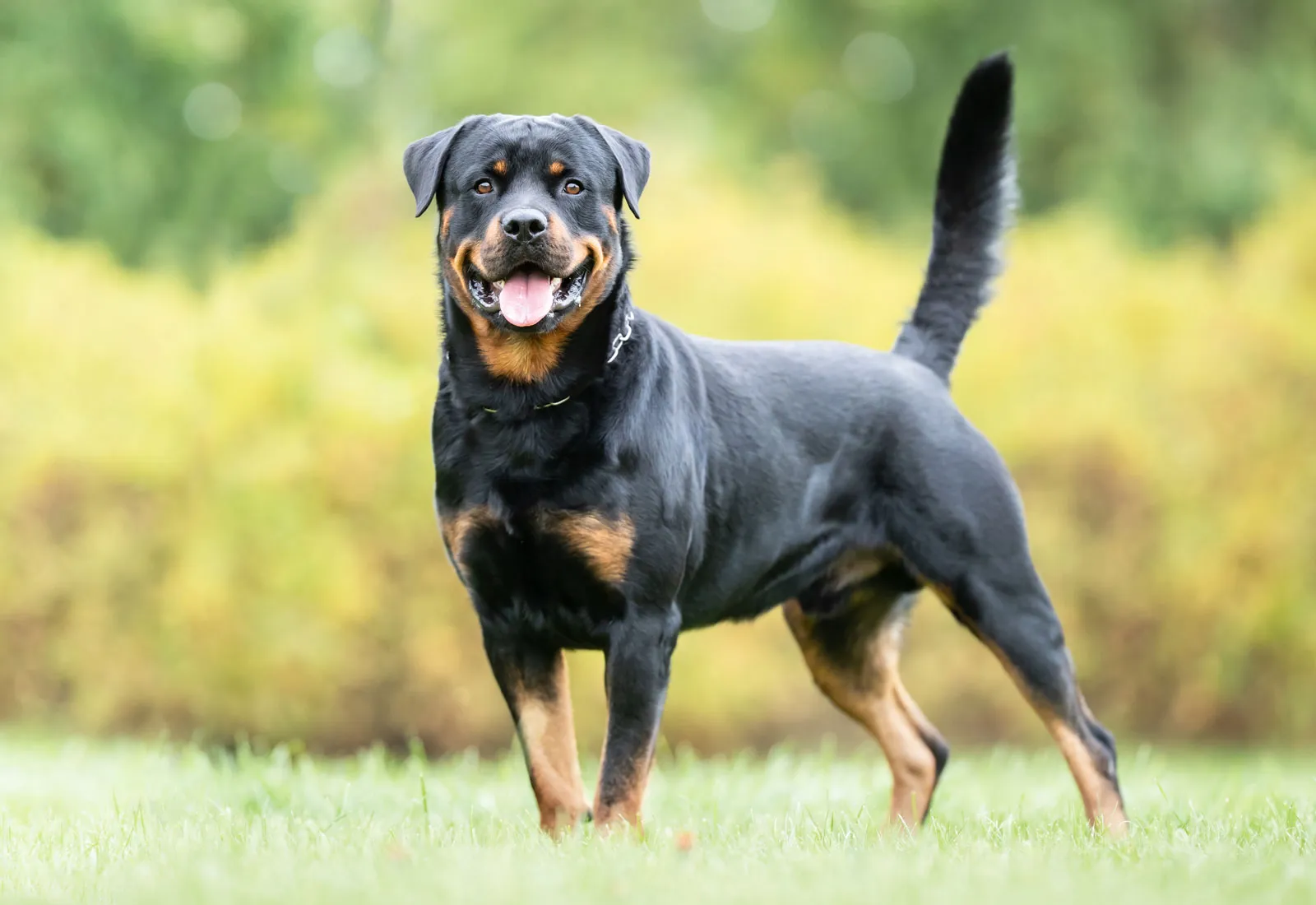
- 2. Research Breeds: Look into the best protective dog breeds like Rottweilers, Bullmastiffs, and Akitas. Each breed has different characteristics and levels of protection.
- 3. Evaluate Living Situation: Consider your living space. Large breeds need room to move, while smaller homes may require more adaptable dogs. Ensure your environment can accommodate the breed you choose.
- 4. Check Temperament: Research the temperament of the breeds you're interested in. You'll want a dog that is loyal and protective without being overly aggressive. Look for breeds known as family protectors.
- 5. Visit Local Shelters or Breeders: Once you've narrowed down your options, visit shelters or reputable breeders. Interacting with the dogs can help you gauge their personality and compatibility with your family.
- 6. Consider Training Needs: Understand the training requirements for your chosen breed. Some protective dogs may need more training than others to ensure they are well-behaved and socialized.
- 7. Prepare Your Home: Make necessary adjustments in your home for the new dog. This may include dog-proofing areas, securing fences, and setting up a comfortable space for your dog.
- 8. Budget for Ownership: Factor in the costs of owning a dog, including food, vet bills, training, and supplies. Protective breeds can sometimes have higher expenses due to their size and needs.
- 9. Plan for Socialization: Schedule regular socialization opportunities for your dog. This will help them grow into a balanced and friendly protector.
- 10. Monitor Health and Behavior: After bringing your dog home, keep an eye on their health and behavior. Regular vet check-ups and training sessions help ensure they remain a loyal and protective companion.
Common Mistakes When Choosing the Best Protective Dog Breeds
Many people make mistakes when selecting protective dog breeds. These errors can lead to issues with training, behavior, and overall compatibility with the family. Here are some common mistakes to avoid.

- Choosing a breed based solely on appearance.
- Underestimating training needs.
- Ignoring the dog's temperament and energy level.
- Neglecting socialization opportunities.
- Failing to consider family dynamics.
- Not preparing for commitment and costs.
Debunking Myths About Protective Dog Breeds
There are many myths surrounding the best protective dog breeds. Let's clarify some common misconceptions to better understand these loyal guardians.

- Myth: All protective dogs are aggressive.
- Myth: Large dog breeds are the only good protectors.
- Myth: Protective dogs don’t need training.
- Myth: Any dog can be a good guard dog.
- Myth: Protective dogs are not friendly.
Advanced Tips for Choosing the Best Protective Dog Breeds
When searching for the best protective dog breeds, consider these advanced tips to ensure a perfect match for your lifestyle and security needs. First, assess your living environment. Breeds like Rottweilers and Bullmastiffs thrive in larger spaces, while smaller watchdogs may adapt better to apartments. Next, think about your family dynamics. Some breeds, such as Akitas, are known to be loyal family protectors but can require careful socialization, especially around children.
Training is crucial for protective dogs. Start with basic obedience and gradually introduce advanced commands. Engage in bite work or protection training under professional guidance. This helps channel their instincts positively. Additionally, consider the dog's temperament. A protective dog should be confident but not overly aggressive. Research breeds' tendencies toward protectiveness and how they interact with strangers.
Finally, socialization is key. Expose your dog to various environments, people, and other animals early on. This helps them develop a well-rounded personality. A dog that is both protective and social can keep your family safe while being a loving companion.
Insider Secrets for Choosing the Best Protective Dog Breeds
When searching for the best protective dog breeds, consider these lesser-known insights that can make a significant difference in your choice and ownership experience.
- Not all protective breeds are aggressive; many are naturally friendly yet vigilant.
- Training and socialization greatly influence a dog's protective instincts.
- Some breeds may bond stronger with specific family members, affecting their protective behavior.
- The environment and lifestyle you provide can shape how protective a dog becomes.
- Health issues can affect a breed's ability to perform their protective duties.
Checklist for Choosing the Best Protective Dog Breeds
Use this checklist to help you find the best protective dog breeds for your family and home. Each point will guide you in making the right choice for security and companionship.
- Assess your living situation: apartment vs. house with yard.
- Consider your family's lifestyle and activity level.
- Research breed characteristics: temperament, size, and energy.
- Meet potential breeds in person to gauge their behavior.
- Evaluate training requirements for each breed.
- Check local regulations about dog breeds and ownership.
- Think about grooming needs and potential costs.
- Look into health issues common in protective breeds.
- Consult with breeders or shelters about the dog's background.
- Prepare your home for a new dog with safety and comfort in mind.
Frequently asked questions
Which dogs are naturally protective?
Some of the best protective dog breeds include Rottweilers, Bullmastiffs, and Akitas. These breeds tend to have strong instincts to guard their families and homes. Their loyalty and protective nature make them excellent guardians.
Best family protective dog?
The best family protective dog often depends on your family's lifestyle. Breeds like the German Shepherd and Labrador Retriever are known for being protective yet friendly. It's important to choose a breed that balances protection with sociability.
Protective vs aggressive dogs?
Protective dogs are alert and watchful, often responding to threats, while aggressive dogs may show hostility without provocation. It's crucial to train protective breeds properly to ensure they respond appropriately in different situations. Socialization is key to preventing aggression.
Are guardian dogs good with children?
Many guardian dogs, like the Akita and German Shepherd, can be great with children when properly trained and socialized. They often form strong bonds with family members. However, supervision and teaching children how to interact safely are important.
What characteristics make a dog protective?
Protective dogs typically exhibit traits like loyalty, confidence, and intelligence. They are often alert and instinctively aware of their surroundings. Training and socialization also play a significant role in developing a dog's protective nature.
What traits should I look for in the best protective dog breeds?
When choosing a protective dog, look for traits such as loyalty, intelligence, and confidence. These dogs should also be trainable and have a natural instinct to protect their family. Breeds like Rottweilers and Akitas often exhibit these qualities.
Are guardian dogs safe around children?
Many guardian dogs can be safe around children if properly trained and socialized. Breeds like the Bullmastiff are known to be gentle giants. However, supervision is essential, as even protective dogs can be unpredictable without proper guidance.
How can I train my dog to be a better protector?
Training for protection involves socialization, obedience training, and sometimes specific protection training programs. Start with basic commands and gradually introduce your dog to different environments and situations. Consider working with a professional trainer who specializes in protective breeds.
Which dogs are naturally protective?
Some naturally protective breeds include Rottweilers, Bullmastiffs, and Akitas. These breeds often have strong instincts to guard their families and property. However, individual temperament can vary, so proper training and socialization are crucial.
What’s the difference between protective and aggressive dogs?
Protective dogs act to defend their family or territory when they perceive a threat, while aggressive dogs may show hostility without provocation. Understanding the difference is key, as protective dogs can be trained to be calm and controlled in various situations.
Can protective dog breeds be good family pets?
Yes, many protective dog breeds can also be loving family pets. Breeds like the Rottweiler and Bullmastiff are known for their loyalty and affection toward family members. Proper training and socialization will help them balance their protective instincts with being gentle companions.
Do protective dogs require special care or training?
Protective dogs often require consistent training and socialization to ensure they understand when to protect and when to relax. Regular mental and physical exercise is also essential to keep them balanced. Engaging with a knowledgeable trainer can help address any specific needs.