Guide

The Best Non-Shedding Dog Breeds for Allergy Relief

If you're looking for the best non-shedding dog breeds, you've come to the right place! This guide will help you find hypoallergenic dogs that fit your family's needs and keep your home clean.

Understanding the Best Non-Shedding Dog Breeds

For many dog lovers, finding the best non-shedding dog breeds is a top priority. These breeds are often considered hypoallergenic, making them a great choice for people with allergies. Non-shedding dogs not only help keep your home cleaner but can also provide companionship without the constant worry of hair on your clothes or furniture.

The appeal of non-shedding breeds stems from their unique coats, which typically require special grooming. Unlike shedding dogs, which lose fur regularly, non-shedding breeds have hair that grows continuously. This means their fur must be trimmed regularly, and they often have less dander in the air. For families with allergy-prone members, these dogs can be a blessing.

When choosing a non-shedding breed, it’s vital to consider your lifestyle and living situation. Some breeds may be better suited for families with children, while others thrive in quieter environments. Additionally, knowing how to care for these dogs is essential for their health and happiness. Grooming, diet, and exercise needs can vary, so it's crucial to pick a breed that fits your daily routine.

In this guide, we will explore various non-shedding breeds, including their characteristics, temperament, and grooming requirements. We will also discuss the advantages and potential downsides of having a non-shedding dog, helping you make an informed choice. Whether you're looking for a playful puppy or a calm companion, this guide will help you identify the best non-shedding dog breed for your home.

Understanding the needs of hypoallergenic dogs is vital. While they may seem like the perfect solution for allergy sufferers, no dog is entirely hypoallergenic. However, some breeds produce fewer allergens and are often recommended for allergy-friendly homes. By learning about these breeds, you can choose a dog that fits well into your life while minimizing allergy issues.

Ultimately, the best non-shedding dog breeds offer a unique opportunity for dog lovers who want a furry companion without the shedding worries. This guide will provide you with the information you need to make a confident decision, resulting in a happy home for both you and your new best friend.

Step-by-Step Plan for Choosing the Best Non-Shedding Dog Breeds

Finding the best non-shedding dog breeds involves careful planning and consideration. Follow these steps to make an informed choice that suits your lifestyle and needs.

Common Mistakes When Choosing the Best Non-Shedding Dog Breeds

Choosing the best non-shedding dog breeds can be tricky. Many owners make common mistakes that can lead to disappointment and additional stress. Here are some frequent missteps to avoid.

Common Myths About Best Non-Shedding Dog Breeds

There are many myths surrounding non-shedding dog breeds. Some of these misconceptions can lead to misunderstandings and poor choices for potential dog owners. Let's debunk some common myths and reveal the facts.

Advanced Tips for Choosing the Best Non-Shedding Dog Breeds

If you're looking to dive deeper into the world of non-shedding dog breeds, here are some advanced tips to help you make an informed choice. These insights can enhance your understanding of hypoallergenic dogs and ensure you select the best fit for your family and lifestyle.

Insider Secrets for Choosing the Best Non-Shedding Dog Breeds

Finding the best non-shedding dog breeds goes beyond just looking for hypoallergenic options. Here are some insider tips that can help you make the best choice for you and your family.

Checklist for Choosing the Best Non-Shedding Dog Breeds

Use this checklist to help you find the best non-shedding dog breed for your home and lifestyle. Consider these factors to ensure a happy match.

Frequently asked questions

What are the best non-shedding dog breeds?

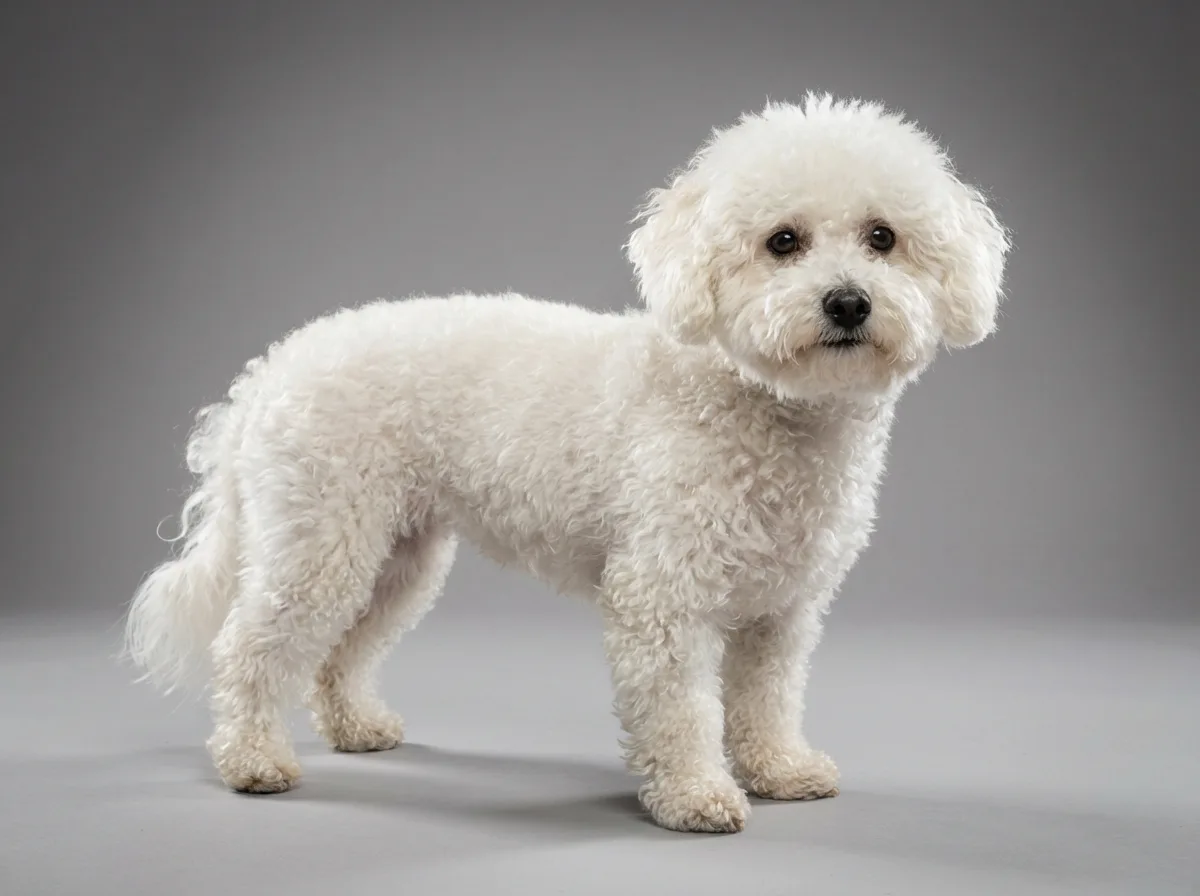
Some of the best non-shedding dog breeds include the Poodle, Bichon Frise, and Yorkshire Terrier. These breeds are known for their hypoallergenic qualities, making them suitable for allergy sufferers. They typically have hair instead of fur, which means less shedding around the home.

Are there large non-shedding dogs?

Yes, there are large non-shedding dogs, such as the Standard Poodle and the Portuguese Water Dog. These breeds can provide the companionship of a larger dog while being allergy-friendly. It's essential to consider their exercise needs and grooming requirements.

What is the difference between hypoallergenic dogs and non-shedding dogs?

Hypoallergenic dogs are breeds that are less likely to cause allergic reactions, often due to lower levels of dander or certain proteins. Non-shedding dogs, on the other hand, do not shed fur, which can help keep homes cleaner. Many hypoallergenic breeds also happen to be non-shedding.

Best family dog that doesn't shed?

For families looking for a non-shedding dog, the Bichon Frise and Maltese are great options. These breeds are friendly, playful, and adapt well to family life. They also tend to get along well with children and other pets.

How can I keep my home clean with non-shedding dogs?

To keep your home clean with non-shedding dogs, regular grooming is key. Bathing and brushing your dog frequently can help minimize dander and dirt. Additionally, using air purifiers and vacuuming regularly can further reduce allergens in your home.

What are the best non-shedding dog breeds for families?

Some of the best non-shedding dog breeds for families include the Poodle, Bichon Frise, and Yorkshire Terrier. These breeds are not only hypoallergenic but also tend to be friendly and great with kids. They require regular grooming, but their low-shedding nature makes them a good fit for homes with allergies.

Are there large non-shedding dogs?

Yes, there are large non-shedding dog breeds, such as the Standard Poodle and the Portuguese Water Dog. These breeds are known for their friendly nature and are often good family pets. While their size might be a consideration, they can be a great option for those looking for bigger dogs that are also hypoallergenic.

How do I know if a dog is truly hypoallergenic?

A dog is considered hypoallergenic if it produces fewer allergens than other breeds. However, no dog is completely free of allergens. It's best to spend time with a breed before committing to see if you have any allergic reactions.

What should I consider when choosing a non-shedding dog?

When choosing a non-shedding dog, consider factors like size, energy level, and grooming needs. Some breeds may require more frequent grooming to keep their coats healthy. Additionally, think about how much time you can dedicate to exercise and training.

Can non-shedding dogs still cause allergies?

Yes, non-shedding dogs can still cause allergies. Allergies are typically caused by dander, saliva, and urine, not just fur. While hypoallergenic breeds may reduce allergy symptoms, it's important to manage exposure to allergens through regular cleaning and grooming.

What is the average cost of owning a non-shedding dog?

The average cost of owning a non-shedding dog can range from $1,000 to $3,000 annually. This includes expenses like food, grooming, and veterinary care. Keep in mind that specific breeds may also have different purchase prices and grooming requirements.

How often do non-shedding dogs need grooming?

Non-shedding dogs typically need grooming every 4 to 6 weeks. Regular grooming helps maintain their coats and reduces the buildup of allergens. It's essential to brush them at home between professional grooming sessions to keep their hair healthy.