Best Hunting Dog Breeds: Your Guide to the Top Choices
Choosing the right hunting dog can make or break your outdoor experience. This guide will help you find the best hunting dog breeds tailored to your needs.
Understanding the Best Hunting Dog Breeds
Choosing the best hunting dog breeds can greatly enhance your hunting experience. These dogs are not just companions; they serve as your partners in the field. They are trained to assist in various hunting activities, from retrieving game to tracking scents, making them invaluable to hunters of all levels.
Why Hunting Dogs Matter
Hunting dogs, including gun dogs, bird dogs, and scent hounds, have specific traits that make them suitable for different types of hunting. For example, retrievers for hunting are known for their excellent retrieving skills, while scent hounds excel at tracking scents. Understanding these traits helps you select the breed that matches your hunting style and preferences.

What to Look for in a Hunting Dog
When selecting a hunting dog, consider factors such as trainability, temperament, and energy level. Some breeds are easier to train than others, and this can significantly impact your hunting success. Additionally, some hunting dogs thrive in families, making them great companions at home and in the field. Assessing your lifestyle and hunting goals is crucial for making the right choice.

How to Choose the Right Breed
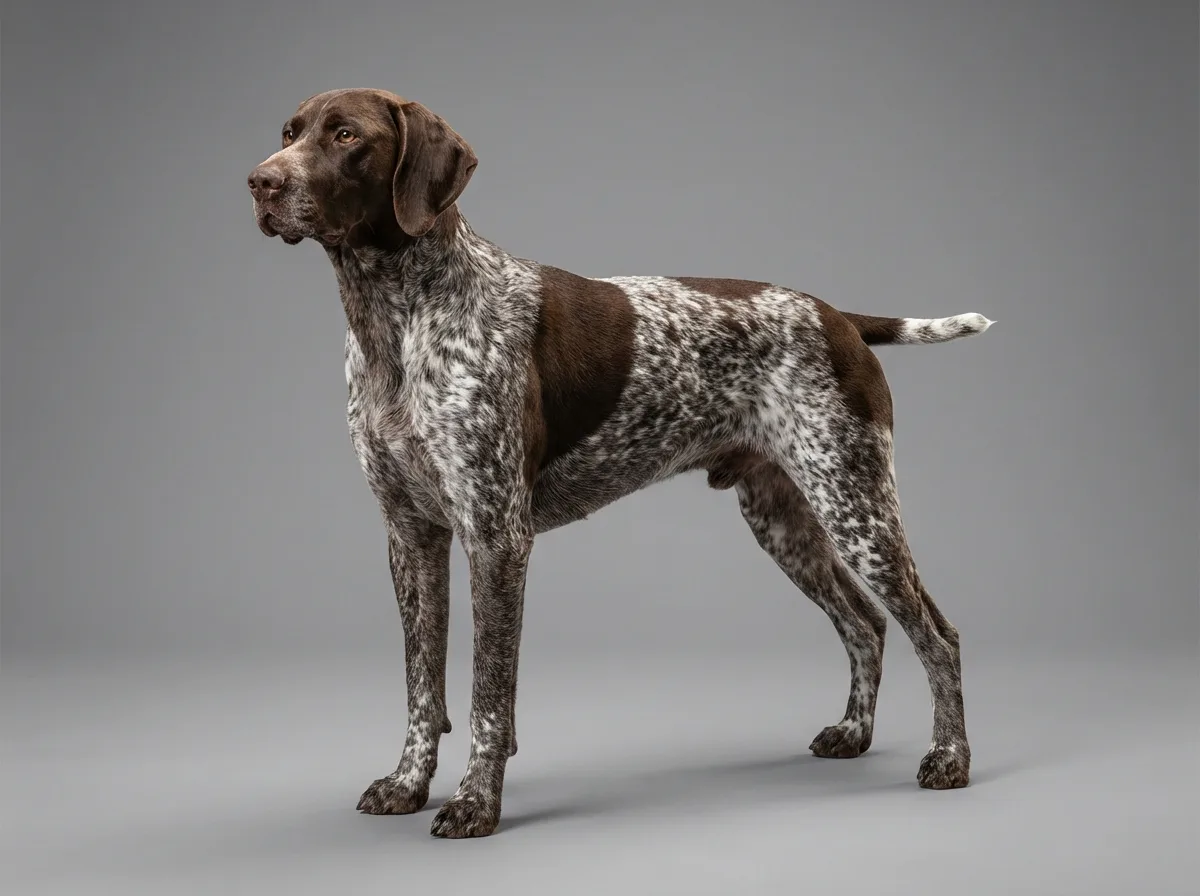
Start by researching specific breeds known for their hunting capabilities. Dogs like the Labrador Retriever and German Shorthaired Pointer are popular choices due to their versatility and eagerness to please. Look for breeds that match your hunting style, whether you prefer upland game, waterfowl, or tracking. It's also essential to consider the dog's compatibility with your family, especially if you have kids or other pets.

Conclusion
In summary, the best hunting dog breeds can enhance your hunting experience and provide companionship. Take the time to understand the specific needs of each breed and how they align with your hunting objectives. With the right dog by your side, your time in the field can be both productive and enjoyable.
Step-by-Step Plan for Choosing the Best Hunting Dog Breeds
Follow these steps to find the best hunting dog breeds that align with your needs and lifestyle.
- 1. Assess Your Hunting Style: Determine what type of hunting you plan to do, whether it's upland bird hunting, waterfowl hunting, or tracking game. This will help you narrow down the suitable breeds.
- 2. Research Breeds: Look into breeds known for their hunting capabilities, such as retrievers, pointers, and scent hounds. Consider factors like temperament, energy level, and trainability.
- 3. Evaluate Your Living Situation: Consider your home environment, including yard size and local regulations. Some breeds need more space and exercise than others.
- 4. Talk to Other Hunters: Connect with experienced hunters who can share insights about their dogs, what works well, and what challenges to expect.
- 5. Visit Local Breeders or Shelters: Check out local breeders or animal shelters. Meeting dogs in person can help you gauge their temperament and suitability for your lifestyle.
- 6. Consider Training Options: Think about how much time you can dedicate to training your dog. Some breeds are easier to train than others, so pick one that matches your skill level.
- 7. Prepare Your Home: Make necessary adjustments in your home for a new dog. Ensure you have a safe space and the right equipment, such as a crate and toys.
- 8. Plan for Costs: Estimate the costs of owning a hunting dog, including food, veterinary care, training, and gear. Make sure your budget can accommodate these expenses.
- 9. Start Training Early: Once you bring your dog home, start training right away. Early socialization and obedience training are crucial for a successful hunting companion.
- 10. Build a Bond: Spend quality time with your dog, whether through play, training, or outdoor adventures. A strong bond will make your hunting trips more enjoyable.
Common Mistakes When Choosing the Best Hunting Dog Breeds
Selecting the right hunting dog breed involves careful consideration. Here are some common mistakes that owners make, along with why they can backfire.
- Not understanding the breed's energy levels.
- Choosing a breed without considering training needs.
- Ignoring the dog's size and space requirements.
- Overlooking health issues common to certain breeds.
- Focusing solely on looks instead of hunting ability.
Common Myths About the Best Hunting Dog Breeds
There are many myths surrounding hunting dog breeds that can lead to confusion. Let's debunk some of the most common ones to clarify the reality.
- Myth: All hunting dogs are aggressive.
- Myth: You need a lot of land to own a hunting dog.
- Myth: Only certain breeds can be good hunting dogs.
- Myth: Hunting dogs are not good family pets.
- Myth: Hunting dogs can’t be trained easily.
Advanced Tips for Choosing the Best Hunting Dog Breeds
When selecting the best hunting dog breeds, there are advanced strategies that can enhance your hunting experience. Understanding the specific strengths of each breed can make all the difference in the field. Additionally, training methods and environmental adaptations can optimize your dog's performance.
First, consider the terrain you’ll be hunting in. Different breeds excel in various environments. For example, scent hounds like Beagles are excellent in dense underbrush, while retrievers like Labrador Retrievers thrive near water. Tailor your choice to your hunting locations for the best results.
Second, invest time in specialized training. While basic obedience is essential, advanced training can prepare your dog for specific hunting tasks. Courses focusing on scent tracking, retrieval, or pointing can help your dog become more efficient. Additionally, using positive reinforcement methods can boost their confidence and eagerness to learn.
Third, socialize your dog early and often. A well-socialized dog is easier to handle in the field and less likely to become distracted. Expose your dog to different environments, sounds, and people to build their comfort and adaptability.
Fourth, maintain your dog's physical condition. Regular exercise is crucial, especially in the off-season. Activities like running, swimming, or agility training keep them fit and prepared for hunting trips. A healthy dog is more capable of enduring long days in the field.
Lastly, consider investing in gear designed for hunting dogs. Items like GPS trackers, high-visibility vests, or specialized collars can enhance safety and performance. These tools can help you keep track of your dog and ensure they are visible, especially in dense foliage or low-light conditions.

Insider Secrets for Choosing the Best Hunting Dog Breeds
Choosing the best hunting dog breeds requires more than just popularity. Here are some insider secrets to help you make the right decision.
- Consider your hunting style: Different breeds excel in specific types of hunting. For instance, if you primarily hunt waterfowl, retrievers like the Labrador Retriever are fantastic due to their water skills. If you're into upland game, a German Shorthaired Pointer might be your best bet.
- Evaluate energy levels: Hunting dogs often need a lot of exercise. Breeds like the Beagle are great for families but can be high-energy. Make sure your lifestyle can accommodate the dog's needs.
- Look for dual-purpose breeds: Some breeds, such as the German Shorthaired Pointer, can serve as both a hunting companion and a family pet. This versatility can save you from needing a separate family dog.
- Pay attention to trainability: Not all hunting dogs are easy to train. Breeds in the retriever category tend to be highly trainable, while some hounds might require more patience and consistent training.
- Understand the importance of socialization: Early socialization is key for hunting dogs. Exposing them to different environments, people, and other animals helps them become well-rounded and effective hunters.
Checklist for Choosing the Best Hunting Dog Breeds
Use this checklist to find your ideal hunting dog breed. Assess your needs, lifestyle, and preferences to ensure a perfect match.
- Identify your primary hunting type (birds, small game, big game).
- Research breeds known for your hunting preference (e.g., retrievers for birds).
- Consider the dog's size and energy level suitable for your living space.
- Evaluate your training experience and choose a breed that matches your skills.
- Check for good temperament traits, especially if you have kids or other pets.
- Look into health concerns specific to the breeds you are considering.
- Find a reputable breeder or rescue organization to ensure a healthy dog.
- Plan for regular exercise and mental stimulation for your dog.
Frequently asked questions
What is the best all-around hunting dog?
The best all-around hunting dog often cited is the Labrador Retriever. They excel in various hunting tasks, including retrieving game and are also great family pets. Their friendly nature and trainability make them a top choice among hunters.
What are some good hunting dogs for families?
Good hunting dogs for families include the Labrador Retriever and the German Shorthaired Pointer. These breeds are known for their friendly temperament and adaptability to family life. They are not just skilled hunters but also affectionate companions.
Which hunting dogs are easy to train?
Breeds like the Labrador Retriever and the German Shorthaired Pointer are known for their trainability. These dogs respond well to commands and enjoy the training process. Their eagerness to please their owners makes them stand out as easy-to-train hunting companions.
What are the best hunting dog breeds for scent tracking?
Scent hounds like the Beagle and Bloodhound are excellent for scent tracking. They have a strong sense of smell and are built to track down scents over long distances. These traits make them invaluable for hunting and tracking purposes.
What should I consider when choosing a hunting dog?
When choosing a hunting dog, consider the breed's temperament, energy level, and trainability. Also think about your family's lifestyle and how much time you can dedicate to training and exercise. Each breed has unique traits that can impact their suitability for your needs.
What is the best all-around hunting dog?
The best all-around hunting dog often depends on your specific needs. However, breeds like the Labrador Retriever and the German Shorthaired Pointer are popular choices due to their versatility in various hunting scenarios. They excel in retrieving and tracking, making them great companions for any hunter.
Are there good hunting dogs for families?
Yes, many hunting dogs are also great family pets. Breeds like the Labrador Retriever and Beagle, for example, are known for their friendly demeanor and adaptability. They bond well with children and can thrive in a family environment while still being excellent hunting companions.
What are some easy-to-train hunting dogs?
Easy-to-train hunting dogs include breeds like the Labrador Retriever and the German Shorthaired Pointer. These breeds are intelligent and eager to please, making them responsive to training. Consistent, positive reinforcement techniques work best for these dogs.
What should I consider when choosing a hunting dog breed?
When choosing a hunting dog breed, consider factors like your hunting style, living situation, and activity level. Some breeds are better suited for specific types of hunting, like waterfowl or upland game. Additionally, ensure the breed fits your lifestyle and can handle the physical demands of hunting.
How much exercise do hunting dogs need?
Hunting dogs typically require a significant amount of exercise to stay healthy and happy. Most breeds need at least an hour of vigorous activity each day, which can include running, fetching, or swimming. Regular exercise helps prevent behavioral issues and keeps your dog in top hunting shape.
Can hunting dogs adapt to city living?
Some hunting dogs can adapt to city living, but it often depends on the breed and individual dog's temperament. Breeds like the Beagle can thrive in urban environments if given enough exercise. However, larger breeds may need more space and should have regular access to open areas.
How do I train a hunting dog for field trials?
Training a hunting dog for field trials involves a structured approach, focusing on obedience, retrieving skills, and scent work. Start with basic commands and gradually introduce more complex tasks. Consistency, patience, and positive reinforcement are key to successfully preparing your dog for trials.