The Best Herding Dogs: Find Your Ideal Working Companion
Looking for the best herding dogs? This guide helps you choose the right breed for your needs, whether for work or as a loving pet.
Understanding the Best Herding Dogs
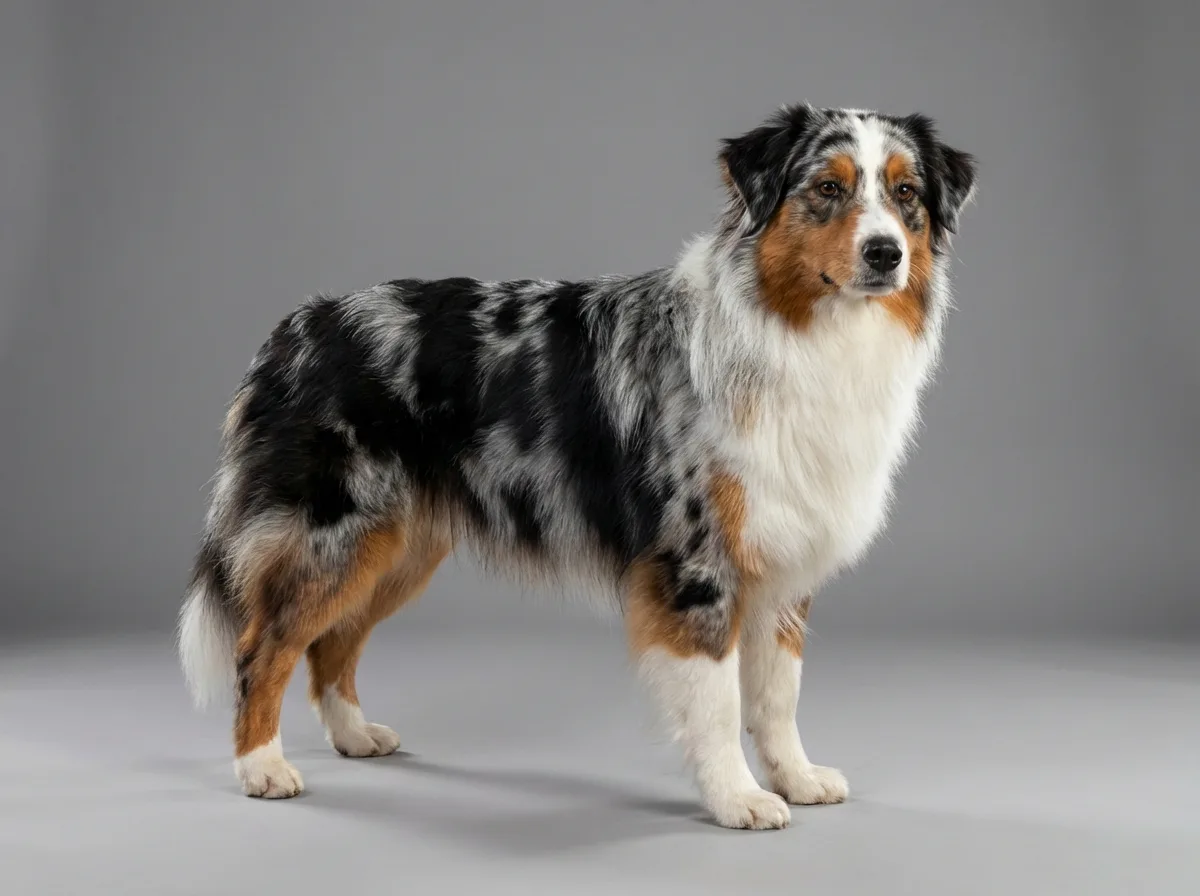
When it comes to finding the best herding dogs, understanding their unique traits is essential. Herding dogs are not just skilled workers; they can also be wonderful companions. These intelligent breeds, like the Border Collie and Australian Shepherd, excel in managing livestock but also require specific environments and training to thrive as family pets.
Why Choose a Herding Dog?
Herding dogs are known for their incredible intelligence and energy. They thrive on having a job to do, making them ideal for active families or individuals who enjoy outdoor activities. These breeds, often referred to as working dogs, can adapt to various roles, from farm helpers to loyal family pets. However, they also need mental stimulation and regular exercise to avoid boredom and potential behavioral issues.
Key Characteristics of Herding Breeds
Here are some key traits that define the best herding dogs:<br/>1. Intelligence: These breeds are quick learners and often excel in obedience training.<br/>2. High energy: They require ample exercise and mental challenges to stay happy and healthy.<br/>3. Strong instincts: Herding dogs instinctively know how to manage livestock, a skill that can also be redirected to play and training.<br/>4. Affectionate: Many herding dogs are loving and loyal companions, forming strong bonds with their families.
- Intelligence
- High energy
- Strong instincts
- Affectionate
Choosing the Right Herding Dog
Selecting the right herding dog involves considering your lifestyle. If you're active and enjoy outdoor adventures, a breed like the Australian Shepherd may be a perfect fit. However, if you live in a small apartment and have a less active lifestyle, some herding breeds might not be suitable. It's crucial to choose a breed that aligns with your living situation and energy levels.
Conclusion
In summary, the best herding dogs can be fantastic companions, but they require the right environment and care. Understanding their characteristics and needs will help you make an informed decision. Whether you're looking for a high-energy partner or a gentle family dog, there's a herding breed that can fit your lifestyle perfectly.
Step-by-Step Plan for Choosing the Best Herding Dogs
Follow these steps to find the best herding dog for you. Each action will help you understand your needs and the characteristics of herding breeds.
- 1. Research Herding Breeds: Start by learning about the best herding dogs, such as Border Collies, Australian Shepherds, and Corgis. Understand their traits, energy levels, and needs.
- 2. Assess Your Lifestyle: Consider your daily routine, activity level, and living situation. Herding dogs often need plenty of exercise and mental stimulation.
- 3. Visit Local Shelters: Check local rescues and shelters for herding breeds looking for homes. You might find a perfect match and help a dog in need.
- 4. Attend Dog Shows or Events: Visit dog shows or herding demonstrations to observe the breeds in action. This can give you a better feel for their personalities.
- 5. Talk to Owners: Connect with herding dog owners to get firsthand experiences about ownership, training, and any challenges they face.
- 6. Consider Training Needs: Research training resources for intelligent herding breeds. Many thrive on structured training and socialization.
- 7. Evaluate Space Requirements: Make sure you have enough space for a herding dog to run and play. A small apartment might not be ideal for high-energy breeds.
- 8. Plan for Health Care: Herding dogs can have specific health needs. Schedule a vet appointment to discuss vaccinations, diet, and preventive care.
- 9. Prepare Your Home: Dog-proof your space by removing hazards and creating a comfortable area for your new pet. This will help them settle in easily.
- 10. Make Your Decision: After thorough research and consideration, choose the breed that fits best with your lifestyle and needs.
Common Mistakes When Choosing the Best Herding Dogs
Selecting the right herding dog can be challenging. Here are some common mistakes that potential owners make and why they can lead to issues.
- Ignoring Energy Levels
- Underestimating Training Needs
- Neglecting Socialization
- Choosing Based on Looks
- Overlooking Health Concerns
- Failing to Provide Mental Stimulation
Common Myths About the Best Herding Dogs
There are many misconceptions about herding dogs that can lead to misunderstandings about their needs and abilities. Let's debunk some of the most common myths.
- Myth 1: Herding dogs are only for farms.
- Myth 2: All herding dogs are hyperactive.
- Myth 3: Herding dogs don’t make good family pets.
- Myth 4: Herding dogs don’t need training.
- Myth 5: Only specific breeds can herd.
Advanced Tips for Choosing the Best Herding Dogs
If you're considering adding a herding dog to your family or working environment, here are some advanced tips to ensure you make the right choice.
- Evaluate Your Lifestyle: Herding dogs thrive on activity and engagement. Assess your daily routine and ensure you can provide enough exercise and mental stimulation.
- Consider Training Needs: These intelligent herding breeds often require consistent and structured training. Investing in professional training can help harness their instincts positively.
- Socialization is Key: Early and ongoing socialization with other animals and people is crucial for herding dogs. This helps prevent behavioral issues and ensures they are well-rounded companions.
- Understand Their Work Ethic: Many herding dogs have a strong desire to work. Engaging them in activities like agility training or herding trials can satisfy this instinct and keep them happy.
- Research Specific Breeds: Not all herding dogs are the same. Research breeds like Border Collies, Australian Shepherds, and Corgis to find one that matches your energy level and living situation.
Insider Secrets to Choosing the Best Herding Dogs
When searching for the best herding dogs, there are some insider tips that can make a big difference. Here are unique insights that can guide your decision.
- Herding Instinct is Key: Not all herding breeds have the same level of instinct. Look for breeds known for their strong herding drive, like the Border Collie or Australian Shepherd.
- Early Socialization Matters: Expose your herding dog to various environments, people, and animals early on. This can help prevent anxiety and behavioral issues later.
- Training is Essential: Herding breeds are intelligent but can also be stubborn. Consistent training with positive reinforcement is crucial to keep them engaged and well-behaved.
- Physical and Mental Stimulation: High energy herding breeds need both physical exercise and mental challenges. Puzzle toys and agility training can keep their minds sharp.
- Consider Your Lifestyle: Not every herding breed fits every owner. Assess your daily routine and living situation to ensure a good match.
Checklist for Choosing the Best Herding Dogs
Use this checklist to ensure you select the best herding dog for your lifestyle and needs. Consider the following factors carefully.
- Research different herding breeds like Border Collies, Australian Shepherds, and Corgis.
- Evaluate your living situation: Do you have enough space for a high-energy dog?
- Consider your activity level: Are you active enough to meet a herding dog's needs?
- Look into training options: Are you willing to invest time in training your dog?
- Assess your family's needs: Do you have kids or other pets that need to get along with a herding dog?
- Check local regulations: Are there breed restrictions in your area?
- Plan for socialization: How will you introduce your herding dog to various environments and people?
- Budget for costs: Consider food, grooming, training, and vet expenses specific to herding breeds.
Frequently asked questions
What makes a good herding dog?
A good herding dog is intelligent, agile, and has a strong instinct to herd. These dogs need to be trainable and responsive to commands. Breeds like Border Collies and Australian Shepherds are known for their herding abilities and work well with livestock.
Are herding dogs good pets?
Yes, herding dogs can be great pets, but they require plenty of exercise and mental stimulation. Their high energy levels mean they thrive in active households. Without enough activity, they might develop behavior problems due to boredom.
What are the best herding dogs for families?
Some of the best herding dogs for families include Australian Shepherds, Corgis, and Shetland Sheepdogs. These breeds are friendly and adaptable, making them suitable for family life. However, they still need regular exercise and social interaction.
What are the high energy herding breeds?
High-energy herding breeds include the Border Collie, Belgian Malinois, and Australian Cattle Dog. These dogs excel in physical activities and need a lot of daily exercise to stay happy and healthy. If you're not ready for an active lifestyle, consider a calmer breed.
How do I train a herding dog?
Training a herding dog involves using positive reinforcement techniques. Start with basic obedience commands and gradually introduce herding-specific tasks. Consistency and patience are key, as these dogs thrive on structure and routine.
What makes a good herding dog?
A good herding dog is intelligent, energetic, and has a strong instinct to herd. They should be responsive to commands and enjoy working closely with people. Breeds like Border Collies and Australian Shepherds excel in these traits.
Are herding dogs good pets?
Yes, herding dogs can be great pets, but they need an active lifestyle. They thrive in homes where they can run, play, and have a job to do. If you lead an active lifestyle, a herding dog might be the perfect companion.
What are the challenges of owning a herding dog?
Owning a herding dog comes with challenges, mainly their high energy levels and intelligence. They require regular exercise and mental stimulation to prevent boredom and behavioral issues. Without proper outlets, they might engage in undesirable behaviors.
How much exercise do herding dogs need?
Herding dogs typically need at least 1 to 2 hours of exercise each day. This can include walks, playtime, or agility training. Keeping them active helps prevent anxiety and keeps them healthy.
Are there specific training methods for herding breeds?
Yes, positive reinforcement training works well for herding breeds. They respond better to rewards and praise than to harsh corrections. Consistent training sessions can help channel their energy and intelligence effectively.
Can herding dogs adapt to apartment living?
While some herding dogs can adapt to apartment living, it usually requires extra effort. You'll need to ensure they get daily exercise and mental stimulation. Breeds like Corgis may adapt better than larger breeds, but they still need space to move.
What are the top herding breeds for families?
Some of the best herding breeds for families include Australian Shepherds, Corgis, and Shetland Sheepdogs. These breeds are known for their friendly nature and adaptability, making them great companions for active families.