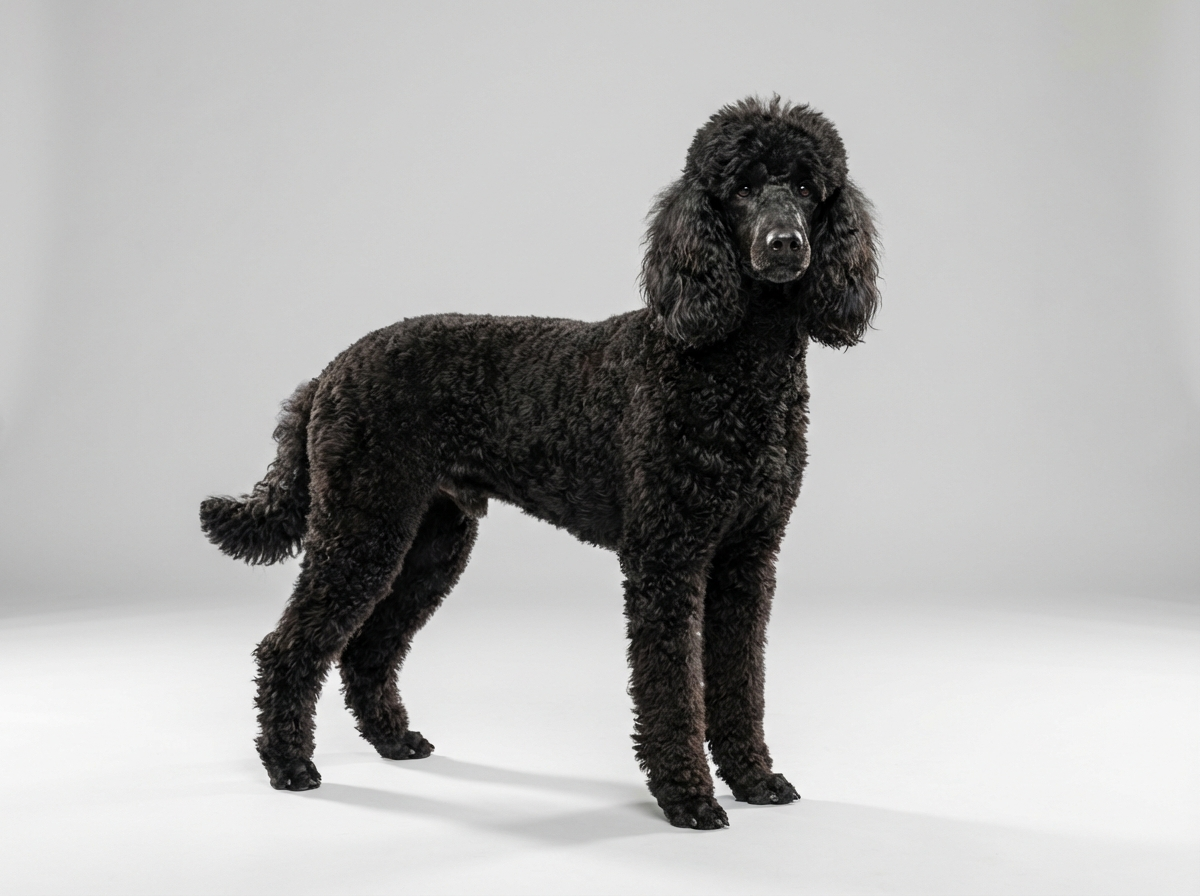
The Best Guard Dog Breeds for Home Security
Looking for the best guard dog breeds? This guide helps you choose the perfect canine protector for your home and family.
Understanding the Best Guard Dog Breeds
Choosing the best guard dog breeds is a crucial decision for many dog owners. These dogs not only provide security but also offer companionship and loyalty. A well-chosen guard dog can alert you to danger, protect your home, and even deter intruders, making them an essential part of your family's safety plan.
When considering the best guard dog breeds, it's important to understand what traits make a dog an effective protector. Generally, these dogs exhibit natural protective instincts, intelligence, and loyalty. They need to be trainable and able to respond to commands quickly. Additionally, size can play a role in their effectiveness, but temperament is often more critical. A well-socialized dog can be both protective and friendly, striking the right balance between guarding and companionship.
Knowing the different types of defensive dog breeds helps you select one that fits your lifestyle. Some breeds are better suited for families with children, while others may thrive in active households or with experienced dog owners. The right breed will depend on your living situation, activity level, and the amount of time you can dedicate to training and socialization. By understanding these factors, you can make an informed choice that ensures safety and harmony in your home.
Step-by-Step Plan for Choosing the Best Guard Dog Breeds
Finding the right guard dog can be a rewarding experience. Follow these steps to ensure you choose the best breed for your needs and lifestyle.

- Step 1: Assess Your Lifestyle
- Step 2: Research Guard Dog Breeds
- Step 3: Consider Training Needs
- Step 4: Evaluate Living Space
- Step 5: Meet Potential Dogs
- Step 6: Consult with Professionals
- Step 7: Prepare Your Home
- Step 8: Finalize Your Decision
Common Mistakes When Choosing the Best Guard Dog Breeds
Choosing the right guard dog involves more than just picking a breed. Here are common mistakes that can backfire.

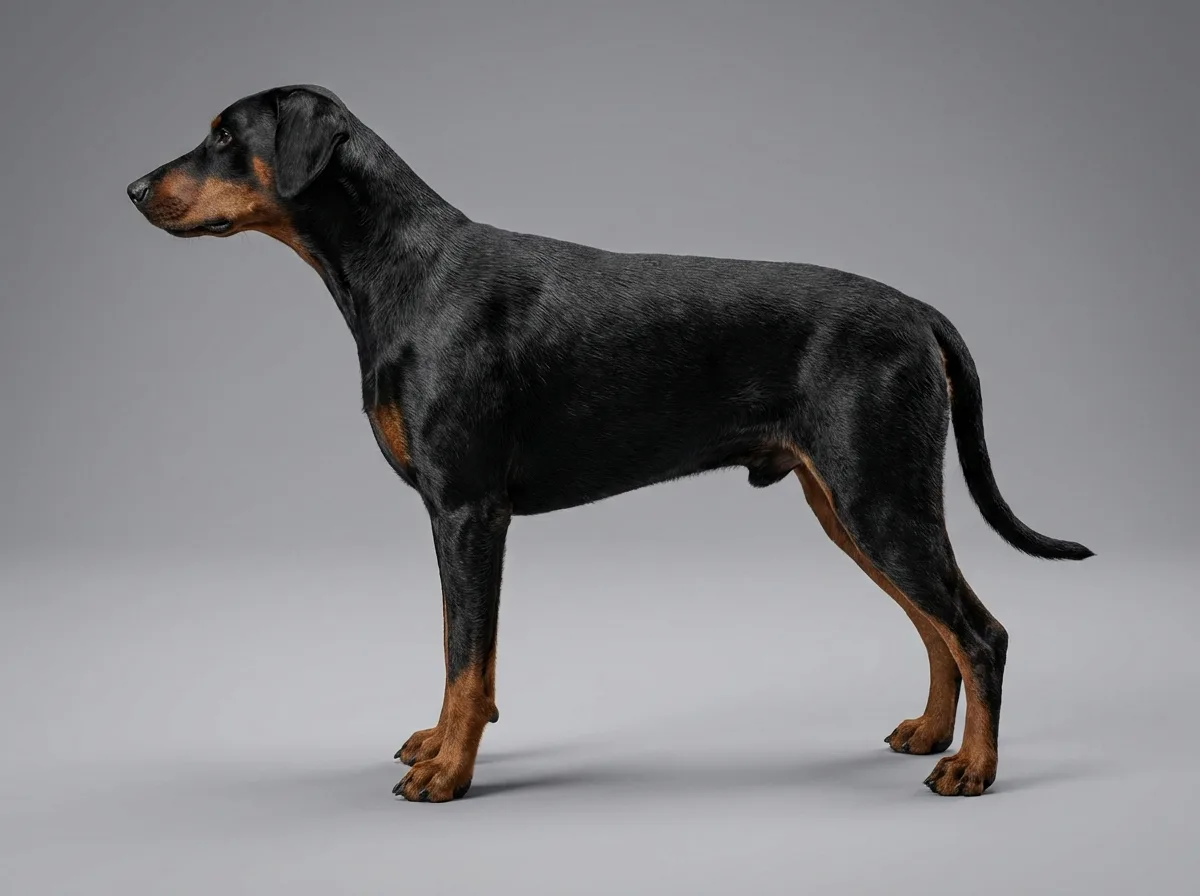
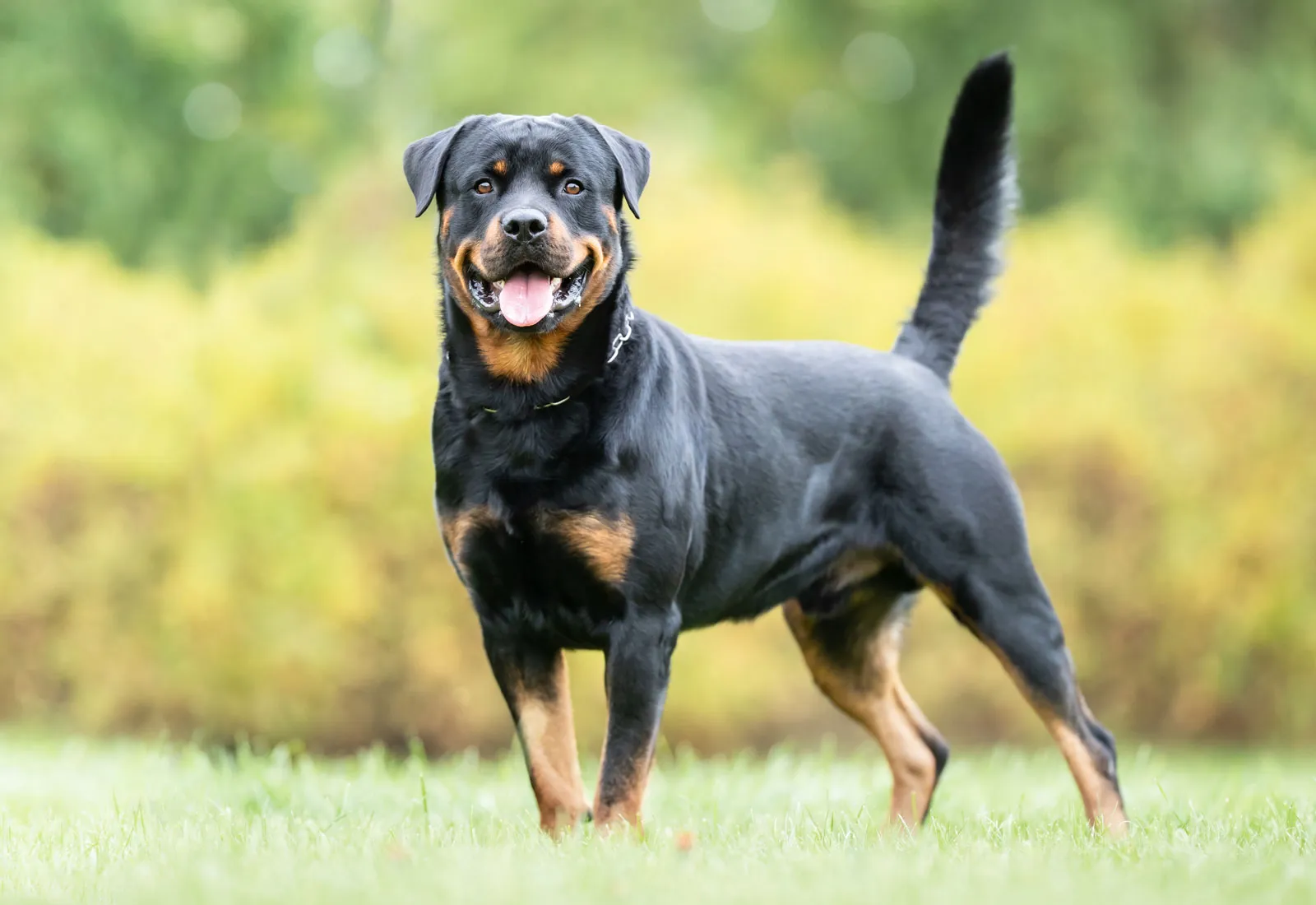
- 1. Ignoring Temperament: Many people choose a breed based solely on looks or reputation. Guard dogs need a temperament that suits your lifestyle and security needs. Breeds like Rottweilers or Doberman Pinschers can be protective, but if they aren't socialized properly, they may become aggressive rather than protective.
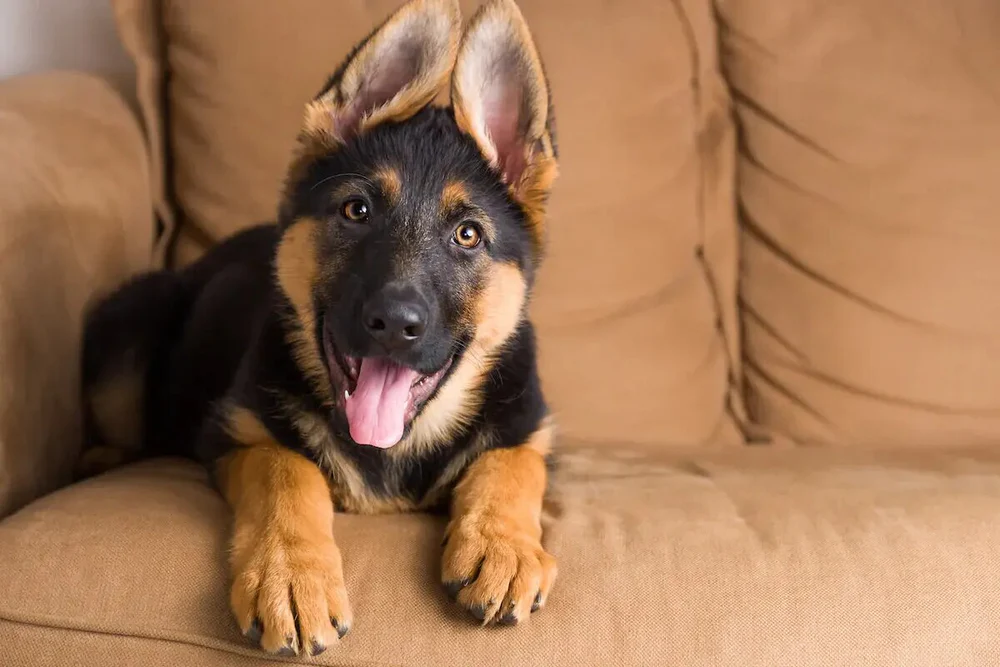
- 2. Overlooking Training Needs: Some breeds are naturally protective, but without proper training, they can become unmanageable. For instance, a German Shepherd excels in protective roles, but if not trained early, it might develop behavioral issues.
- 3. Underestimating Exercise Requirements: Guard dogs generally need regular exercise to maintain their physical and mental health. A lack of activity can lead to boredom and destructive behavior. For example, a high-energy breed like the Belgian Malinois needs daily exercise and mental stimulation to stay happy.
- 4. Misjudging Socialization: Failing to socialize your guard dog can lead to fear or aggression towards strangers. Early socialization helps them distinguish between a friend and a foe. A well-socialized dog, like a Labrador used as a security dog, can be friendly yet protective.
- 5. Not Considering Family Dynamics: Some breeds may not be suitable for families with small children or other pets. For example, while a Rottweiler can be a loving family dog, its protective instincts may not mesh well with a home that has toddlers. Assess your home dynamics before choosing a breed.
- 6. Overconfidence in Breed Reputation: Just because a breed is known for guarding, doesn't mean every individual will fit that role. Each dog has its own personality and needs. A breed like the Boxer might be friendly and playful, which may not align with your desire for a serious guard dog.
- 7. Dismissing Ongoing Costs: Many owners underestimate the financial commitment involved in owning a guard dog. From training classes to health care, these costs can add up quickly. A breed like the Doberman Pinscher may have higher vet bills due to potential health issues, so be prepared for ongoing expenses.
Debunking Myths About Best Guard Dog Breeds
Many misconceptions surround guard dogs. Let’s clear up some of the most common myths and reveal the truth behind them.

- Myth: All guard dogs are aggressive.
- Myth: Only large breeds make good guard dogs.
- Myth: Guard dogs don’t need training.
- Myth: Guard dogs will protect you without any effort on your part.
- Myth: Any dog can be trained to be a guard dog.
Advanced Tips for Choosing the Best Guard Dog Breeds
If you want to dive deeper into selecting the best guard dog breeds, consider these advanced strategies. These insights can help you make a well-informed decision and ensure your dog is a perfect fit for your home and lifestyle.
- Evaluate your home's layout and security needs.
- Consider temperament compatibility with family dynamics.
- Research training programs specific to guard dogs.
- Understand the legalities of having a guard dog in your area.
- Socialize your dog early to balance protective instincts with friendliness.
Insider Secrets for Choosing the Best Guard Dog Breeds
When selecting the best guard dog breeds, it’s essential to look beyond the surface. Here are some expert insights that can help you make a more informed choice.
- 1. Not All Breeds Are Naturally Protective: While some breeds like the Rottweiler and Doberman are known for their guarding instincts, others may need training to develop these traits. Look for a breed with a temperament that suits your lifestyle.
- 2. Socialization is Key: Effective guarding dogs need to be well-socialized from an early age. This helps them differentiate between normal and suspicious behavior, ensuring they only react when necessary.
- 3. Training Matters More Than Breed: A well-trained dog can often be a better guard than an untrained one, regardless of breed. Invest in obedience training and consider specialized protection training for your dog.
- 4. Consider Your Living Situation: The best guard dog breeds for an apartment might differ from those suited for a large home. Breeds like the German Shepherd can adapt well, but they also need space to move and exercise.
- 5. Health and Longevity: Some breeds come with hereditary health issues that can affect their suitability as guard dogs. Research the health history of any breed you consider to ensure longevity and reliability.
Checklist for Choosing the Best Guard Dog Breeds
Use this checklist to help you select the best guard dog for your home and lifestyle.
- Assess your living situation: Consider your home size, yard space, and family dynamics.
- Research breed characteristics: Look into temperaments, energy levels, and protective instincts of top protection dogs.
- Consider training needs: Evaluate how much time and effort you're willing to invest in training your guard dog.
- Check local regulations: Be aware of any breed restrictions or laws in your area regarding security dogs.
- Meet potential breeds: Spend time with different dog breeds to see which one fits your family best.
- Evaluate your activity level: Ensure the dog you choose can match your lifestyle, whether active or more laid-back.
- Plan for costs: Understand the financial commitment involved in caring for a defensive dog breed, including food, training, and healthcare.
- Prepare your home: Make sure your living space is dog-proofed and has a secure area for your guard dog.
- Consult with professionals: Speak to breeders, trainers, or veterinarians for insights on the best watchdogs for your needs.
Frequently asked questions
What is the number 1 guard dog?
The German Shepherd is often considered the number one guard dog. Known for their intelligence, loyalty, and trainability, they excel in protection roles. Their strong protective instincts make them ideal for families and individuals alike. This answer relates to best guard dog breeds.
Best guard dogs for beginners?
For beginners, breeds like the Labrador Retriever and Boxer can be great choices. They are friendly and adaptable, while still providing a sense of security. Training is key, so starting with basic obedience can help them be effective watchdogs.
Are protection dogs safe?
Yes, protection dogs can be safe if properly trained and socialized. It's important to choose a breed known for a stable temperament and to work with a professional trainer. A well-trained protection dog can be both a loyal companion and a security asset.
What traits should a good guard dog have?
A good guard dog should be alert, confident, and trainable. They should also have a protective nature without being overly aggressive. Socialization and training help ensure they can distinguish between threats and friends.
How much space do guard dogs need?
Guard dogs typically need space to roam and exercise. A home with a yard is ideal, but regular walks and playtime are essential for their physical and mental health. Apartment living can work if the dog gets enough daily exercise.
What are the most popular guard dog breeds?
Some of the most popular guard dog breeds include the German Shepherd, Rottweiler, and Doberman Pinscher. These breeds are known for their loyalty, intelligence, and protective instincts. Each offers unique traits, so it's important to consider which might best fit your needs.
How can I train my guard dog effectively?
Effective training for guard dogs involves consistent commands, socialization, and positive reinforcement. Starting training early is key, and incorporating obedience classes can help. Remember to keep sessions short and fun to maintain your dog's interest.
Are there any guard dog breeds that are good with kids?
Yes, several guard dog breeds can be great with kids while still being protective. Breeds like the Boxer and Bullmastiff are known for their gentle nature with children. Always supervise interactions and ensure your dog is well-trained and socialized.
What should I consider before getting a guard dog?
Before getting a guard dog, consider your living situation, lifestyle, and experience with dogs. Some breeds may require more space and exercise than others. It's also important to evaluate if you can commit to training and socializing your dog properly.
Do guard dogs require special diets?
While guard dogs don't necessarily require special diets, providing high-quality dog food tailored to their breed, age, and activity level is crucial. Consult with your vet to determine the best nutritional plan for your dog's needs.
Can I adopt a guard dog from a shelter?
Yes, many shelters have dogs with protective instincts that can make great guard dogs. Look for breeds known for their guarding abilities, such as Rottweilers or German Shepherds. Just be sure to assess the individual dog's temperament and history.
Are protection dogs expensive to maintain?
Maintaining a protection dog can vary in cost, depending on factors like food, grooming, and training. Generally, you should budget for training classes, vet visits, and supplies. Expect costs to range from a few hundred to over a thousand dollars annually.