Guide

The Best Dogs for People with Pet Allergies

Finding a furry friend when you have allergies can be a challenge. This guide reveals the best dogs for people with pet allergies, focusing on hypoallergenic and low dander breeds.

Understanding the Best Dogs for People with Pet Allergies

Finding the best dogs for people with pet allergies is crucial for creating a harmonious home. Many dog lovers face the challenge of allergies, which can make owning a dog seem impossible. However, certain breeds are known to produce fewer allergens, making them better options for allergy sufferers. This guide will help you explore hypoallergenic dogs, hair not fur breeds, and low dander pets that may be right for you.

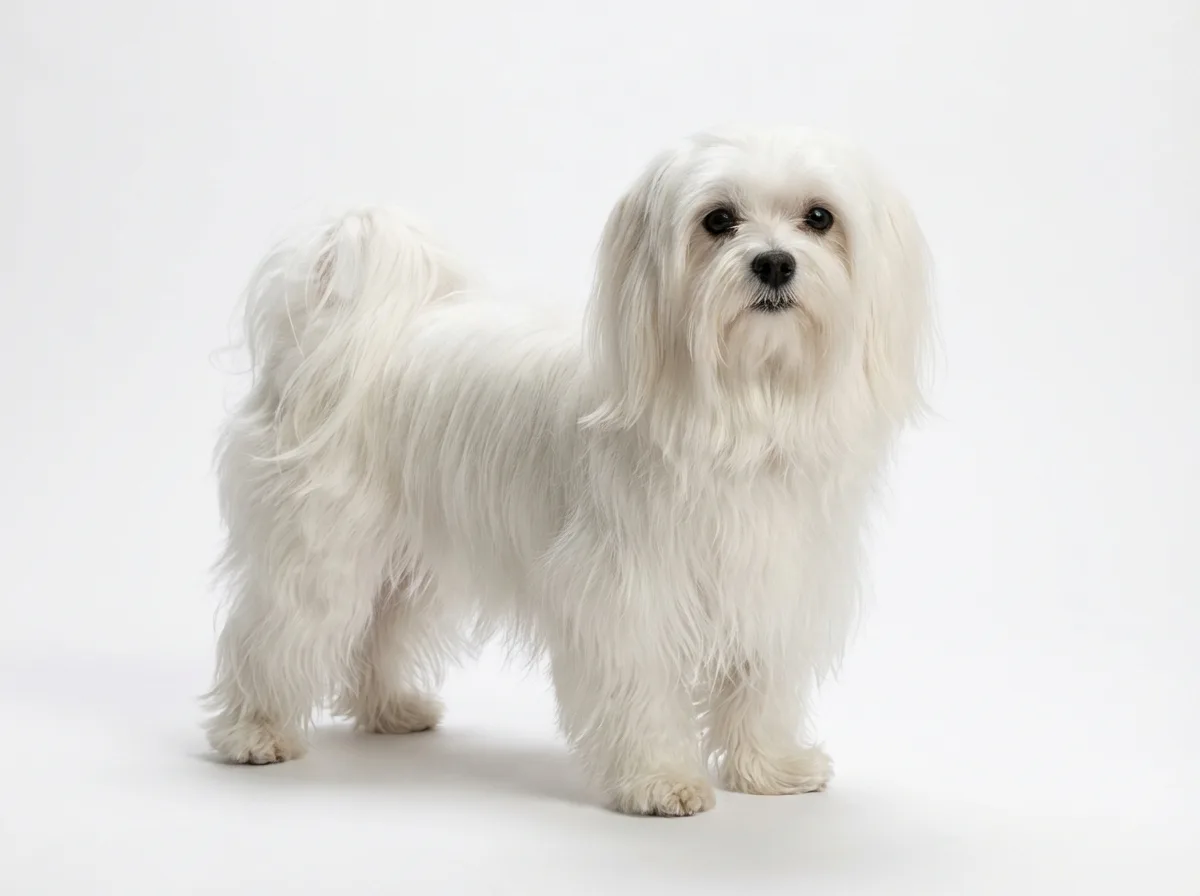
The term "hypoallergenic" refers to dog breeds that are less likely to trigger allergic reactions in sensitive individuals. While no dog is completely free of allergens, hypoallergenic breeds, such as Poodles and Maltese, typically produce less dander and shed less fur. This is particularly important for people who experience allergies, as it can mean fewer allergy symptoms and a more comfortable living environment.

When considering a dog, it’s vital to understand your specific allergies. Some people are allergic to dog saliva, while others react to dander or urine. Identifying what triggers your allergies can help narrow down your choices. For instance, if you are highly sensitive to dander, you might prefer breeds that are known to be low dander pets. This can make a significant difference in your overall quality of life while still allowing you to enjoy the companionship of a dog.

In this guide, we will cover various hypoallergenic breeds, their characteristics, and what makes them suitable for allergy sufferers. We’ll explore the pros and cons of each breed, helping you make an informed decision. Additionally, we’ll provide tips on how to minimize allergens in your home to create a safe and welcoming space for your new furry friend.

We’ll also address some common questions, such as “What dog has no dander?” and “Are there 100% non-allergenic dogs?” Understanding these concepts will empower you to make the right choice for your lifestyle and health needs. By the end of this guide, you’ll feel more confident about finding a dog that fits your needs without compromising your well-being.

Step-by-Step Guide to Choosing the Best Dogs for People with Pet Allergies

Finding the best dogs for people with pet allergies can be a challenge. Follow these steps to make an informed decision and create a suitable environment for your new furry friend.

1. Research Hypoallergenic Breeds

Start by researching hypoallergenic dogs, like Poodles and Maltese. These breeds typically produce less dander and hair, making them more suitable for allergy sufferers. Create a list of breeds that interest you and explore their personalities, care needs, and potential allergy triggers.

2. Visit Local Shelters and Rescues

Visit local shelters or rescue groups to meet dogs in person. Many shelters have mixed breeds that might still fall into the hypoallergenic category. Spending time with different dogs can help you find one that resonates with you and fits your allergy needs.

3. Talk to Allergists or Medical Professionals

Consult with an allergist or your doctor for personalized advice. They can help you understand your specific allergies and suggest breeds that are less likely to trigger reactions. Don't hesitate to ask questions about managing allergies with pets.

4. Meet Potential Dogs in Person

Before making a decision, meet potential dogs to see how you react. Spend time in a controlled environment with the dog to assess your allergy symptoms. This is a crucial step to ensure that the dog you choose is a good fit for your health.

5. Prepare Your Home

Make your home as allergy-friendly as possible. Consider using air purifiers, choosing hard flooring over carpet, and keeping your dog's area clean. Setting up a designated space for your dog will help manage dander and reduce allergens in your living space.

6. Establish a Care Routine

Create a consistent care routine that includes regular grooming, cleaning, and health check-ups. Grooming your dog regularly can help minimize shedding and dander. Sticking to a routine will make it easier to manage allergies while enjoying the companionship of your new pet.

Common Mistakes When Choosing the Best Dogs for People with Pet Allergies

Choosing the best dogs for people with pet allergies can be tricky. Here are some common mistakes to avoid to ensure a happier home for both you and your furry friend.

Myths and Facts About Dogs for People with Allergies

Many people have misconceptions about allergies and dogs. Let's debunk some common myths and clarify the facts.

Advanced Tips for Choosing the Best Dogs for People with Pet Allergies

If you're serious about finding the best dogs for people with pet allergies, you need to dig deeper. Here are some advanced strategies to consider when selecting and living with hypoallergenic dogs.

First, understand that no dog is completely allergen-free. However, some breeds produce fewer allergens than others. Research specific breeds known for being hypoallergenic, such as Poodles, Maltese, and Portuguese Water Dogs. These breeds have hair instead of fur, which can help minimize dander.

Next, consider grooming habits. Regular grooming can significantly reduce allergens in your home. Invest in a good quality grooming tool and schedule frequent baths for your dog. This will help remove loose hair and dander before it spreads around your home.

Another tip is to create an allergy-friendly environment. Use air purifiers with HEPA filters to trap allergens in your home. Regularly clean your living spaces to keep them free from dust and pet hair. You might also want to use washable pet bedding to reduce allergen accumulation.

Additionally, try to spend time with different breeds before making a decision. Visit shelters or breeders to see how your allergies react to specific dogs. This firsthand experience can help you gauge your sensitivity to different breeds.

Lastly, consult with an allergist. They can provide personalized advice on managing allergies and suggest the best dogs for your specific situation. They might even recommend allergy testing to determine your triggers more accurately.

By following these advanced tips, you can enhance your chances of finding a furry companion that fits your lifestyle while keeping allergies at bay.

Insider Secrets for Choosing the Best Dogs for People with Pet Allergies

Finding the best dogs for people with pet allergies requires some insider knowledge. Here are a few expert tips that can help you make an informed choice:

Checklist for Choosing the Best Dogs for People with Pet Allergies

Use this checklist to help you find the best dog for your allergy needs.

Frequently asked questions

What dog has no dander?

No dog is completely dander-free, but some breeds produce significantly less. Hypoallergenic dogs like Poodles and Maltese are often better for allergy sufferers because they have hair instead of fur, which traps dander.

Are there 100% non-allergenic dogs?

There are no dogs that are 100% non-allergenic. However, certain breeds are known to produce fewer allergens, making them more suitable for people with allergies. Hypoallergenic dogs are a good option to consider.

Best dogs for severe cat allergies?

If you have severe cat allergies, consider breeds like the Poodle or Portuguese Water Dog. These dogs are often better tolerated due to their low-shedding coats and lower dander production.

What are hypoallergenic dogs?

Hypoallergenic dogs are breeds that are less likely to trigger allergies in sensitive individuals. They typically have hair instead of fur, which helps reduce shedding and dander in the home.

How can I reduce allergens from my dog?

To reduce allergens, bathe your dog regularly and groom them frequently to minimize dander. Keeping your home clean and using air purifiers can also help manage allergens effectively.

What are the best dogs for people with pet allergies?

The best dogs for people with pet allergies often include breeds like Poodles, Maltese, and Portuguese Water Dogs. These breeds are known for having hair instead of fur, which can reduce allergens in the home. It's important to note that individual reactions may vary, so spending time with a breed before bringing one home is a good idea.

Are there 100% non-allergenic dogs?

Unfortunately, there are no dogs that are completely non-allergenic. However, some breeds are considered hypoallergenic and produce fewer allergens than others. Breeds like the Poodle and Bichon Frise are popular choices for allergy sufferers due to their lower levels of dander.

What dog has no dander?

No dog is entirely free of dander, but some breeds produce significantly less. Hypoallergenic breeds, such as the Basenji and the Schnauzer, are known for having lower dander levels, making them more suitable for those with allergies. Regular grooming and cleaning can also help minimize dander in your home.

Can I have a dog if I have severe allergies?

Yes, you can have a dog even if you have severe allergies, but it requires careful planning. Choosing a hypoallergenic breed is essential, along with implementing cleaning routines to reduce allergens. Additionally, consider consulting with an allergist for personalized strategies to manage your allergies.

Are there allergy-safe dogs for families with young children?

Yes, some allergy-safe dogs are great for families with young children. Breeds like the Maltese and Poodle are friendly, gentle, and hypoallergenic, making them suitable for kids. Always supervise interactions between dogs and young children to ensure a safe and positive experience.

How can I reduce allergens if I already own a dog?

To reduce allergens if you already own a dog, establish a regular grooming routine. Frequent baths and brushing can help minimize dander. Additionally, using air purifiers and maintaining a clean home environment can significantly reduce allergy symptoms.

What are some tips for choosing a hypoallergenic dog?

When choosing a hypoallergenic dog, consider the dog's size, temperament, and energy level to match your lifestyle. Research breeds known for being hypoallergenic, like Poodles or Portuguese Water Dogs. It's also wise to spend time with the breed before committing to ensure you don't have an allergic reaction.