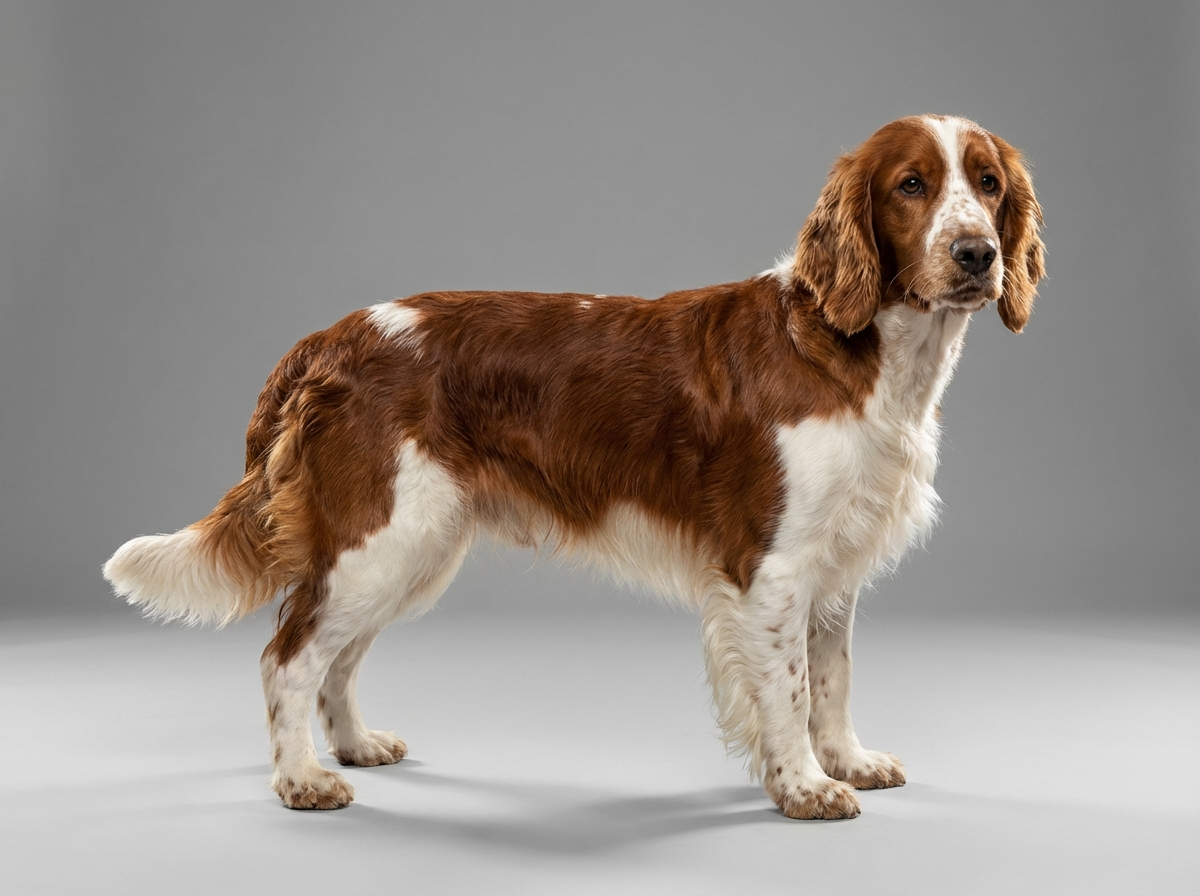
Best Dog for People with No Experience
Finding the right dog can be tricky for first-time owners. This guide helps you discover the best dog for people with no experience, focusing on easy and beginner-friendly breeds.
Finding the Best Dog for People with No Experience
Choosing the best dog for people with no experience can feel daunting. However, it’s important to remember that some breeds are more forgiving and easier to train than others. This guide will help you identify beginner-friendly breeds that can suit your lifestyle, making your journey into dog ownership enjoyable and less stressful.
Understanding Beginner-Friendly Dog Breeds
When selecting a dog, consider breeds known for their ease of training and friendly temperaments. Beginner-friendly breeds often have a calm demeanor and are generally more adaptable to new environments. By choosing the right breed, first-time owners can avoid common pitfalls, such as behavioral issues or excessive anxiety, which can arise from miscommunication between dog and owner.

Why Choosing the Right Breed Matters
The right dog breed can make a world of difference for inexperienced owners. A dog that’s easy to train and handle will help you build confidence in your new role as a pet parent. Furthermore, a well-suited breed can minimize the risk of frustration and disappointment, ensuring a smoother transition into dog ownership.

Getting Started with Your New Dog
Once you’ve identified breeds that fit your needs, it’s time to prepare for your new furry family member. Ensure you have the right supplies, such as food, toys, and training tools. Engaging in basic training early can also set the foundation for a positive relationship. Many new owners find that enrolling in obedience classes or seeking professional guidance makes a significant difference in their training journey.

Step-by-Step Plan to Find the Best Dog for People with No Experience
Finding the best dog for first-time owners can feel overwhelming, but breaking it down into manageable steps makes it easier. Follow this guide to ensure you make an informed decision that suits your lifestyle.
- Step 1: Assess Your Lifestyle
- Step 2: Research Beginner-Friendly Breeds
- Step 3: Visit Local Shelters or Breeders
- Step 4: Prepare Your Home
- Step 5: Invest in Training Resources
- Step 6: Bring Your Dog Home
- Step 7: Establish a Routine
Step 1: Assess Your Lifestyle
Consider your daily routine, living situation, and activity level. Are you home often, or do you travel frequently? Do you have children or other pets? This will help narrow down the most suitable dog breeds.
Step 2: Research Beginner-Friendly Breeds
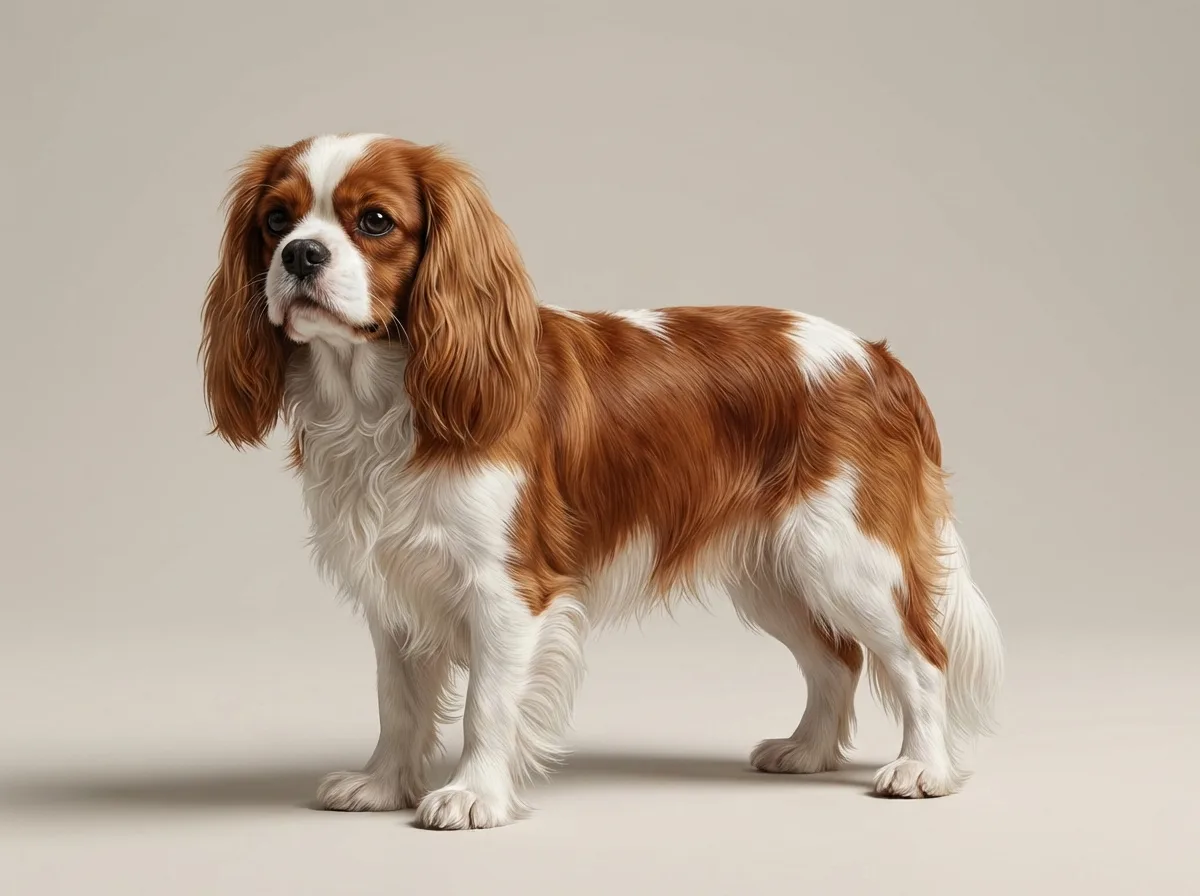
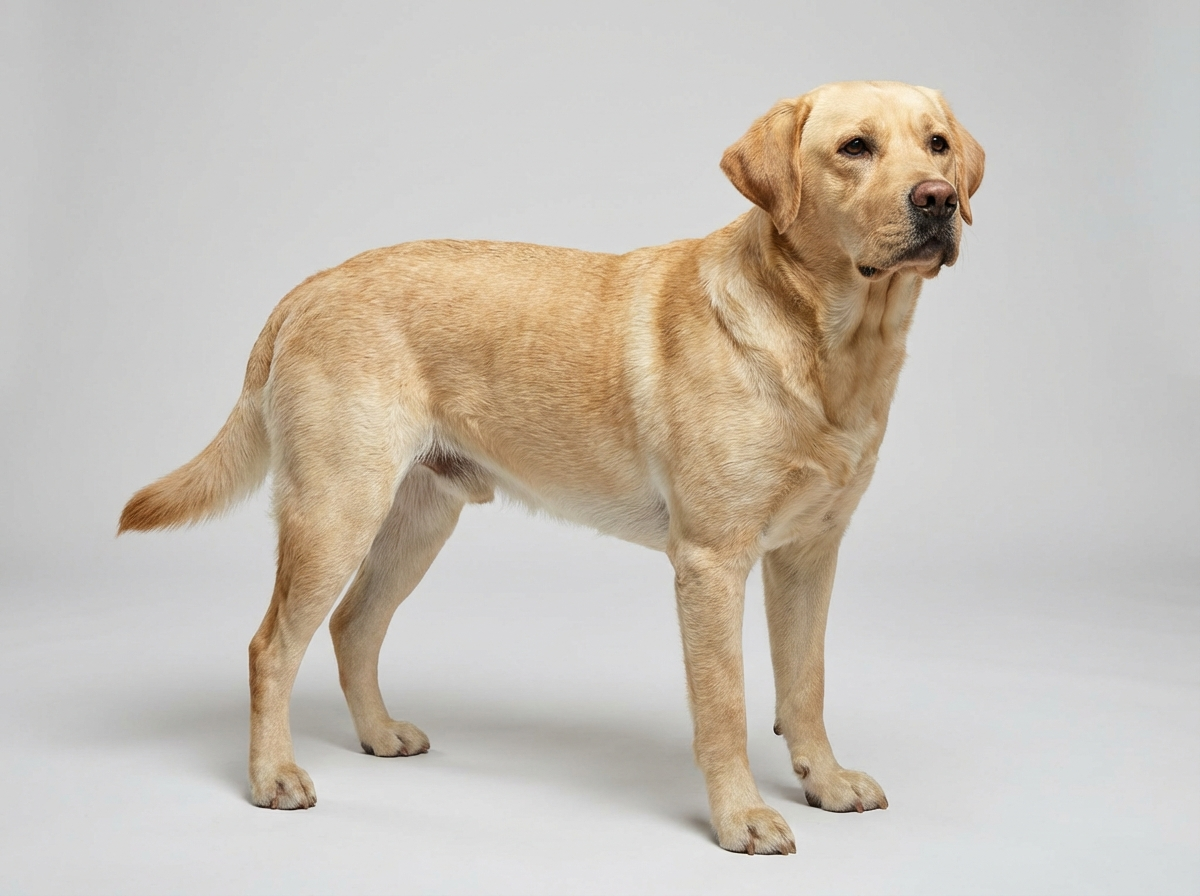
Look for breeds known to be easy and forgiving, such as the Labrador Retriever, Bichon Frise, or Cavalier King Charles Spaniel. These dogs are generally adaptable and good-natured, making them perfect for first-time owners.
Step 3: Visit Local Shelters or Breeders
Once you’ve identified potential breeds, visit local shelters or reputable breeders. Meeting dogs in person helps you understand their temperaments and needs, and you may find a wonderful companion waiting for you.
Step 4: Prepare Your Home
Before bringing a dog home, make your space safe and welcoming. Purchase necessary supplies, such as food and water bowls, a comfortable bed, toys, and grooming tools. This preparation sets the stage for a smooth transition.
Step 5: Invest in Training Resources
Consider online courses or local training classes to help you and your new dog learn basic commands and socialization skills. A well-trained dog is generally happier and easier to manage.
Step 6: Bring Your Dog Home
When you finally bring your dog home, give them time to adjust to their new environment. Be patient and understanding as they explore their new space and establish a bond with you.
Step 7: Establish a Routine
Dogs thrive on routine. Set regular feeding, walking, and playtimes. This consistency helps your dog feel secure and makes training easier.
Common Mistakes First-Time Dog Owners Make
Choosing the best dog for people with no experience can be challenging. Many first-time owners make mistakes that can lead to frustration for both them and their new pet. Here are some common pitfalls and why they can backfire.
- Not researching the breed's needs
- Underestimating training time
- Ignoring exercise requirements
- Overlooking socialization
- Neglecting health care costs
- Choosing a dog based on looks alone
- Expecting instant companionship
Common Myths About Choosing the Best Dog for People with No Experience
When considering the best dog for people with no experience, several myths can lead to misunderstandings. Let's debunk some of these myths and clarify the facts.
- Fact: While some dogs are easier to train than others, each dog has its own personality. Breeds like Labradors and Bichon Frises are beginner-friendly, making training simpler for first-time owners.
- Fact: Small dogs can be just as demanding as larger breeds. For example, a Chihuahua may require just as much attention and training as a Labrador, especially in terms of socialization.
- Fact: Adult dogs can bond just as well as puppies. Many adult dogs from shelters are already trained and can be a great fit for someone new to dog ownership.
- Fact: While some breeds are known to be easier for beginners, many dogs can thrive in the right environment with the right training. It’s essential to consider individual temperament rather than just breed.
- Fact: All dogs, regardless of size, need regular exercise. A small dog like a Cavalier King Charles Spaniel can be quite active and requires daily walks and playtime.
Advanced Tips for Choosing the Best Dog for People with No Experience
Picking the best dog for people with no experience is about more than just finding a cute face. Here are some deeper insights to help you make a thoughtful choice that fits your lifestyle and needs. First, consider your living situation. If you live in an apartment, look for breeds known to adapt well to smaller spaces, such as Bichon Frises or Cavalier King Charles Spaniels. These breeds not only fit comfortably in smaller areas but also have moderate exercise needs, making them great for busy owners.
Next, think about energy levels. Beginner-friendly breeds like Labrador Retrievers are known for their friendly nature and intelligence. However, they require daily exercise and mental stimulation. If you want a more low-key companion, look for breeds that are naturally calm. Additionally, consider your family's dynamics. If you have young kids, choose a breed that is patient and gentle, as these characteristics can help foster a better relationship.
Training is crucial for first-time owners. Opt for dogs that are eager to please and quick learners. Breeds like the Beagle tend to be forgiving, making training easier for beginners. Don't shy away from enrolling in puppy classes; they can provide valuable socialization and training fundamentals. Finally, be ready for the long haul. Dogs live for 10 to 15 years, so ensure you’re ready for the commitment. Consider your future lifestyle changes, like job shifts or family expansions, and how they might affect your ability to care for your pet.

Insider Secrets for Choosing the Best Dog for People with No Experience
Finding the best dog for people with no experience can be a rewarding journey. Here are some insider secrets to help you choose wisely.
- Consider the dog's energy level in relation to your lifestyle. High-energy breeds need more exercise, which can be overwhelming for a new owner.
- Look for breeds known for their trainability. Dogs that respond well to training can make the experience enjoyable and less stressful.
- Think about the size of the dog in relation to your living space. Smaller dogs often adapt better to apartments or smaller homes.
- Research breeds that are naturally more forgiving. Some dogs are more tolerant of mistakes, making them ideal for first-time owners.
- Don’t underestimate the importance of socialization. Early exposure to different people, pets, and environments can make a big difference.
Checklist for Choosing the Best Dog for People with No Experience
Use this checklist to find the right dog that suits your lifestyle as a first-time owner. Consider the following factors to ensure a smooth transition into dog ownership.
- Assess your lifestyle: Consider your daily routine, activity level, and living situation.
- Research breeds: Look into beginner-friendly breeds like Labrador Retrievers, Bichon Frises, and Cavalier King Charles Spaniels.
- Consider size: Choose a dog that fits well in your home and can adapt to your living space.
- Check temperament: Look for dogs known for being easygoing and forgiving.
- Evaluate grooming needs: Opt for breeds that require minimal grooming for ease of care.
- Plan for training: Commit to basic training to establish good behavior early on.
- Budget for costs: Factor in the costs of food, vet visits, and supplies.
- Prepare your home: Create a safe space with essentials like a bed, food, and water bowls.
- Get support: Reach out to local trainers or pet groups for guidance.
- Be patient: Allow time for adjustment for both you and your new dog.
Frequently asked questions
What is the best dog for people with no experience?
The best dog for people with no experience is often a breed that is friendly, eager to please, and relatively easy to train. Breeds like the Labrador Retriever, Cavalier King Charles Spaniel, and Bichon Frise are popular choices. They tend to be forgiving and adaptable, making them great companions for first-time owners.
What are some beginner-friendly breeds?
Beginner-friendly breeds include the Labrador Retriever, Golden Retriever, and Beagle. These dogs are known for their friendly nature and willingness to learn. They are also typically patient with new owners, allowing for a smoother training experience.
What are the hardest dogs for beginners?
Some of the hardest dogs for beginners include breeds like the Border Collie, Rottweiler, and Jack Russell Terrier. These breeds often require more experience in training and socialization. They may also have higher energy levels and need more exercise, which can be challenging for new dog owners.
What is a forgiving dog breed?
Forgiving dog breeds are those that are tolerant of training mistakes and can adapt to their owner's learning curve. Breeds like the Cavalier King Charles Spaniel and Bichon Frise tend to be forgiving, making them ideal for first-time owners. They often respond well to positive reinforcement and have gentle temperaments.
What is the best dog to learn with?
The best dog to learn with is one that has a temperament suited for training and a willingness to please. Breeds like the Labrador Retriever and Golden Retriever are excellent choices. They are generally eager to learn and respond well to consistency and patience.
What are the hardest dog breeds for beginners?
Some of the hardest dogs for beginners include breeds like the Border Collie and the Belgian Malinois. These breeds require a lot of training, exercise, and mental stimulation. If you’re a first-time owner, it’s best to avoid breeds that are known for their high energy and stubbornness.
Which dog is best to learn with as a first-time owner?
The best dog to learn with as a first-time owner is often a breed like the Labrador Retriever or the Bichon Frise. These breeds are known for their friendly temperament and eagerness to please. They are forgiving of mistakes, which makes them ideal for beginners.
Are there forgiving dog breeds for inexperienced owners?
Yes, forgiving dog breeds include the Cavalier King Charles Spaniel and the Golden Retriever. These breeds tend to be patient and adaptable, making it easier for new owners to bond with them. Their gentle nature can help you learn the ropes of dog ownership without much stress.
What are some easy dogs for first-time owners?
Easy dogs for first-time owners often include breeds like the Bichon Frise and the Pug. These breeds typically have lower exercise needs and are generally well-mannered. They can make the transition to dog ownership smoother for those who are new to it.
Can I train an older dog as a beginner?
Yes, training an older dog can be a great option for beginners. Older dogs often come with some basic training and experience, making them easier to handle. Just be sure to choose a breed known for being calm and patient.
What should I consider before getting a dog as a first-time owner?
Before getting a dog, consider your lifestyle, living situation, and how much time you can dedicate to training and exercising a pet. Also, think about the dog's energy level and grooming needs. Choosing a breed that fits your lifestyle will help ensure a positive experience.
Are small breeds easier for first-time owners?
Small breeds can be easier for first-time owners, but it depends on the individual dog's temperament. Breeds like the Bichon Frise and Cavalier King Charles Spaniel are often good choices. However, small dogs can still have big personalities and require training just like larger breeds.