Best Dog Breeds for Suburban Homes
Finding the best dog breeds for suburban homes can transform your family life. This guide helps you choose the perfect companion for your neighborhood.
Understanding the Best Dog Breeds for Suburban Homes
Choosing the best dog breeds for suburban homes is crucial for families looking to harmonize their lifestyle with a furry companion. Suburban living often means having more space than city dwellers, but it also comes with specific challenges. Understanding which breeds fit well into this environment can lead to a happier home for both dogs and owners.
Why Breed Choice Matters in Suburban Areas
Suburban neighborhoods typically have more room to roam than urban settings, but they can also have their own set of rules and expectations. Choosing the right breed can help ensure that your dog adapts well and thrives in this environment. Additionally, the right breed can contribute to a safer and more enjoyable experience for your family and neighbors.

What to Consider When Choosing a Suburban Dog
When selecting the best dog breeds for suburban homes, consider factors like size, energy levels, and temperament. Larger breeds may enjoy more space, while smaller or medium-sized dogs can be perfect for families with small yards. Additionally, social breeds that get along well with children and other pets can make great neighborhood companions.

Key Features of Ideal Suburban Breeds
Here are some features to look for in suburban-friendly breeds:

- Moderate to high energy levels for playtime in the backyard
- Friendly demeanor with families and neighbors
- Adaptability to various living situations
- Good behavior on a leash for walks in the neighborhood
- Compatibility with fenced yards
Finding the Right Fit for Your Suburban Family
Ultimately, the best dog breeds for suburban homes are those that fit your family’s lifestyle and environment. By considering size, energy, and temperament, you can find a furry friend that complements your suburban life. Don’t forget to research breeds that are known for being good with kids and other pets, ensuring a joyful household for all.
Step-by-Step Plan for Choosing the Best Dog Breeds for Suburban Homes
Finding the right dog breed for your suburban home can be a rewarding journey. Here are practical steps to help you choose wisely.
- Step 1: Assess Your Space
- Step 2: Consider Your Family's Lifestyle
- Step 3: Research Suitable Breeds
- Step 4: Meet Different Breeds
- Step 5: Evaluate Training Needs
- Step 6: Plan for Exercise and Socialization
- Step 7: Understand Ownership Costs
- Step 8: Prepare Your Home and Family
Step 1: Assess Your Space
Start by evaluating your home and yard. Measure your backyard space and consider if it’s fenced. Suburban homes usually have yards, which can be great for dogs, but the size will influence your choice. Smaller breeds may thrive in smaller yards, while larger breeds need more room to roam.
Step 2: Consider Your Family's Lifestyle
Think about your family's daily routine. Are you busy with work and school? If so, a lower-energy dog might be a better fit. Families with kids should look for friendly, social breeds that can handle playtime and activity. Understanding your lifestyle will help narrow down your options.
Step 3: Research Suitable Breeds
Once you know your space and lifestyle, research breeds that fit. Look for options like the Labrador Retriever, Goldendoodle, or Boxer. These breeds are known as great suburban family dogs. Focus on traits like temperament, energy levels, and compatibility with kids.
Step 4: Meet Different Breeds
Visit local shelters, pet stores, or dog shows to meet various breeds. Spend time interacting with them to see how they respond to your family. This hands-on experience can help you feel confident about your choice.
Step 5: Evaluate Training Needs
Consider the training requirements of your chosen breeds. Some dogs, like Boxers, may require more intensive training due to their energy. Research training programs available in your area. A well-trained dog is essential for a harmonious suburban life.
Step 6: Plan for Exercise and Socialization
Dogs need regular exercise and socialization to thrive. Plan daily walks and consider dog parks nearby. Ensure that your chosen breed will fit into your routine for exercise and socializing with other pets.
Step 7: Understand Ownership Costs
Ownership costs can vary. Expect to spend around $500 to $1,500 annually for food, grooming, and vet visits. Research costs specific to the breeds you’re considering, and budget accordingly to avoid surprises.
Step 8: Prepare Your Home and Family
Finally, ensure your home is ready for a new pet. Create a safe space for the dog and involve your family in the process. Prepare them for the responsibility of a new family member, ensuring everyone knows their roles in caring for the dog.
Common Mistakes with Suburban Dog Ownership
Owning a dog in a suburban environment comes with unique challenges. Here are some common mistakes new owners make and why they can lead to issues.
- Choosing the wrong breed for the space available
- Neglecting socialization opportunities
- Overlooking exercise needs
- Ignoring local leash laws
- Failing to train properly
Common Myths About Best Dog Breeds for Suburban Homes
There are many myths about the best dog breeds for suburban homes. Let's debunk some of these common misconceptions to help you make a more informed decision.
- Myth: All dog breeds need a large yard.
- Myth: Suburban dogs are always calm and quiet.
- Myth: Any dog can adapt to suburban life easily.
- Myth: Smaller breeds are better suited for suburban homes.
- Myth: Dogs require constant exercise in open spaces.
Advanced Tips for Choosing the Best Dog Breeds for Suburban Homes
Finding the best dog breeds for suburban homes goes beyond just selecting a friendly face. Here are some advanced tips to ensure a perfect match for your family and lifestyle.
First, consider the energy level of the breed. Suburban homes often have yards, but the size can vary. If you have a smaller yard, look for breeds that enjoy walks and playtime rather than high-energy dogs that need constant exercise. For example, a Boxer might thrive with daily walks, while a Goldendoodle may need more active playtime.
Second, think about socialization needs. Suburban neighborhoods can be busy, filled with families and other dogs. Breeds that are naturally social, like Labradors, can adapt well to this environment. Early socialization with people and other pets is crucial to prevent shyness or aggression.
Third, consider training requirements. Some breeds are more trainable than others. If you’re a first-time dog owner, lean towards breeds known for their eagerness to please, such as the Golden Retriever. Consistent training and positive reinforcement will help your dog thrive in a suburban setting.
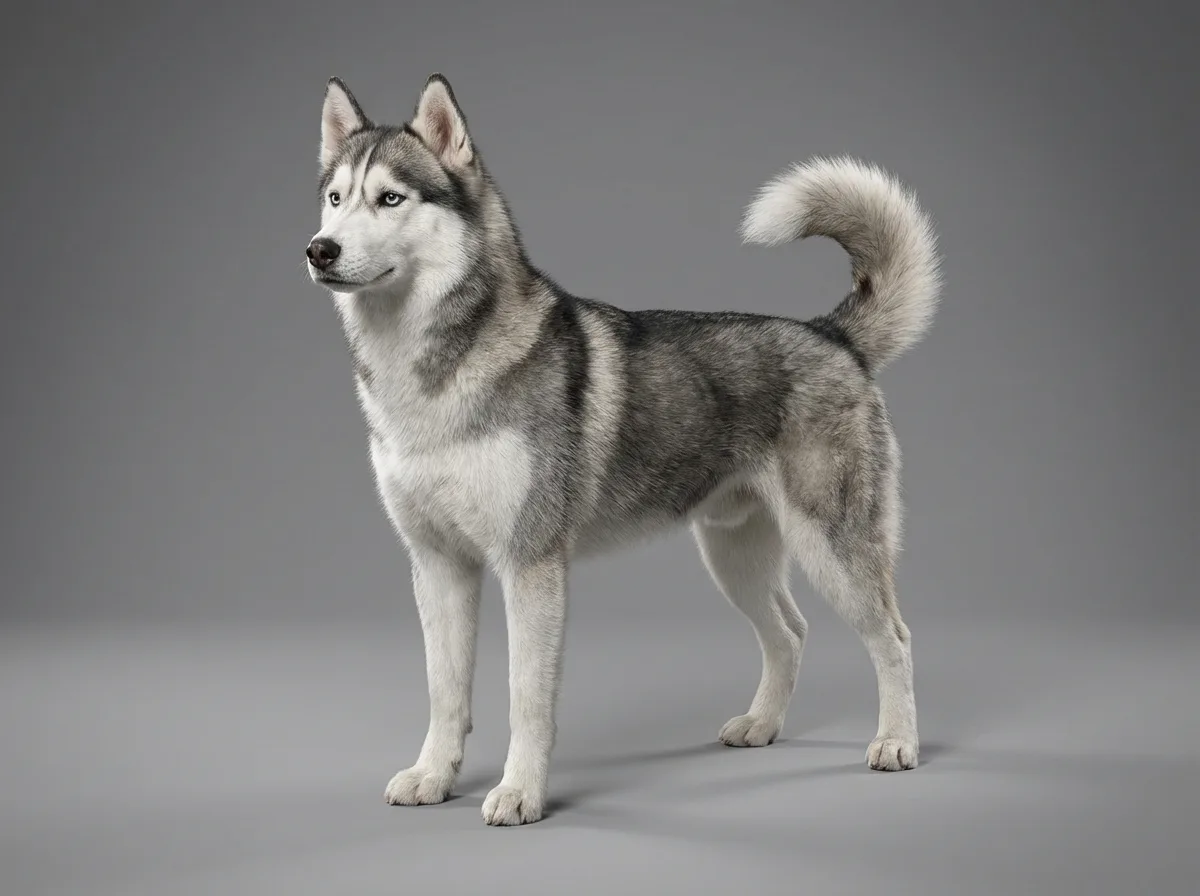
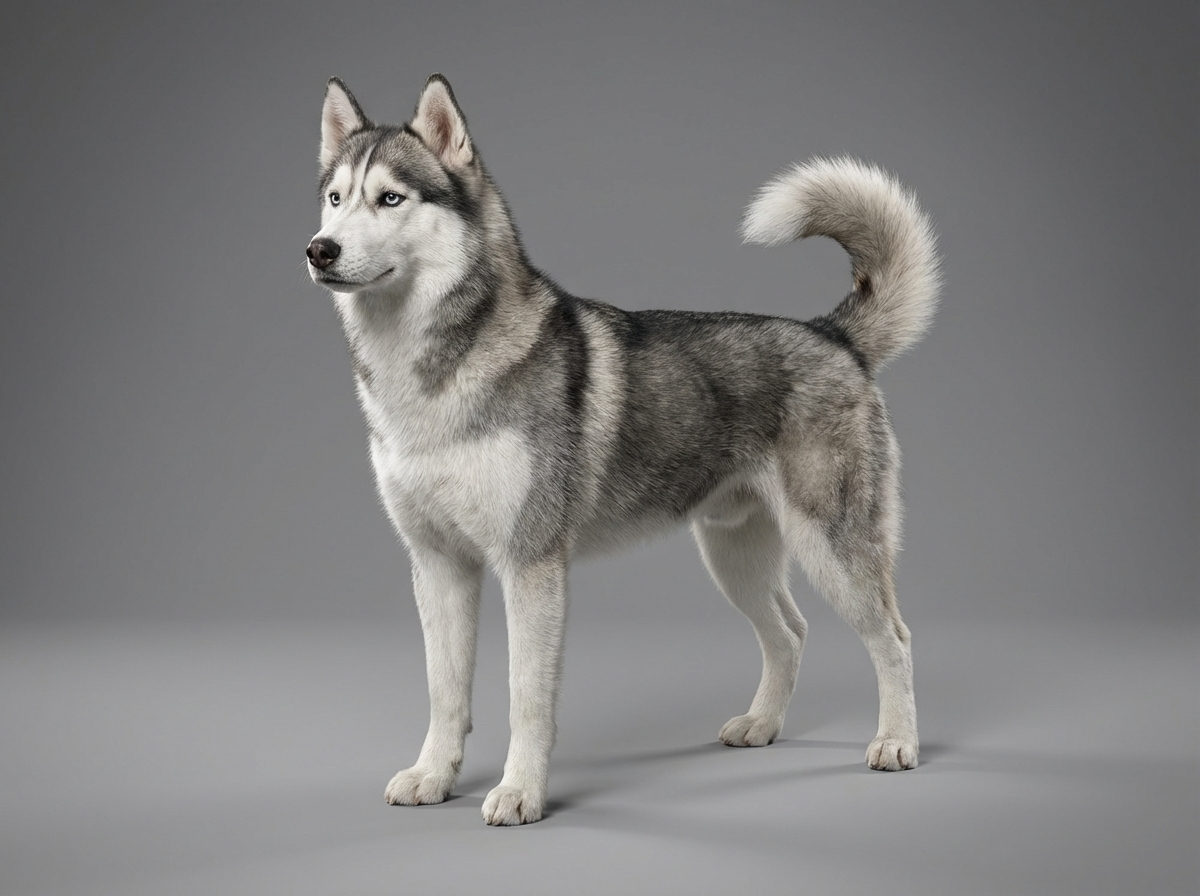
Also, keep in mind the climate. Certain breeds fare better in specific climates. Research breeds that are suited for your area's weather. For instance, a Siberian Husky may struggle in extremely hot areas. Look for breeds that can handle your local climate comfortably.
Lastly, think about your family's lifestyle. A busy family with kids might prefer a breed known for being tolerant and playful, like a Labrador or Boxer, while a retiree might enjoy the companionship of a calmer breed like a Cavalier King Charles Spaniel. Assess how much time you can dedicate to training, exercise, and grooming to find the right fit.

Insider Secrets for Choosing the Best Dog Breeds for Suburban Homes
Choosing the best dog breeds for suburban homes involves more than just picking a cute face. Here are some insider secrets to help you make the right decision.
- Understand the importance of exercise space: Suburban homes often come with yards, but not all dogs need the same amount of space. Breeds like Labradors thrive with room to roam, while smaller breeds might be just fine in a cozy backyard.
- Consider noise levels: Some breeds, like Boxers, can be quite vocal. If you live close to neighbors, choosing a quieter breed can save you from complaints and keep the peace in your neighborhood.
- Socialization is key: Suburban areas often have dog parks and community events. Breeds that are naturally friendly and social, like Goldendoodles, can benefit from regular interactions with other dogs and people.
- Fencing matters: Many suburban homes have yards with fences. Before adopting, research which breeds are good at respecting boundaries. Some dogs, especially those with high prey drives, might dig under or jump over fences if not properly trained.
- Grooming needs can impact your choice: Breeds with long or thick fur may require regular grooming, which can be a commitment. Consider the grooming needs of breeds like Goldendoodles versus short-haired breeds when making your choice.
Checklist for Choosing the Best Dog Breeds for Suburban Homes
Use this checklist to help you find the perfect dog for your suburban lifestyle.
- Consider the size of your yard and home.
- Research dog breeds that thrive in suburban environments.
- Check breed energy levels to match your family's activity.
- Look for breeds known to be social and friendly with neighbors.
- Evaluate grooming needs based on your lifestyle.
- Ensure the breed is good with children if you have kids.
- Assess how well the breed adapts to fences and outdoor spaces.
- Think about training needs and your commitment level.
Frequently asked questions
What are the best dog breeds for suburban homes?
Some of the best dog breeds for suburban homes include Labradors, Goldendoodles, and Boxers. These breeds are generally friendly, adaptable, and enjoy having space to play. They also tend to be good with children, making them ideal for families.
What makes a dog suitable for suburban living?
A suitable dog for suburban living is often social, adaptable, and enjoys time outdoors. They should be comfortable with a yard and can handle interaction with neighbors and other pets. Breeds that are not overly demanding in terms of exercise are also great choices.
Are there specific breeds that are good with fences?
Yes, some breeds are particularly good with fences and can help keep your yard secure. Breeds like Boxers and Labrador Retrievers tend to respect boundaries and are less likely to try to escape. It's essential to train them to understand their limits.
What are popular suburban dog breeds?
Popular suburban dog breeds include the Labrador Retriever, Golden Doodle, and Boxer. These breeds are known for their friendly personalities and adaptability to family life. They also enjoy interacting with other pets and neighbors.
How much space do suburban dogs need?
Suburban dogs generally thrive with access to a backyard or nearby parks for exercise. While many breeds can adapt to smaller spaces, having room to roam and play is ideal. Regular walks and outdoor time are also essential for their well-being.
What is the best family dog for suburbs?
The best family dog for suburbs often includes breeds like the Labrador Retriever or the Golden Doodle. These dogs are friendly, social, and adapt well to suburban life. They enjoy being around people and can thrive in a backyard setting.
Are there dogs that are good with fences?
Yes, many breeds are great with fenced yards, including Boxers and Beagles. These dogs typically enjoy playing and running around in a safe space. However, it's important to ensure that any dog you choose can be trained not to jump or dig under the fence.
What are some popular suburban breeds?
Popular suburban breeds include Labrador Retrievers, Golden Doodles, and Boxers. These breeds are often chosen for their friendly nature and adaptability to family life in neighborhoods. They usually get along well with kids and other pets.
How much exercise do suburban dogs need?
Suburban dogs generally need at least 30 minutes to 2 hours of exercise daily, depending on the breed. Regular walks, playtime in the backyard, and visits to dog parks can help meet their exercise needs. It's essential to consider your dog’s energy level when choosing a breed.
Can small breeds be good suburban dogs?
Absolutely! Small breeds like Pugs and French Bulldogs can thrive in suburban environments. They require less space and exercise than larger breeds, making them great companions for families with smaller yards.
What are social breeds suitable for suburban living?
Social breeds like Golden Retrievers and Labradors are ideal for suburban living. They love interacting with people and other dogs, making them great neighborhood companions. Their friendly demeanor can help foster a sense of community with your neighbors.
Are there any dog breeds to avoid in suburban settings?
Breeds with high energy levels and strong prey drives, like Border Collies or Greyhounds, may not be ideal for suburban settings unless you can commit to significant exercise. These breeds might require more space and stimulation than a typical suburban yard can provide.