Best Dog Breeds for Special Needs Children
Finding the right dog breed can be a game-changer for families with special needs children. This guide highlights the best dog breeds that offer support, comfort, and companionship.
Understanding the Best Dog Breeds for Special Needs Children
Choosing the right dog breed for a special needs child can be a life-changing decision. The best dog breeds for special needs children not only offer companionship but also provide emotional and therapeutic support. This guide will help you identify which breeds are suitable, what traits to look for, and why these factors matter for your family.
Why Dogs Matter for Special Needs Children
Dogs can enhance the quality of life for children with special needs in many ways. They offer unconditional love, help reduce anxiety, and can even assist in developing social skills. For children on the autism spectrum or those with anxiety disorders, having a gentle companion can provide a sense of security and comfort. This bond can lead to improved emotional regulation and increased confidence in social situations.

What to Consider When Choosing a Dog
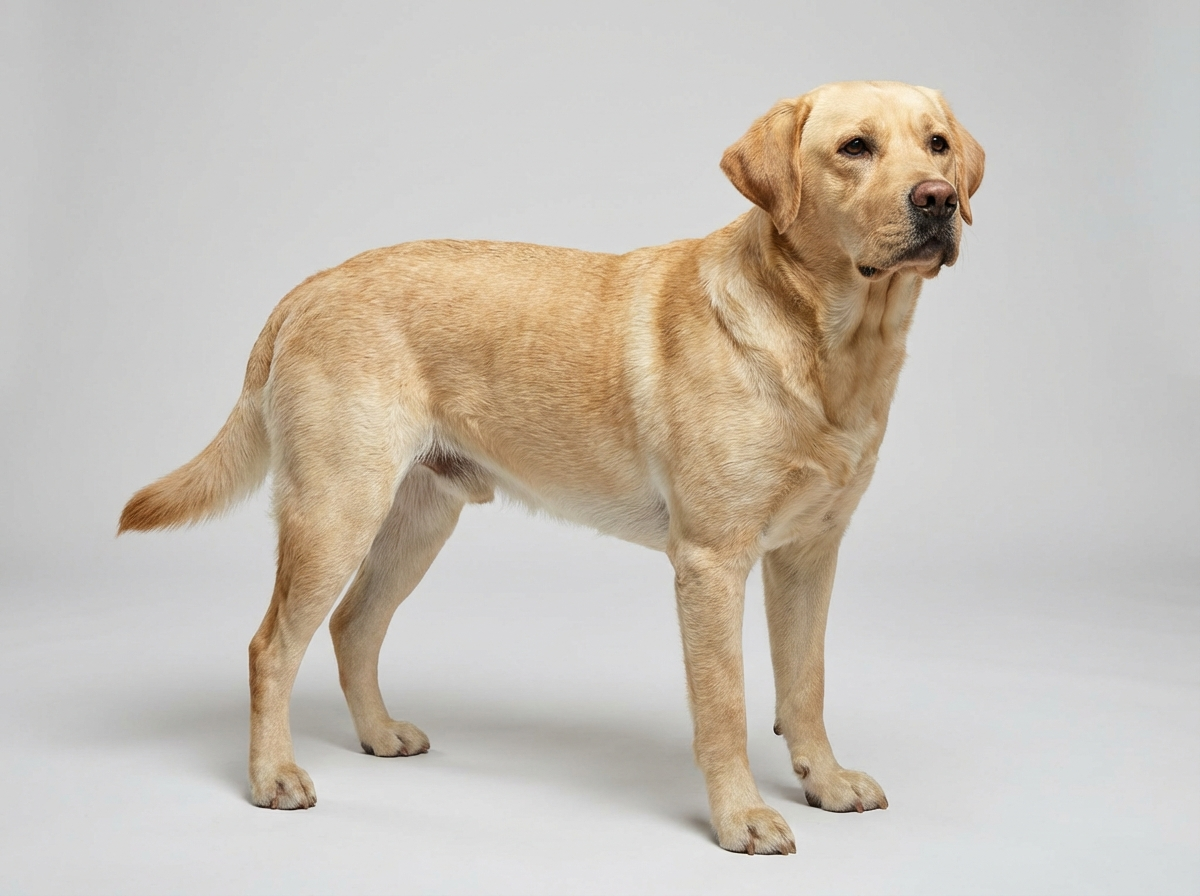
When selecting a dog for a special needs child, consider the dog's temperament, size, and energy level. Breeds known for their calm demeanor, such as Golden Retrievers and Labradors, often make excellent therapy and assistance dogs. Look for gentle companions who are patient and tolerant, as they will be more likely to provide the support needed. Additionally, consider the child's specific needs and how a dog can help address them.

Top Breeds to Explore
Here are some breeds that are frequently recommended for special needs children:

- Golden Retriever - Known for their friendly and patient nature.
- Labrador Retriever - Excellent family dogs that are very trainable.
- Collie - Gentle and protective, making them great companions.
Final Thoughts
Choosing the best dog breed for special needs children is a significant decision that should not be taken lightly. The right dog can become a true companion and offer valuable support. Consider your child's needs, the dog's characteristics, and how both can thrive together. This partnership can lead to a more fulfilling life for both your child and their new furry friend.
Step-by-Step Guide to Choosing the Best Dog Breeds for Special Needs Children
Finding the right dog breed for a special needs child can be a rewarding journey. Follow these steps to make an informed decision that ensures a harmonious match between your family and a furry companion.
- Step 1: Assess Your Child's Needs - Consider your child's specific needs, including sensory sensitivities, mobility issues, or emotional support requirements. This will help you identify what traits to look for in a dog.
- Step 2: Research Breeds - Look into breeds known for being gentle and supportive, such as Golden Retrievers, Labrador Retrievers, and Collies. Pay attention to their temperament and energy levels.
- Step 3: Visit Local Shelters or Breeders - Spend time with different dogs at shelters or reputable breeders. Observe their behavior with your child to see if there's a connection.
- Step 4: Consider Dog Size and Energy - Think about your living space and lifestyle. Smaller, calmer dogs might be better suited for apartment living, while larger breeds may require more outdoor space and exercise.
- Step 5: Evaluate Training Needs - Choose a breed that is known for ease of training. Look into assistance dogs or therapy dogs that can be trained to provide specific support.
- Step 6: Plan for the Transition - Prepare your home for the new dog. Create a safe space for the dog and involve your child in the process to foster a sense of responsibility.
- Step 7: Consult with Experts - Speak to professionals like veterinarians or dog trainers who specialize in support dogs. Their insights can help you make a more informed choice.
- Step 8: Introduce the Dog Gradually - Once you bring the dog home, introduce them to your child slowly. Monitor their interactions to ensure comfort and safety for both.
- Step 9: Provide Ongoing Training - Invest time in training and socialization. This helps the dog adapt to your child's needs and creates a stronger bond.
- Step 10: Evaluate the Fit - After a few weeks, assess how well the dog is integrating into your family. Be open to making adjustments as needed.
Common Mistakes When Choosing the Best Dog Breeds for Special Needs Children
Choosing a dog for special needs children can be a heartwarming journey, but it often comes with pitfalls. Here are some common mistakes that can lead to challenges down the road.
- Not considering the child's specific needs: Every child has unique requirements. Failing to assess what traits would best support their emotional and physical needs can lead to mismatched expectations and difficulties.
- Overlooking the dog's temperament: A dog’s temperament is crucial. Selecting a breed that is too energetic or aggressive can overwhelm a child, while a gentle companion may be more suitable for calming interactions.
- Choosing a breed based solely on popularity: Popular breeds may not always be the best fit for special needs children. It’s essential to research and match the dog's characteristics with the child's needs rather than follow trends.
- Ignoring the importance of training: Basic training is vital for any dog, especially when interacting with children. Skipping this step can result in behavioral issues that complicate the relationship.
- Failing to involve the child in the process: Children should be part of the decision-making process. When they feel included, they are more likely to bond with the dog and understand its needs.
- Underestimating the dog's exercise requirements: Many families overlook how much exercise a dog needs. An under-exercised dog can develop behavior problems, which can be challenging for special needs children to manage.
- Neglecting ongoing support and resources: Bringing a dog into the family is a commitment. Ongoing training, resources, and support are essential for ensuring a successful transition and relationship.
Myths vs. Facts About Best Dog Breeds for Special Needs Children
Understanding the myths around dog breeds for special needs children can help families make informed decisions. Here are some common misconceptions and the truths behind them.
- Myth: Only large breeds can be effective support dogs.
- Fact: Many small and medium-sized breeds, like Cavalier King Charles Spaniels, can also be excellent therapy dogs.
- Myth: All dogs instinctively know how to help special needs children.
- Fact: Training and socialization are crucial. Not all dogs have the temperament or skills required for therapy work.
- Myth: Assistance dogs are only for adults.
- Fact: Many breeds, like Golden Retrievers and Labradors, are well-suited to support children with various needs.
- Myth: Dogs are too unpredictable for special needs environments.
- Fact: With proper training, dogs can provide stability and comfort in various situations.
- Myth: Therapy dogs are the same as service dogs.
- Fact: Therapy dogs offer emotional support but do not have the same legal rights as service dogs.
Advanced Tips for Choosing the Best Dog Breeds for Special Needs Children
Here are some advanced strategies to consider when selecting the best dog breeds for children with special needs. These tips will help you make a thoughtful decision and ensure a positive experience for both your child and the dog.
- Consider a Dog's Temperament: Look for breeds known for their gentle and patient nature. Breeds like Golden Retrievers and Labradors are often recommended due to their friendly disposition.
- Involve Your Child in the Process: Let your child meet potential dogs to gauge their comfort level. This can help them bond with the dog from the start.
- Utilize Professional Training: Invest in training programs focused on therapy or assistance dogs. Professional guidance can help create a strong partnership between your child and the dog.
- Research Breed-Specific Traits: Different breeds have unique characteristics. For instance, Collies are known for their intelligence and loyalty, making them great companions for kids.
- Plan for Long-Term Commitment: Understand the long-term needs of the breed you choose, including exercise, grooming, and health care. This ensures you're prepared for the dog's entire lifespan.
Insider Secrets for Choosing the Best Dog Breeds for Special Needs Children
Selecting the right dog breed for a child with special needs involves understanding both the child's unique requirements and the breed's characteristics. Here are some expert insights that can guide you in making this important decision.
- Look for breeds with high emotional intelligence: Breeds like Golden Retrievers and Labradors are known for their ability to sense emotions, making them great therapy dogs.
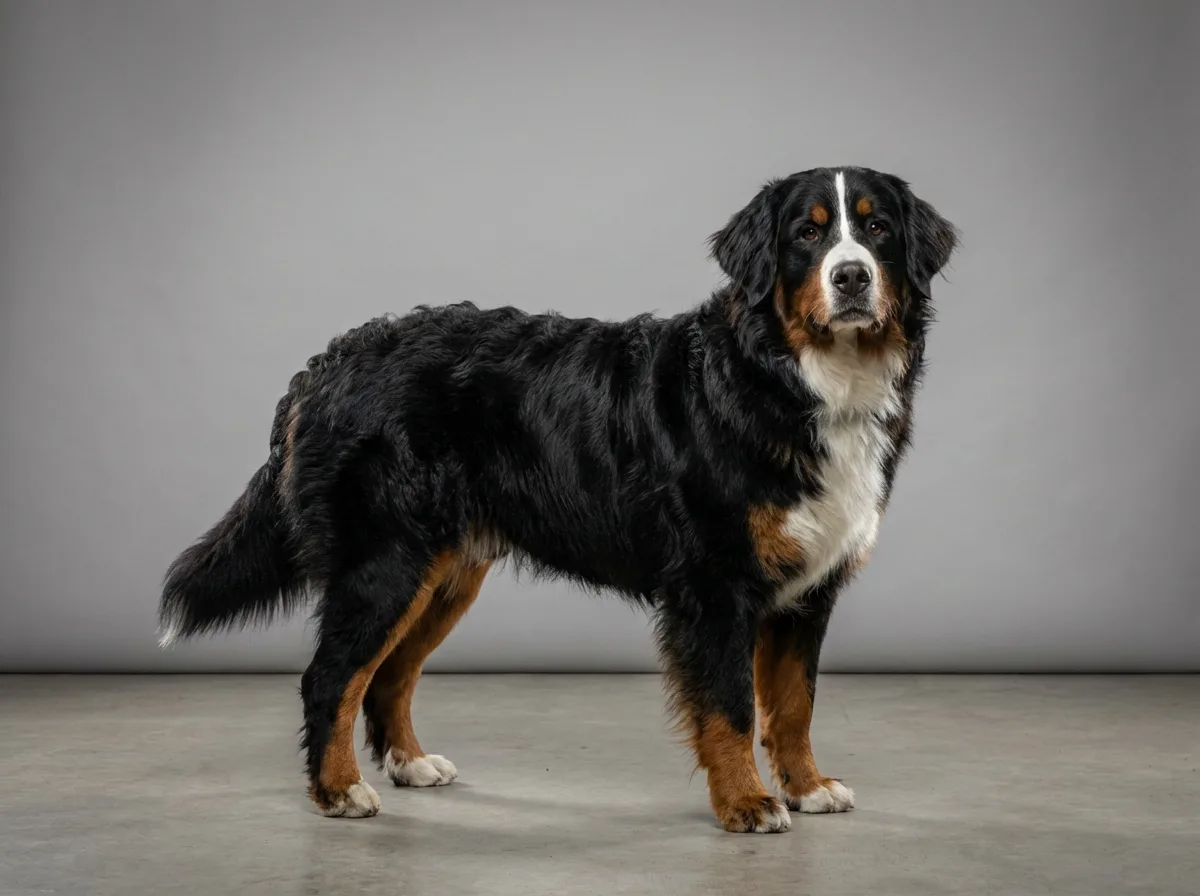
- Consider energy levels: A calmer dog can be more beneficial for children with anxiety or sensory sensitivities. Breeds like the Bernese Mountain Dog often have a gentle disposition.
- Training is key: A well-trained dog can be a supportive companion. Breeds that are eager to please, such as Collies, can excel in training and become effective support dogs for kids.
- Socialization matters: Early socialization can help dogs adapt to various environments. Breeds that are naturally friendly, like Beagles, can thrive in family settings.
- Assess compatibility: Not all breeds are suitable for every child. It's essential to consider the child's temperament and preferences when selecting a gentle companion.
Checklist for Choosing the Best Dog Breeds for Special Needs Children
Use this checklist to help you find the right dog breed that can support and uplift your special needs child. Each step will guide you through the decision-making process.
- Assess the child's specific needs and sensitivities.
- Research dog breeds known for their gentle temperament, like Golden Retrievers and Labradors.
- Consider the energy level of the breed; a calm dog often works best.
- Look for breeds that are trainable and responsive to commands.
- Evaluate the dog's size in relation to the child's age and physical capabilities.
- Think about the dog's socialization needs and how they fit into your family lifestyle.
- Plan for regular exercise and mental stimulation for the dog.
- Consult with a professional trainer experienced in therapy or assistance dogs.
- Visit local shelters or rescues to meet potential matches.
- Ask about the dog’s history, temperament, and how it interacts with children.
Frequently asked questions
What are the best dog breeds for special needs children?
Some of the best dog breeds for special needs children include Golden Retrievers, Labradors, and Collies. These breeds are known for their gentle nature, intelligence, and adaptability. They can provide companionship and support, making them excellent choices for families.
What is a therapy dog?
A therapy dog is trained to provide comfort and support to individuals, often in settings like schools or hospitals. They can help reduce anxiety and improve emotional well-being for children with special needs. Therapy dogs are not service dogs, but they play a vital role in emotional support.
How can an assistance dog benefit a child with special needs?
Assistance dogs are trained to perform specific tasks that aid children with special needs. They can help with mobility, alert caregivers, or provide calming support during stressful moments. These dogs can be life-changing, offering both practical help and emotional companionship.
What qualities should I look for in a dog for a special needs child?
When selecting a dog for a special needs child, look for breeds that are gentle, patient, and adaptable. A calm demeanor is essential, as well as a willingness to bond with the child. Training and socialization are also key to ensuring a good fit.
Are there specific breeds recommended for children with Down Syndrome?
Yes, breeds like Golden Retrievers and Labradors are often recommended for children with Down Syndrome. They are known for their friendly nature and ability to connect with kids. These dogs can provide emotional support and help foster social skills.
Can calming dogs help children with anxiety?
Absolutely! Calming dogs, such as therapy breeds, can significantly help children with anxiety. Their presence can soothe and provide comfort during challenging moments, making them great companions for kids who need extra emotional support.
What is the best dog for a child with Down Syndrome?
Golden Retrievers are often recommended as one of the best dog breeds for special needs children, including those with Down Syndrome. They are known for their gentle nature, intelligence, and ability to bond closely with children. Additionally, their playful demeanor makes them excellent companions, providing both emotional support and joy.
Can therapy dogs help children with autism?
Yes, therapy dogs can be incredibly beneficial for children with autism. They can provide comfort, reduce anxiety, and help improve social interactions. Breeds like Labrador Retrievers and Collies are often chosen for their calm and friendly temperaments, making them ideal support dogs for kids.
What types of service dogs are available for special needs children?
There are various types of service dogs available for special needs children, including mobility assistance dogs, autism support dogs, and medical alert dogs. Each type is trained to perform specific tasks that can help enhance the child's independence and safety. It's important to choose a breed that matches the child's specific needs and environment.
Are there specific breeds that make calming dogs for children?
Yes, certain breeds are known for their calming presence around children. Breeds like the Cavalier King Charles Spaniel, Bichon Frise, and the English Bulldog are often gentle and patient, making them great choices for families with special needs children. Their affectionate nature can provide a soothing influence during stressful times.
How do I choose the right support dog for my child?
Choosing the right support dog involves considering your child's specific needs, personality, and lifestyle. Factors such as the dog's temperament, energy level, and size should align with your child's environment. It's also helpful to consult with professionals who specialize in service and therapy dogs to find the best match.
What training do support dogs need for special needs children?
Support dogs for special needs children typically undergo specialized training to perform tasks that assist their owners. This may include basic obedience, socialization, and specific skills like alerting to medical events or providing comfort during anxiety. Training can be done through professional programs or by working with a trainer experienced in service dogs.
Can any dog be a therapy dog for children?
Not every dog is suited to be a therapy dog for children. Ideal therapy dogs should have a calm demeanor, be patient, and enjoy being around people. Breeds like Golden Retrievers, Labradors, and Collies are often chosen because of their friendly and gentle personalities, but individual temperament is the most critical factor.