Best Dog Breeds for Small Spaces
Living in a small space doesn't mean you can't have a furry friend! This guide will help you find the best dog breeds for small spaces that are perfect for apartment living or tiny homes.
Understanding the Best Dog Breeds for Small Spaces
Finding the best dog breeds for small spaces is essential for city dwellers or anyone living in tighter quarters. Choosing the right breed can lead to happier lives for both you and your dog. Apartment dogs or tiny home dogs can thrive in smaller environments, but not every breed is suited for this lifestyle.
The key is understanding your living situation and the specific needs of your potential furry friend. Compact breeds, like the Dachshund or Pug, often adapt well to smaller spaces, requiring less room to roam. These breeds can bring joy and companionship without overwhelming your living area. On the other hand, larger dogs may struggle with space constraints and require more exercise than you can provide in a small home.
It's also crucial to consider your lifestyle. If you're often home and have time to play, even a smaller dog might need more activity than you expect. Conversely, if you're frequently away, look for quieter small dogs that are more independent. Whether you’re in a 400 sq ft apartment or a tiny home, the right breed can make all the difference in ensuring a harmonious living situation.
For anyone considering a new pet, this guide will outline the best dog breeds suitable for small spaces, focusing on their traits, needs, and how they adapt to indoor living. We will provide insights into their personalities, exercise requirements, and tips for making your small space work for you and your dog. Understanding these aspects is crucial for responsible pet ownership and creating a fulfilling environment for your new companion.
By the end of this guide, you will have a clearer picture of which breeds are ideal for small living spaces and how to ensure your dog feels comfortable and happy in their new home. Remember, the best dog for you is one that fits seamlessly into your lifestyle and living situation, allowing both of you to enjoy each other's company without stress. Let's explore which breeds could be a perfect match for your cozy environment!
Step-by-Step Plan for Choosing the Best Dog Breeds for Small Spaces
Finding the best dog breeds for small spaces can be a rewarding journey. Follow these steps to make the right choice for your living situation and lifestyle.
- Assess Your Living Space
- Consider Your Lifestyle
- Research Compact Breeds
- Meet Potential Breeds
- Prepare Your Home
- Adopt or Purchase
- Create a Routine
Common Mistakes When Choosing the Best Dog Breeds for Small Spaces
Choosing a dog for a small space can be tricky. Here are some common mistakes to avoid that can lead to unhappy pets and owners.
- Ignoring exercise needs: Many compact breeds still require regular physical activity. Failing to provide this can lead to boredom and destructive behavior.
- Overlooking temperament: Small dogs can have big personalities. Not considering a breed's temperament might result in unexpected behavior in your tiny home.
- Assuming all small breeds are low-energy: Some small breeds, like the Jack Russell Terrier, are very energetic and need ample playtime.
- Neglecting training: Even small dogs need training. Skipping this step can lead to behavioral issues, making life in a small space more challenging.
- Choosing based on cuteness alone: Looks can be deceiving. It's essential to research a breed's needs and compatibility with your lifestyle, not just their appearance.
- Not considering noise levels: Some small breeds are known for being yappy. If you live in an apartment, a noisy dog can disturb your neighbors.
- Failing to provide mental stimulation: Small spaces can limit physical activity, but dogs also need mental challenges. Toys and training can help keep their minds engaged.
Debunking Myths About the Best Dog Breeds for Small Spaces
Let’s clear up some common myths about the best dog breeds for small spaces. Understanding the truth can help you choose the right furry friend for your cozy home.
- Myth: All small dogs are good for small spaces. Reality: While small dogs can fit in tight areas, their personalities vary greatly. Some small breeds, like Chihuahuas, can be very active and might need more space than you think.
- Myth: Dogs need a yard to be happy. Reality: Many breeds can thrive in small living spaces as long as they get regular exercise and mental stimulation. Daily walks and playtime can make a significant difference.
- Myth: Small breeds don't need exercise. Reality: Every dog, regardless of size, requires physical activity. Breeds like Pugs and Dachshunds need daily walks and playtime to stay healthy and happy.
- Myth: Quiet dogs are always better for apartments. Reality: Some small breeds might bark less, but they can also have other behavioral issues. It's essential to consider the individual dog's personality and training needs.
Advanced Tips for Choosing the Best Dog Breeds for Small Spaces
When selecting the best dog breeds for small spaces, consider factors beyond just size. Here are some advanced tips to help you make the best choice for your living situation.
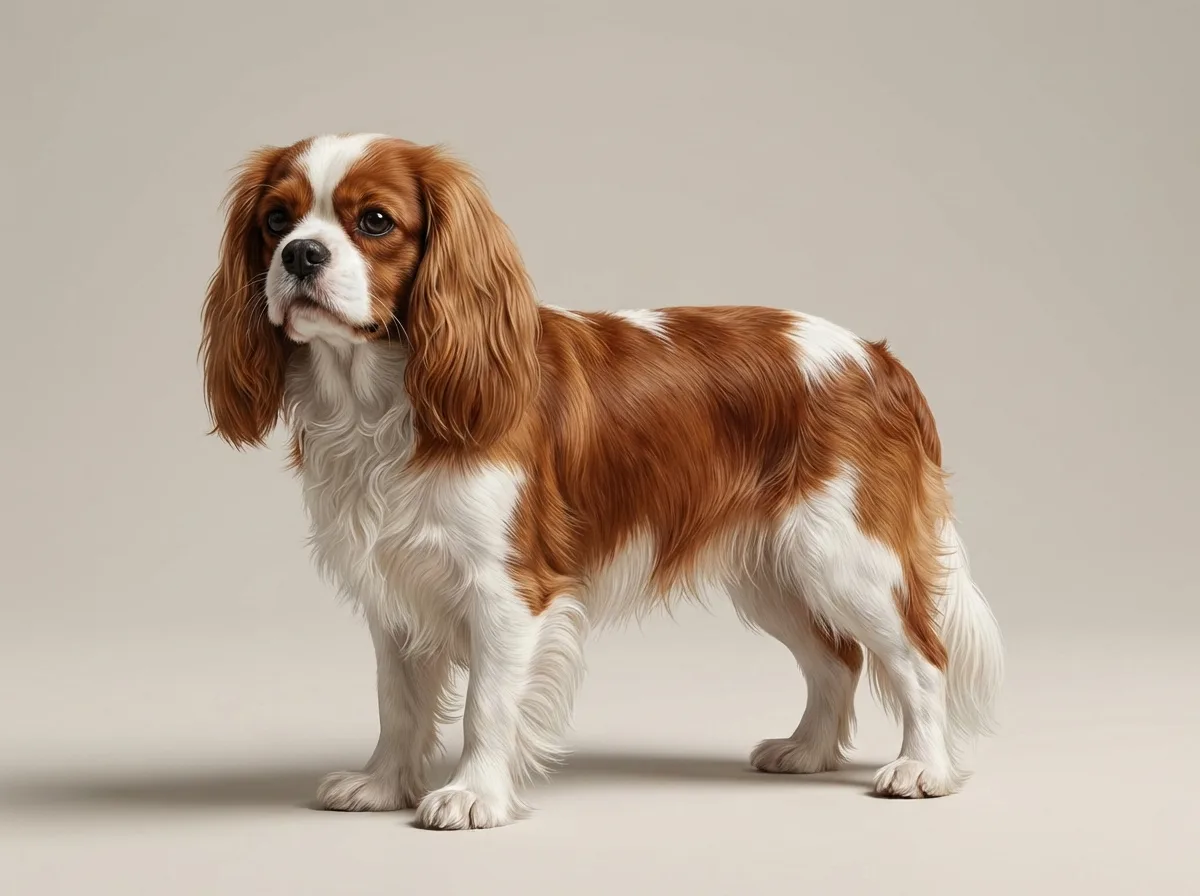
1. Assess Energy Levels: Smaller spaces can feel cramped with high-energy dogs. Look for breeds known for being calm and adaptable. Breeds like the French Bulldog or Cavalier King Charles Spaniel are often better suited for smaller living environments.
2. Training is Essential: Proper training can make a huge difference in managing a dog in a small space. Invest time in obedience training and socialization. It will help your dog understand boundaries and become a well-behaved companion.
3. Consider Noise Levels: If you live in an apartment, barking can be a concern. Research breeds that are typically quieter, such as the Basenji or the Shih Tzu, to ensure a peaceful environment for you and your neighbors.
4. Outdoor Access: Think about your access to outdoor spaces. If you have a small yard or live near parks, this can influence your choice. Active breeds like the Pug or Dachshund may thrive with regular outdoor time, even in a small space.
5. Utilize Vertical Space: In smaller homes, utilizing vertical space can help. Dog shelves or climbing structures can provide stimulation and a sense of adventure for your dog, making even the smallest apartment feel more spacious.
Each of these tips can help you assess your living situation better, ensuring that you choose a breed that not only fits your space but also your lifestyle. Keep in mind that every dog is unique, so individual temperament and needs will vary, even within the same breed.
Insider Secrets for Choosing the Best Dog Breeds for Small Spaces
When living in a small space, choosing the right dog breed can make all the difference. Here are some insider secrets that can help you find the perfect furry companion for your apartment or tiny home.
- Consider energy levels: Some compact breeds are energetic and need plenty of exercise, while others are more laid-back and happy to lounge around.
- Think about noise: Quiet small dogs are ideal for apartment living, especially if you have close neighbors. Breeds like the French Bulldog tend to bark less.
- Size isn't everything: Some larger breeds can adapt well to small spaces if they have a calm demeanor and are exercised adequately.
- Look for low-shedding breeds: If you're in a tiny home, consider breeds with minimal shedding to keep your space tidy. Poodles and Bichon Frises are great options.
- Socialization is key: Compact breeds often need early socialization to prevent anxiety or behavior issues due to their close quarters.
Checklist for Choosing the Best Dog Breeds for Small Spaces
Use this checklist to find the best dog breeds for small spaces. It will help you consider various factors before making a decision.
- Evaluate your living space size (e.g., 400 sq ft or less).
- Consider your lifestyle and activity level.
- Research compact breeds suitable for apartments like Dachshunds, Pugs, and Chihuahuas.
- Check if the breed has a reputation for being calm and quiet.
- Think about your schedule for exercise and playtime.
- Look into grooming needs and shedding levels of potential breeds.
- Assess how much time you can dedicate to training and socialization.
- Visit shelters or breeders to meet dogs in person.
- Prepare your home with pet-friendly spaces and safety measures.
- Budget for ongoing costs like food, vet visits, and supplies.
Frequently asked questions
What are the best dog breeds for small spaces?
Some of the best dog breeds for small spaces include Pugs, Dachshunds, and Chihuahuas. These compact breeds are known for their adaptability and lower exercise needs, making them ideal for apartments or tiny homes. They tend to be friendly and can thrive in smaller living environments.
Can big dogs live in small spaces?
While some larger dogs can adapt to small spaces, they generally require more room to move around. Breeds like Greyhounds or Bulldogs can do okay in small apartments if they get plenty of exercise outside. However, it’s essential to ensure they have enough space to feel comfortable and not cramped.
What is the best dog for a 400 sq ft apartment?
For a 400 sq ft apartment, consider breeds like French Bulldogs, Dachshunds, or Cavalier King Charles Spaniels. These breeds are typically calm and do well in limited space. It's crucial to ensure they receive regular walks and playtime to keep them happy and healthy.
What are quiet small dogs?
Quiet small dogs include breeds like the Bichon Frise, Shih Tzu, and Maltese. These breeds are less likely to bark excessively, making them suitable for apartment living. They are also affectionate and can be great companions in a cozy setting.
How much exercise do apartment dogs need?
Apartment dogs typically need at least 30 minutes to an hour of exercise daily, depending on the breed. Regular walks and playtime are essential to keep them healthy and prevent boredom. Engaging in indoor activities, like fetch or puzzle toys, can also help burn off energy.
What are the best dog breeds for a 400 sq ft apartment?
For a 400 sq ft apartment, some of the best dog breeds include French Bulldogs, Pugs, and Dachshunds. These compact breeds are known for their adaptability and relatively low exercise needs. They can thrive in smaller spaces, making them ideal companions for apartment living.
Can large dogs live comfortably in small spaces?
While some large dogs can adapt to small spaces, it's generally not ideal for their well-being. Breeds like Greyhounds may do well due to their calm nature, but most large dogs require more room to move and play. Always consider their exercise needs and temperament before making a decision.
What are some quiet small dogs suitable for apartments?
Quiet small dogs like the Cavalier King Charles Spaniel, Shih Tzu, and Basenji are great choices for apartment living. They are typically low-energy and less prone to barking, making them ideal for close quarters. Always ensure they get enough stimulation and exercise to keep them happy.
Are there specific breeds that are better for tiny homes?
Yes, breeds like the Chihuahua, Pomeranian, and Bichon Frise are excellent for tiny homes. These compact breeds are small in size but big in personality. They often adapt well to limited space as long as they receive adequate exercise and social interaction.
How can I help my dog adjust to living in a small space?
To help your dog adjust to a small space, focus on creating a comfortable environment with designated areas for sleeping and playing. Regular walks and playtime outside are essential for providing exercise. Additionally, mental stimulation through toys or training can keep your dog engaged.
What are the pros and cons of having a dog in a small apartment?
The pros of having a dog in a small apartment include companionship and the joy of pet ownership. However, cons may include limited space for play and exercise, which can lead to behavioral issues if not managed well. Choosing the right breed is key to a happy living situation.
How often should I walk my dog if I live in a small space?
If you live in a small space, aim to walk your dog at least twice a day for 30 minutes each time. This helps meet their exercise needs and provides an opportunity for socialization. Adjust the frequency and duration based on your dog's energy levels and breed requirements.