Best Dog Breeds for Seniors: Choosing the Right Companion
Looking for the best dog breeds for seniors? This guide helps you find calm, friendly companions that fit perfectly into your lifestyle.
Finding the Best Dog Breeds for Seniors
Choosing the best dog breeds for seniors is a significant decision that can bring companionship and joy to older adults. As people age, their needs and lifestyles change, making it essential to find a dog that fits well into their daily routine. Not every breed is suitable for seniors, which is why understanding the characteristics of senior-friendly dogs is crucial.
Senior-friendly dogs are typically calm, affectionate, and easy to care for. They should be adaptable to various living situations, whether it’s a small apartment or a house with a yard. Many seniors prefer breeds that are not overly energetic, as they may find it challenging to keep up with active dogs. Calm dogs that enjoy lounging on the couch can be wonderful companions.
Additionally, lap dogs and small breeds are often favored because they can be easier to manage physically. These dogs tend to require less exercise, making them ideal for seniors who may not be able to take long walks. However, it's important to note that even low-maintenance senior dogs still need regular exercise and mental stimulation, so finding a balance is vital.
When considering the best dog breeds for seniors, one should also think about the dog’s temperament and health. A well-matched dog can enhance a senior's quality of life, providing emotional support and companionship. Dogs can help reduce feelings of loneliness and encourage physical activity, which is beneficial for overall health.
In this guide, we will explore various breeds that are particularly suitable for seniors, focusing on their unique traits and how they can fit into a senior’s lifestyle. We’ll also provide insights on what to look for when selecting the right dog, including factors like energy level, size, and grooming needs. By understanding these aspects, seniors can make informed decisions that will lead to a fulfilling dog ownership experience.
Ultimately, finding the best dog breed is about matching a dog’s characteristics with the senior's lifestyle, preferences, and capabilities. This guide aims to help you navigate these choices to ensure both the dog and the owner have a happy and healthy relationship.
Step-by-Step Guide to Choosing the Best Dog Breeds for Seniors
Selecting the right dog breed for seniors involves careful consideration. Follow these steps to find a canine companion that suits your lifestyle and needs.
- 1. Assess Your Living Situation: Evaluate your home environment. Is it spacious enough for a larger dog, or is a small breed more appropriate? Consider factors like stairs, yard space, and safety.
- 2. Determine Activity Level: Think about how active you and your dog want to be. Choose a breed that matches your energy levels. Calm dogs or easy walk dogs may be ideal.
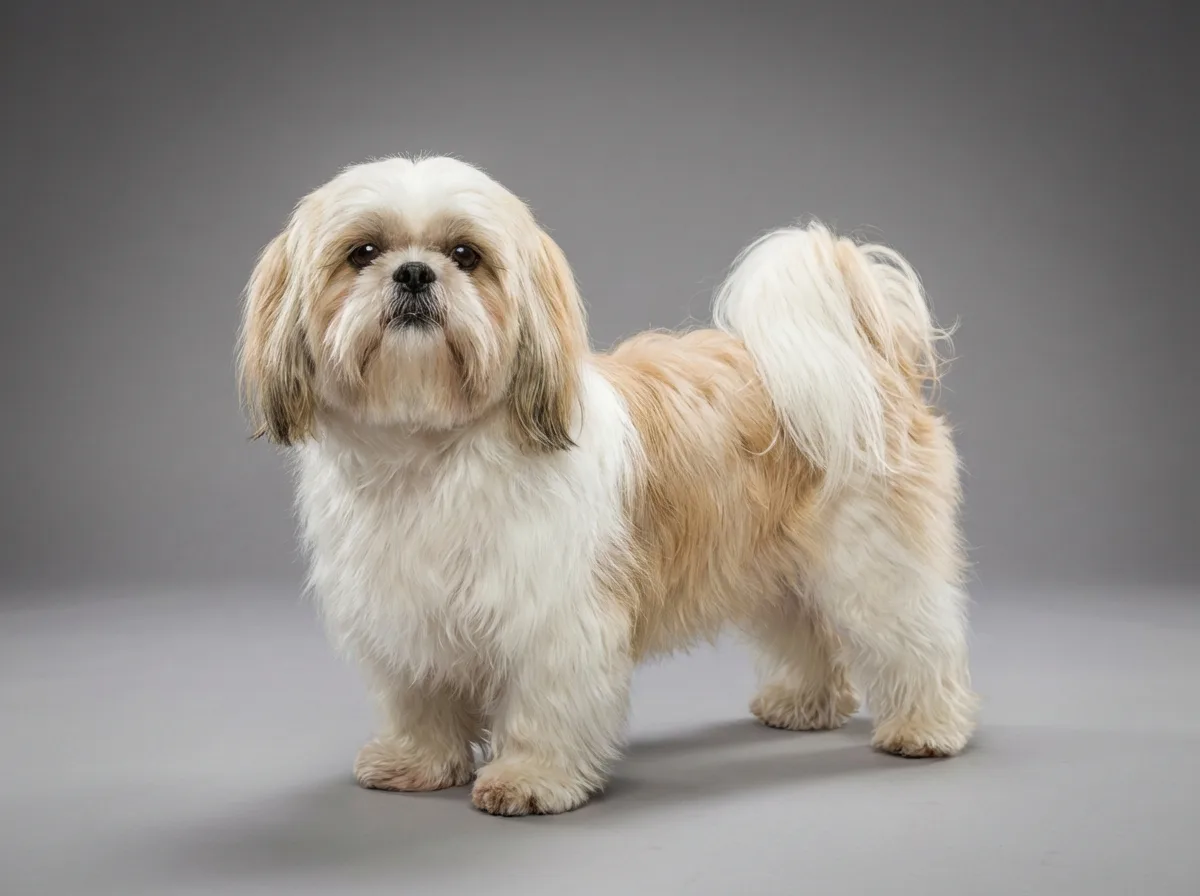
- 3. Consider Size and Breed: Research breeds known as senior-friendly dogs. Look for smaller breeds that are gentle and manageable, like Shih Tzus or Maltese. Lap dogs can provide companionship without demanding too much space.
- 4. Evaluate Grooming and Maintenance Needs: Look for low-maintenance breeds that require less grooming and care. This will help ensure that pet ownership remains manageable.
- 5. Visit Local Shelters or Breeders: Spend time with different breeds to see which ones you connect with. Interacting with dogs can help you gauge their temperament and energy levels.
- 6. Get Expert Advice: Consult with veterinarians or pet trainers who can provide insights on breeds that are best for seniors. They can help you understand potential health issues and care requirements.
- 7. Prepare Your Home: Make adjustments to your space to accommodate a new pet. Ensure that there are no hazards that might pose a risk, such as loose rugs or sharp furniture edges.
- 8. Plan for Routine Care: Set up a schedule for vet visits, feeding, and exercise. Consistency will help your new dog feel secure and comfortable.
- 9. Consider Adoption: Look into adopting a dog from a shelter. Many older dogs make excellent companions and are often more adaptable to a senior's lifestyle.
- 10. Be Patient: Once you bring your dog home, give both yourself and your new companion time to adjust. Building trust and understanding takes time.
Common Mistakes in Choosing the Best Dog Breeds for Seniors
Choosing a dog breed as a senior can come with unique challenges. Here are some common mistakes to avoid that could lead to complications or dissatisfaction.
- Not considering energy levels: Many seniors overlook the importance of a dog's energy level. Breeds that require a lot of exercise can be overwhelming. Opt for calm dogs that fit your lifestyle better.
- Ignoring size and space: Seniors often choose larger breeds without considering their living space. A small apartment is not ideal for big dogs. Smaller breeds or lap dogs may be a better fit.
- Underestimating grooming needs: Some breeds require extensive grooming. This can be a burden for seniors who may have limited mobility. Low-maintenance dogs can be more practical.
- Neglecting to socialize: New dog owners may forget that socialization is key. Unsocialized dogs can develop behavior issues. Ensuring proper socialization early on helps create a well-adjusted pet.
- Choosing based on appearance alone: Seniors can be swayed by a dog's looks rather than temperament. It's crucial to consider personality and compatibility with your lifestyle.
- Not researching health issues: Some breeds are prone to specific diseases. Failing to understand these can lead to unexpected veterinary costs. Researching health concerns helps inform your decision.
- Overlooking companionship needs: Some dogs thrive on companionship and can suffer from separation anxiety. It's vital to consider how often you'll be home and choose a dog that matches your availability.
Myths About the Best Dog Breeds for Seniors
When considering the best dog breeds for seniors, it's essential to separate myth from fact. Misconceptions can lead to poor choices, impacting both the owner's and the dog's quality of life. Here are some common myths and the truths that debunk them.
- Myth: All small dogs are low-energy and easy to care for.
- Fact: While some small dogs are calm, others, like Chihuahuas, can be quite hyper. It's important to research each breed's energy level.
- Myth: Older dogs are less trainable than puppies.
- Fact: Older dogs can be just as trainable as puppies. They may even be more eager to please and calmer, making training easier.
- Myth: Dogs are too much work for seniors.
- Fact: Certain breeds, like Shih Tzus or Maltese, are well-suited for seniors and can provide companionship without excessive demands on their owners' energy.
- Myth: Any dog will do as a companion for seniors.
- Fact: The best dog breeds for seniors are those that match their lifestyle and energy levels, ensuring a happy bond.
Advanced Tips for Choosing the Best Dog Breeds for Seniors
When selecting the best dog breeds for seniors, it’s important to consider not only temperament but also lifestyle compatibility. Here are some advanced tips to help you make a more informed decision.
First, assess the energy levels of potential breeds. While calm dogs are generally suitable, some breeds may still require moderate exercise. Look for breeds that enjoy gentle walks, like the Shih Tzu or Maltese, but don’t need intensive activity. This balance will ensure that the dog remains happy and healthy without overwhelming their owner.
Second, consider the dog's size and physical requirements. Smaller breeds, such as lap dogs, are easier to manage for seniors with mobility issues. Ensure that the dog can comfortably navigate the living space, especially if there are stairs or narrow hallways. This can prevent accidents and promote a smooth living experience.
Another tip is to evaluate grooming needs. Some breeds require regular grooming, which might be challenging for seniors. Opt for low-maintenance dogs like the Pomeranian, which have minimal grooming needs. This reduces the burden on seniors while still providing companionship.
Additionally, think about the dog's adaptability to different living environments. If the senior lives in an apartment or a small home, look for breeds that are known to do well in smaller spaces. This consideration can enhance the dog's comfort and reduce stress for both the dog and the owner.
Lastly, consider adopting a dog that has already undergone some training. Many rescue organizations have senior-friendly dogs that are calm and well-behaved. This can save time and effort while ensuring a good match for the senior’s lifestyle.
By taking these advanced tips into account, you can make a thoughtful choice that aligns with the needs of both the dog and the senior owner. This will lead to a fulfilling companionship that enhances the quality of life for both parties.
Insider Secrets for Choosing the Best Dog Breeds for Seniors
Finding the right dog breed for seniors involves more than just choosing a cute face. Here are some unique insights that can help make the best decision.
- Consider the dog's energy level and temperament.
- Look for breeds that are known to be affectionate and loyal.
- Evaluate the dog's grooming needs.
- Think about adaptability to living space.
- Assess the breed's health risks.
Checklist for Choosing the Best Dog Breeds for Seniors
Use this checklist to find the best dog breeds for seniors based on your lifestyle and needs.
- Consider your living space: Is it small or large?
- Evaluate your activity level: How much exercise can you provide?
- Think about grooming needs: Do you prefer low-maintenance breeds?
- Assess any allergies: Are there breeds that are hypoallergenic?
- Choose a breed known for calmness: Look for gentle and easy-going dogs.
- Check for lap dog options: Some breeds love to cuddle!
- Research health considerations: Some breeds may have specific medical needs.
- Meet potential breeds: Spend time with different dogs to see which personality fits.
- Consider adopting from a shelter: Many calm dogs are looking for loving homes.
- Ask about breed history: Understanding their temperament can help you choose wisely.
Frequently asked questions
What are the best dog breeds for seniors?
The best dog breeds for seniors typically include smaller, calm dogs that are easy to handle. Breeds like the Shih Tzu, Maltese, and Pomeranian are great choices due to their friendly nature and lower exercise needs. These breeds often adapt well to living in smaller spaces and can provide companionship without overwhelming their owners.
What is the safest small dog for seniors?
The safest small dogs for seniors are often breeds known for their gentle demeanor and manageable size. The Cavalier King Charles Spaniel and Bichon Frise are excellent options as they are friendly, affectionate, and typically good with older adults. It's important to choose a dog that matches the owner's energy level and lifestyle.
What are low maintenance senior dogs?
Low maintenance senior dogs often include breeds that require minimal grooming and exercise. Breeds like the French Bulldog or the Dachshund can be ideal due to their calm nature and relatively simple care requirements. These dogs can be great companions without demanding too much from their owners.
What is the best companion for an elderly person living alone?
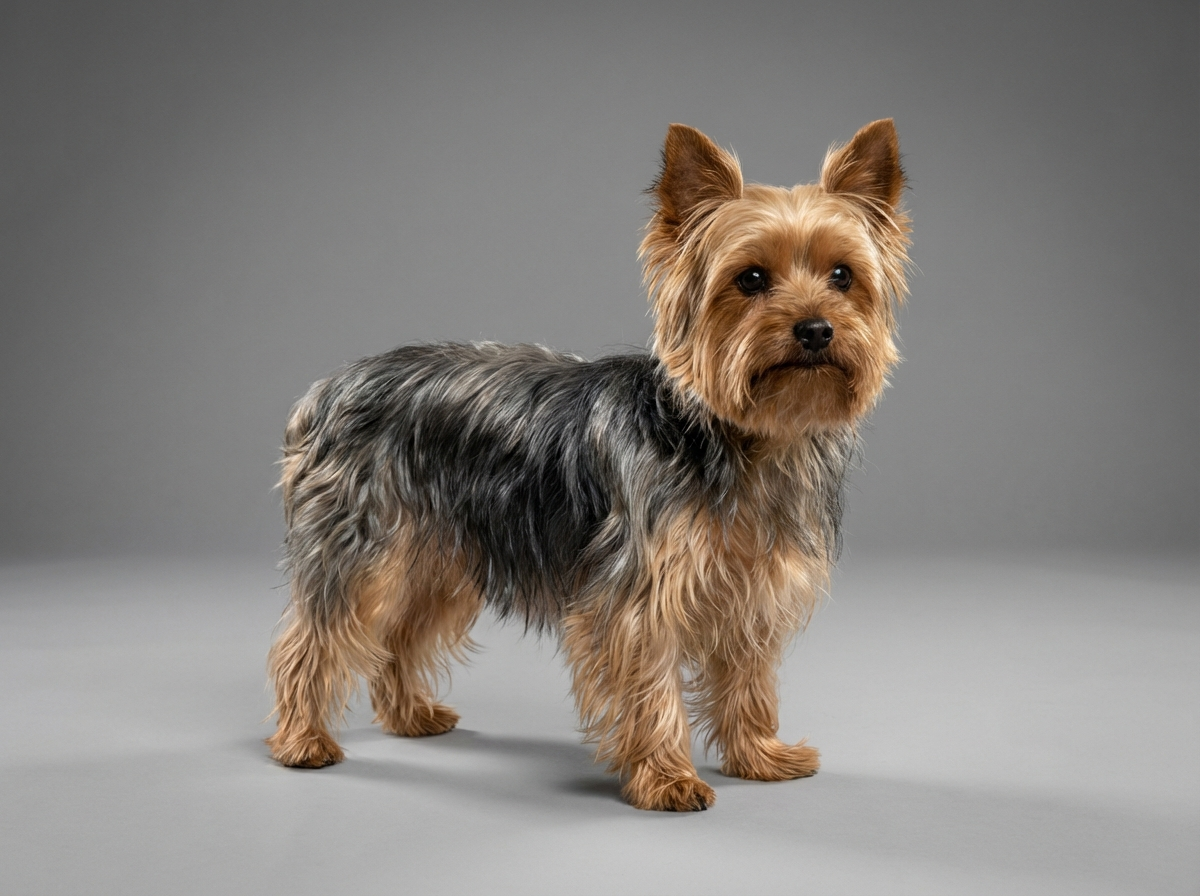
The best companions for elderly individuals living alone are typically breeds that are affectionate and easy to train. Dogs like the Pug or the Yorkshire Terrier can provide companionship and comfort. They are sociable and can help reduce feelings of loneliness while being easy to manage.
Are lap dogs good for seniors?
Yes, lap dogs can be excellent for seniors as they are generally calm and enjoy cuddling. Breeds such as the Chihuahua and the Shih Tzu are often perfect for this role, providing emotional support and companionship without requiring extensive exercise. They fit well into a cozy lifestyle.
What are the best dog breeds for seniors who live alone?
The best dog breeds for seniors living alone include calm and affectionate breeds like the Cavalier King Charles Spaniel and Shih Tzu. These dogs provide companionship without being overly demanding. They are typically friendly and easy to care for, making them great for seniors.
Are there low maintenance dog breeds for seniors?
Yes, several low maintenance dog breeds are suitable for seniors. Breeds like the French Bulldog and Pug are known for their easygoing nature and minimal grooming needs. They generally require less exercise, making them perfect companions for those who prefer a more relaxed lifestyle.
What is the safest small dog for seniors?
The safest small dog for seniors is often considered to be the Maltese. This breed is known for its gentle temperament and small size, making it easy for seniors to handle. Maltese dogs are also known to bond closely with their owners, providing companionship and comfort.
Which calm dogs are best for seniors with limited mobility?
Calm dogs that are great for seniors with limited mobility include the Bichon Frise and the Cavalier King Charles Spaniel. Both breeds are friendly and enjoy spending time with their owners. They don’t require excessive exercise, making them ideal for those who may not be as active.
What dog breeds are known as lap dogs for seniors?
Lap dogs like the Pomeranian and Chihuahua are excellent choices for seniors. These breeds love cuddling and are content to sit on their owner’s lap for long periods. They provide emotional support and companionship, which is especially valuable for seniors.
How can I find the best dog breed for my senior parent?
To find the best dog breed for your senior parent, consider their lifestyle, activity level, and living situation. Breeds that are easy to care for, calm, and friendly are often the best fit. It's also a good idea to involve your parent in the decision to ensure they feel comfortable with the new pet.
Are there any dog breeds that are specifically designed for seniors?
While there are no breeds specifically designed for seniors, many breeds have traits that make them more suitable for older adults. Look for breeds that are calm, gentle, and have lower exercise needs, such as the Shih Tzu and Pug. These breeds are often more adaptable to a senior's lifestyle.