Best Dog Breed That Get Along with Other Dogs
Choosing the right dog breed is crucial, especially if you already have a furry friend at home. This guide will help you find the best dog breeds that get along with other dogs, ensuring a happy and harmonious household. (best dog breed that get along with other dogs)
Understanding the Best Dog Breeds That Get Along with Other Dogs
Choosing the best dog breed that gets along with other dogs is crucial for fostering a harmonious home environment. If you already have a dog or are considering bringing a new one into your family, understanding which breeds are naturally more sociable can lead to a happier household. Social dogs, or those that thrive in packs, generally have a better temperament when it comes to interacting with other canines. This guide will help you explore dog-friendly breeds that can coexist peacefully, making your life easier and more enjoyable.
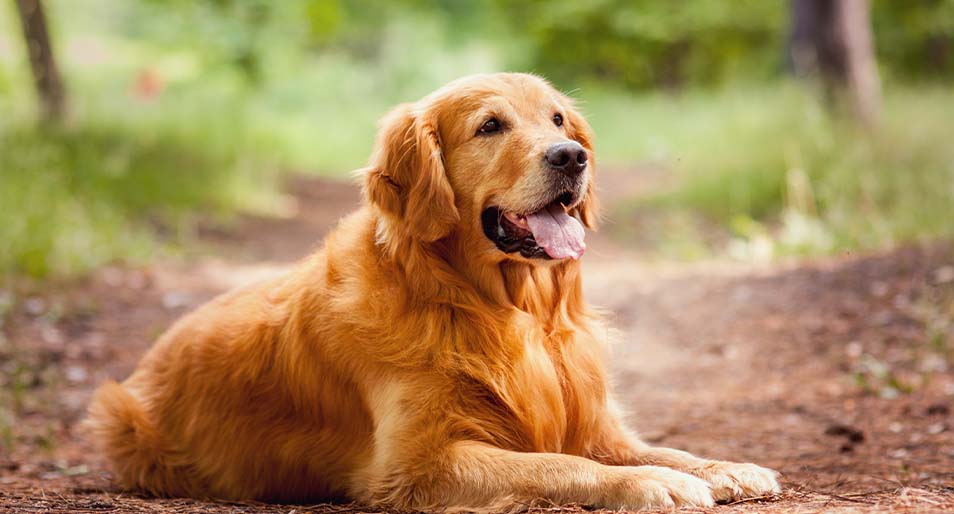
When selecting a dog, consider how they will fit into your current family dynamic. Some dogs are inherently more social and adaptable than others. For example, breeds like Golden Retrievers and Beagles are known for their friendly disposition and playful nature, making them excellent companions for existing pets. On the other hand, some breeds may be more territorial or aggressive, which can create tension in multi-dog households.
The importance of selecting the right breed cannot be overstated. A dog that is not compatible with others can lead to stress, behavioral issues, and even safety concerns. It's essential to think about how a new addition will interact with your current dog, as well as how they will adapt to your lifestyle. This guide will not only provide insights into the best dog breeds that get along with other dogs but also offer tips on how to integrate a second dog into your home smoothly. Understanding these dynamics is key to ensuring a peaceful and happy environment for everyone, including your furry friends.
Step-by-Step Plan to Choose the Best Dog Breed That Get Along With Other Dogs
Follow these practical steps to find the best dog breed that will get along with your current or future dogs. This plan will help you choose a dog that fits well in a multi-dog household.

- 1. Assess Your Current Dog's Temperament: Observe your dog's behavior with other dogs. Is your dog friendly or more reserved? Understanding this will help you find a compatible breed.
- 2. Research Dog-Friendly Breeds: Look for breeds known for their sociability, like Golden Retrievers or Beagles. Make a list of dog friendly breeds that fit your lifestyle.
- 3. Consider Your Home Environment: Think about your living space. Do you have enough room for multiple dogs? Ensure you can accommodate the needs of a new dog.
- 4. Visit Local Shelters or Breeders: Spend time with breeds you’re considering. This helps gauge how they interact with your current dog and their overall demeanor.
- 5. Evaluate Energy Levels: Match the energy levels of potential breeds with your current dog. A high-energy dog may not pair well with a laid-back companion.
- 6. Introduce Dogs Gradually: When bringing a new dog home, introduce them slowly and in neutral territory. Monitor their interactions closely to ensure compatibility.
- 7. Train and Socialize: Invest time in training both dogs. Proper socialization helps them learn to coexist peacefully and reduces the chances of aggressive behavior.
- 8. Seek Professional Help if Needed: If you experience issues during introduction, consider hiring a professional trainer. They can offer guidance tailored to your situation.
- 9. Be Patient: It may take time for dogs to adjust to each other. Allow them to form their bond naturally without forcing interactions.
- 10. Monitor Behavior Regularly: Keep an eye on how your dogs interact over time. Address any signs of aggression or discomfort immediately.
Common Mistakes When Choosing the Best Dog Breed That Get Along with Other Dogs
Selecting the right dog breed that gets along well with other dogs can be tricky. Many owners make common mistakes that can lead to a less harmonious household. Here are some of the most frequent errors and why they can backfire.

- Not Researching Breed Temperament
- Ignoring Size Compatibility
- Skipping Socialization Training
- Underestimating Energy Levels
- Choosing Based on Looks Alone
- Forgetting About Individual Personality
- Neglecting Regular Exercise Needs
Common Myths About Dog Breeds That Get Along With Other Dogs
There are many misconceptions about dog breeds and their social behaviors. Understanding the truth behind these myths can help you choose the best dog breed that gets along with other dogs.

- Myth: All large dog breeds are aggressive.
- Fact: Many large breeds, like the Golden Retriever, are known for their gentle nature and friendliness toward other dogs.
- Myth: Only specific breeds can get along with other dogs.
- Fact: Many breeds can be social, including mixed breeds. It's more about individual temperament and socialization than breed alone.
- Myth: Older dogs can’t adapt to new companions.
- Fact: While it may take some time, older dogs can learn to accept and even enjoy the company of a new dog with proper introductions.
- Myth: Dogs are naturally solitary animals.
- Fact: Dogs are pack-oriented creatures by nature and often thrive in social settings, especially with other dogs.
- Myth: It's better to get another dog of the same breed for compatibility.
- Fact: Different breeds can complement each other well, depending on their personalities and energy levels.
Advanced Tips for Choosing the Best Dog Breed That Gets Along with Other Dogs
Choosing the best dog breed that gets along with other dogs requires a bit more than just picking a friendly breed. Here are some advanced tips to ensure harmony in your multi-dog household.
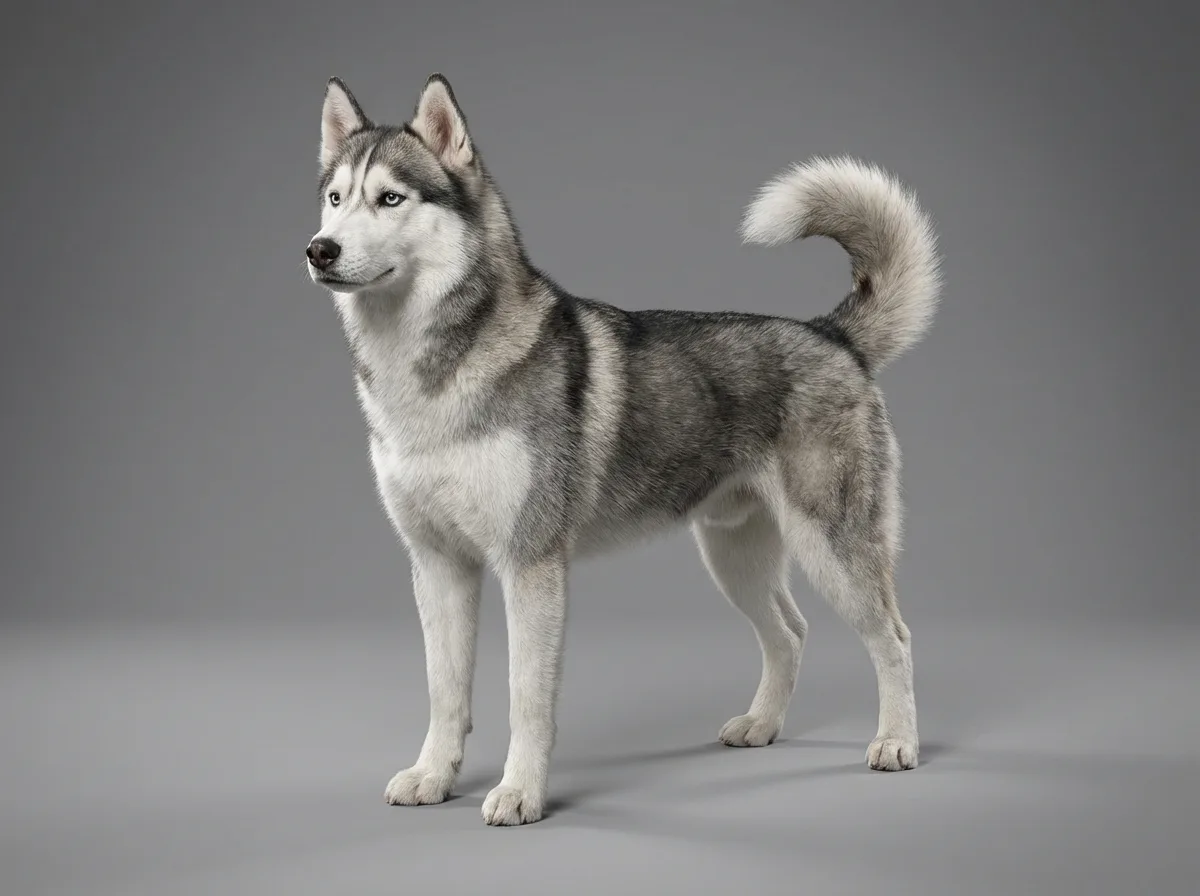
Firstly, consider the energy levels of both your current dog and the new addition. A high-energy dog like a Siberian Husky may not be the best match for a laid-back breed like a Bulldog. Matching their activity levels can prevent frustration and promote playfulness.
Next, focus on the age and temperament of your existing dog. Older dogs may appreciate a puppy's energy but could also feel overwhelmed. Introducing a calm, social dog can help ease the transition and ensure that both dogs feel secure.
Another key factor is training. Invest time in basic obedience training for your new dog before bringing them home. Teaching commands like 'sit', 'stay', and 'leave it' can help manage interactions and establish boundaries. This is especially important in the early days of integration.
Additionally, consider implementing gradual introductions. Start by letting your dogs sniff each other through a gate or barrier. This allows them to get acquainted without direct confrontation. Supervised meetings in neutral territory can also help ease anxiety and establish comfort.
Lastly, always monitor body language during interactions. Look for signs of stress or discomfort in either dog. If things seem tense, don't hesitate to separate them and try again later. Understanding their signals can prevent negative experiences and foster a positive relationship.
Insider Secrets for Choosing the Best Dog Breed That Get Along with Other Dogs
When searching for the best dog breed that get along with other dogs, consider these insider tips to make an informed decision. Understanding specific traits and behaviors can set you on the right path.
- Look for breeds with a strong pack mentality. Breeds like Golden Retrievers and Beagles tend to thrive in social environments.
- Socialization is key. Early and consistent socialization with a variety of dogs can greatly influence how well a breed interacts with others.
- Consider temperament over breed alone. Individual dogs may vary significantly in behavior, so meeting potential dogs can provide insights beyond their breed characteristics.
- Age matters. Puppies often adapt better to existing pets, but older dogs can also learn to get along if introduced properly and given time.
- Training is essential. Positive reinforcement training can help establish good behaviors and reduce aggression in any breed.
Checklist for Choosing the Best Dog Breed That Gets Along with Other Dogs
Use this checklist to find a dog breed that will fit well with your existing pets and create a harmonious home environment.
- Research dog friendly breeds known for socialization, like Golden Retrievers or Beagles.
- Consider pack oriented breeds that thrive in multi-dog households.
- Evaluate the energy levels of potential breeds to ensure compatibility.
- Meet the dog in person to observe its behavior with other dogs.
- Consult with breeders or shelters about the dog's history with other pets.
- Plan gradual introductions between your current dog and the new one.
- Be prepared to provide training for both dogs to encourage positive interactions.
Frequently asked questions
What breeds are best with other dogs?
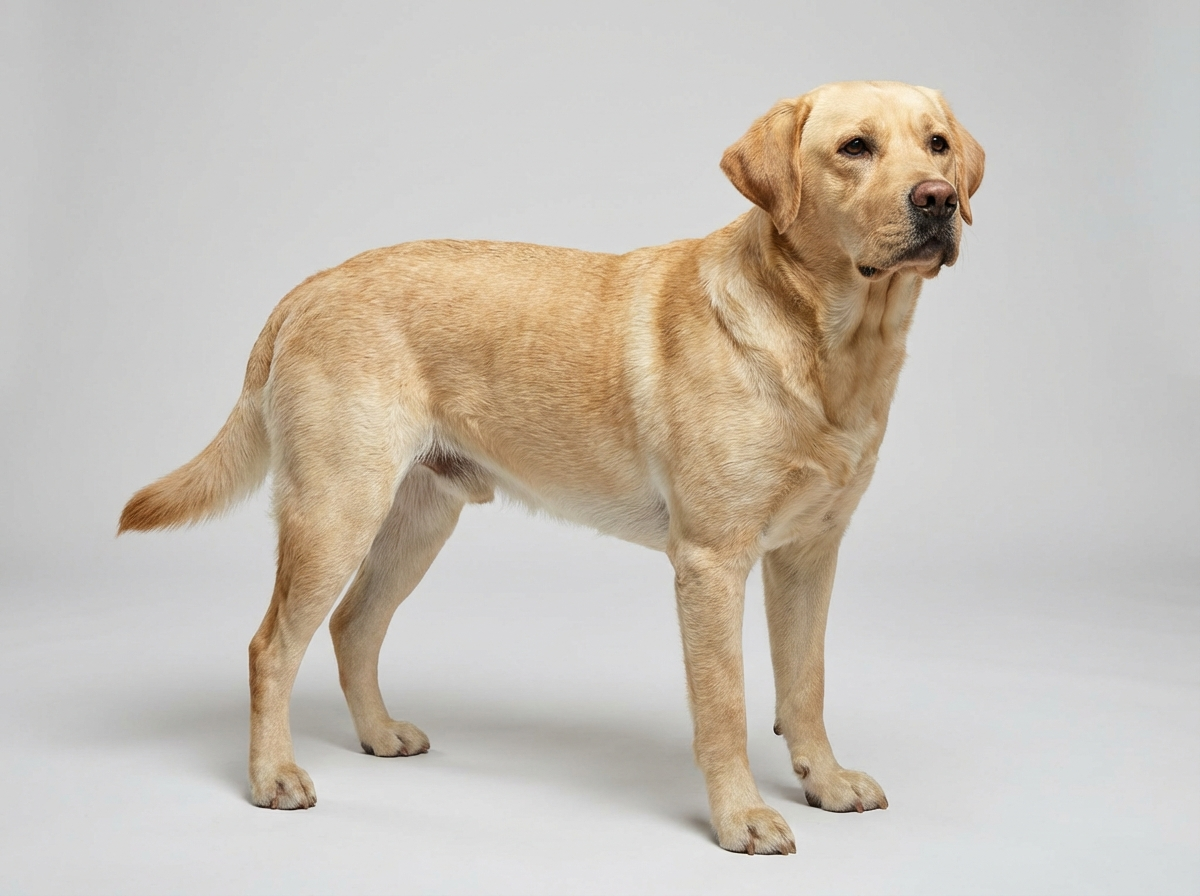
Some of the best dog breeds that get along with other dogs include Golden Retrievers, Beagles, and Labrador Retrievers. These breeds are known for their friendly nature and social behavior. They tend to enjoy the company of other dogs and can easily integrate into multi-dog households. This answer relates to best dog breed that get along with other dogs.
How to pick a second dog?
When choosing a second dog, consider the personality and energy level of your current dog. A compatible temperament can make a big difference in their relationship. It's also wise to choose a breed known for being social and friendly with other dogs, like a Beagle or Golden Retriever.
What are some dog friendly breeds?
Dog friendly breeds include Golden Retrievers, Beagles, and Cavalier King Charles Spaniels. These breeds are generally sociable and enjoy interacting with both humans and dogs. Their friendly nature makes them ideal companions in multi-dog homes.
Are there non-aggressive dog breeds?
Yes, there are several non-aggressive dog breeds that are known for their gentle and friendly demeanor. Breeds like the Bichon Frise, Labrador Retriever, and Shih Tzu are often recommended for families and other pets due to their amiable nature.
What makes a dog a good pack oriented breed?
Pack oriented breeds typically have a strong desire to be social and work well in groups. They often enjoy companionship with both humans and other dogs. Breeds like the Siberian Husky and Golden Retriever are great examples, as they thrive in social environments.
What breeds are best with other dogs?
Some of the best dog breeds that get along with other dogs include Golden Retrievers, Beagles, and Labrador Retrievers. These breeds are known for their friendly and social nature, making them ideal for homes with multiple pets. It's important to remember that individual temperament can vary, so socialization is key.
How to pick a second dog?
When choosing a second dog, consider the first dog's temperament, size, and energy level. A good match will likely be a breed that is similarly social and playful. It's often recommended to adopt a dog of the opposite sex to reduce competition and help prevent territorial behavior.
Are there non-aggressive dog breeds?
Yes, many breeds are known for their non-aggressive nature, including the Cavalier King Charles Spaniel, Bichon Frise, and Shih Tzu. These breeds are typically friendly and enjoy companionship, making them great choices for families and other pets. However, proper training and socialization are crucial for any dog.
What traits should I look for in dog friendly breeds?
Look for traits such as a calm demeanor, openness to new experiences, and a playful attitude. Breeds that are naturally pack-oriented, like Golden Retrievers and Beagles, often exhibit these traits. Additionally, early socialization with other dogs can enhance these qualities.
Can any breed be socialized to get along with other dogs?
Most dogs can be socialized to get along with others, regardless of breed. However, some breeds, especially those with strong guarding instincts or high prey drives, might require more effort and time. Consistent training, positive experiences, and gradual introductions are essential for success.
What if my current dog doesn't get along with the new dog?
If your current dog doesn't get along with the new dog, immediate separation is crucial. Gradual introductions, using positive reinforcement, and ensuring both dogs have their own space can help. In some cases, consulting a professional trainer may be necessary to facilitate a smoother transition.
How can I help my dog adjust to a new sibling?
To help your dog adjust to a new sibling, start by introducing them in a neutral space. Use treats and praise to create positive associations. Gradually increase their time together while monitoring their interactions, ensuring both feel safe and comfortable throughout the process.