The Best Dog Breed for Working Professionals
Finding the best dog breed for working professionals can be challenging. This guide helps you discover independent and flexible pets that fit your busy lifestyle.
Choosing the Best Dog Breed for Working Professionals
Finding the best dog breed for working professionals is crucial for those balancing a career with pet ownership. Many people worry about how a full-time job can fit into a dog's needs. The right breed can make this balance much easier, allowing you to enjoy the companionship of a dog without feeling overwhelmed by their care requirements.
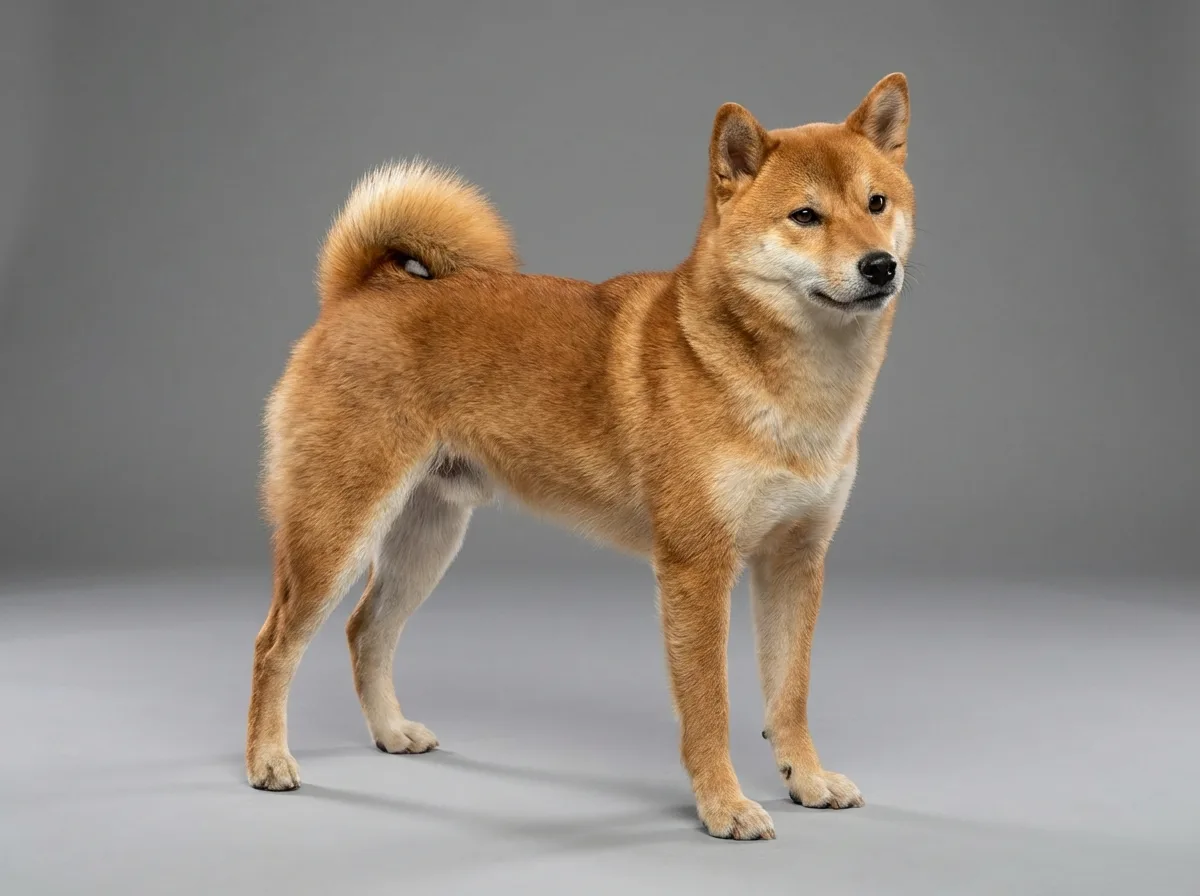
When selecting a dog, consider your lifestyle and work schedule. Not all breeds thrive in a busy environment or can handle being alone for long hours. Independent pets, like Shiba Inus or Basenjis, often fare better as they are more self-sufficient. Flexible dogs can adapt to their owner's schedule, making them ideal for those who work 9-5 jobs.
Understanding the traits of different breeds is essential. Some dogs require more exercise and social interaction, while others are content to lounge around the house. For example, Greyhounds enjoy short bursts of activity but are generally low-energy and love to relax. This makes them a great fit for career people who might not have time for long walks every day. By choosing a breed that matches your lifestyle, you'll create a more harmonious life together.
Additionally, it's important to consider the cost of dog ownership. Expenses can vary widely depending on the breed. Budgeting for food, grooming, and medical care is vital, especially if your job does not allow for flexible hours. Understanding the financial commitment involved can prevent stress later on.
Moreover, having a dog can enhance your life, providing companionship and reducing stress. A furry friend can offer support during long workdays, helping you unwind after a tough meeting or a busy schedule. However, it's essential to ensure that your dog is comfortable being alone, as this can lead to anxiety if not managed properly.
In summary, the best dog breed for working professionals requires careful consideration. Look for independent and flexible dogs that can adapt to your lifestyle. Research breeds that fit your schedule and budget, ensuring a compatible match. By doing so, you'll enjoy the many benefits of dog ownership while maintaining your professional commitments.
Step-by-Step Guide to Choosing the Best Dog Breed for Working Professionals
Finding the best dog breed for working professionals involves considering your lifestyle, work schedule, and what type of dog fits your needs. Here’s a practical plan you can follow this week.
- 1. Assess Your Work Schedule: Determine how many hours you work each day and if you can come home for breaks.
- 2. Choose a Dog Size: Consider whether a small, medium, or large dog fits your living space and lifestyle better.
- 3. Research Independent Breeds: Look for breeds known to be independent, like the Basenji or Shiba Inu, which can handle being alone for longer periods.
- 4. Evaluate Exercise Needs: Identify dogs that match your daily activity level. Flexible dogs, like Greyhounds, might be perfect for your routine.
- 5. Consider Training: Start researching training classes or online courses that can help establish good behavior early.
- 6. Plan for Dog Care: Find a reliable dog walker or pet sitter for days when you’ll be away for long hours.
- 7. Prepare Your Home: Dog-proof your living space by removing hazards and creating a comfortable area for your new pet.
- 8. Budget for Costs: Factor in expenses like food, vet visits, and supplies to ensure you can afford a dog.
- 9. Visit Local Shelters: Consider adopting from shelters or rescue organizations where you can meet dogs and find the right match.
- 10. Take Your Time: Don’t rush the decision. Spend time with potential pets to see if they fit your lifestyle.
Common Mistakes When Choosing the Best Dog Breed for Working Professionals
Many working professionals face challenges when selecting a dog breed that fits their lifestyle. Here are some common mistakes that can lead to frustration and regret.
- Choosing a breed without considering exercise needs
- Ignoring the importance of independent traits
- Underestimating the time commitment for training
- Not planning for socialization opportunities
- Neglecting to assess living space requirements
- Failing to budget for ongoing costs
Myths vs. Facts About Dogs for Working Professionals
There are many misconceptions about having a dog when you're a busy working professional. Let's debunk some common myths and clarify the reality for those looking for the best dog breed for working professionals.
- Myth: Dogs require constant attention and cannot be left alone.
- Fact: Many breeds are independent and can thrive with alone time, making them suitable for professionals.
- Myth: All dogs need daily exercise for hours.
- Fact: Some breeds are more adaptable to a 9-5 schedule and can get sufficient exercise with shorter, consistent walks.
- Myth: You can't train a dog if you work full-time.
- Fact: With the right training methods and tools, even busy owners can successfully train their dogs.
- Myth: Large dogs are not suited for apartment living.
- Fact: Many large breeds can adjust well to smaller spaces if they receive adequate daily exercise.
- Myth: Dogs will develop separation anxiety if left alone for long periods.
- Fact: While some dogs may experience anxiety, many breeds are naturally more resilient and adapt well to their owners' schedules.
Advanced Tips for Choosing the Best Dog Breed for Working Professionals
Finding the best dog breed for working professionals involves more than just considering the breed's temperament. Here are some advanced tips to ensure you choose a furry friend that fits your lifestyle perfectly.
- Consider the dog's independence level: Breeds like Shiba Inus or Basenjis thrive on their own, making them ideal for busy professionals who work long hours.
- Evaluate exercise needs: Flexible dogs such as Greyhounds require less physical activity than you might expect. This can be a great fit for those with tight schedules who can provide shorter, but more intense, exercise sessions.
- Utilize technology: Invest in gadgets like automatic feeders and pet cameras. These tools help manage your dog's meals and activities while you're away, allowing for peace of mind.
- Engage in mental stimulation: Puzzle toys or treat-dispensing toys can keep your dog entertained and mentally challenged. This is especially important for breeds that may become bored easily.
- Schedule regular doggy daycare: If your work schedule allows, consider enrolling your dog in daycare a few times a week. This provides socialization and breaks up their day with additional activities.
Insider Secrets for Choosing the Best Dog Breed for Working Professionals
When considering the best dog breed for working professionals, here are some lesser-known insights that can guide your decision.
- Look for breeds with a low exercise requirement but high intelligence. Breeds like the Basenji can entertain themselves and don’t require constant activity.
- Consider adopting an older dog instead of a puppy. Adult dogs often adapt better to a 9-5 schedule and can be less demanding than a young pup.
- Training is key. Invest time in training your dog to be comfortable alone. This can greatly reduce anxiety and destructive behaviors when you're at work.
- Intermittent stimulation is essential. Use puzzle toys or treat dispensers to keep your dog mentally engaged while you're away.
- Evaluate your living space. Dogs that thrive in apartments, like Greyhounds, can do well with less space as long as they get their daily walks.
Checklist for Choosing the Best Dog Breed for Working Professionals
Use this checklist to find a dog breed that fits your busy lifestyle as a working professional.
- Assess your daily schedule and availability for a dog.
- Research breeds that are known for independence.
- Consider adopting a dog from a shelter or rescue.
- Look for dogs that require less grooming and maintenance.
- Evaluate the energy levels of different breeds.
- Plan for regular exercise and socialization opportunities.
- Think about your living space and whether it suits the breed's needs.
- Check if the breed is known for being alone for extended periods.
- Explore training options for basic commands and crate training.
- Consider hiring a dog walker or pet sitter if needed.
Frequently asked questions
Can I have a dog with a full-time job?
Yes, you can have a dog even with a full-time job. Look for breeds that are more independent and can handle being alone for longer periods. Breeds like the Basenji or Shiba Inu are great options for busy professionals. This answer relates to best dog breed for working professionals.
What are the best breeds for working singles?
For working singles, consider breeds that are low-maintenance and adaptable. Independent breeds like the Greyhound or Basenji can thrive in a busy lifestyle, providing companionship without being overly needy.
What should I consider when choosing a dog for a busy lifestyle?
Consider your dog's independence, energy level, and training needs. Look for breeds that require less attention and can entertain themselves, like the Shiba Inu or Greyhound. Additionally, think about your living space and how much time you can dedicate to exercise.
How can I ensure my dog is happy while I'm at work?
To keep your dog happy while you're at work, provide them with engaging toys and a comfortable space. You could also consider hiring a dog walker or enrolling them in doggy daycare for social interaction and exercise.
Are there dog walkers available for professionals?
Yes, many dog walking services cater specifically to busy professionals. Hiring a dog walker can help ensure your dog gets the exercise and companionship they need while you're at work, making it easier to balance your job and pet ownership.
Can I have a dog if I work full time?
Yes, you can have a dog while working full time, but it's essential to choose a breed that suits your lifestyle. Look for independent pets that can handle being alone for longer periods. Consider hiring a dog walker or using doggy daycare services to ensure your dog gets enough exercise and socialization.
What are the best dog breeds for working singles?
The best dog breeds for working singles include independent breeds like Shiba Inu and Basenji. These dogs are known for their low maintenance and ability to entertain themselves. Greyhounds are also a great choice, as they enjoy lounging and require less exercise than many might think.
How can I help my dog adjust to my work schedule?
To help your dog adjust to your work schedule, start with a consistent routine. Gradually get your dog used to being alone by leaving them for short periods and increasing the time as they become more comfortable. Providing puzzle toys or engaging activities can keep them occupied while you're away.
Are there any dog breeds that are better for remote workers?
Yes, remote workers may enjoy breeds that are affectionate and love companionship, such as Golden Retrievers or Cavalier King Charles Spaniels. These breeds thrive on interaction and can help reduce feelings of isolation. However, they may require more attention than independent breeds.
What should I consider when choosing a dog for a 9-5 job?
When choosing a dog for a 9-5 job, consider your dog's energy level, independence, and grooming needs. Look for breeds that can handle being alone for several hours and don't require constant attention. It's also important to think about your living situation and whether you have space for a dog to play.
How do I find a dog walker for my busy schedule?
To find a dog walker that fits your busy schedule, use local pet service apps or ask for recommendations from friends or neighbors. Look for walkers with good reviews and experience with your dog's breed. It's essential to meet with them beforehand to ensure they are a good match for your dog.
What are flexible dog breeds for busy lifestyles?
Flexible dog breeds for busy lifestyles include Basenjis, Shiba Inus, and certain terriers. These breeds are generally adaptable and can manage alone time well. They often have lower exercise needs, making them suitable for individuals with demanding jobs.