Best Dog Breed for Winter: Find Your Perfect Cold Weather Companion
Wondering what the best dog breed for winter is? This guide highlights the top snow-loving breeds that thrive in cold weather, perfect for outdoor adventures.
Choosing the Best Dog Breed for Winter
Finding the best dog breed for winter is essential for dog owners who live in colder climates. Certain breeds thrive in snowy conditions, boasting thick fur and a natural love for the cold. These dogs are not only more comfortable in chilly temperatures but can also participate in winter activities like hiking or playing in the snow. This guide will help you understand which breeds are best suited for winter living and how to ensure your furry friend enjoys the cold as much as you do.
Why the Right Breed Matters
Choosing a breed that can handle winter weather greatly impacts your dog's health and happiness. Dogs with thick fur, like huskies and malamutes, are built to withstand frigid temperatures. They not only enjoy the snow but also require regular exercise, which can be more challenging if they aren't suited for the cold. Understanding your dog's needs during winter can prevent health issues, such as hypothermia, and ensure they have plenty of opportunities for play and exploration.
Top Breeds for Cold Weather
Here are some breeds that excel in winter conditions:
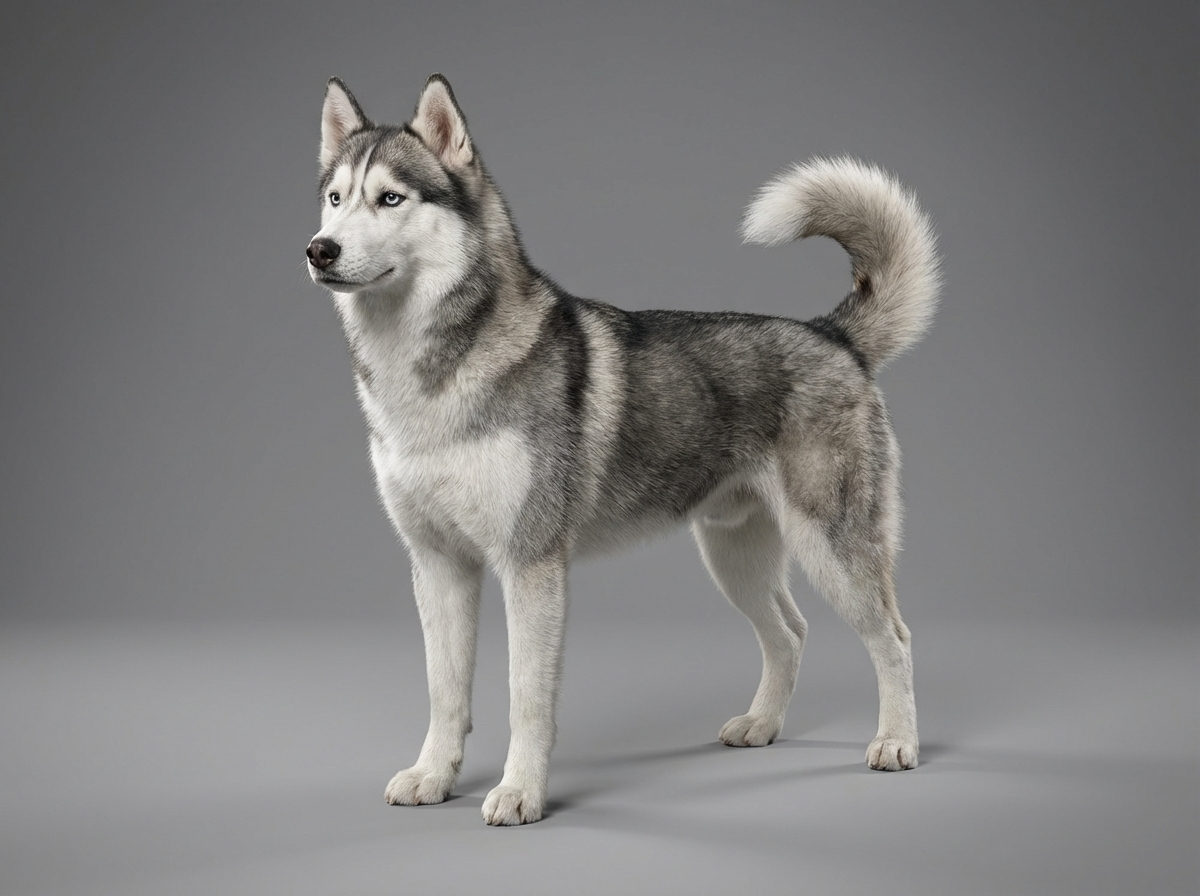
- Siberian Husky - Known for their thick double coat and endurance in snow.
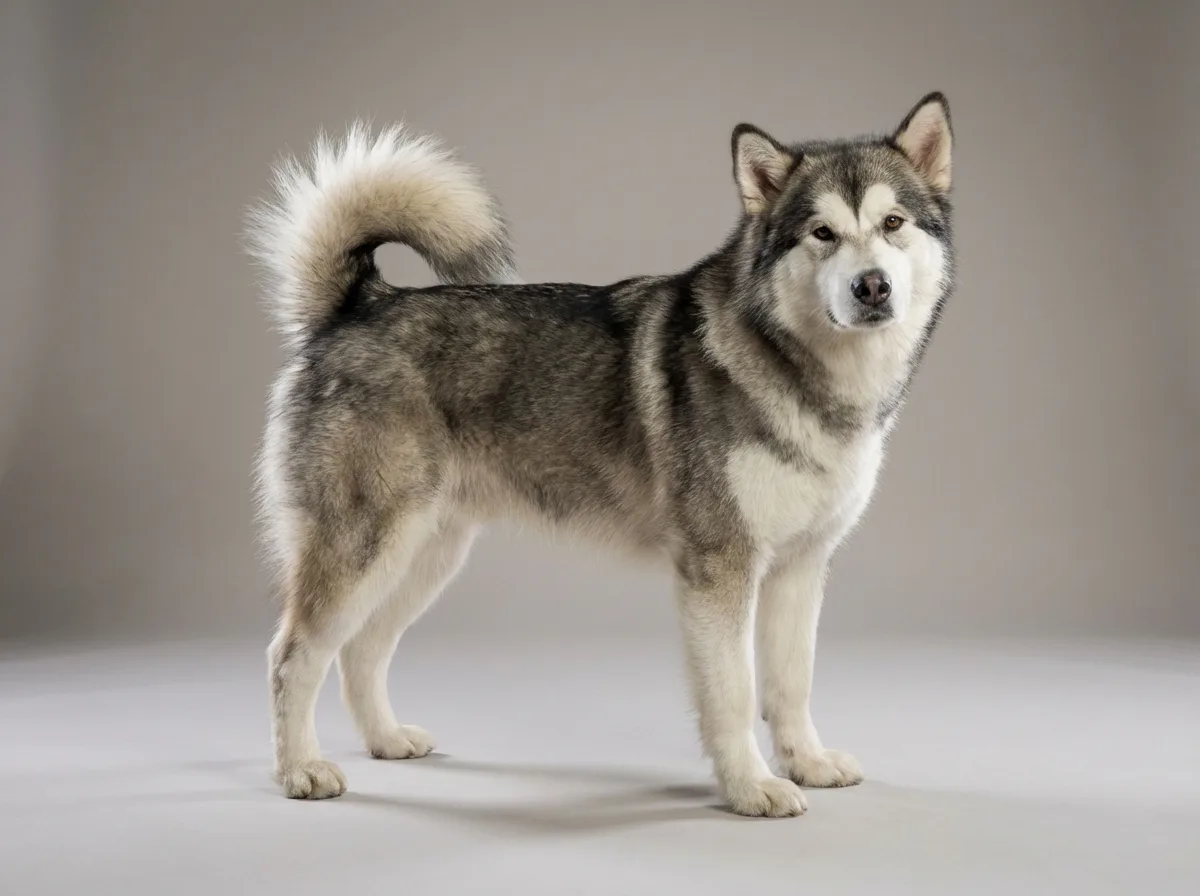
- Alaskan Malamute - A powerful breed that loves cold weather and outdoor adventures.
- Newfoundland - Great for families, they thrive in cold climates and enjoy swimming.
Caring for Your Cold Weather Companion
While some breeds are naturally equipped for winter, all dogs need proper care during colder months. Make sure your dog has a warm place to rest and monitor their time outside. Even winter-loving breeds can be affected by extreme conditions. Regular grooming helps maintain their coat's insulation and reduces matting. Lastly, be mindful of their paws; ice and snow can be uncomfortable, so consider dog booties for extra protection.
Final Thoughts
Selecting the best dog breed for winter is about matching your lifestyle with your dog’s needs. A breed that enjoys the cold can enhance your winter activities together. Be sure to provide the right care and environment to keep your furry friend happy and healthy during the chilly months.
How to Choose the Best Dog Breed for Winter
Finding the best dog breed for winter can make your snowy adventures enjoyable and safe. Here’s a step-by-step guide to help you choose the right canine companion for cold weather.
- 1. Assess Your Lifestyle: Consider how much time you can dedicate to outdoor activities. If you love winter hiking or playing in the snow, you need a breed that can keep up with your active lifestyle.
- 2. Research Breeds: Look into breeds known for thriving in cold climates, such as Huskies, Malamutes, and Newfoundlands. Read about their temperaments, energy levels, and care needs.
- 3. Visit Local Shelters: Check out your local shelters and rescue organizations. Many cold-weather breeds may be waiting for a loving home. Talk to the staff about the dogs’ personalities and history.
- 4. Consider Size and Space: Think about your living situation. Larger breeds may need more space to roam. If you live in an apartment, ensure you have access to areas where your dog can play outside during winter.
- 5. Evaluate Grooming Needs: Some breeds with thick fur need regular grooming to prevent matting. Decide how much time and effort you can commit to maintaining your dog’s coat.
- 6. Prepare for Cold Weather: Invest in winter gear for your dog, such as coats and booties. This is especially important for breeds that may not have thick enough fur to handle extreme cold.
- 7. Plan for Outdoor Activities: Make a list of winter activities you want to do with your dog. This can include snowshoeing, hiking, or simply playing in the snow. Ensure the breed you choose enjoys these activities.
- 8. Consult a Vet: Before making a final decision, speak with a veterinarian. They can provide insights into any health concerns related to specific breeds and give tips on caring for your dog in winter.
- 9. Make the Commitment: Once you've chosen a breed, ensure you’re ready for the responsibility of dog ownership. This includes daily exercise, training, and attention.
- 10. Enjoy Your Winter Adventures: With your new furry friend, embrace the winter season. Enjoy exploring snowy trails, building snowmen, and snuggling up after a day of fun.
Common Mistakes When Choosing the Best Dog Breed for Winter
Understanding the best dog breed for winter can be tricky. Many owners make common mistakes that can lead to unhappy pets and stressful situations. Here are some key pitfalls to avoid.
- Choosing a breed based solely on looks
- Underestimating grooming needs for thick-furred dogs
- Lack of preparation for extreme cold
- Ignoring individual dog personalities
- Not considering exercise needs for winter breeds
- Neglecting health concerns related to cold weather
Myths vs. Facts About the Best Dog Breed for Winter
There are several myths surrounding dog breeds that thrive in winter conditions. Let's debunk some of the most common ones to help you choose the best dog breed for winter.
- Myth: All dogs can handle cold weather.
- Fact: Not all dogs are suited for winter. Breeds with thick fur, like Huskies and Malamutes, are better equipped to handle cold temperatures than short-haired breeds.
- Myth: Dogs should stay outside in winter to adapt.
- Fact: While some dogs enjoy the snow, they should not be left outside for long periods. Dogs need shelter and warmth, regardless of their breed.
- Myth: Only large breeds can thrive in winter conditions.
- Fact: Smaller breeds with the right coat type, such as the Papillon, can also enjoy winter activities. It’s all about the dog's fur and health, not just size.
- Myth: Winter dogs don't need grooming.
- Fact: Even thick-furred breeds require regular grooming to prevent matting and skin issues. Proper care is essential for their health.
- Myth: All dogs love snow.
- Fact: While many breeds enjoy playing in the snow, not all dogs like cold weather. Individual temperament plays a significant role.
Advanced Tips for Choosing the Best Dog Breed for Winter
When selecting the best dog breed for winter, consider these advanced tips to ensure your furry friend thrives in cold weather. These insights go beyond the basics and can help you make a more informed decision.
- Consider the dog's energy level and exercise needs in winter conditions.
- Research coat types and how they handle different cold temperatures.
- Think about your lifestyle and how often you'll be outdoors with your dog.
Additional Considerations for Winter Breeds
Beyond just cold tolerance, consider the following factors when choosing a winter-friendly dog. These aspects can greatly influence your dog's comfort and well-being during colder months.
Exercise and Socialization in Winter
Winter can limit outdoor play, but it's vital to keep your dog active. Engage in indoor play or find a dog-friendly facility where they can socialize and exercise, even in the cold. Regular activity helps prevent behavioral issues that can arise from boredom.
Grooming and Health During Winter
Proper grooming is essential for winter breeds. Regular brushing removes dead hair and helps maintain skin health. Be mindful of ice buildup between their paw pads, which can be uncomfortable. A vet check-up before winter can also ensure your dog is fit for the colder months.
Nutrition Tips for Winter Dogs
As temperatures drop, your dog's nutritional needs may change. Some breeds may require more calories to maintain their energy levels and warmth. Consult your vet to adjust feeding routines appropriately and consider high-quality dog food that supports their active lifestyle in winter.
Insider Secrets for Choosing the Best Dog Breed for Winter
When considering the best dog breed for winter, there are some insider tips that can help you make the right choice. These insights go beyond the basics and can truly enhance your experience with a cold-weather companion.
- Look for breeds with double coats, like Huskies and Malamutes, as they provide better insulation against frigid temperatures.
- Consider your dog's energy levels; active breeds that love to play in the snow can help keep you moving during winter months.
- A dog with a thicker fur coat may be more tolerant of outdoor adventures, but be mindful of their paws; booties can protect them from ice and salt.
- Socialize your winter-loving dog early on to ensure they adapt well to cold weather and enjoy outdoor activities with you.
- Regular grooming is essential; removing excess fur can help your dog manage their body temperature better in varying winter conditions.
Checklist for Choosing the Best Dog Breed for Winter
Use this checklist to find the ideal dog breed that thrives in winter conditions. Consider the following factors to ensure a happy, healthy relationship with your new furry friend.
- Research breeds known for cold weather resilience, like Huskies, Malamutes, and Newfoundlands.
- Assess your living space and ensure it can accommodate a larger, active breed if needed.
- Plan for daily exercise in snow or cold weather environments, including winter hiking.
- Check for thick fur and insulation in the breed you choose, which helps them stay warm.
- Consider each breed's temperament and energy levels to match your lifestyle.
- Evaluate grooming needs for dogs with thick fur, as they may need regular brushing.
- Prepare for potential health issues related to cold weather, like frostbite or hip dysplasia.
- Invest in winter gear for your dog, such as coats, booties, or dog-friendly snow gear.
- Ensure access to fresh water, as dogs can become dehydrated even in winter.
- Plan for indoor activities during extreme cold days to keep your dog entertained.
Frequently asked questions
What are the best dog breeds for winter?
The best dog breeds for winter include those with thick fur and a love for cold weather. Breeds like the Siberian Husky, Alaskan Malamute, and Newfoundland thrive in snowy conditions. These dogs are built to handle the cold and often enjoy winter activities like hiking or playing in the snow. This answer relates to best dog breed for winter.
Can dogs stay outside in winter?
Yes, many dogs can stay outside in winter, but it depends on the breed and the temperature. Cold-loving breeds, such as Huskies and Malamutes, can handle colder climates better than others. Always ensure they have shelter and access to warmth when temperatures drop too low.
What breeds love snow?
Breeds that love snow typically have thick fur and enjoy outdoor activities. Examples include the Labrador Retriever, Bernese Mountain Dog, and the Samoyed. These dogs are playful and energetic, making them perfect companions for winter adventures.
Are there any special considerations for winter dog care?
Yes, winter dog care requires attention to hydration, paw protection, and warming up after outdoor activities. Snow and ice can cause irritation to their paws, so consider dog booties or paw wax. Also, ensure they stay hydrated, as they may not drink as much cold water.
How do I know if my dog can handle the cold?
To determine if your dog can handle the cold, consider their breed, age, and health. Breeds with thick coats are more suited for colder climates, while small or short-haired dogs may struggle. Monitor their behavior outdoors; if they seem uncomfortable or start shivering, it’s time to head inside.
What are the best dog breeds for cold winters?
Some of the best dog breeds for winter include the Siberian Husky, Alaskan Malamute, and Newfoundland. These breeds have thick fur coats that help them thrive in cold weather. They also enjoy outdoor activities like snow hiking and playing in the snow.
Are there dogs that love snow?
Yes, many dogs love snow! Breeds like the Bernese Mountain Dog and the Samoyed are known for their playful nature in snowy conditions. These dogs often have the energy and enthusiasm to play outside for hours in winter.
Can dogs stay outside in winter for long periods?
While many cold-weather breeds can tolerate the winter elements, it's important to monitor their time outside. Short play sessions are best, especially if temperatures drop significantly. Always provide your dog with a warm place to retreat to if they get cold.
How do I know if my dog is too cold outside?
Watch for signs like shivering, whining, or lifting their paws off the ground. If your dog seems anxious or reluctant to stay outside, it's a good idea to bring them in. Always check their paws for ice or snow buildup.
What are some winter hiking dogs?
Breeds like the German Shepherd, Siberian Husky, and Labrador Retriever make great winter hiking companions. These dogs usually have the stamina and strength to navigate snowy trails. Make sure to keep them hydrated and check for any signs of fatigue.
Do dogs with thick fur need special care in winter?
While thick-furred dogs are well-suited for winter, they still need care. Regular grooming helps prevent matting, which can trap moisture and cause skin issues. Additionally, keep an eye on their paws and protect them from ice and salt.
Are there any specific activities for winter dogs?
Absolutely! Activities like snowshoeing, sledding, and even playing fetch in the snow are great for winter dogs. Just ensure that the activities are safe and appropriate for your dog's breed and fitness level.