Best Dog Breed for Trail Running: Find Your Perfect Adventure Partner
Choosing the best dog breed for trail running can enhance your outdoor adventures. This guide will help you find the perfect furry companion to keep up with your active lifestyle.
Choosing the Best Dog Breed for Trail Running
Finding the best dog breed for trail running is essential for those who want a furry companion to join them on their adventures. Not all dogs are built for the rugged terrain and varying conditions of trail running. This guide will help you understand which breeds are best suited for off-road running, their specific needs, and how to ensure a successful partnership on the trails.
Trail running requires dogs that are not only physically capable but also mentally prepared for the challenges of outdoor activity. Breeds that excel in this environment often have high energy levels, strong endurance, and a love for exploration. Understanding these traits is crucial for selecting a dog that can keep up with your pace and enjoy the journey with you.
In this guide, we will explore the characteristics that make certain breeds ideal for trail running. We’ll cover factors such as stamina, temperament, and adaptability to different climates and terrains. Additionally, we'll discuss the importance of training and socialization, ensuring that your dog is well-prepared to navigate trails safely and responsibly.
As you venture into the world of trail running with your dog, it’s important to consider not just the breed but also the individual dog's personality and physical condition. Even within a breed known for its athleticism, there can be variations in energy levels and responsiveness. By focusing on these aspects, you can foster a strong bond with your dog while enjoying the great outdoors together.
Finally, we will provide tips on how to get your dog acclimated to trail running, including the best training practices and gear to enhance your experience. Whether you're a seasoned runner or just starting, this guide will help you find the perfect trail running partner, ensuring both you and your dog have a safe and enjoyable time out in nature.
Evaluate Your Fitness Level
Before choosing the best dog breed for trail running, assess your own fitness level. Consider how often you run and the distance you cover. This will help you select a dog that matches your activity level.
Research Suitable Breeds
Look into dog breeds that are known for their athleticism and stamina. Breeds like the Rhodesian Ridgeback, Vizsla, and Border Collie are excellent choices for trail running. Each breed has unique traits that might fit your lifestyle.
- Rhodesian Ridgeback: Great for long distances and rugged terrain.
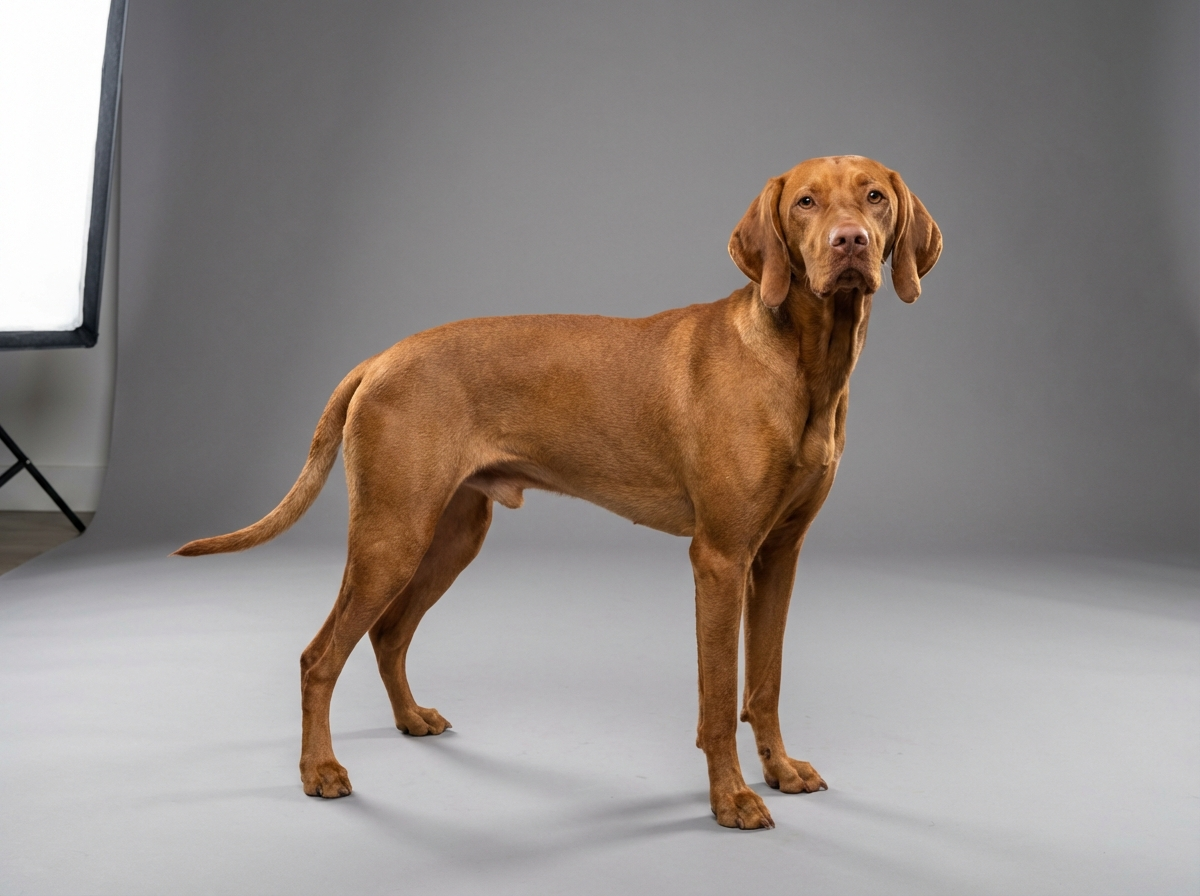
- Vizsla: Energetic and loves to run with their owner.
- Border Collie: Intelligent and agile, perfect for trails.
Consider Your Running Environment
Think about the type of trails you'll be running on. Rugged trails may require a sturdier dog with good balance and agility, while smoother paths might be suitable for various breeds. Make sure your dog can handle your preferred terrain.
Meet Potential Breeds
Once you have a shortlist of breeds, spend time with dogs of those breeds. Visit shelters or breed-specific events to get a feel for their energy and behavior. This can help you find a good match for your running style.
- Visit local shelters or breed rescues.
- Attend dog shows or breed meet-ups.
- Set up playdates with dogs of the breeds you’re considering.
Plan for Training and Socialization
After choosing a breed, focus on training and socialization. Start with basic commands and gradually introduce them to trail running. This ensures your dog is safe and well-behaved on the trails.
Invest in Proper Gear
Get the right gear for both you and your dog. Consider a good harness for your dog, a leash that allows freedom, and footwear for yourself that suits trail running. This enhances safety and comfort during your runs.
- Dog harness: Ensures comfort and control.
- Trail running shoes: Provides support and grip.
- Hydration pack: Keeps both you and your dog hydrated.
Common Mistakes When Choosing the Best Dog Breed for Trail Running
Choosing the right dog breed for trail running comes with its own set of challenges. Many owners make common mistakes that can lead to frustration or, worse, an unhappy dog. Here are some of the most frequent pitfalls.
- Ignoring the dog's energy level: Selecting a breed without considering its energy needs can result in a mismatch. Breeds like Vizslas and Border Collies thrive on high activity and can become destructive if not exercised enough.
- Neglecting breed traits: Each breed has unique characteristics. For instance, while a Rhodesian Ridgeback is great for running, they may not be the best for families with small pets due to their prey drive.
- Overestimating your dog's abilities: Just because a breed is known for endurance doesn't mean every individual will excel. Health issues, age, or lack of training can limit a dog's performance.
- Failing to train for trails: Some owners assume that their dog will naturally adapt to trail running. Without proper training and conditioning, even the best dog breeds for trail running can struggle or get injured.
- Not considering weather conditions: Different breeds handle temperature extremes differently. A dog that thrives in colder climates may struggle in heat, so it’s crucial to take the weather into account when planning runs.
- Underestimating nutrition needs: Trail running dogs often require more calories and hydration than typical pets. Failing to adjust their diet can lead to fatigue or health issues during long runs.
- Neglecting socialization: A dog that isn't well-socialized may become anxious or reactive on crowded trails. Ensuring your dog is comfortable around other people and pets is essential for enjoyable runs.
Common Myths and Facts About the Best Dog Breed for Trail Running
There are several myths surrounding the best dog breed for trail running. Let's debunk some of the most common misconceptions to help you make a better choice for your outdoor adventures.
- Myth: Any dog can run on trails.
- Fact: Not all dogs are built for trail running. Some breeds have high energy and endurance, while others may struggle with the terrain.
- Myth: Small dogs can't be good trail runners.
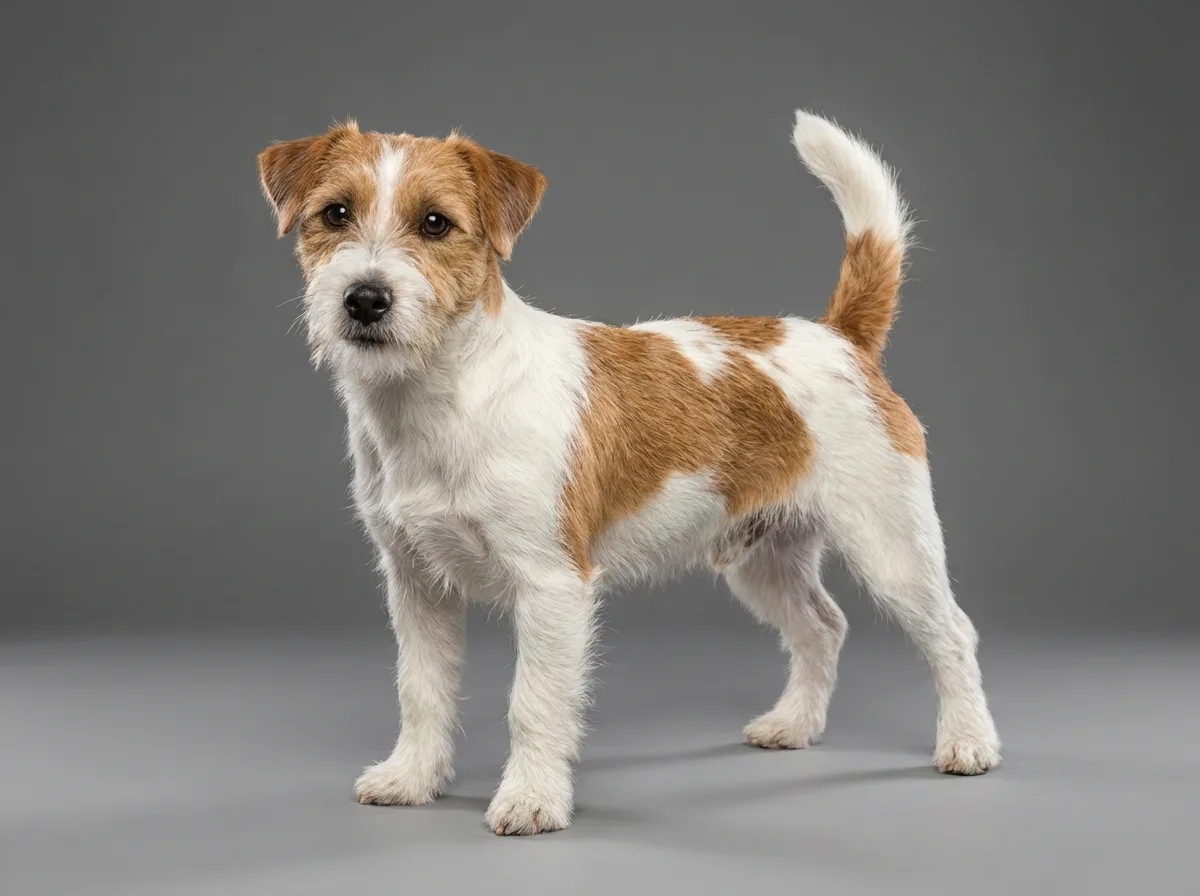
- Fact: Small dogs like the Jack Russell Terrier or Miniature Pinscher can be surprisingly agile and energetic on trails.
- Myth: Trail running is only for certain breeds.
- Fact: While some breeds are more suited for trail running, many dogs can enjoy it with proper training and conditioning.
- Myth: Dogs naturally know how to run well on trails.
- Fact: Dogs require training to navigate uneven terrain and stay safe while running with their owners.
Advanced Tips for Choosing the Best Dog Breed for Trail Running
If you're serious about finding the best dog breed for trail running, consider these advanced tips to enhance your experience and ensure both you and your dog thrive on your adventures.
- Focus on endurance: Look for breeds known for their stamina, such as the Vizsla or Rhodesian Ridgeback. These dogs can keep up with longer distances and varied terrain.
- Train for the trail: Start with shorter runs and gradually increase distance. Incorporate different terrains to help your dog adapt, building their confidence and endurance.
- Consider weather conditions: Some breeds handle heat or cold better than others. Research your dog's breed characteristics to ensure they can run comfortably in your typical climate.
- Hydration is key: Always carry water for both you and your dog. Consider investing in a dog hydration pack that allows your pup to carry their own water.
- Socialize and train recall: Teach your dog solid recall skills, especially if you run on trails with other dogs or wildlife. This helps keep them safe and ensures smoother runs.
Insider Secrets for Choosing the Best Dog Breed for Trail Running
When selecting the best dog breed for trail running, consider these insider tips to enhance your experience and your dog’s enjoyment.
- Look for breeds with high endurance and energy levels.
- Consider the dog's coat type based on climate.
- Train for off-leash running to improve your experience.
- Evaluate your dog's temperament for trail challenges.
- Start slowly and gradually increase distance for safety.
Checklist for Choosing the Best Dog Breed for Trail Running
Use this checklist to find the perfect trail running companion that matches your lifestyle and fitness level.
- Evaluate your running style and distance.
- Consider the climate and terrain of your trails.
- Look for breeds known for endurance and agility.
- Check the dog's age and overall health.
- Assess the dog's temperament and energy level.
- Ensure the breed has a good recall ability.
- Research potential breed-specific health issues.
Frequently asked questions
What is the best dog breed for trail running?
The best dog breed for trail running typically includes active and athletic breeds like the Vizsla, Rhodesian Ridgeback, and Border Collie. These breeds have high energy levels, stamina, and enjoy outdoor adventures. Their natural athleticism makes them excellent companions for long runs on rugged terrain.
Can my dog run trails with me?
Most dogs can run trails with you, but it's essential to consider their age, health, and breed. Active breeds with strong endurance are better suited for trail running. Always consult your vet before starting a running regimen to ensure your dog is fit for the activity.
What should I look for in a trail running dog?
When choosing a trail running dog, look for breeds known for their endurance, agility, and enthusiasm for outdoor activities. Dogs with a good recall are also ideal, as they can safely navigate off-leash areas. Consider your dog's size and temperament, as well.
Are there specific breeds known as adventure fitness dogs?
Yes, breeds like the Vizsla, Labrador Retriever, and German Shorthaired Pointer are often considered adventure fitness dogs. They thrive on physical activity and enjoy participating in various outdoor sports. These dogs typically have the energy and drive necessary for long runs.
What are rugged dogs suited for off-road running?
Rugged dogs such as the Belgian Malinois, Australian Shepherd, and Siberian Husky are well-suited for off-road running. Their strong builds and desire for exercise make them excellent companions for trail adventures. They can handle challenging terrains and varying weather conditions.
What are the best dog breeds for trail running?
Some of the best dog breeds for trail running include the Vizsla, Rhodesian Ridgeback, and Border Collie. These breeds are known for their athleticism, stamina, and ability to handle rugged terrain. They thrive on exercise and enjoy spending time outdoors with their owners.
Can any dog run trails with me, or do they need special training?
While many dogs can enjoy trail running, not all breeds are suited for the activity. It's important to consider your dog's age, size, and fitness level. Gradual training and conditioning are key to ensuring your dog can safely keep up on the trails.
How can I improve my dog's recall for trail running?
To improve your dog's recall, start with basic training in a controlled environment. Use positive reinforcement techniques, such as treats and praise, when your dog responds to commands. Gradually introduce distractions, and practice recall during trail runs to build their confidence and responsiveness.
What should I carry with me while trail running with my dog?
When trail running with your dog, it's essential to carry water for both of you, a collapsible bowl, and some snacks for energy. Don't forget to bring a first aid kit for any minor injuries or emergencies. A leash and dog waste bags are also important for responsible trail etiquette.
Are there specific health considerations for dogs running on rugged trails?
Yes, it's crucial to consider your dog's joint health and overall fitness before hitting rugged trails. Certain breeds may be more prone to injuries or joint issues. Regular vet check-ups and monitoring for signs of discomfort during and after runs can help keep your dog healthy.
What types of terrain are best for trail running with dogs?
Dogs tend to enjoy varied terrain, such as dirt paths, hills, and light inclines. Avoid overly rocky or slippery surfaces, which could lead to injuries. Look for trails that offer a mix of flat and challenging sections to keep your dog engaged and stimulated.
How often should I trail run with my dog?
The frequency of trail running with your dog depends on their age, fitness level, and breed. Generally, 2-3 times a week can be a good starting point. Always listen to your dog's needs and adjust the schedule based on their energy levels and recovery time.