Finding the Best Dog Breed for Studio Apartment Living
Choosing the right dog breed for a studio apartment can make all the difference. This guide helps you find the perfect small dog that fits your lifestyle and living space.
Finding the Best Dog Breed for Your Studio Apartment
Choosing the best dog breed for a studio apartment is essential for ensuring a happy, stress-free living environment. With limited space, it's important to find a dog that fits your lifestyle and living situation. Some breeds thrive in smaller areas and can adapt well to the one-room living experience, making them ideal companions for apartment dwellers.
Why does this matter? For many people, owning a dog is a dream, but they worry about how a pet will fit into their compact living space. The right breed can make all the difference. Dogs that are calm, quiet, and easy to manage can enhance your apartment living experience. On the other hand, breeds that require lots of space and exercise may lead to frustration for both you and your furry friend.
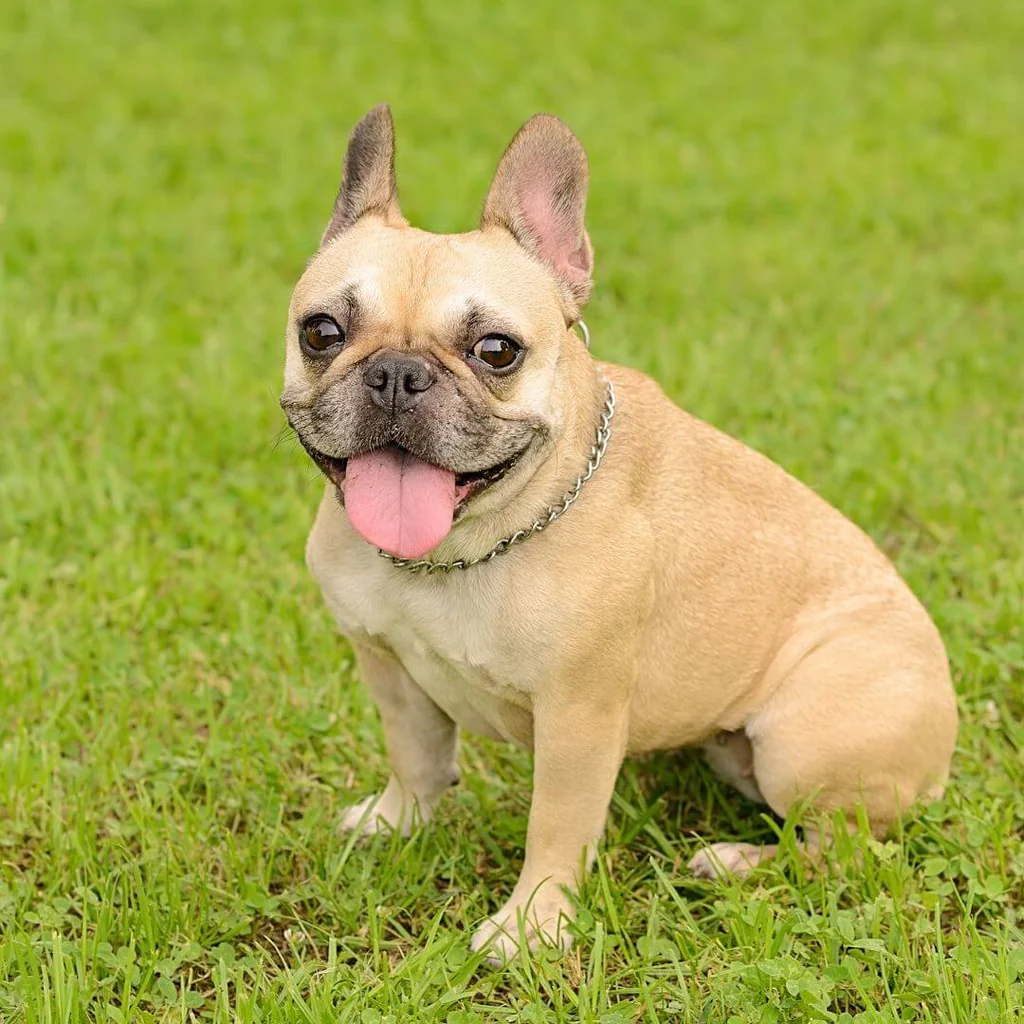
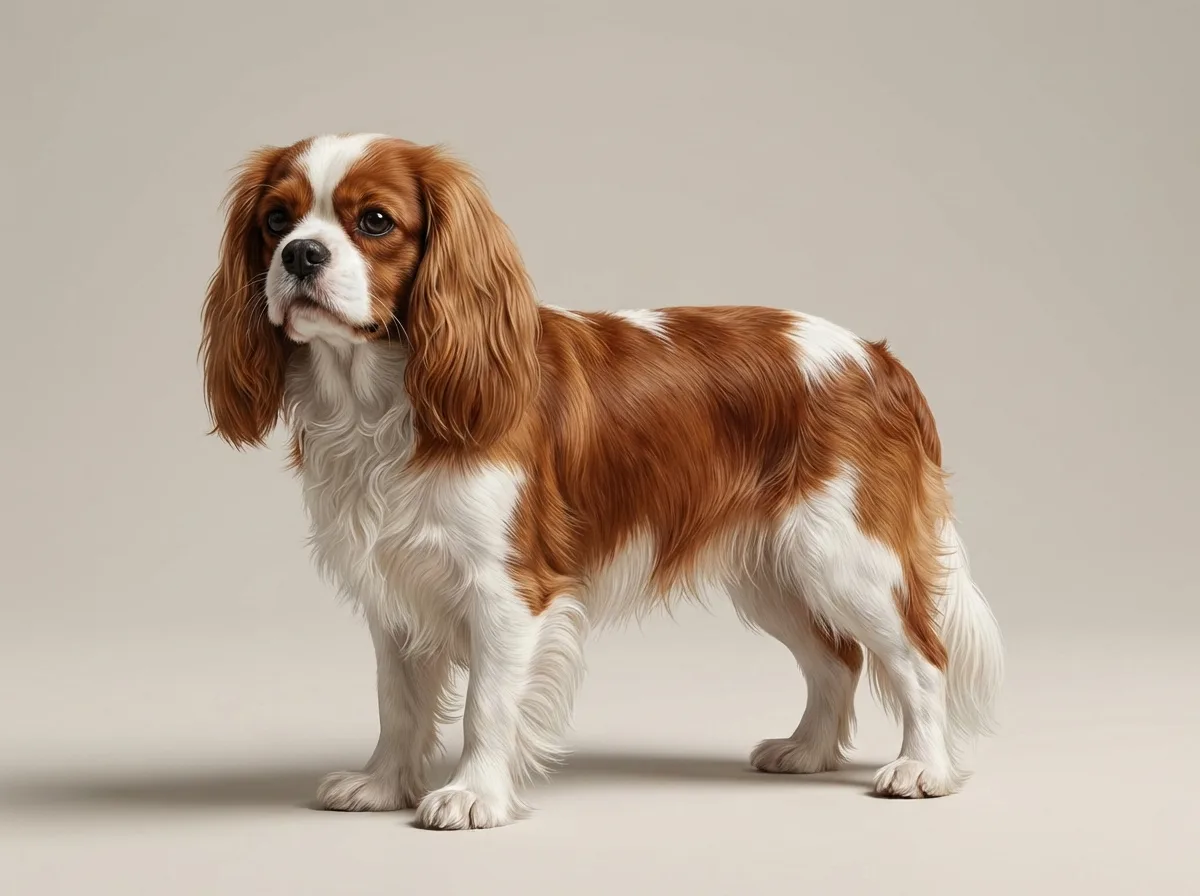
When looking for the best dog breed for a studio apartment, consider factors like size, energy level, and temperament. Small dogs often excel in studio environments due to their compact nature. Breeds such as French Bulldogs, Cavalier King Charles Spaniels, and Pugs are known to be friendly and adaptable, making them great choices for apartment living. Quiet small dogs are particularly important if you have neighbors close by, as it helps maintain a peaceful atmosphere.
Additionally, consider your daily routine and how much time you can dedicate to exercising and engaging with your dog. Some dogs require more activity than others, and finding a breed that aligns with your lifestyle will lead to a happier relationship. This guide will help you explore the best studio pets, taking into account both your personal preferences and the needs of the dog.
To make the most of your apartment living with a dog, it's essential to set up a comfortable space for your pet. Think about the layout of your studio and how you can create a designated area for your dog to relax. Training is also crucial; teaching your dog basic commands can prevent behavioral issues and help them adapt to their new home. By understanding the unique challenges and rewards of dog ownership in a studio apartment, you can make informed decisions that benefit both you and your furry companion.
In summary, finding the best dog breed for your studio apartment is about balancing your living space with the needs of your dog. With the right breed, you can enjoy the companionship of a pet without feeling overwhelmed by the challenges of limited space. This guide will provide insights on breeds that thrive in smaller living situations, tips for managing a dog in a studio, and how to create a harmonious home for both of you.
Step-by-Step Plan for Choosing the Best Dog Breed for a Studio Apartment
Finding the best dog breed for your studio apartment involves considering your lifestyle and the dog's needs. Here’s a practical step-by-step guide to help you make the right choice this week.

- 1. Assess Your Space: Measure your studio to understand how much room you have for a dog. Consider areas where the dog can play, sleep, and eat.
- 2. Establish Your Lifestyle: Think about your daily routine. Are you home often or out for long periods? Your availability will influence the breed choice.
- 3. Research Suitable Breeds: Look into breeds that are known to thrive in small living spaces, such as French Bulldogs, Cavalier King Charles Spaniels, and Pugs.
- 4. Evaluate Activity Levels: Match the dog's energy levels with your lifestyle. Low-energy dogs are usually better for small apartments.
- 5. Visit Shelters or Breeders: Spend time with different breeds to see which ones you connect with. This is a great way to gauge temperament.
- 6. Consider Noise Levels: If you have neighbors, choose a quieter breed. This will help maintain peace in your living situation.
- 7. Prepare Your Home: Before bringing a dog home, set up a designated space for them with a bed, food, and toys. This creates a welcoming environment.
- 8. Plan for Exercise: Even small dogs need exercise. Create a routine that includes walks and playtime, ensuring they get enough physical activity.
- 9. Think About Training: Invest time in training your dog. This helps with behavior management, especially in a small space.
- 10. Budget for Costs: Calculate the potential costs of dog ownership, including food, vet bills, and supplies. Make sure it fits your budget.
Common Mistakes When Choosing the Best Dog Breed for a Studio Apartment
Choosing a dog for a studio apartment can be tricky. Many owners make mistakes that can lead to frustration for both them and their pets. Here are some common pitfalls to avoid.

- Ignoring Space Requirements
- Underestimating Exercise Needs
- Neglecting Noise Levels
- Choosing a High-Energy Breed
- Not Considering Allergies
- Failing to Train Properly
Common Myths About Dogs in Studio Apartments
Living in a studio apartment doesn't mean you can't have a dog, but there are many myths that might discourage potential pet owners. Here, we debunk some common misconceptions about having dogs in small living spaces.

- Myth: All dogs need a large yard to be happy.
- Myth: Small dogs don't need exercise.
- Myth: Dogs will be noisy in a small space.
- Myth: Any dog can adapt to apartment living.
- Myth: You can't train a dog in a studio apartment.
Advanced Tips for Choosing the Best Dog Breed for Studio Apartment Living
1. Consider Breed Temperament: When choosing the best dog breed for a studio apartment, focus on temperament over size. Quiet small dogs like the Cavalier King Charles Spaniel or Pugs are ideal for one-room living. Their calm demeanor makes them less likely to disturb neighbors.
2. Establish a Routine: Dogs thrive on routine, especially in small spaces. Set a consistent schedule for walks, playtime, and feeding. This helps manage your dog's energy levels and reduces anxiety, making it easier to live in a confined area.
3. Utilize Vertical Space: Maximize your apartment's space by incorporating vertical solutions. Use shelves for dog toys, or invest in wall-mounted beds for smaller breeds. This keeps your floor clear and gives your dog options for relaxation.
4. Invest in Training: Good training is essential for managing a dog in a studio. Focus on commands like 'quiet' or 'stay.' This will help curb barking and keep your space peaceful. Consider enrolling in a training class or using online resources to reinforce these skills.
5. Create a Cozy Corner: Designate a specific area in your apartment as your dog's space. Use a comfortable bed, blankets, and toys to make it inviting. This can give your dog a sense of personal space, which is crucial in a smaller living environment.
6. Engage in Mental Stimulation: Small dogs can get bored easily, especially in limited space. Incorporate puzzle toys or interactive games that stimulate their minds. This helps keep them occupied and reduces destructive behaviors.
7. Choose the Right Accessories: Opt for compact, multifunctional dog gear. A collapsible water bowl or a lightweight carrier can be convenient for small living spaces. Look for items that fit seamlessly into your decor while being functional for your dog’s needs.
8. Explore Outdoor Options: If you have access to outdoor spaces, utilize them for exercise. Take advantage of nearby parks or dog-friendly areas. This gives your dog the opportunity to run and socialize, balancing the indoor living situation.
By implementing these advanced tips, you can ensure that both you and your dog enjoy a happy and fulfilling life in your studio apartment. With the right breed and strategies, small living doesn't have to mean compromising on companionship or joy.
Insider Secrets for Choosing the Best Dog Breed for Studio Apartments
Discover expert insights that can help you make the best choice for your living situation. These tips can guide you in choosing the perfect dog for your studio apartment.
- Consider breed energy levels: Opt for low to moderate energy breeds that require less space to romp around.
- Training is key: Invest time in training your dog on commands like 'quiet' and 'stay' to maintain peace in your compact living space.
- Socialization matters: Regular socialization with other dogs can help keep your pet calm and content, reducing barking and anxiety.
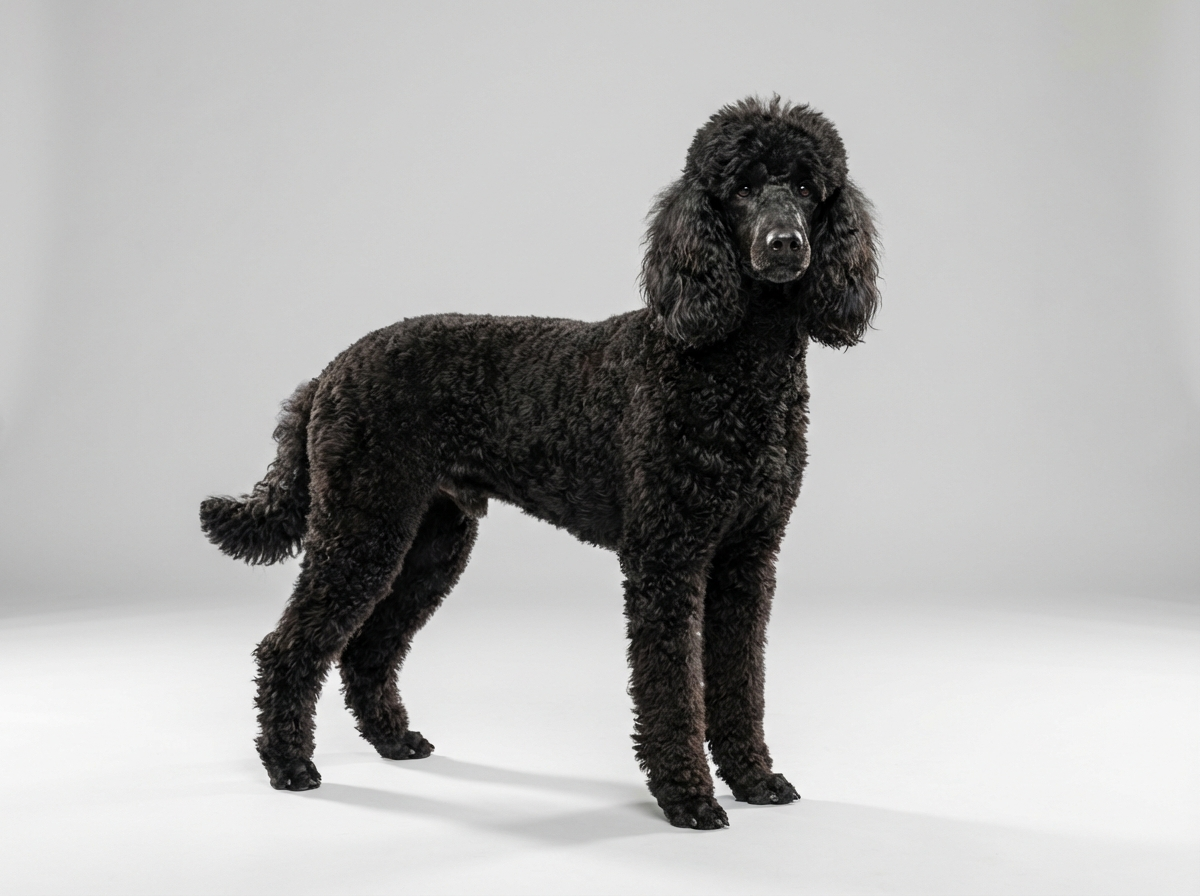
- Look for hypoallergenic breeds: If you have allergies, consider breeds that shed less, such as the Poodle or Bichon Frise.
- Silent playtime: Choose toys that are quieter, like plush toys, to help keep noise levels down.
Checklist for Choosing the Best Dog Breed for a Studio Apartment
Use this checklist to find the best dog breed for your studio apartment living situation. Consider these factors to ensure a happy home for both you and your future furry friend.
- Evaluate your available space: Measure your studio to understand how much room you have.
- Research breeds: Look into small, quiet dog breeds like French Bulldogs, Cavalier King Charles Spaniels, and Pugs.
- Consider lifestyle: Think about your daily schedule and how much time you can dedicate to exercising and playing with your dog.
- Assess noise levels: Choose breeds known for being quiet to avoid disturbing neighbors.
- Plan for training: Start with basic obedience training to help your dog adapt to apartment living.
- Create a comfortable space: Set up a cozy area for your dog with a bed, toys, and food/water bowls.
- Visit local shelters: Consider adopting a dog that fits your apartment living style.
- Prepare for outings: Make a plan for daily walks and bathroom breaks outside.
- Budget for costs: Understand the financial commitment, including food, grooming, and vet visits.
- Be patient: Allow time for your new dog to adjust to their new home.
Frequently asked questions
What is the best dog breed for a studio apartment?
The best dog breed for a studio apartment often includes small, adaptable breeds like French Bulldogs, Pugs, and Cavalier King Charles Spaniels. These dogs tend to be less active and can thrive in smaller living spaces. Ultimately, the best fit also depends on your lifestyle and how much time you can devote to exercise and companionship. This answer relates to best dog breed for studio apartment.
Can you have a dog in a studio?
Yes, you can have a dog in a studio apartment! Many small and quiet breeds are well-suited for limited space. Just ensure you provide enough exercise and mental stimulation to keep them happy.
How do I manage a dog in a studio apartment?
Managing a dog in a studio apartment involves creating a routine that includes regular walks, playtime, and training. Use vertical space for storage to keep the area tidy. Consider interactive toys to keep your dog engaged when you're busy.
What are the best studio pets?
Quiet small dogs like Dachshunds, Shih Tzus, and French Bulldogs make great studio pets. They adapt well to smaller environments and usually have lower exercise needs compared to larger breeds. However, consider each breed's temperament and energy levels.
What is a good dog for a 500 sq ft apartment?
For a 500 sq ft apartment, breeds like Pugs, Chihuahuas, and Cavalier King Charles Spaniels are ideal. They typically require less space and can be more manageable in smaller areas. Regular walks and playtime are still essential for their well-being.
What factors should I consider when choosing a dog for a studio apartment?
When selecting a dog for a studio apartment, consider the dog's size, energy level, and temperament. Smaller dogs are often more suitable for limited space, while calmer breeds tend to adapt better to apartment living. It's also essential to assess your lifestyle and how much time you can dedicate to exercise and socialization.
Are there specific dog breeds that are ideal for small living spaces?
Yes, some dog breeds are particularly well-suited for small living spaces. Breeds like French Bulldogs, Cavalier King Charles Spaniels, and Pugs tend to be compact and adaptable. Look for breeds known for their quieter nature and minimal exercise requirements to ensure a harmonious living arrangement.
How can I make my studio apartment dog-friendly?
To create a dog-friendly studio apartment, ensure you have a designated area for your dog to sleep and play. Use baby gates to manage space and keep hazards away. Additionally, invest in storage solutions for toys and supplies to keep your apartment tidy.
Can I train my dog to be quiet in a small space?
Yes, training your dog to be quiet in a small space is possible. Consistent training using positive reinforcement can help your dog learn to be calm and quiet when needed. Consider employing techniques like crate training or providing chew toys to keep them engaged and reduce noise.
How often should I walk my dog if I live in a studio apartment?
If you live in a studio apartment, it's generally recommended to walk your dog at least twice a day. This ensures they get enough exercise and mental stimulation. Depending on the breed, you may need longer or more frequent walks to meet their needs.
What should I do if my dog has separation anxiety in a small space?
If your dog shows signs of separation anxiety in a small space, consider gradually getting them used to being alone. Start with short periods and increase as they get comfortable. Providing interactive toys or puzzle feeders can also keep them occupied while you are away.
Are there any local laws or regulations about dog ownership in apartments?
Yes, many apartment complexes have specific rules regarding dog ownership. These can include breed restrictions, weight limits, or leash laws. Always check your lease agreement or talk to your landlord to ensure you're compliant with any regulations.