Best Dog Breed for Snow: Top Picks for Winter Weather
Looking for the best dog breed for snow? This guide will help you find the perfect winter companion that thrives in cold climates.
This guide is perfect for anyone considering a dog in snowy regions, whether you're a first-time dog owner or an experienced pet parent. If you enjoy outdoor winter activities like skiing or hiking, or if you simply want a furry companion that loves the cold, this guide is designed for you.
Many people underestimate a dog's needs when it comes to cold weather. Choosing the right breed can make all the difference in ensuring your dog is happy and healthy in snowy environments. Understanding which dogs adapt well to cold temperatures can help prevent issues like discomfort or health problems.
Finding the Best Dog Breed for Snow
If you live in a snowy area, choosing the best dog breed for snow is crucial. Some dogs thrive in cold weather, while others struggle. Understanding which breeds are cold tolerant can help you make a better decision for your lifestyle and your pet's well-being.
Why the Right Breed Matters
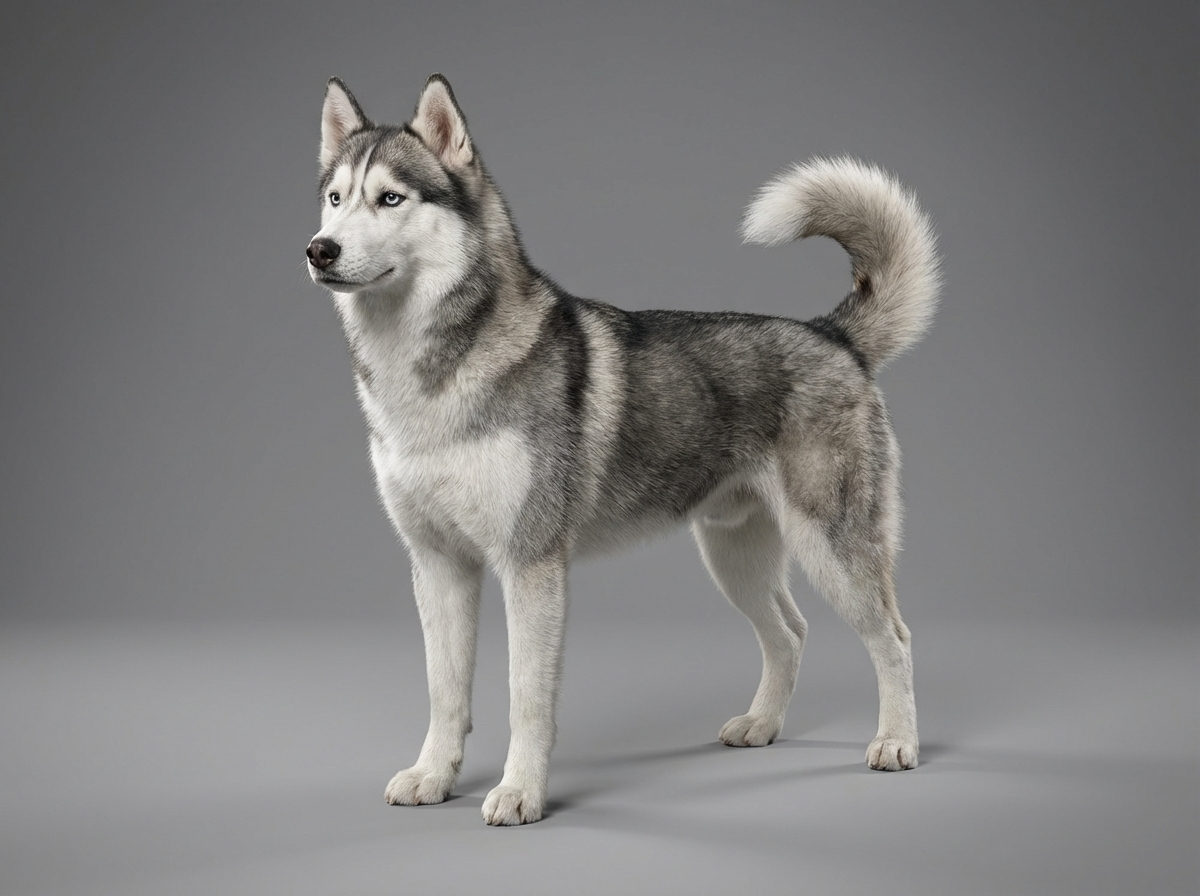
Selecting a dog breed that is suited for snowy climates can significantly impact your dog's health and happiness. Breeds like Siberian Huskies and Alaskan Malamutes have thick coats and strong builds that allow them to enjoy winter activities. On the other hand, a breed not suited for cold weather may suffer from health issues or discomfort.
Best Dog Breed for Snow: Top Picks for Winter Weather - Why the Right Breed Matters
Characteristics of Cold Tolerant Breeds
Cold tolerant breeds generally share specific characteristics that make them fit for winter conditions. Here are some key traits to look for:
Best Dog Breed for Snow: Top Picks for Winter Weather - Characteristics of Cold Tolerant Breeds
Thick double coats for insulation
Strong, sturdy bodies for endurance
High energy levels for outdoor play
Adaptability to cold temperatures
Top Breeds for Snowy Climates
Here are some of the best dog breeds for snow, known for their ability to handle cold weather:
Best Dog Breed for Snow: Top Picks for Winter Weather - Top Breeds for Snowy Climates
Siberian Husky
Alaskan Malamute
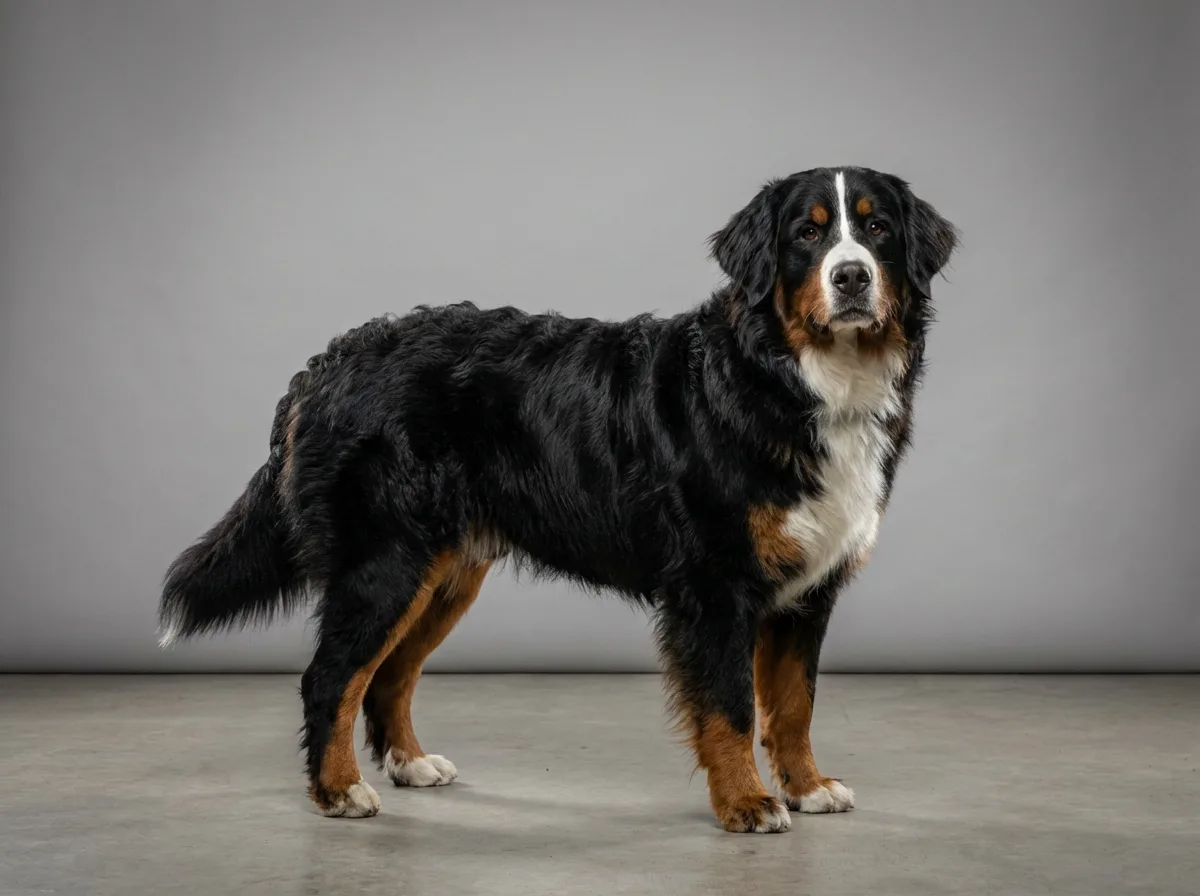
Bernese Mountain Dog
Conclusion
Choosing the best dog breed for snow is more than just preference; it's about ensuring your furry friend thrives in their environment. Researching the characteristics of cold-tolerant breeds will help you make a well-informed decision that benefits both you and your future pup. Remember, winter can be a magical time with the right dog by your side!
Best Dog Breed for Snow: Top Picks for Winter Weather - Conclusion
Step-by-Step Plan for Choosing the Best Dog Breed for Snow
Finding the perfect dog for snowy conditions involves careful consideration. Follow these steps to ensure you choose a breed that thrives in winter weather.
Best Dog Breed for Snow: Top Picks for Winter Weather - Step-by-Step Plan for Choosing the Best Dog Breed for Snow
Research cold-tolerant breeds that are suited for snowy climates.
Consider your living situation and whether you have adequate outdoor space.
Evaluate your lifestyle to ensure you can meet the exercise needs of a winter dog.
Visit local shelters or breeders to meet potential breeds in person.
Consult with veterinarians about breed-specific health considerations.
Gather supplies suitable for snowy conditions, such as insulated dog coats and paw protection.
Prepare your home for a new pet, ensuring it's safe and comfortable.
Plan a training schedule that includes acclimating your dog to cold weather.
Connect with other dog owners who have winter breeds for tips and support.
Why this helps
✓ Ensures you select a breed that thrives in snowy conditions.
✓ Helps avoid common pitfalls associated with unsuitable breeds.
✓ Encourages thorough preparation for both dog and owner.
Watch out for
! May require time and research to find the right fit.
! Initial costs for supplies and potential breed-specific health needs.
! Commitment to regular exercise and training in challenging weather.
Common Mistakes When Choosing the Best Dog Breed for Snow
Selecting the right dog breed for snowy climates can be tricky. Many owners make mistakes that can lead to unhappy pets and challenging situations. Here are some common pitfalls to avoid.
Best Dog Breed for Snow: Top Picks for Winter Weather - Common Mistakes When Choosing the Best Dog Breed for Snow
Choosing a breed solely based on looks: Many people are attracted to thick-coated dogs simply because they look fluffy and cute. However, not every fluffy dog is suited for extreme cold. Breeds like the Shih Tzu may have a thick coat but are not cold-tolerant and can struggle in snowy conditions.
Underestimating exercise needs: Cold tolerant breeds like Siberian Huskies need plenty of exercise, even in winter. If owners do not provide enough physical activity, these dogs can become bored, leading to destructive behavior. Daily walks and playtime are essential, regardless of the weather.
Ignoring grooming requirements: Thick-coated dogs require regular grooming to maintain their fur and prevent matting. Some owners neglect this, thinking their dog’s coat will naturally take care of itself. This can lead to skin issues and discomfort for the dog, especially in snowy climates.
Assuming all dogs enjoy snow: While many winter dogs thrive in snowy conditions, not all dogs enjoy the cold. Breeds like the Bernese Mountain Dog may love the snow, but other dogs might find it uncomfortable or even painful. It’s important to observe your dog’s behavior in the cold and adjust accordingly.
Not providing proper shelter: Many owners forget that dogs need a warm, dry place to escape the cold. Even cold-tolerant breeds can suffer from exposure if they don’t have adequate shelter. Ensure your dog has access to a heated area during extreme winter weather.
Neglecting hydration: In winter, dogs can become dehydrated just as easily as in summer. Snow may not be enough for hydration, and some dogs may not drink enough water in cold weather. Always provide fresh, unfrozen water for your dog, regardless of the season.
Failing to recognize health issues: Cold weather can exacerbate certain health problems, such as arthritis. Some owners may overlook signs of discomfort in their dogs during winter months. Regular vet check-ups are essential to ensure your dog remains healthy in the snow.
Myths vs. Facts About the Best Dog Breed for Snow
Many people have misconceptions about which dogs thrive in snowy climates. Here are some common myths and the facts that debunk them.
Best Dog Breed for Snow: Top Picks for Winter Weather - Myths vs. Facts About the Best Dog Breed for Snow
Myth: All dogs love snow.
Fact: Not all dogs enjoy snow. Some breeds may dislike cold weather and prefer warmer climates.
Myth: Thick-coated dogs can handle any winter condition.
Fact: While thick-coated dogs like the Siberian Husky are bred for cold, they still need shelter and care to avoid frostbite and hypothermia.
Myth: Dogs can sleep in the snow without any issues.
Fact: Dogs can suffer from cold exposure, and even winter breeds should have a warm place to rest.
Myth: Any large dog is suitable for snowy environments.
Fact: Size doesn't guarantee cold tolerance; specific breeds are better adapted to harsh winter conditions.
Why this helps
✓ Understanding these myths helps owners choose the right breed for cold climates.
✓ Promotes better care practices for dogs in snowy conditions.
✓ Encourages awareness of a dog's individual needs beyond breed.
Watch out for
! Believing myths can lead to poor decisions in dog ownership.
! Misunderstandings about dog care can put pets at risk.
! Overestimating a dog's cold tolerance can lead to health issues.
Advanced Tips for Choosing the Best Dog Breed for Snow
Selecting the best dog breed for snow involves more than just finding a thick-coated companion. Here are advanced tips to help you make the most informed decision for your snowy environment.
First, consider the dog's activity level. Breeds like the Siberian Husky thrive in snowy climates but need plenty of exercise. If you're an outdoor enthusiast, a high-energy dog will keep you company on your winter adventures.
Conversely, if you prefer cozy days indoors, look for breeds that can adapt to less activity without becoming bored or anxious.
Second, evaluate grooming needs. Thick-coated dogs often require regular grooming to prevent matting and maintain healthy fur. Breeds such as the Alaskan Malamute can shed heavily, especially in warmer months.
Ensure you're prepared for the commitment of regular grooming sessions to keep their coats in top shape.
Another key point is socialization and training. Cold-tolerant breeds may have strong instincts and independent personalities. Early socialization and consistent training will help your dog adapt to your lifestyle and surroundings.
Consider enrolling in a training class or seeking professional assistance if needed.
Also, think about your housing situation. If you live in a snowy area but have limited space, consider smaller breeds that are still cold-tolerant, like the Bernese Mountain Dog. They can enjoy the snow without needing large open spaces for exercise.
Lastly, plan for health needs. Some breeds are prone to specific health issues, such as hip dysplasia or heart problems. Research the breeds you’re interested in and consult with a veterinarian to understand their potential health challenges and how to manage them effectively.
Best Dog Breed for Snow: Top Picks for Winter Weather - Advanced Tips for Choosing the Best Dog Breed for Snow
Why this helps
✓ High-energy dogs like Huskies can be great companions for outdoor activities.
✓ Regular grooming keeps thick coats healthy and manageable.
✓ Proper training and socialization lead to well-behaved pets.
Watch out for
! High-energy breeds require significant exercise and mental stimulation.
! Grooming can be time-consuming and may require professional help.
! Some cold-tolerant breeds can have health issues that need regular monitoring.
How to Care for a Dog in Snowy Conditions
Coat type is only one part of winter fit. Consider the individual dog's age, health, activity level, wind and moisture exposure, paw protection, supervision, shelter, and access to a warm indoor space.
Best Dog Breed for Snow: Top Picks for Winter Weather - How to Care for a Dog in Snowy Conditions
Thick-coat grooming is essential to maintain insulation.
Not all cold-weather breeds enjoy the snow; personality varies.
Exercise needs increase in snowy conditions, be prepared!
Watch out for salt and ice on paws; they can cause injuries.
Snow-loving breeds may need special nutritional support during winter.
Why this helps
✓ Understanding grooming needs keeps your dog healthy.
✓ Preparedness for increased exercise leads to happier dogs.
✓ Taking care of paw injuries prevents discomfort.
✓ Better nutrition supports energy levels and overall health.
Watch out for
! Grooming can be time-consuming for thick-coated dogs.
! Personality differences may lead to unexpected challenges.
! Increased exercise may require more time commitment.
! Preventative care for paws can be an extra expense.
! Nutritional adjustments may complicate feeding routines.
Checklist for Choosing the Best Dog Breed for Snow
Use this checklist to help you find the perfect dog breed that thrives in snowy conditions. Each point helps you consider essential factors for owning a winter-loving dog.
Best Dog Breed for Snow: Top Picks for Winter Weather - Checklist for Choosing the Best Dog Breed for Snow
Research breeds known for cold tolerance like Siberian Huskies, Alaskan Malamutes, and Bernese Mountain Dogs.
Evaluate your living conditions: Do you have enough space for a large, active dog?
Consider your climate: Is your area often snowy and cold?
Check your activity level: Can you provide enough exercise for a high-energy breed?
Look into grooming needs: Thick-coated dogs require regular grooming to manage shedding and matting.
Think about the dog's health: Some breeds are prone to certain genetic issues; check with breeders or shelters.
Assess your family situation: Make sure everyone in the household is comfortable with a dog that may have a strong prey drive.
Plan for winter activities: Will you be able to take the dog out for snowy hikes or play in the snow regularly?
Prepare for training: Many winter dogs have strong instincts that require consistent training and socialization.
Budget for care costs: Consider food, grooming, and veterinary expenses, especially for larger breeds.
Why this helps
✓ Cold-tolerant breeds enjoy snowy environments and can join you in winter activities.
✓ Many winter dogs are friendly, loyal, and great family companions.
✓ These breeds often have minimal health issues related to cold exposure.
Watch out for
! Some cold-weather breeds need significant exercise and space to thrive.
! Grooming can be labor-intensive, especially during shedding seasons.
! Not all breeds are suitable for warmer climates; relocation may be necessary.
Frequently asked questions
What are the best dog breeds for snow?
Some of the best dog breeds for snow include the Siberian Husky, Alaskan Malamute, and Bernese Mountain Dog. These breeds have thick fur coats that keep them warm in cold temperatures. They're also known for their stamina and love for winter activities.
This answer relates to best dog breed for snow.
Do dogs like snow?
Most dogs enjoy playing in the snow, especially those bred for colder climates. They love to run, jump, and explore the white landscape. However, some dogs may not like the cold and prefer to stay indoors.
What are cold tolerant breeds?
Cold tolerant breeds are dogs that can comfortably withstand low temperatures due to their thick fur and body structure. Breeds like the Siberian Husky and Alaskan Malamute are excellent examples. They are built for harsh winter conditions and can thrive in snowy environments.
Can dogs sleep in snow?
Yes, many cold-weather breeds can sleep in the snow, thanks to their insulating coats. However, it's essential to monitor their comfort and ensure they have a warm place to retreat to if needed. Breeds like the Bernese Mountain Dog are particularly good at handling cold weather.
What should I consider when choosing a dog for snowy climates?
When choosing a dog for snowy climates, consider their coat type, energy levels, and activity needs. Breeds with thick fur are ideal for cold weather, while active breeds will enjoy outdoor play. Additionally, ensure that your living situation accommodates their needs for exercise and warmth.
What are the best dog breeds for snowy climates?
The best dog breeds for snowy climates include thick-coated dogs like the Siberian Husky, Alaskan Malamute, and Bernese Mountain Dog. These breeds are built to handle cold temperatures and often enjoy playing in the snow. They thrive in winter conditions and can keep up with outdoor activities in chilly weather.
Do all dogs like snow?
Not all dogs enjoy snow. Breeds that are more accustomed to warmer climates may find snow uncomfortable or even painful. It's important to observe your dog's reactions to cold weather and snow to ensure they are happy and safe.
Can dogs sleep in the snow safely?
Some cold-tolerant breeds can sleep in the snow for short periods, but it's not advisable for most dogs. Even winter dogs should have a warm, dry place to rest. Always monitor your dog’s comfort in cold weather to prevent hypothermia or frostbite.
What health issues should I be aware of for winter dogs?
Winter dogs can still face health issues like frostbite, hypothermia, or paw injuries from ice and snow. It's essential to check your dog's paws for cuts or ice buildup. Regular vet check-ups are a good idea to ensure they remain healthy during the winter months.
How much exercise do winter dogs need in snowy weather?
Winter dogs still need regular exercise, but the amount may vary based on the temperature and snow conditions. Shorter, more frequent walks can be beneficial. Always ensure they are warm enough and adjust their exercise routine as needed to keep them safe.
Can I adopt a dog from a warm climate to live in a snowy area?
Adopting a dog from a warm climate to live in a snowy area may require extra care. Breeds not designed for cold weather may struggle, so it's crucial to consider their needs. You might need to provide extra warmth and limit outdoor time in severe weather.
What gear do cold weather dogs need?
Cold weather dogs may benefit from gear like dog jackets or booties to protect them from extreme temperatures and icy conditions. These items can help keep them warm and safe during winter outings, especially if they have short hair or are not as cold-tolerant.
This guide is not medical advice. If your dog shows pain, sudden behavior change, or worsening symptoms, consult a licensed veterinarian.
Some links may be affiliate links. We may earn a commission at no extra cost to you. We only suggest products we believe are helpful for dog owners.
We research and check what we publish, but we do not warrant that any figure, date, price, or statement is accurate, complete, or current, and we accept no liability for any loss, cost, injury, or other harm arising from the use of this site. Use it as one reference among several. You remain responsible for your own decisions and for your dog's care - confirm anything that matters with a licensed veterinarian or another qualified professional before you act on it. Full disclaimer.
Want more tailored help?
Take the Lifestyle Match quiz to see which breeds and guides best fit your day-to-day life.