Best Dog Breed for Small Yards
Finding the right dog breed for small yards can be tricky. This guide highlights the best dog breeds that thrive in compact spaces, ensuring a happy home for you and your furry friend.
Finding the Best Dog Breed for Small Yards
Choosing the best dog breed for small yards is a crucial decision for many dog lovers. If you live in a townhouse or have a small garden, you might wonder what breeds can thrive in limited space. The right dog can bring joy and companionship, but it’s important to select one that fits your living situation and lifestyle. Not all dogs are suited for smaller spaces; some require more room to roam than others.
Small yards or courtyards can feel restrictive for larger breeds, which might lead to behavioral issues if they don't get enough exercise. On the other hand, many small and medium dogs are perfectly content in smaller environments, provided they receive proper exercise and mental stimulation. This guide will help you understand which breeds are best suited for small yards, what factors to consider, and how to keep your dog happy and healthy in a compact space.
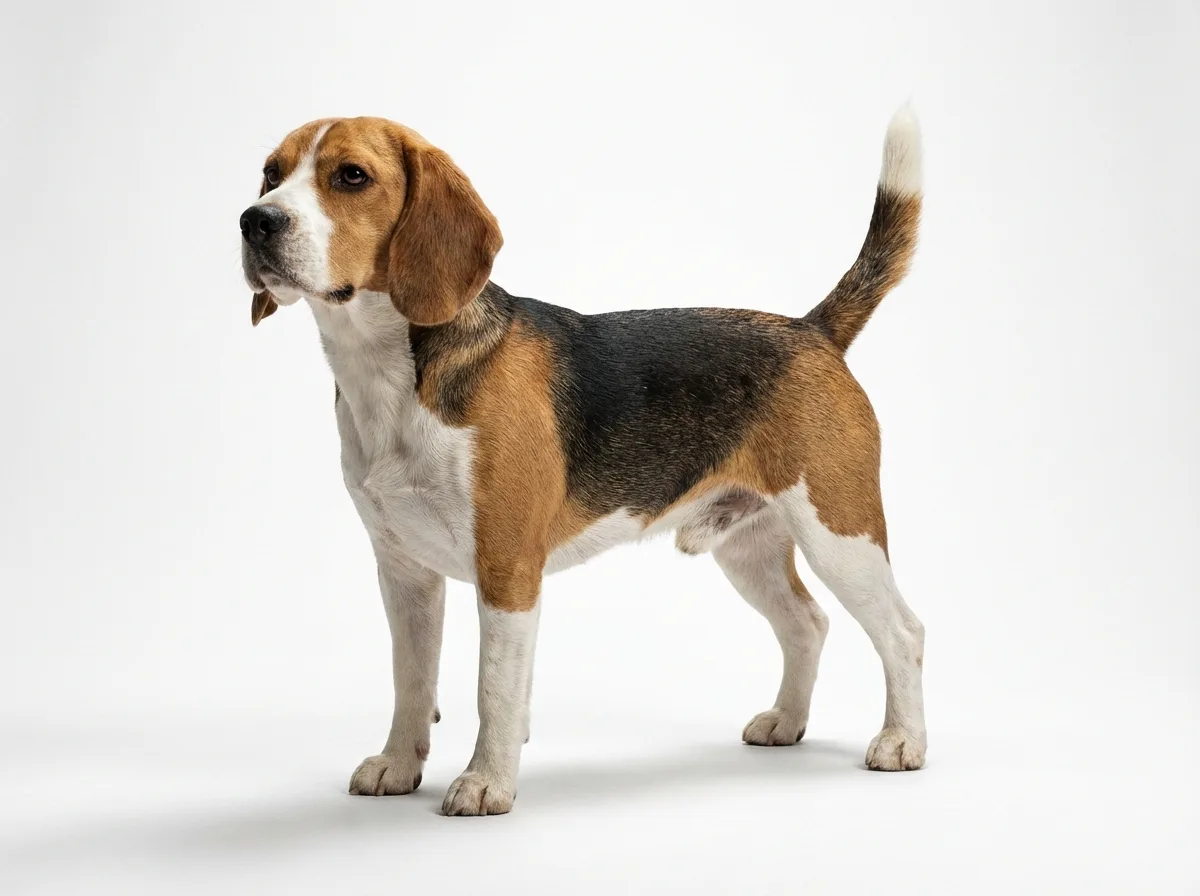
When selecting a breed, consider the dog's energy level, size, and temperament. Some small garden dogs, like Beagles or Cocker Spaniels, can adapt well to limited space, while others may not. It’s also important to think about their exercise needs. Even small dogs need regular walks and playtime to burn off energy. Understanding these needs will help you make an informed decision that benefits both you and your future furry friend.
Additionally, this guide will explore various breeds that thrive in smaller environments, offering insights on their characteristics and care requirements. We will also provide tips on how to create a stimulating environment in your yard or townhouse, ensuring your dog stays entertained and active. By the end of this guide, you’ll feel confident about choosing the best dog breed for small yards, ensuring a happy home for you and your pup.
Step-by-Step Plan to Choose the Best Dog Breed for Small Yards
Selecting the best dog breed for small yards involves careful consideration of your living situation and the dog's needs. Follow these steps to make an informed decision.
- 1. Assess Your Space: Measure your yard or living area to understand how much space you have. Consider factors like access to sunlight and shelter.
- 2. Research Suitable Breeds: Look into breeds known for adapting well to small spaces. Focus on small garden dogs or medium dogs that thrive in limited areas.
- 3. Consider Activity Levels: Determine how active you want your dog to be. Some breeds require more exercise, so think about your lifestyle and energy levels.
- 4. Visit Local Shelters: Check out local shelters or rescues where you can meet potential dogs. Take note of their size and temperament in smaller spaces.
- 5. Evaluate Your Lifestyle: Think about your daily routine. If you work long hours, a more independent breed might suit you better.
- 6. Gather Recommendations: Talk to other dog owners or professionals about their experiences with specific breeds in small yards.
- 7. Plan for Exercise: Create a plan for how you'll provide exercise in your small yard. Consider daily walks or playtime in nearby parks.
- 8. Prepare Your Home: Make sure your home is dog-friendly. Create a comfortable space for your dog to relax and play.
- 9. Take Your Time: Don't rush your decision. Spend time with different breeds to find the one that fits best with your lifestyle.
- 10. Finalize Your Choice: Once you have all the information, choose the breed that aligns with your space, lifestyle, and preferences.
Common Mistakes When Choosing the Best Dog Breed for Small Yards
Choosing the right dog breed for a small yard comes with its challenges. Here are some common mistakes owners often make, along with explanations of why they can backfire.
- Ignoring Energy Levels: Many people overlook the energy levels of breeds. High-energy dogs may require more exercise and space than a small yard can provide, leading to behavioral issues.
- Choosing Based on Size Alone: Just because a breed is small doesn't mean it's a good fit for a small yard. Some small dogs have high activity needs and can become restless in confined spaces.
- Neglecting Training: New dog owners might assume that small dogs are easier to train. However, without proper training, even small breeds can develop bad habits that are hard to manage in limited space.
- Overestimating Playtime: Owners may think they can provide sufficient exercise through playtime in a small yard. However, many dogs need more room to run and explore than what a small yard offers.
- Not Considering Noise Levels: Some breeds are known for being vocal. In a small yard or townhouse, noise can easily disturb neighbors, making it essential to consider a breed's barking tendencies.
- Failing to Account for Socialization Needs: Small yards may limit a dog's ability to socialize with other dogs. This can lead to anxiety and behavioral problems if not addressed.
- Underestimating Grooming Requirements: Some small breeds require regular grooming. Neglecting this can lead to health issues, which may be harder to manage in a small living space.
Common Myths About Dogs for Small Yards
When it comes to finding the best dog breed for small yards, many myths can mislead potential dog owners. Let's debunk some common misconceptions and get to the facts.
- Myth: Small dogs don’t need exercise.
- Myth: Any dog can adapt to a small yard.
- Myth: Small breeds are less trainable.
- Myth: Medium dogs are too big for small spaces.
- Myth: Dogs are unhappy without a big yard.
Advanced Tips for Choosing the Best Dog Breed for Small Yards
Finding the best dog breed for small yards goes beyond just picking a cute face. Here are some advanced tips to consider when making your choice. First, think about energy levels. Breeds like Beagles or Cocker Spaniels may seem small but have high energy requirements. If you can’t provide daily exercise, consider a more laid-back breed like a Basset Hound.
Next, consider a dog’s temperament. Some breeds are naturally more adaptable to smaller spaces. For example, Schnauzers often thrive in townhouses due to their friendly and outgoing nature. They enjoy companionship and can bond closely with their families, making them a great fit for smaller living areas.
Another important factor is training. Small dogs can be easier to manage, but they often have big personalities. Invest time in training, especially in leash manners and socialization. This is vital for breeds that might otherwise feel overwhelmed in a bustling urban environment.
Lastly, think about your lifestyle. If you travel frequently or work long hours, look for breeds that are more independent and less prone to separation anxiety. Breeds like French Bulldogs are known for their adaptable nature and can handle being alone for moderate periods, making them perfect for busy lifestyles.
Insider Secrets for Choosing the Best Dog Breed for Small Yards
When looking for the best dog breed for small yards, consider these expert insights that can make a big difference in your decision.
- Small dogs often have lower exercise needs, but they still require daily activity.
- Certain breeds adapt well to apartment living and small spaces, making them ideal for townhouses.
- Look for breeds known for their calm demeanor, as they can thrive in limited space without becoming overly energetic.
- Consider the dog's grooming needs; low-shedding breeds can be easier to manage in smaller homes.
- Socialization is crucial; some small breeds can become yappy or territorial without proper training.
Checklist for Choosing the Best Dog Breed for Small Yards
Use this checklist to help you find the right dog breed for your small yard or townhouse. Consider each item carefully to ensure a good match for your living situation.
- Assess your available space: Measure your yard or garden area.
- Research dog breeds: Look for breeds known to adapt well to smaller spaces.
- Consider energy levels: Choose breeds that don't require extensive outdoor exercise.
- Evaluate grooming needs: Opt for breeds that are low-shedding or easy to groom.
- Check noise levels: Consider breeds that are less likely to bark excessively.
- Explore exercise alternatives: Plan for indoor activities and nearby parks.
- Look into breed-specific traits: Research temperament and behavior of potential breeds.
Frequently asked questions
What is the best dog breed for small yards?
Some of the best dog breeds for small yards include Beagles, Cocker Spaniels, and Schnauzers. These breeds adapt well to smaller spaces and typically have lower exercise requirements, making them great companions for apartment or townhouse living.
Do dogs need a big yard?
Not all dogs need a big yard to thrive. Many breeds can live happily in small spaces as long as they receive regular exercise and mental stimulation. Daily walks and playtime can fulfill their needs without requiring a large yard.
What is the best size dog for a small backyard?
Medium-sized dogs can be great for small backyards, as they offer a balance of energy and adaptability. Breeds like Cocker Spaniels or Miniature Schnauzers are perfect examples of dogs that do well in limited spaces.
What are some exercise ideas for small yards?
For dogs in small yards, consider activities like fetch, agility training, or even setting up a small obstacle course. Engaging in short play sessions and taking regular walks can also keep them fit and happy.
Are there specific breeds recommended for townhouse living?
Yes, breeds like French Bulldogs, Cavalier King Charles Spaniels, and Pugs are often recommended for townhouse living. They are generally adaptable, enjoy being around people, and can get enough exercise with shorter walks.
Can small garden dogs still be active?
Absolutely! Small garden dogs can be quite active with the right activities. Regular walks, fetch in the garden, and interactive toys can keep them stimulated and healthy, regardless of yard size.
Can I have a large dog in a small yard?
While you can have a large dog in a small yard, it's not ideal. Large breeds often need more space to roam and play. If you choose a large dog, make sure you can provide plenty of exercise outside the yard.
What are the best dog breeds for small gardens?
Some of the best dog breeds for small gardens include the Beagle, Cocker Spaniel, and Schnauzer. These breeds are generally smaller in size and have lower exercise needs. They tend to adapt well to smaller living spaces.
How much exercise do dogs need if they live in a small yard?
Dogs living in small yards typically need at least 30 minutes of exercise daily. This can come from walks, playtime, or trips to dog parks. Adjust the exercise routine based on the dog's breed and energy level.
What is the best size dog for a small backyard?
Small to medium-sized dogs are usually the best fit for small backyards. Breeds like Pugs, Shih Tzus, and French Bulldogs thrive in these environments. They require less space and can still get their daily exercise.
Are there specific dog breeds that are ideal for townhouses?
Yes, breeds like Boston Terriers, Dachshunds, and Cavalier King Charles Spaniels are well-suited for townhouses. They are compact and usually calm, making them perfect for smaller living conditions.
What are some exercise ideas for small yards?
In small yards, you can engage your dog with games like fetch or tug-of-war. Setting up agility courses or using interactive toys can also keep them entertained. Regular walks and visits to larger parks can supplement their exercise needs.
How can I help my dog adjust to a small living space?
To help your dog adjust to a small living space, provide plenty of mental and physical stimulation. Regular playtime and training sessions can help. Ensure they have a comfortable spot to relax and feel secure in their environment.