Guide

The Best Dog Breed for Senior Citizens

Finding the best dog breed for senior citizens can enhance both companionship and comfort. This guide explores calm and elderly-friendly dogs that fit perfectly into a relaxed lifestyle.

Finding the Best Dog Breed for Senior Citizens

Choosing the best dog breed for senior citizens is an important decision. Many older adults find companionship, joy, and health benefits from having a dog. However, not all breeds are suitable for seniors, and understanding which breeds cater to their unique needs matters immensely.

Why Choosing the Right Breed Matters

Seniors often seek dogs that are calm, gentle, and easy to handle. The right dog can provide emotional support, encourage physical activity, and even help reduce feelings of loneliness. However, selecting a breed that is too energetic or requires extensive grooming can lead to frustration or health issues for both the owner and the pet.

Breeds to Consider for Seniors

Here are some dog breeds that are typically great choices for older adults:

Key Features of Elderly Friendly Dogs

When looking for the best dog breed for senior citizens, consider factors like energy level, size, and temperament. Gentle pets for elderly owners should be easy to care for and not require excessive exercise. Additionally, calm dogs that enjoy cuddling can enhance the emotional well-being of their owners.

Tips for Adopting a Dog

Before bringing a dog home, it's essential to assess your lifestyle and living situation. Consider factors such as your mobility, the size of your home, and whether you have a yard. A gentle lap dog may be perfect for a senior living in an apartment, while a slightly larger breed may suit someone with more space.

Taking the Next Steps

Choosing the best dog breed for senior citizens can lead to a rewarding relationship. By carefully considering the right breed and understanding the commitment involved, seniors can enjoy the companionship and affection that dogs provide. Keep in mind that adopting a pet is a significant decision, and it's worth taking the time to find the perfect match.

Step-by-Step Plan for Choosing the Best Dog Breed for Senior Citizens

Choosing the right dog breed for senior citizens involves careful consideration. Follow these steps to find the best fit for you or your loved one. This process should take about a week, giving you ample time to research and reflect.

Common Mistakes When Choosing the Best Dog Breed for Senior Citizens

Selecting the right dog breed for senior citizens can be challenging. Here are some common mistakes to avoid for a better experience.

Common Myths About the Best Dog Breed for Senior Citizens

Myth: All small dogs are low-maintenance and perfect for seniors. While it's true that small dogs like Chihuahuas can be good companions, not all small breeds have calm temperaments. Some may be yappy or require more training than expected.

Myth: Older people should only adopt older dogs. Many seniors enjoy the vitality of younger dogs. Adopting a puppy can provide companionship and motivation, though it does require more energy and training.

Myth: Dogs are too energetic for seniors. While some breeds are energetic, many calm dogs exist. Breeds like Pomeranians or Shih Tzus can be great choices as they often enjoy lounging around as much as they love a good play session.

Myth: You need a big backyard to have a dog. Many breeds thrive in apartment settings or homes without large outdoor spaces. It's more about daily walks and mental stimulation than having a big yard.

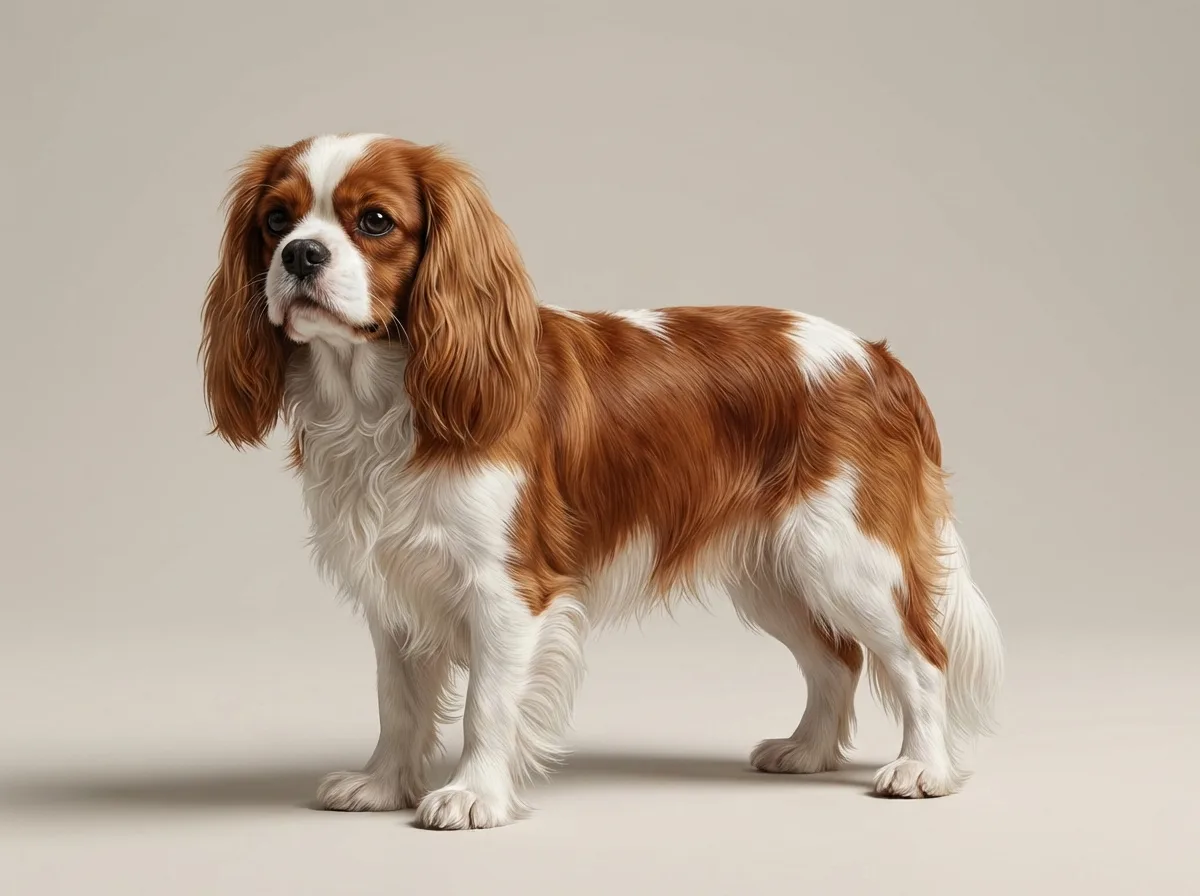
Myth: All dogs require constant exercise. Different breeds have varying exercise needs. Breeds like the Cavalier King Charles Spaniel are often content with moderate walks and are perfect for seniors looking for a more relaxed pet.

Advanced Tips for Choosing the Best Dog Breed for Senior Citizens

Finding the best dog breed for senior citizens involves more than just picking a cute face. Here are some advanced tips to help you make a well-informed choice that fits both the lifestyle and emotional needs of seniors.

Insider Secrets for Choosing the Best Dog Breed for Senior Citizens

Finding the best dog breed for senior citizens involves more than just picking a cute face. Here are some expert insights that can help you make a more informed decision.

Checklist for Choosing the Best Dog Breed for Senior Citizens

Use this checklist to find the perfect dog breed that suits the lifestyle and needs of senior citizens. Consider each point carefully to ensure a happy companionship.

Frequently asked questions

What is the best dog breed for senior citizens?

The best dog breed for senior citizens often includes small, calm breeds like Pomeranians, Chihuahuas, and Shih Tzus. These breeds are typically friendly, require less exercise, and can easily adapt to indoor living. It's crucial to consider a dog's temperament and energy level when choosing a pet for older adults.

Are cats or dogs better for seniors?

Both cats and dogs can make excellent companions for seniors, but it often depends on the individual's lifestyle. Dogs, especially small and calm breeds, can offer companionship and motivation for daily walks. Cats may require less maintenance and provide comfort without needing frequent outings.

What are the best therapeutic dogs for seniors?

Therapeutic dogs for seniors are usually breeds known for their gentle nature and calm demeanor. Breeds like Labrador Retrievers and Golden Retrievers are popular choices due to their friendly disposition. Additionally, smaller breeds like Cocker Spaniels can also provide emotional support and companionship.

What are some elderly friendly dogs?

Elderly friendly dogs typically include breeds that are calm, affectionate, and easy to handle. Some popular options are Cavalier King Charles Spaniels, French Bulldogs, and Havanese. These breeds tend to have a laid-back attitude and enjoy spending quality time with their owners.

What are the best lap dogs for seniors?

The best lap dogs for seniors are often small, affectionate breeds that enjoy cuddling. Breeds like the Pekingese, Bichon Frise, and Shih Tzu are ideal as they thrive on companionship and are generally easy to care for. These dogs can provide comfort and warmth, making them perfect for senior citizens.

What is the best dog for an 80 year old?

The best dog for an 80 year old often depends on their lifestyle and preferences. Breeds like the Shih Tzu and Pomeranian are great choices because they are small, calm, and affectionate. They can be wonderful companions without requiring intense exercise.

Are cats or dogs better for seniors?

It really depends on the senior's personality and lifestyle. Dogs generally require more attention and exercise, which can be a challenge for some seniors. Cats, on the other hand, are often more independent and may be easier to care for, making them a good option for those who prefer a low-maintenance pet.

What are the best therapeutic dogs for seniors?

Therapeutic dogs can be very beneficial for seniors, providing companionship and emotional support. Breeds like the Golden Retriever and Labrador Retriever are often recommended due to their friendly nature and ability to bond closely with people. These dogs can help reduce feelings of loneliness and anxiety.

Which calm dogs are best for seniors?

Calm dogs are ideal for seniors who may not be able to handle high-energy pets. Breeds such as the Basset Hound, Cavalier King Charles Spaniel, and French Bulldog are known for their gentle demeanor. These dogs often enjoy lounging and cuddling, making them perfect companions.

Are lap dogs a good choice for elderly individuals?

Yes, lap dogs can be an excellent choice for elderly individuals. Breeds like the Chihuahua and Maltese are small and love to snuggle, providing comfort and companionship. Their size makes them easy to manage, and they often require less space and exercise than larger breeds.

How can I ensure my dog is a good fit for a senior citizen?

To ensure your dog is a good fit for a senior citizen, consider the dog's temperament, energy level, and size. Choose breeds that are known for being gentle and calm. It's also helpful to involve the senior in the decision-making process to see which dog they connect with best.

What if a senior has mobility issues? Can they still have a dog?

Yes, seniors with mobility issues can still have a dog, but it's important to choose the right breed and size. Smaller, low-energy dogs that don't require long walks are ideal. Additionally, it's helpful to consider a dog that is trained to assist with tasks or provide companionship without requiring intense physical activity.