Finding the Best Dog Breed for PTSD Support
Choosing the best dog breed for PTSD can change your life. This guide helps you find the perfect furry friend to support your healing journey.
Choosing the Best Dog Breed for PTSD
Finding the best dog breed for PTSD can be a game-changer for many individuals. Dogs can provide emotional support, companionship, and a sense of security, all of which are essential for those dealing with post-traumatic stress disorder. This guide will help you understand how certain breeds can effectively assist with the challenges of PTSD, making it easier for you to choose the right canine companion.
When it comes to PTSD, the right dog breed can offer more than just comfort. Many dogs are known for their loyalty, intelligence, and calming presence, which can make a significant difference in the lives of their owners. Service dogs for PTSD, including psychiatric service dogs and comfort dogs, are specially trained to help mitigate symptoms. They can alert their owners to anxiety attacks, provide deep pressure therapy, and help them feel more grounded in stressful situations.
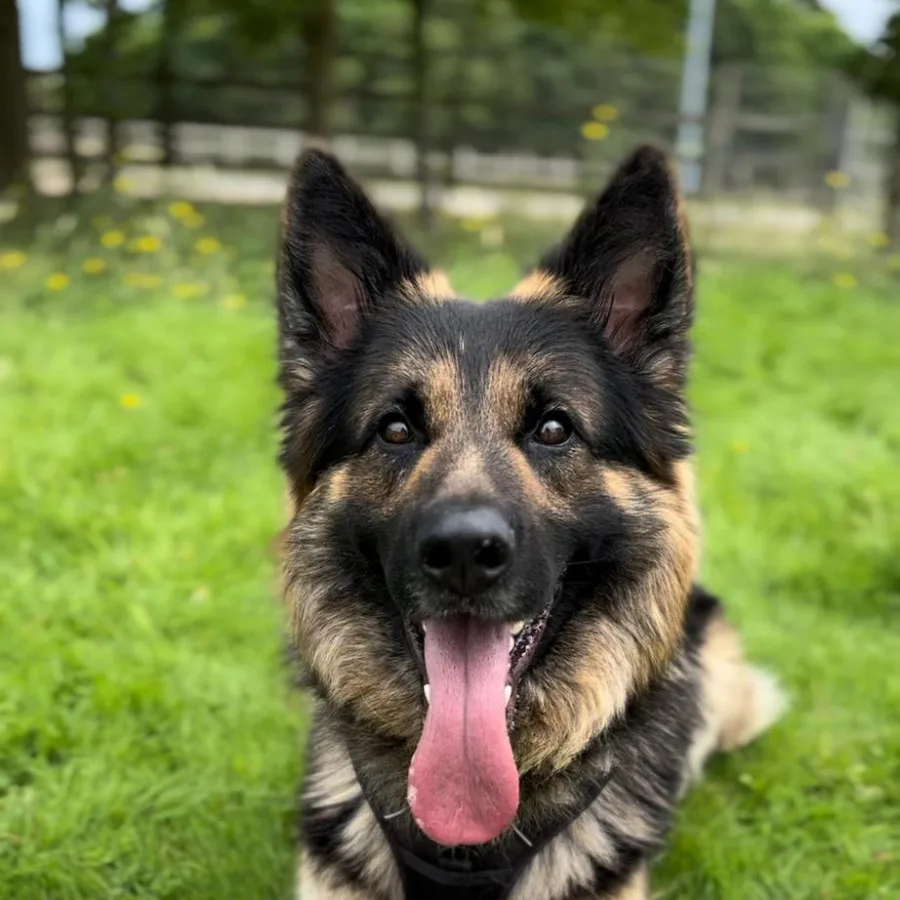
It's important to recognize that not all dog breeds are equally suited for this role. Some breeds naturally possess traits that align well with the needs of individuals with PTSD. For example, Labradors and Golden Retrievers are often chosen for their friendly and adaptable nature. German Shepherds can also be a great choice due to their intelligence and protective instincts. Understanding what makes these breeds effective can help you make an informed decision.
In this guide, we'll discuss how to evaluate which breed might be best for you based on your lifestyle, living situation, and personal needs. Additionally, we’ll explore the training options available for service dogs and how to find reputable organizations that can assist you in your journey.
Choosing the best dog breed for PTSD is not just about finding a pet; it’s about finding a partner in healing. The bond formed with a dog can foster a sense of purpose and companionship that significantly enhances emotional well-being. Remember, while dogs can be incredibly supportive, it’s vital to consult with mental health professionals to ensure you’re making the best choice for your situation. With the right breed, you can embark on a journey toward healing and improved quality of life.
Step-by-Step Plan for Choosing the Best Dog Breed for PTSD
Finding the best dog breed for PTSD can be life-changing. Follow these steps to ensure you choose the right companion for your needs. This week, take action to start your journey towards healing with a dog by your side.

- 1. Assess Your Lifestyle: Consider your daily routine, living situation, and how much time you can dedicate to a dog.
- 2. Research Breeds: Explore breeds known for their suitability as service dogs for PTSD, such as Labrador Retrievers, Golden Retrievers, and German Shepherds.
- 3. Evaluate Size and Space: Think about your home environment. Larger breeds need more space, while smaller ones may be easier to manage in apartments.
- 4. Consider Energy Levels: Choose a breed that matches your activity level. Some breeds need more exercise and stimulation than others.
- 5. Look for Temperament: Seek breeds that are known for their calm and gentle nature. A friendly dog can provide the comfort you need.
- 6. Visit Local Shelters: Don’t forget to check local shelters for dogs that may fit your criteria. Many dogs in shelters make excellent companions.
- 7. Meet Potential Dogs: Spend time with different breeds to see which one you connect with. Pay attention to how they react to you.
- 8. Consult with Experts: Talk to trainers or therapists who specialize in PTSD and service dogs. They can provide valuable insights.
- 9. Plan for Training: Once you choose a dog, ensure you have a plan for basic obedience training and any specialized training needed.
- 10. Prepare Your Home: Make your living space dog-friendly. Set up a comfortable area for your new companion to relax and feel safe.
Common Mistakes When Choosing the Best Dog Breed for PTSD
Selecting the right dog breed for PTSD support involves careful consideration. Here are some common mistakes to avoid that could backfire in your journey.

- Ignoring Breed Temperament
- Underestimating Commitment Level
- Neglecting Training Needs
- Overlooking Health Considerations
- Choosing Based on Looks Alone
- Forgetting About Socialization
Debunking Myths About Dogs for PTSD
Many people have misconceptions about the best dog breed for PTSD. Here, we clarify some common myths and the truths behind them.

- Myth: Any dog can be a service dog for PTSD.
- Myth: You don't need to train a comfort dog.
- Myth: Only large breeds can help with PTSD.
- Myth: A dog will solve all my PTSD issues.
- Myth: You have to adopt a puppy to get a service dog.
Advanced Tips for Choosing the Best Dog Breed for PTSD
Finding the best dog breed for PTSD is a personal journey. Here are some advanced tips to help refine your decision and ensure a good match for your needs. First, consider the dog's energy level and temperament. Breeds like Labrador Retrievers and Golden Retrievers are known for their calm nature, making them excellent companions. However, if you prefer a more active dog, a German Shepherd could provide both companionship and support.
Second, think about training and socialization. Service dogs for PTSD often need specialized training to react appropriately in various situations. Look for trainers who have experience with psychiatric service dogs. This can make a significant difference in how the dog handles stressful environments.
Another tip is to evaluate your lifestyle. Dogs for veterans or anyone dealing with PTSD should fit into your daily routine. If you travel often, consider a breed that adapts well to different environments. Additionally, think about the dog's size; smaller breeds may be easier to manage in various living situations.
Finally, don’t overlook the importance of bonding. Spend time with potential dogs before making a decision. This will help you gauge their ability to provide comfort and emotional support. Remember, the best dog breed for PTSD is one that resonates with you on a personal level. Each dog's unique personality plays a critical role in how effectively they can assist you.
Insider Secrets for Choosing the Best Dog Breed for PTSD
Selecting the right dog breed for PTSD can be life-changing. Here are some expert insights to help you make the best choice.
- Consider temperament over appearance. Look for breeds known for their calm demeanor and ability to bond deeply with their humans.
- Training is essential. A well-trained dog can provide more effective support than a naturally calm breed that lacks training.
- Match the dog's energy level to your lifestyle. An active dog may not be suitable if you prefer a quiet, low-energy environment.
- Look into breeds with a strong history of service work or therapy. Breeds like Labrador Retrievers and Golden Retrievers excel in these roles.
- Ask for trial periods. Some organizations offer a chance to live with a dog before making a commitment, ensuring the match is right.
Checklist for Choosing the Best Dog Breed for PTSD
Use this checklist to find the best dog breed for PTSD support. Consider your lifestyle, needs, and the qualities of each breed. This practical guide will help you make the right choice.
- Assess your daily routine: Do you have time for training and exercise?
- Consider your living situation: Do you have space for a larger dog?
- Research breeds known for their calming presence: Look into Labradors, Golden Retrievers, and German Shepherds.
- Evaluate the energy level of different breeds: Choose one that matches your activity level.
- Think about health and grooming needs: Some breeds require more maintenance than others.
- Consult with a trainer or therapist: Get professional advice on selecting a dog for PTSD.
- Consider adopting from a rescue: Many dogs are in need of homes and can offer support.
- Be prepared for the commitment: Dogs require time, patience, and love.
Frequently asked questions
How do dogs help with PTSD?
Dogs can provide emotional support and companionship to those with PTSD. They help reduce anxiety, promote relaxation, and can even alert their owners to anxiety attacks. The presence of a dog can create a sense of security and comfort. This answer relates to best dog breed for PTSD.
Best dog breed for anxiety and PTSD?
The best dog breeds for PTSD often include Labrador Retrievers, Golden Retrievers, and German Shepherds. These breeds are known for their loyalty, trainability, and gentle nature, making them ideal companions for those dealing with anxiety or trauma.
Getting a service dog for PTSD: What’s involved?
Getting a service dog for PTSD involves a multi-step process. First, you'll need a diagnosis from a mental health professional. Then, you can either train a dog yourself or work with a service dog organization to find a trained dog that meets your specific needs.
What is the difference between a comfort dog and a service dog?
A comfort dog provides emotional support and companionship but is not specifically trained to perform tasks for a person with a disability. In contrast, a service dog is trained to assist with specific tasks that help manage a disability, such as alerting to panic attacks.
Can any dog become a psychiatric service dog?
Not every dog can become a psychiatric service dog. Ideal candidates are typically calm, responsive, and have a good temperament. Breeds like Labradors and Golden Retrievers are often preferred due to their friendly nature and trainability.
What are the best dog breeds for PTSD?
Some of the best dog breeds for PTSD include Labrador Retrievers, Golden Retrievers, and German Shepherds. These breeds are known for their loyalty, intelligence, and gentle nature. They can provide emotional support and help create a sense of security.
Can any dog be a service dog for PTSD?
Not every dog is suited to be a service dog for PTSD. Ideally, a service dog should be well-trained, calm, and able to perform specific tasks to assist their owner. Breeds that are sociable and eager to please tend to make the best service dogs.
How do I get a psychiatric service dog?
To get a psychiatric service dog, you first need a diagnosis from a mental health professional. Then, you can either train a dog you already have or find a service dog organization that matches you with a suitable dog. Training is crucial to ensure the dog meets your specific needs.
What tasks can a service dog for PTSD perform?
Service dogs for PTSD can perform various tasks, such as alerting their owner to anxiety attacks, providing deep pressure therapy, or helping to ground them during panic episodes. These tasks help the owner feel more secure and manage their symptoms effectively.
Are comfort dogs the same as service dogs?
Comfort dogs provide emotional support but do not have the same legal status as service dogs. While service dogs are trained to perform specific tasks for their handlers, comfort dogs offer companionship and can help alleviate feelings of anxiety and loneliness.
Do dogs help with PTSD in children?
Yes, dogs can be incredibly beneficial for children with PTSD. They provide companionship, help reduce anxiety, and can even assist in social interactions. A well-matched dog can create a safe space for children to express their feelings.
What is the cost of getting a service dog for PTSD?
The cost of obtaining a service dog for PTSD can vary widely, ranging from $15,000 to $30,000, depending on the training and organization. This cost often includes training, certification, and ongoing support. It's important to research and consider funding options as well.