The Best Dog Breed for People Who Work: Find Your Perfect Match
Finding the right dog breed when you work can be challenging. This guide helps you discover which independent dogs can thrive alone while being a loving companion.
This guide is perfect for busy professionals, singles, or anyone working full-time who wants to bring a dog into their life. If you have a hectic schedule but still dream of companionship at home, this guide will help you find a breed that fits your lifestyle without adding stress.
Choosing the right dog breed is crucial, especially for those with demanding jobs. Many people mistakenly believe that any dog can adapt to being alone for hours, but this isn't always true. Understanding which breeds are better suited for this lifestyle can lead to a happier life for both you and your future pet.
Finding the Best Dog Breed for People Who Work
Working full time can still be compatible with dog ownership when you plan for the dog's daily needs. Do not assume a breed can routinely tolerate long hours alone. Exercise, training, enrichment, companionship, and bathroom breaks still matter.
Before choosing, map your normal workday and commute. Arrange reliable walks or backup care when needed and consider an adult dog with a known home history if time-alone tolerance is important. Compare the individual dog's needs with the schedule you can provide consistently.
Step-by-Step Plan for Choosing the Best Dog Breed for People Who Work
Finding the best dog breed for people who work requires careful thought. Follow these steps to ensure you make the right choice for your lifestyle and your future furry friend.
The Best Dog Breed for People Who Work: Find Your Perfect Match - Step-by-Step Plan for Choosing the Best Dog Breed for People Who Work
Step 1: Assess Your Work Schedule
Step 2: Research Independent Dog Breeds
Step 3: Consider Your Living Space
Step 4: Evaluate Your Dog Care Options
Step 5: Visit Local Shelters or Breeders
Step 6: Prepare Your Home for a Dog
Step 7: Plan for Training and Socialization
Why this helps
✓ Creates a tailored approach to dog ownership
✓ Helps ensure a good match between you and the dog
✓ Encourages responsible pet ownership
Watch out for
! May require time and effort to research
! Could lead to indecision if options are overwhelming
! Not all steps may apply to every individual
Detailed Steps
1. Assess Your Work Schedule: Determine how many hours you will be away from home each day. If you work long hours, look for breeds that are known to handle being alone well, like Shiba Inus or Greyhounds.
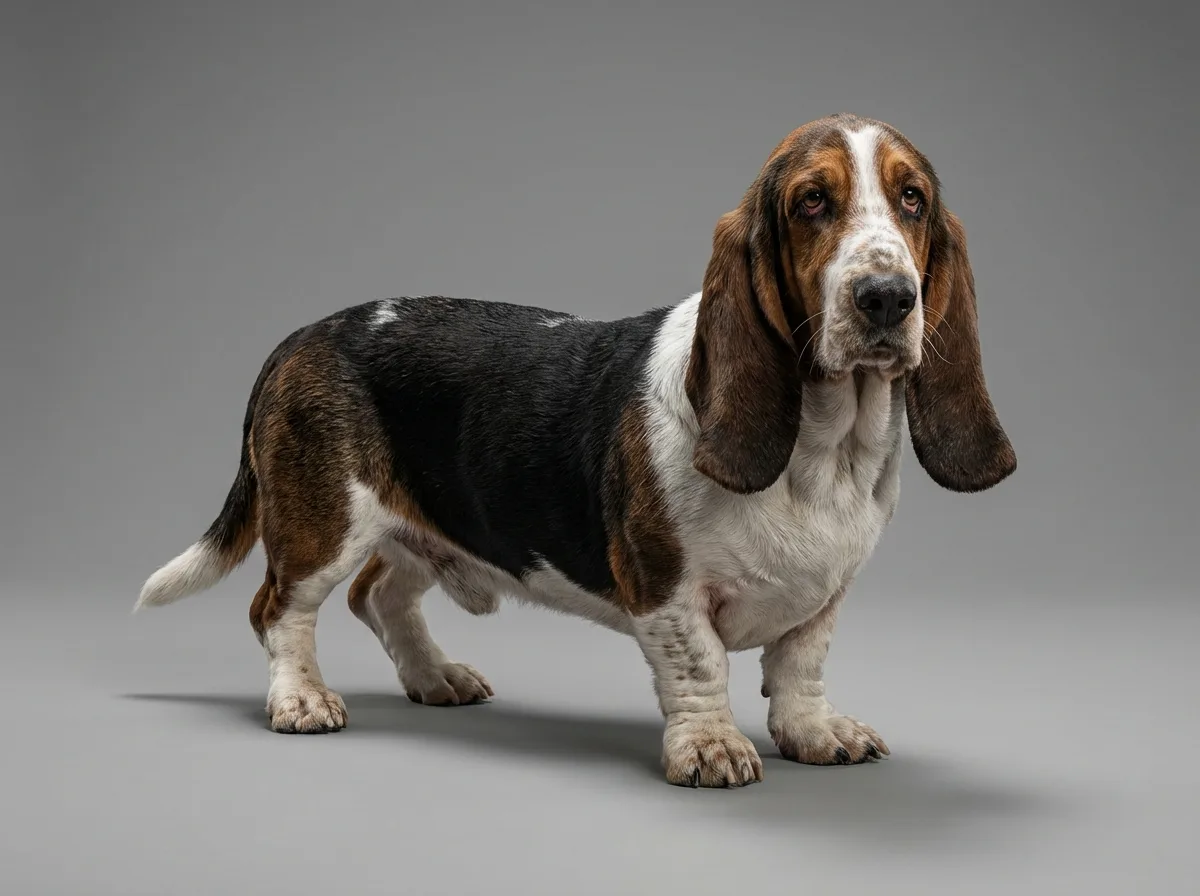
2. Research Independent Dog Breeds: Look into breeds that are known as "low separation anxiety dogs." Breeds like the Basset Hound or Greyhound may be a good fit for your lifestyle.
3. Consider Your Living Space: Ensure your home is suitable for a dog. If you live in an apartment, smaller or less active breeds may be more appropriate.
4. Evaluate Your Dog Care Options: Think about how you will care for your dog when you're not home. Will you hire a dog walker or use doggy daycare?
This can make a big difference in your choice.
5. Visit Local Shelters or Breeders: Go to a few shelters or reputable breeders to meet different dogs. Pay attention to their temperament and how they react to being alone.
6. Prepare Your Home for a Dog: Before bringing a dog home, make sure your living space is dog-proofed. Remove hazards and set up a comfortable area for your new pet.
7. Plan for Training and Socialization: Look into training classes or resources that can help you and your dog adjust to each other. Early socialization is key for a happy, well-adjusted dog.
Shiba Inu - Detailed Steps
Common Mistakes When Choosing the Best Dog Breed for People Who Work
Understanding the common mistakes people make when selecting a dog breed is crucial. These errors can lead to stress for both the owner and the dog. Here are some of the most frequent pitfalls to avoid.
The Best Dog Breed for People Who Work: Find Your Perfect Match - Common Mistakes When Choosing the Best Dog Breed for People Who Work
Ignoring Exercise Needs: Many breeds require regular exercise. Choosing a dog that needs a lot of physical activity can lead to behavioral issues if you can't meet these needs due to work commitments.
Underestimating Separation Anxiety: Some dogs, even independent breeds, can experience anxiety when left alone for long periods. This can manifest in destructive behavior or excessive barking.
Choosing a High-Energy Breed: Opting for a breed known for high energy levels can be a mistake for working individuals. These dogs often need more attention and exercise than a busy owner can provide.
Neglecting Training: New owners might think that a dog will naturally adapt to their lifestyle. However, without proper training, dogs may develop bad habits, making ownership more challenging.
Not Considering Size: Smaller dogs might seem like a better fit for apartments, but they can still be very active and noisy. Larger breeds may require more space but can also be calm and laid-back.
Failing to Research Breed Temperament: Each breed has a specific temperament. Choosing a breed without understanding its personality traits can lead to mismatched expectations and frustration.
Overlooking Long-Term Commitments: Many people focus on a dog's immediate needs without considering the long-term commitment. Dogs live for 10-15 years, and their needs may change over time.
Myths and Facts About Dogs for Working People
Many believe dogs and busy lives don't mix. Let's debunk some common myths about the best dog breed for people who work, so you can make an informed choice.
The Best Dog Breed for People Who Work: Find Your Perfect Match - Myths and Facts About Dogs for Working People
Myth: All dogs suffer from separation anxiety.
Myth: You need to be home all day to raise a dog.
Myth: Independent dogs don’t need companionship.
Myth: Working breeds are only for active people.
Myth: Dogs can't adapt to a busy lifestyle.
Why this helps
✓ Understanding myths helps find the right dog.
✓ Choosing the right breed can reduce stress for both owner and dog.
✓ Myths can lead to unrealistic expectations in dog ownership.
Watch out for
! Believing myths can result in poor breed choices.
! Misconceptions can lead to frustration and dog behavioral issues.
! Ignoring facts may prevent potential dog owners from adopting.
Advanced Tips for Choosing the Best Dog Breed for People Who Work
If you're looking for the best dog breed for people who work, consider these advanced tips to ensure a successful match. These strategies go beyond the basics and help you find a companion that fits your lifestyle.
Firstly, research temperament and energy levels. Some breeds might look great on paper but may require more attention than you can provide. For instance, independent dogs like the Shiba Inu can manage alone but still need mental stimulation.
Assess the specific needs of each breed beyond just their ability to stay home alone.
Next, think about training. A dog that can be left alone should also be well-trained to avoid destructive behaviors. Look into obedience classes or even online courses tailored for busy owners.
This investment not only helps your dog adapt but also strengthens your bond.
Consider hiring a dog walker or pet sitter on your busiest days. This can break up the day for your dog and provide much-needed companionship. It’s especially beneficial for breeds known to have low separation anxiety, ensuring they remain calm and content while you’re out.
Also, create a stimulating environment at home. Interactive toys, puzzle feeders, and even dog cameras with treat dispensers can keep your dog engaged. These tools are perfect for low separation anxiety dogs and help curb boredom, reducing the likelihood of destructive behavior.
Finally, connect with other pet owners. Online communities or local groups can provide support and resources. Sharing experiences with others who have similar lifestyles can offer insights into the best practices for caring for your dog while managing a busy work schedule.
The Best Dog Breed for People Who Work: Find Your Perfect Match - Advanced Tips for Choosing the Best Dog Breed for People Who Work
Why this helps
✓ Helps you find a breed that truly fits your lifestyle.
✓ Enhances your dog's well-being and reduces anxiety.
✓ Encourages a strong owner-dog bond through training.
Watch out for
! Requires time and effort to implement advanced strategies.
! May involve additional costs for training or pet care services.
! Not all dogs may adapt well, depending on their individual temperaments.
Practical Fit Checks for Working Dog Owners
When selecting the best dog breed for people who work, there are a few insider insights that can make all the difference. These tips can help ensure that both you and your future furry friend thrive, even with a busy schedule.
The Best Dog Breed for People Who Work: Find Your Perfect Match - Practical Fit Checks for Working Dog Owners
Consider adopting an older dog: Older dogs are often calmer and more independent than puppies. They may already be house-trained and better suited for a busy lifestyle.
Look for breeds known for low separation anxiety: Some breeds, like Greyhounds and Basset Hounds, are more tolerant of being left alone for longer periods. This can ease your mind while you're at work.
Invest in interactive toys: Providing your dog with engaging toys can keep them occupied while you're away. Puzzle toys or treat-dispensing devices can be particularly beneficial.
Create a comfortable space: Designate a cozy area in your home where your dog can relax. A dog bed, some toys, and a few comforting items can help them feel secure.
Utilize doggy daycare or pet sitters: If your schedule allows, consider enrolling your dog in daycare a few times a week or hiring a pet sitter. This can provide social interaction and help reduce boredom.
Why this helps
✓ Older dogs often require less training and supervision.
✓ Low-separation anxiety breeds can adapt well to being alone.
✓ Interactive toys can stimulate your dog mentally.
✓ Creating a dedicated space can help your dog feel secure.
✓ Doggy daycare offers socialization and exercise opportunities.
Watch out for
! Older dogs may have health issues that require attention.
! Finding low-separation anxiety breeds may limit your options.
! Interactive toys can be pricey, and some dogs may lose interest quickly.
! Setting up a comfortable space requires time and effort.
! Daycare costs can add up, especially for regular visits.
Checklist for Choosing the Best Dog Breed for People Who Work
Use this checklist to find the best dog breed that fits your working lifestyle. Consider your schedule, living situation, and the dog's needs.
The Best Dog Breed for People Who Work: Find Your Perfect Match - Checklist for Choosing the Best Dog Breed for People Who Work
Assess your daily schedule: How many hours will the dog be alone?
Research independent dog breeds known for low separation anxiety.
Consider size: Does your living space accommodate a larger dog or is a smaller breed better?
Look for breeds that adapt well to your lifestyle, such as Greyhounds or Basset Hounds.
Check the dog's energy level and activity needs to match your availability for exercise.
Plan for training: Are you willing to invest time in teaching your dog to be alone?
Consider pet care options: Will you hire a dog walker or use daycare services if needed?
Evaluate your financial situation: Can you afford food, vet care, and supplies for a dog?
Think about potential distractions: Can you minimize noise and disturbances during work hours?
Research local regulations: Are there any breed restrictions in your housing or neighborhood?
Why this helps
✓ Helps identify breeds that suit your work schedule.
✓ Ensures the dog’s needs are met while you're away.
✓ Promotes a balanced lifestyle between work and pet ownership.
Watch out for
! May require additional research and time commitment.
! Some breeds may still need more attention than expected.
! Not all independent dogs are the same; individual personalities vary.
Frequently asked questions
What dog is best if you work 9 to 5?
The best dog breed for people who work 9 to 5 is often one that is independent and can handle being alone for several hours. Breeds like Greyhounds and Basset Hounds are known for their calm demeanor and can adapt well to a working owner's schedule. It's essential to provide them with plenty of exercise and mental stimulation before and after work.
Can I have a dog if I work full time?
Yes, you can have a dog if you work full time, but it's crucial to choose the right breed. Look for independent dogs or those that can be left alone for longer periods, such as Shiba Inus or Greyhounds. Additionally, consider hiring a dog walker or using daycare services to ensure your dog gets enough attention during the day.
What are low separation anxiety dogs?
Low separation anxiety dogs are breeds that are more comfortable being alone and don’t typically exhibit stress when their owners are away. Breeds like the Basset Hound and Shiba Inu are known to be more independent and can cope well without constant companionship. However, every dog is unique, so proper training and socialization are essential.
What are the best dogs for working people?
The best dogs for working people include breeds like Greyhounds, Basset Hounds, and Shiba Inus. These dogs are generally more independent and can handle being alone for extended periods. To keep them happy, ensure they receive plenty of exercise and mental stimulation when you are home.
Do dogs promote work-life balance?
Dogs can promote work-life balance by encouraging you to take breaks and engage in physical activity. They create opportunities for social interactions and can help reduce stress. However, it's important to choose a breed that fits your lifestyle to ensure both you and your dog thrive.
What dog breeds are best for people who work from home?
If you work from home, consider breeds that enjoy companionship but don't require constant attention. Breeds like the Shiba Inu or Basset Hound can be great fits, as they are generally independent and can entertain themselves. Just ensure they get enough exercise and mental stimulation throughout the day.
Are there any dogs that are good for apartment living for busy professionals?
Yes, many breeds adapt well to apartment living, especially those with low exercise needs. Breeds like the Greyhound or French Bulldog are good choices. They can manage smaller spaces and are often fine with being alone for several hours.
How can I train my dog to be comfortable alone?
Training your dog to feel comfortable alone starts with gradual desensitization. Begin by leaving your dog alone for short periods, then slowly increase the time. Providing engaging toys and a comfortable space can help ease their anxiety.
What should I do if my dog has separation anxiety?
If your dog shows signs of separation anxiety, consult a vet or a dog trainer for tailored strategies. Techniques might include creating a safe space, using calming aids, or gradually increasing their alone time. Consistency and patience are key in helping your dog adjust.
Can dogs be left alone for 8 hours?
While some dogs can handle being alone for 8 hours, it's essential to consider each dog's temperament and needs. Breeds like the Basset Hound or certain terriers may cope better with longer alone times. However, regular breaks, walks, and mental stimulation are crucial.
What are the best dog breeds for working singles?
Working singles often benefit from independent dog breeds that require less constant attention. Breeds like the Shiba Inu and Greyhound can thrive with their owners' busy schedules. Look for dogs that are content with some alone time and enjoy a good cuddle when you're home.
Are there any dogs that can help promote a better work-life balance?
Yes, certain dog breeds can help promote a better work-life balance by encouraging outdoor activities and providing companionship. Breeds like the Labrador Retriever are known for their friendly nature and can motivate you to take breaks and enjoy walks. This can lead to a healthier lifestyle overall.
This guide is not medical advice. If your dog shows pain, sudden behavior change, or worsening symptoms, consult a licensed veterinarian.
Some links may be affiliate links. We may earn a commission at no extra cost to you. We only suggest products we believe are helpful for dog owners.
We research and check what we publish, but we do not warrant that any figure, date, price, or statement is accurate, complete, or current, and we accept no liability for any loss, cost, injury, or other harm arising from the use of this site. Use it as one reference among several. You remain responsible for your own decisions and for your dog's care - confirm anything that matters with a licensed veterinarian or another qualified professional before you act on it. Full disclaimer.
Want more tailored help?
Take the Lifestyle Match quiz to see which breeds and guides best fit your day-to-day life.