Best Dog Breed for Older Adults: A Guide to Finding Your Perfect Companion
Choosing the right dog breed is crucial for older adults. This guide will help you find calm, manageable companions that fit your lifestyle.
This guide is designed for older adults looking to adopt a dog, as well as their family members and caregivers who want to help in the decision-making process. Whether you're a retiree seeking a calm companion or someone with limited mobility, this guide will help you find a breed that fits your lifestyle and needs.
Understanding the best dog breed for older adults is essential because the wrong choice can lead to frustration for both the dog and the owner. Many seniors may not realize that certain breeds are more adaptable to a quieter lifestyle. This guide addresses common misconceptions about dog ownership for older adults and emphasizes the importance of choosing a manageable and gentle companion.
Why This Matters
What to Consider When Choosing
Conclusion: Finding the Right Fit
Step-by-Step Plan for Choosing the Best Dog Breed for Older Adults
- Step 1: Assess Activity Level
- Step 2: Consider Living Space
- Step 3: Research Breeds
- Step 4: Meet Potential Breeds
- Step 5: Evaluate Health Needs
- Step 6: Prepare Your Home
- Step 7: Adopt or Purchase
- Step 8: Establish Routine
Why this helps
- ✓ Tailors the process to your specific lifestyle and needs.
- ✓ Helps ensure a good match between the dog and owner.
- ✓ Promotes a smoother transition for both the dog and owner.
Watch out for
- ! Can take time and effort to research and meet different breeds.
- ! May require adjustments to your current living situation.
- ! Adoption processes can vary and may take longer than expected.
Common Mistakes When Choosing the Best Dog Breed for Older Adults
- Choosing a high-energy breed
- Ignoring health considerations
- Neglecting size and space requirements
- Underestimating grooming needs
- Forgetting about training and socialization
- Failing to consider the dog's temperament
Common Myths About the Best Dog Breed for Older Adults
- Myth: Older adults can only handle small dogs.
- Myth: All dogs require a lot of exercise.
- Myth: Older dogs are less trainable.
- Myth: Dogs are too much responsibility for seniors.
- Myth: Any dog can be a good companion for an elderly person.
Why this helps
- ✓ Seniors can enjoy companionship from dogs of varying sizes.
- ✓ Many breeds are calm and manageable, making them perfect for older adults.
- ✓ Training can be effective for dogs of all ages.
Watch out for
- ! Some seniors may struggle with larger breeds, regardless of their temperament.
- ! Not all dogs may adapt well to a quieter lifestyle.
Advanced Tips for Choosing the Best Dog Breed for Older Adults
Why this helps
- ✓ Adopting a trained dog saves time and effort in training.
- ✓ Adaptable breeds can fit into various lifestyles, making them easier to manage.
- ✓ Calm dogs create a peaceful home environment, ideal for relaxation.
- ✓ Choosing a smaller, lower-energy dog reduces physical strain for older adults.
- ✓ Training classes can strengthen the owner-pet bond and provide additional support.
Watch out for
- ! Adopted dogs may come with unknown behavioral issues.
- ! Some adaptable breeds can still require regular exercise, which may be challenging.
- ! A calm dog might not provide enough activity for those looking to stay engaged.
- ! Smaller dogs can still have high energy levels, leading to potential challenges.
- ! Training classes require time and commitment, which some may find difficult.
Insider Secrets for Choosing the Best Dog Breed for Older Adults
- Consider a breed's adaptability to lifestyle changes.
- Look for breeds that have low grooming needs.
- Evaluate the dog's temperament and energy level.
- Think about the long-term health of the breed.
- Explore community resources and support for pet owners.
Why this helps
- ✓ Adaptable dogs can easily fit into a changing lifestyle.
- ✓ Low grooming breeds save time and effort, perfect for busy seniors.
- ✓ Calm dogs provide companionship without overwhelming energy.
- ✓ Understanding breed health can lead to informed decisions.
- ✓ Community support can enhance the pet ownership experience.
Watch out for
- ! Some adaptable breeds may require more training initially.
- ! Low grooming needs can sometimes mean less variety in breeds.
- ! Calm dogs might not engage in playful activities, which some seniors enjoy.
- ! Researching breed health requires time and effort.
- ! Community resources may vary by location, limiting options.
Checklist for Choosing the Best Dog Breed for Older Adults
- Assess the energy level needed: Choose a breed that matches the older adult's activity level.
- Consider size: Smaller dogs are often easier to manage and can be more suitable for limited living spaces.
- Look for low-shedding breeds: This can reduce maintenance and allergy concerns.
- Evaluate temperament: Look for calm, gentle dogs that are friendly and social.
- Check trainability: Select breeds known for being easy to train and willing to learn.
- Think about health needs: Research breeds with fewer health issues to reduce vet visits.
- Visit local shelters or rescue groups: Many dogs in need can be great companions.
- Ask about breed history: Understanding a breed's characteristics can help in making the right choice.
- Consider a senior dog: Older dogs often require less training and can be a perfect fit.
Why this helps
- ✓ Helps narrow down options quickly.
- ✓ Ensures the dog will fit the lifestyle of older adults.
- ✓ Promotes a happy and healthy relationship between owner and pet.
Watch out for
- ! Not every breed will suit every individual.
- ! Some breeds may have special care needs despite being small or calm.
- ! Adoption may require time and patience to find the right match.
Frequently asked questions
What is the best dog for a 60 year old?
The best dog breed for older adults often includes small to medium breeds that are calm and friendly. Breeds like Poodles, Shih Tzus, and Maltese are great options. These breeds typically require less exercise and are known for their gentle nature.
What are low energy dogs for retirees?
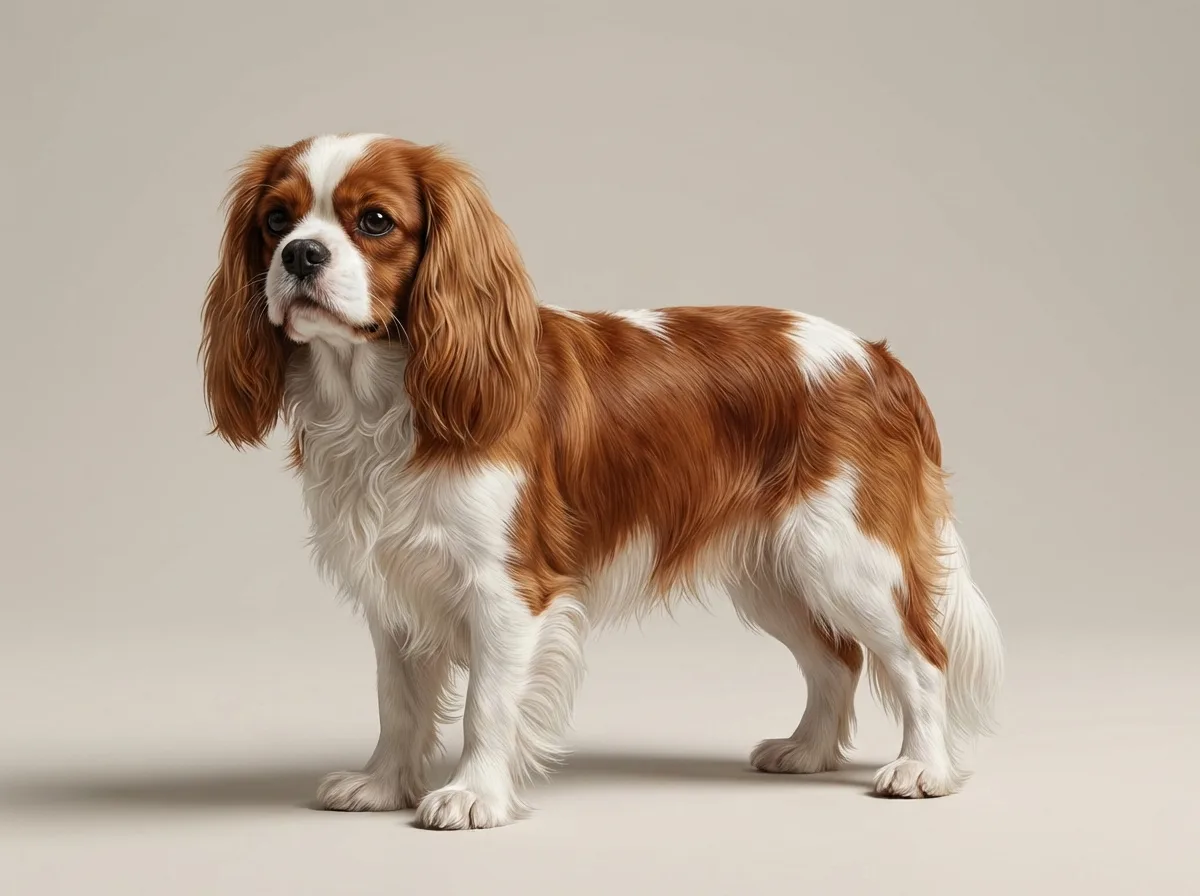
Low energy dogs for retirees include breeds like the Cavalier King Charles Spaniel and Basset Hound. These dogs enjoy being cuddled and don’t require extensive exercise, making them ideal companions for seniors. Their calm demeanor also helps create a peaceful home environment.
What are the best small dogs for older adults?
Some of the best small dogs for older adults include the Pug, French Bulldog, and Chihuahua. These breeds are typically manageable in size and have lower exercise needs. They are also affectionate and can provide companionship without being too demanding.
Are there specific companion dogs for the elderly?
Yes, companion dogs for the elderly often include breeds known for their loyalty and gentle temperament. Dogs like the Shih Tzu and Maltese can be great choices. They tend to bond closely with their owners and provide emotional support.
What should I consider when choosing a dog for an older person?
When choosing a dog for an older person, consider the dog’s energy level, size, and temperament. Look for breeds that are calm, easy to train, and require minimal exercise. It's also important to consider the dog's grooming needs and health issues that may arise.
What is the best dog for a 60 year old?
The best dog breed for older adults often includes small, calm breeds like Poodles, Shih Tzus, or Maltese. These dogs typically require less exercise and can easily adapt to a quieter lifestyle. It's essential to consider the owner's activity level and living situation when choosing.
Are there low energy dogs for retirees?
Yes, many low energy dogs are perfect for retirees. Breeds like Cavalier King Charles Spaniels and Basset Hounds are known for their calm demeanor and love for leisurely strolls. These dogs thrive in a relaxed environment and can be great companions for seniors.
What are the best small dogs for older adults?
Small dog breeds like Chihuahuas, Dachshunds, and French Bulldogs are often ideal for older adults. They are easy to handle, require less space, and can provide companionship without demanding too much physical activity. Always consider each breed's temperament and care needs.
How can a dog help seniors emotionally?
Dogs can provide emotional support and companionship for seniors, reducing feelings of loneliness and depression. Their playful nature encourages seniors to stay active and engaged. Additionally, the routine of caring for a dog can create a sense of purpose.
What should I consider when adopting a dog as an older adult?
When adopting a dog, older adults should consider the dog's energy level, size, and grooming needs. It's also helpful to assess their own physical abilities, such as mobility and strength, to ensure they can provide proper care. Additionally, adopting from a shelter can be a fulfilling option.
Are there specific breeds that are considered companion dogs for the elderly?
Yes, several breeds are well-suited as companion dogs for the elderly. Breeds like the Shih Tzu and Bichon Frise are friendly, affectionate, and adaptable. They often provide the companionship that older adults seek without demanding extensive exercise.
How much should I expect to spend on a dog for an older adult?
The costs of owning a dog can range from $500 to $1,500 annually, including food, vet visits, and supplies. Smaller breeds typically have lower food costs, but it's essential to prepare for unexpected medical expenses. Budgeting for pet insurance can also be beneficial.

Quick answers
View more answersWhat are the best dogs for older owners?
Small, calm breeds like Poodles and Shih Tzus are often considered the best dogs for older owners due to their manageable size and gentle nature.
What are some senior friendly pets?
Senior-friendly pets typically include small dog breeds that are low energy and affectionate, such as the Maltese and Cavalier King Charles Spaniel.
Which dogs are gentle companions for seniors?
Gentle companions for seniors include breeds like the Bichon Frise and Pug, known for their friendly and loving demeanor.
What is the best dog for a 60 year old?
The best dog breeds for a 60-year-old often include small, calm companions like Poodles and Shih Tzus.
Low energy dogs for retirees?
Low energy dogs like the Maltese and Cavalier King Charles Spaniel are excellent choices for retirees seeking gentle companions.
Related DogBreedCompass guides
- Poodle breed guide – Learn about the playful and intelligent Poodle, perfect for seniors.
- Shih Tzu breed guide – Discover why Shih Tzus make great companions for older adults.
- Maltese breed guide – Explore the gentle nature of Maltese, suited for seniors.
- Small dog ownership costs – Understand the costs associated with owning a small dog.
- Calm dogs for seniors – Get tips on choosing calm dogs for older people.
Important reminder
This guide is not medical advice. If your dog shows pain, sudden behavior change, or worsening symptoms, consult a licensed veterinarian.
Some links may be affiliate links. We may earn a commission at no extra cost to you. We only suggest products we believe are helpful for dog owners.
Want more tailored help?
Take the Lifestyle Match quiz to see which breeds and guides best fit your day-to-day life.
Take the quizMore guides you might like

Best Dogs for First-Time Owners in Smaller Spaces | PetMatchr

Top Dog Breeds This Year: Discover Your Next Best Friend

Best Dogs for First-Time Owners in Smaller Spaces | DogBreedCompass

Which Dog Breed is Good with Kids? Find the Perfect Family Pet

Pomeranian Cost in Portland: What to Expect

Discover Trending Dog Breeds for 2023
Find your match
Not sure which breed is right for you? Take our 2-minute quiz to find out.
Take the quiz