Are you a long distance runner looking for the perfect canine companion? This guide will help you discover the best dog breeds for long distance running, ensuring you find a partner who can keep up with your active lifestyle.
This guide is designed for active individuals or families who love running and want a furry friend to join them. Whether you're an experienced marathon runner or just starting out, you'll find valuable insights here. It's especially helpful for those considering adopting a dog that can keep up with a demanding exercise routine.
Understanding the best dog breed for long distance running is crucial for both your fitness and the dog's well-being. Many first-time dog owners overlook the importance of matching a breed's energy level with their running habits, which can lead to mismatched expectations and disappointment. This guide helps clarify which breeds are best suited for endurance activities, ensuring both you and your dog can enjoy many miles together.
Finding the Best Dog Breed for Long Distance Running
If you're a long-distance runner, finding the best dog breed for long distance running can enhance your experience and provide you with a fantastic running buddy. Choosing the right breed is essential, as not all dogs have the stamina or temperament suited for marathon training and long runs. This guide will help you understand which breeds excel in endurance activities and why they make great companions for your running journey.
Why Choosing the Right Breed Matters
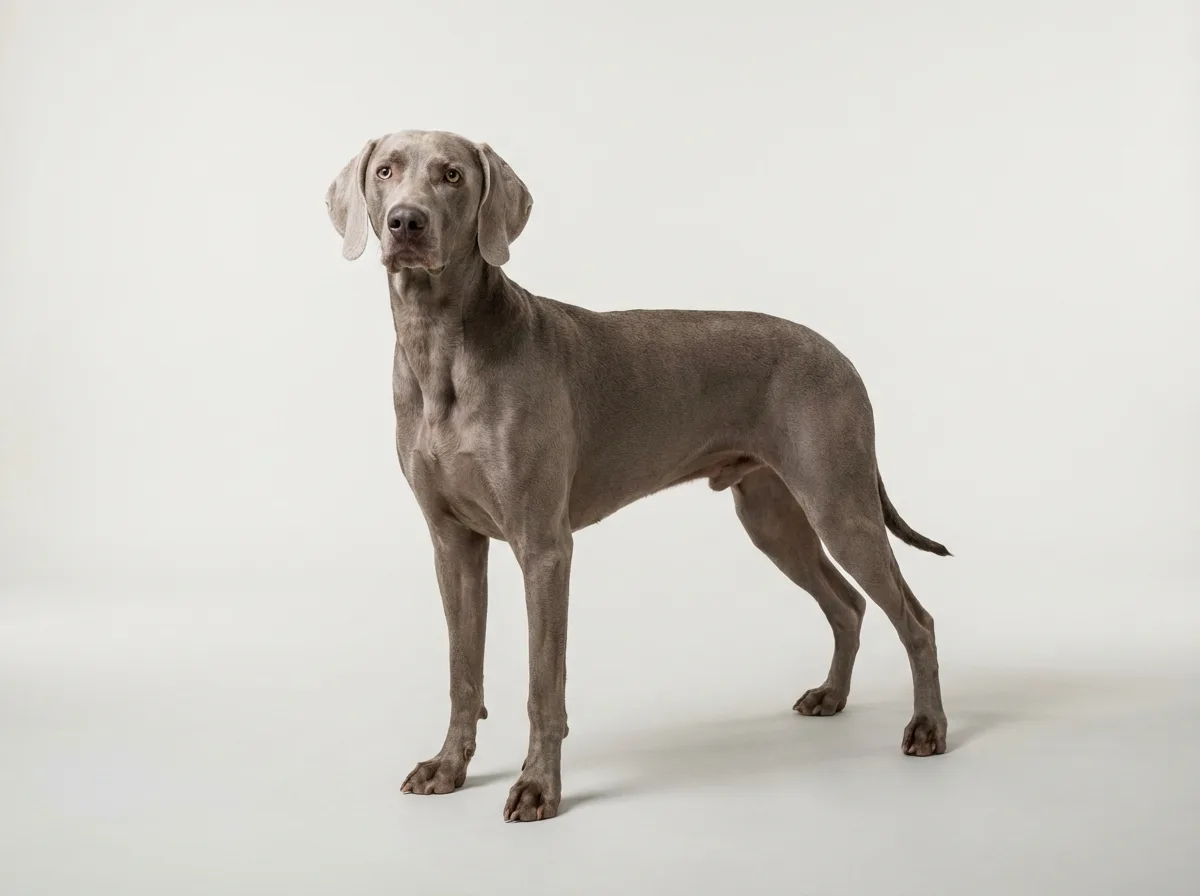
Having a dog that can keep up with your running pace not only makes for a more enjoyable experience but also ensures the safety and well-being of both you and your dog. Some breeds are naturally more suited for endurance due to their physical build, energy levels, and temperament. For instance, dogs like the Vizsla or Weimaraner are known for their high stamina and love for running.
When you pick a breed that thrives on exercise, you're fostering a strong bond through shared activities and ensuring your dog remains healthy and happy.
Best Dog Breed for Long Distance Running - Why Choosing the Right Breed Matters
What to Look for in a Running Companion
When selecting the best dog breed for long distance running, consider factors like energy levels, size, and temperament. Endurance dog breeds typically have a lean physique, which allows them to run without overheating. Look for breeds that are known for their enthusiasm towards exercise and have a friendly, adaptable nature.
Furthermore, consider your own running style and pace, as this will help you find a dog that matches your energy. Breeds like the Rhodesian Ridgeback or various hound breeds can be excellent choices if they align with your running habits.
Best Dog Breed for Long Distance Running - What to Look for in a Running Companion
Training Your Dog for Long Runs
Training your dog for long-distance running is as vital as your own training. Start slowly, gradually increasing distance and intensity while ensuring your dog stays hydrated and rested. Incorporating positive reinforcement will help your dog associate running with fun and rewards.
This process not only prepares your dog physically but also strengthens your bond. Remember, patience and consistency are key components in training your furry friend for marathon adventures together.
Best Dog Breed for Long Distance Running - Training Your Dog for Long Runs
Your Step-by-Step Plan to Find the Best Dog Breed for Long Distance Running
Choosing the right dog breed for long distance running involves careful consideration and preparation. Follow these steps to ensure you find a great running companion.
Vizsla - Your Step-by-Step Plan to Find the Best Dog Breed for Long Distance Running
Research endurance dog breeds that match your running style.
Visit local shelters or breed-specific rescues to meet potential dogs.
Test their running ability with short runs to gauge stamina and enthusiasm.
Consider the dog's age and health; younger dogs often have more energy.
Learn about training routines that are suitable for your chosen breed.
Plan a gradual running schedule to build your dog's endurance.
Invest in proper gear for both you and your dog, such as leashes and harnesses.
Stay informed about nutrition needs for high stamina dogs.
Set realistic goals for distance and pace, adjusting as needed.
Be consistent with running times to establish a routine.
Why this helps
✓ Helps you find a dog that fits your running lifestyle.
✓ Allows you to assess the dog's compatibility before adoption.
✓ Gradual training prevents injuries for both you and your dog.
Watch out for
! It requires time and effort to research and meet dogs.
! Not all dogs will have the stamina you expect.
! Finding the right breed may take longer than anticipated.
Common Mistakes When Choosing a Dog for Long Distance Running
Choosing the best dog breed for long distance running involves more than just picking a breed known for its stamina. Many owners make common mistakes that can hinder their running experience and their dog's well-being. Here are the most frequent pitfalls to avoid.
Best Dog Breed for Long Distance Running - Common Mistakes When Choosing a Dog for Long Distance Running
Ignoring the dog's fitness level
Not considering the dog's age
Overlooking breed characteristics
Neglecting proper training
Forgetting about hydration
Skipping vet check-ups
Not monitoring weather conditions
Common Myths About the Best Dog Breed for Long Distance Running
Many people have misconceptions about which dog breeds are best for long distance running. Let’s debunk some of the most common myths and reveal the facts behind endurance dog breeds.
Best Dog Breed for Long Distance Running - Common Myths About the Best Dog Breed for Long Distance Running
Myth: Any dog can run long distances.
Fact: Not all dogs are built for endurance. Breeds like Weimaraners and Vizslas excel in long-distance running due to their physical attributes and energy levels.
Myth: Small dogs can't be good running companions.
Fact: While larger breeds are often preferred, some small dogs, like Jack Russell Terriers, have high stamina and can keep up with runners over long distances.
Myth: Dogs naturally know how to pace themselves.
Fact: Dogs may need training to pace themselves during long runs. Gradual training helps them build stamina without overexerting themselves.
Myth: Running is always healthy for dogs.
Fact: Running isn't suitable for all dogs. Factors like age, breed, and health conditions must be considered before starting a running routine.
Myth: High-energy dogs are the only choice for runners.
Fact: While high-energy breeds are great, it's essential to find a balance between energy and temperament. Some calm breeds, when conditioned properly, make excellent running partners.
Advanced Tips for Choosing the Best Dog Breed for Long Distance Running
Selecting the best dog breed for long distance running goes beyond just picking a breed known for stamina. Here are some advanced tips to enhance your running experience with your canine companion.
First, consider the dog's body structure. Breeds with lean builds and long legs, like the Vizsla or Weimaraner, are often better suited for endurance activities. Their physical structure allows for a more efficient running gait, reducing the risk of injury.
Next, assess the age and condition of the dog. Young dogs can have high energy levels, but their joints may not be ready for extensive running. Gradually introduce running sessions to older dogs to strengthen their muscles and ensure they’re physically capable.
Always consult your vet before starting any rigorous training.
Incorporate variety into your running routes. Dogs thrive on mental stimulation, so switching up trails or parks can keep them engaged. It can also help prevent boredom and anxiety during runs.
Plus, different terrains can help build your dog's strength and agility.
Another tip is to train your dog alongside you. Start with shorter distances and gradually increase as your dog builds endurance. This not only strengthens your bond but also helps your dog learn pacing, which is crucial for longer runs.
Additionally, consider using a running harness instead of a collar, as it can distribute pressure more evenly and reduce strain on your dog’s neck.
Lastly, pay attention to weather conditions. Some breeds are more susceptible to heat or cold. Ensure your dog stays hydrated and is comfortable during runs, especially in extreme temperatures.
On particularly hot days, run in the early morning or late evening when temperatures are cooler. This approach will help prevent overheating and exhaustion, making your running experience safer for both of you.
Best Dog Breed for Long Distance Running - Advanced Tips for Choosing the Best Dog Breed for Long Distance Running
Why this helps
✓ Helps build a strong bond between dog and owner.
✓ Increases the dog's physical fitness and health.
✓ Encourages mental stimulation through varied running routes.
Watch out for
! Requires time and commitment for proper training.
! Some dogs may struggle with longer distances initially.
! Weather conditions can limit running opportunities.
How to Evaluate a Dog for Long-Distance Running
When selecting the best dog breed for long distance running, consider these expert insights that can enhance your running experience with your canine companion.
Best Dog Breed for Long Distance Running - How to Evaluate a Dog for Long-Distance Running
Look for natural runners: Breeds like Vizslas and Weimaraners have a natural instinct to run and can keep pace for long distances.
Train gradually: Just like humans, dogs need to build their stamina. Start with shorter distances and gradually increase to avoid injuries.
Pay attention to the weather: High temperatures can be dangerous for running dogs. Schedule runs during cooler parts of the day and consider breeds with thicker fur for colder climates.
Hydration is key: Always carry water for both you and your dog. Dehydration can happen quickly, especially on long runs.
Know the breed's limitations: Not all high-energy breeds are suited for long-distance running. Some may excel in sprinting but tire quickly over longer distances.
Why this helps
✓ Choosing the right breed can enhance both your performance and your dog's.
✓ Training techniques can lead to a better bond and improved obedience.
✓ Understanding your dog's needs helps prevent injuries and ensures their well-being.
Watch out for
! Not all breeds are equally suited for long distances, leading to mismatched expectations.
! Training takes time and commitment, which may not suit everyone's schedule.
! Environmental factors can limit when and how long you can run with your dog.
Checklist for Choosing the Best Dog Breed for Long Distance Running
Use this checklist to find the perfect running companion that matches your long-distance running lifestyle.
Best Dog Breed for Long Distance Running - Checklist for Choosing the Best Dog Breed for Long Distance Running
Assess your running distances and frequency.
Research dog breeds known for endurance, like Weimaraners, Vizslas, and Rhodesian Ridgebacks.
Consider the dog's size and energy level to match your running pace.
Check the dog's health history for any breed-specific issues.
Ensure you have time for daily exercise, training, and play.
Look into training programs for endurance running with dogs.
Evaluate your living situation to ensure a safe space for a high-energy dog.
Plan for proper nutrition tailored for an active dog.
Set a regular vet schedule for health check-ups, especially for active breeds.
Why this helps
✓ Helps you identify breeds that thrive in active environments.
✓ Encourages a healthy lifestyle for both you and your dog.
✓ Fosters a strong bond through shared activities.
Watch out for
! Not all breeds will adapt well to long-distance running.
! Requires commitment to daily exercise and training.
! Potential health concerns for certain breeds may limit running distance.
Frequently asked questions
What dogs can run 10 miles?
Many breeds can comfortably run 10 miles, especially those known for their stamina. Breeds like the Vizsla, Weimaraner, and Rhodesian Ridgeback are excellent choices for long-distance running. These dogs have the energy and endurance to keep up with dedicated runners.
Best running companion for long distance?
The best dog breeds for long distance running include the Vizsla, Weimaraner, and Rhodesian Ridgeback. These breeds thrive on physical activity and can match your pace over extended distances. They are not only good running partners but also enjoy the bonding time spent outdoors.
How to train a dog for marathons?
Training a dog for marathons starts with building their endurance gradually. Begin with shorter runs and slowly increase the distance. Consistency is key, and it's important to ensure your dog is healthy and equipped for this level of activity by consulting a vet.
What are high stamina dogs?
High stamina dogs are breeds that are built for long-distance activity and have a strong desire to run. These breeds typically have leaner bodies, great cardiovascular health, and are often used in endurance sports. Examples include the Vizsla and Weimaraner.
Are marathon running dogs suitable for families?
Yes, many marathon running dogs can be great family pets. They tend to be energetic and playful, making them ideal for active families. However, they require regular exercise and mental stimulation to thrive, so they are best suited for families that can keep up with their needs.
What is the best dog breed for long distance running?
The best dog breed for long distance running typically includes breeds like the Vizsla, Weimaraner, and Rhodesian Ridgeback. These breeds have high stamina and a strong desire to run, making them excellent companions for marathon runners. It's important to choose a breed that matches your running pace and distance.
Can smaller dogs be good running partners?
Yes, some smaller dogs can be great running partners, especially breeds like the Jack Russell Terrier or the Beagle. They may not run as far as larger breeds, but their energy levels and enthusiasm can keep up with shorter runs. Just be mindful of their limitations and adjust your distance accordingly.
How can I train my dog for long distance running?
Training your dog for long distance running involves gradually increasing their distance and pace. Start with shorter runs and slowly build up to longer distances over several weeks. Be sure to monitor their energy levels and health, and consult a vet if you have any concerns about their ability to run long distances.
What are the signs my dog is tired during a run?
Signs that your dog is tired during a run include lagging behind, panting excessively, or seeking shade. If your dog starts to show these signs, it's important to take a break and allow them to rest. Always listen to their needs to prevent overexertion.
Are there specific health concerns for running dogs?
Yes, some breeds may have health concerns when regularly running long distances. Issues like hip dysplasia, heart conditions, or breathing problems can affect performance. It's crucial to have regular vet check-ups and to be aware of the breed-specific health issues.
What type of gear do I need for running with my dog?
When running with your dog, consider using a comfortable harness instead of a collar, as it distributes pressure better. A leash designed for running can also be helpful. Additionally, dog booties may protect their paws on rough terrain or hot pavement.
Can older dogs participate in long distance running?
Older dogs can participate in long distance running, but it depends on their health and fitness level. Consult your vet before starting any running program with an older dog, and be sure to adjust the distance and intensity to suit their abilities.
This guide is not medical advice. If your dog shows pain, sudden behavior change, or worsening symptoms, consult a licensed veterinarian.
Some links may be affiliate links. We may earn a commission at no extra cost to you. We only suggest products we believe are helpful for dog owners.
We research and check what we publish, but we do not warrant that any figure, date, price, or statement is accurate, complete, or current, and we accept no liability for any loss, cost, injury, or other harm arising from the use of this site. Use it as one reference among several. You remain responsible for your own decisions and for your dog's care - confirm anything that matters with a licensed veterinarian or another qualified professional before you act on it. Full disclaimer.
Want more tailored help?
Take the Lifestyle Match quiz to see which breeds and guides best fit your day-to-day life.