The Best Dog Breed for Jogging: Find Your Perfect Running Partner
Looking for a furry friend to join you on your runs? This guide will help you find the best dog breed for jogging, ensuring you both stay active and happy.
This guide is perfect for active individuals or families who enjoy jogging and want a dog that can keep up. Whether you're a seasoned runner or just starting out, understanding the right breed is crucial for a successful partnership.
Choosing the right dog for jogging is often misunderstood. Many people may not realize that not all dogs have the stamina or temperament suited for running long distances. Picking a breed with the right energy level can lead to a happier, healthier relationship for both you and your dog.
Choosing the Best Dog Breed for Jogging
A jogging companion should be matched to your pace, distance, climate, terrain, and routine. Breed tendencies can help narrow the options, but the individual dog's age, health, conditioning, and comfort with leash running matter. Build distance gradually, avoid long runs with growing puppies, watch weather and surface temperature, and ask your veterinarian about an appropriate running plan for your dog.
Step-by-Step Plan to Find the Best Dog Breed for Jogging
Finding the best dog breed for jogging involves considering various factors. Follow these steps to make an informed choice that suits your lifestyle and running habits.
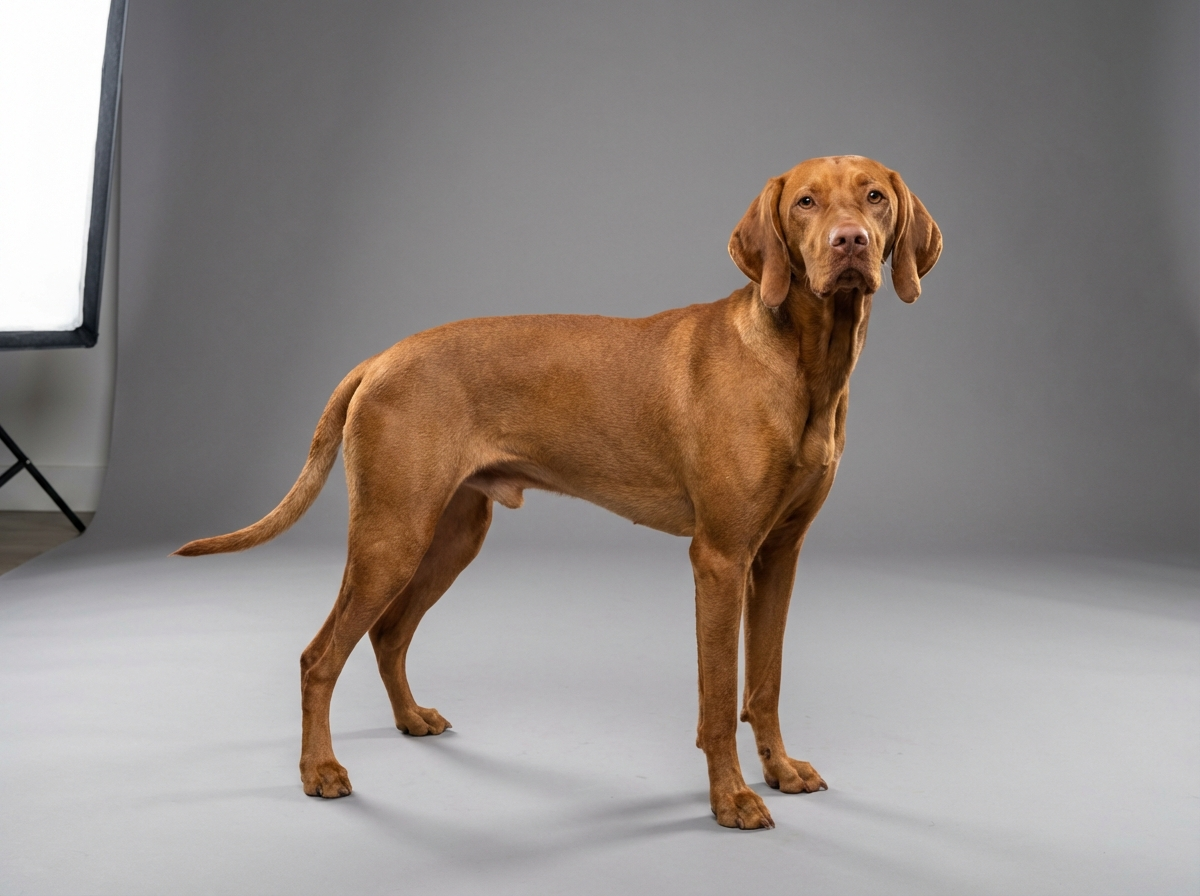
Weimaraner - Step-by-Step Plan to Find the Best Dog Breed for Jogging
Step 1: Assess Your Running Style
Step 2: Research Suitable Breeds
Step 3: Visit Local Shelters or Breeders
Step 4: Meet Potential Dogs
Step 5: Consider Training Needs
Step 6: Plan for Health and Nutrition
Step 7: Start Slowly and Build Up
Why this helps
✓ Tailored approach ensures you find a great running partner.
✓ Researching breeds helps match energy levels and needs.
✓ Meeting dogs in person allows you to gauge compatibility.
Watch out for
! Can take time to find the right breed and individual dog.
! Not all dogs in shelters may be suitable for jogging.
! Training requires commitment and consistency.
Common Mistakes When Choosing the Best Dog Breed for Jogging
Selecting the right dog breed for jogging can be tricky. Many owners make mistakes that lead to unhappy pups and frustrating runs. Here are some common pitfalls to avoid.
The Best Dog Breed for Jogging: Find Your Perfect Running Partner - Common Mistakes When Choosing the Best Dog Breed for Jogging
Choosing a breed based solely on looks instead of energy level.
Ignoring the dog's age and fitness level.
Not gradually introducing the dog to jogging.
Failing to consider weather conditions.
Neglecting proper training and socialization.
Common Myths About the Best Dog Breed for Jogging
There are many myths surrounding the best dog breeds for jogging. Let's debunk some of the most common ones to help you choose the right running partner.
The Best Dog Breed for Jogging: Find Your Perfect Running Partner - Common Myths About the Best Dog Breed for Jogging
Myth 1: Only large dogs can keep up with a jogger.
Myth 2: All breeds can run long distances without training.
Myth 3: Dogs don't need to warm up before a run.
Myth 4: Any dog can be a good running partner.
Myth 5: Jogging is too hard on a dog's joints.
Advanced Tips for Jogging with Your Dog
If you're looking to make the most of your jogging experience with your dog, these advanced tips will help you both stay safe and enjoy your time on the trails or roads. For serious runners, consider incorporating interval training into your routine. This means alternating between periods of fast running and slower recovery jogging.
Dogs can benefit from this too, helping them build endurance and strength over time.
Pay attention to the weather, especially in hotter months. Dogs are sensitive to heat, so avoid running during the hottest parts of the day. Instead, aim for early morning or late evening jogs.
If your dog seems tired or starts panting excessively, it's best to cut the run short and head home for some water and rest.
Using a proper harness can make a big difference in your runs. A front-clip harness helps prevent pulling and gives you better control. It's also more comfortable for your dog, which is essential for longer runs.
Additionally, consider training your dog to run alongside you, rather than ahead. This keeps both of you safe and focused.
Lastly, vary your routes to keep things interesting. Different terrains can provide various challenges for you and your dog, which can help with their physical and mental stimulation.
The Best Dog Breed for Jogging: Find Your Perfect Running Partner - Advanced Tips for Jogging with Your Dog
Why this helps
✓ Improves endurance and strength for both you and your dog.
✓ Keeps your dog engaged and mentally stimulated.
✓ Enhances safety with proper gear and training.
Watch out for
! May require additional training and time investment.
! Weather conditions can limit jogging opportunities.
! Some dogs may not adapt well to interval training.
How to Choose and Condition a Dog for Jogging
Finding the best dog breed for jogging isn’t just about picking a breed known for endurance. Here are some lesser-known insights that can help you make a well-informed decision.
The Best Dog Breed for Jogging: Find Your Perfect Running Partner - How to Choose and Condition a Dog for Jogging
Consider temperament: Some breeds might excel in running but struggle with temperament around other dogs or distractions. A calm demeanor can help during those crowded park runs.
Test their endurance early: Puppies can show signs of potential endurance, but it's important to start slow and gradually build their stamina. Watch for their energy levels during playtime to gauge their running potential.
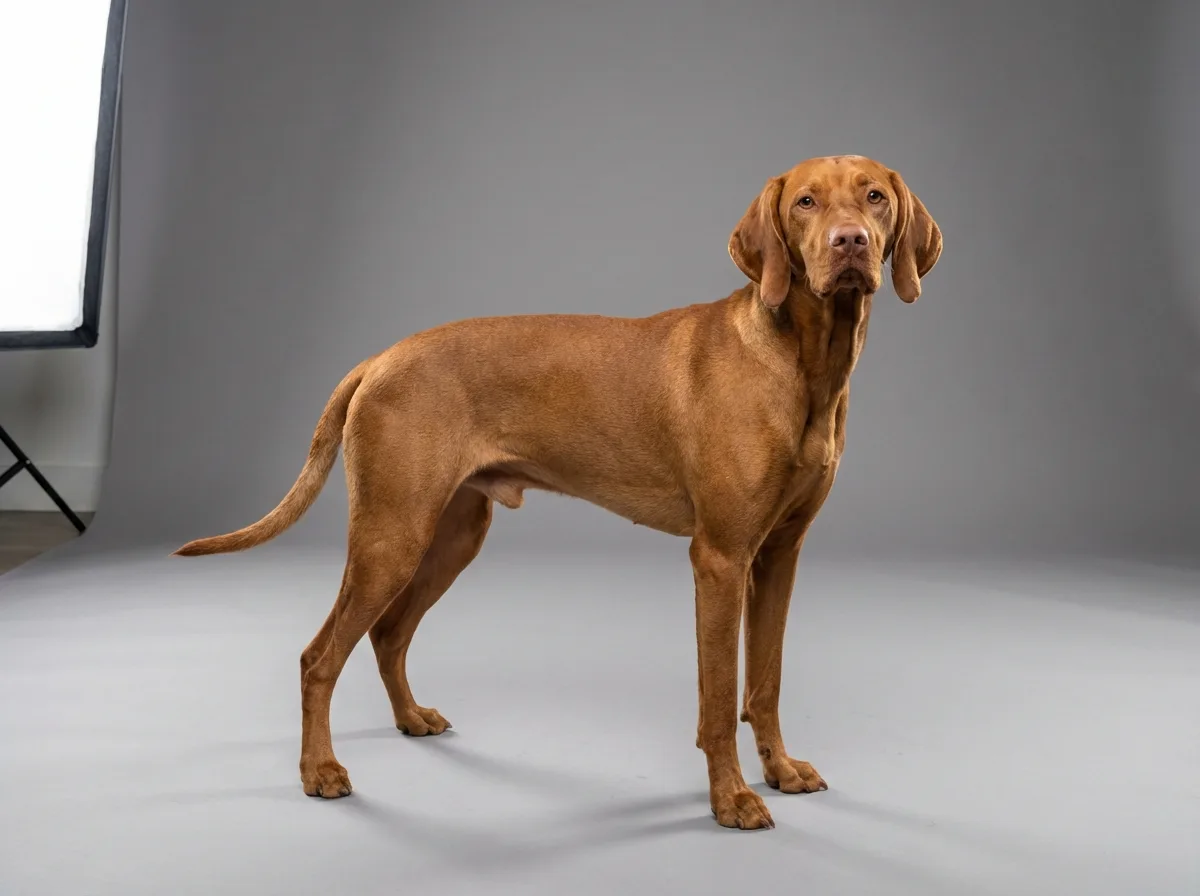
Pay attention to weather sensitivities: Breeds like the Vizsla are great for jogging but can be sensitive to extreme heat or cold. Always check the weather and adjust your running schedule accordingly.
Nutrition matters: Proper diet can enhance a dog's endurance. High-quality dog food enriched with proteins and carbs can fuel their runs more effectively than generic dog food.
Socialization is key: Ensure your jogging partner is well-socialized. A dog that’s comfortable around other people and dogs will make your runs more enjoyable and less stressful.
Why this helps
✓ Understanding the dog's temperament can lead to more enjoyable runs.
✓ Building endurance gradually helps prevent injury in young dogs.
✓ Paying attention to weather can ensure your dog's safety during runs.
✓ A balanced diet can significantly improve your dog's performance.
✓ Socialization can enhance your running experience by reducing distractions.
Watch out for
! Some breeds may require more training to manage temperament issues.
! Gradual endurance building can take time, delaying full running potential.
! Weather sensitivities may limit your running schedule or routes.
! High-quality food can be more expensive than standard options.
! Socialization requires time and effort, especially for shy or reactive dogs.
Checklist for Choosing the Best Dog Breed for Jogging
Use this checklist to find the perfect jogging partner for your active lifestyle. Consider the following factors to ensure you select a breed that matches your running habits and lifestyle.
The Best Dog Breed for Jogging: Find Your Perfect Running Partner - Checklist for Choosing the Best Dog Breed for Jogging
Assess your running distance and pace
Research breeds known for endurance and energy levels
Consider your dog's size and health
Evaluate your living space and exercise options
Plan for training and socialization needs
Check local leash laws and running areas
Consult with a vet about starting a running routine
Prepare for seasonal weather changes
Why this helps
✓ Helps match your energy level with the right breed
✓ Ensures your dog's health and safety while exercising
✓ Fosters a strong bond through shared activities
Watch out for
! Some breeds may require more training and socialization
! Not all dogs are suited for long-distance running
! Weather conditions can limit running opportunities
Frequently asked questions
What is the best dog breed for jogging?
The best dog breed for jogging depends on your running style and distance. Breeds like the Vizsla, Weimaraner, and Dalmatian are excellent choices due to their endurance and energy levels. They thrive on regular exercise and make great running partners.
How far can I run with my dog?
Most dogs can comfortably run between 3 to 5 miles, but this varies by breed and fitness level. Some high-energy breeds can handle longer distances, while others may need to build up gradually. Always monitor your dog's behavior and energy levels during runs.
When can I start running with my puppy?
You should wait until your puppy is at least 6 to 12 months old before starting a running routine. Puppies' bones and joints are still developing, so low-impact activities like walking and playing are better until they mature. Consult your vet for specific advice based on your puppy's breed.
Are there specific breeds that make the best running partners?
Yes, breeds like Border Collies, Labrador Retrievers, and German Shepherds are known for their stamina and enthusiasm for exercise. These dogs have the endurance to keep pace during longer runs, making them ideal companions for active runners.
What are some tips for jogging with my dog?
Start by ensuring your dog is physically fit and accustomed to running. Use a sturdy leash and harness for better control. Gradually increase the distance and pace, and always bring water for both you and your dog to stay hydrated.
What is the best dog breed for jogging long distances?
Breeds like the Vizsla and Weimaraner are excellent choices for long-distance jogging. They have high energy levels and endurance, making them perfect companions for runners looking to tackle longer routes.
Can I jog with my older dog?
It depends on your dog's health and fitness level. Older dogs can still enjoy jogging, but it's important to start slow and consult your vet to ensure they’re fit for exercise.
How can I train my dog to jog with me?
Start with short walks and gradually increase the distance. Use positive reinforcement, like treats and praise, to encourage your dog. Always keep an eye on their energy levels and take breaks as needed.
Are there any dog breeds not suitable for jogging?
Yes, breeds like Bulldogs and Basset Hounds typically lack the stamina and physical build for jogging. These dogs may overheat easily and struggle to keep up, so it's best to choose a breed with higher endurance.
What gear do I need for jogging with my dog?
A good-quality leash, a comfortable harness, and possibly a hands-free leash system are essential. Additionally, consider weather-appropriate gear like dog booties or a cooling vest for warmer days.
What should I do if my dog gets tired while jogging?
If your dog shows signs of fatigue, like lagging behind or excessive panting, take a break. Offer water and let them rest before continuing. It's important to listen to your dog's cues to prevent overexertion.
This guide is not medical advice. If your dog shows pain, sudden behavior change, or worsening symptoms, consult a licensed veterinarian.
Some links may be affiliate links. We may earn a commission at no extra cost to you. We only suggest products we believe are helpful for dog owners.
We research and check what we publish, but we do not warrant that any figure, date, price, or statement is accurate, complete, or current, and we accept no liability for any loss, cost, injury, or other harm arising from the use of this site. Use it as one reference among several. You remain responsible for your own decisions and for your dog's care - confirm anything that matters with a licensed veterinarian or another qualified professional before you act on it. Full disclaimer.
Want more tailored help?
Take the Lifestyle Match quiz to see which breeds and guides best fit your day-to-day life.