Best Dog Breed for Inexperienced Owners
Choosing the right dog can be tough, especially for novice dog owners. This guide highlights the best dog breeds that are forgiving and simple to train, making them perfect for first-time pet parents.
Choosing the Best Dog Breed for Inexperienced Owners
Finding the best dog breed for inexperienced owners is crucial for a successful pet ownership experience. Novice dog owners may feel overwhelmed by the responsibility, and selecting a forgiving dog breed can make all the difference. Understanding the unique traits of simple dogs and their adaptability ensures that both you and your new furry friend can thrive together.
Why It Matters to Choose the Right Breed
Choosing the right dog breed is especially important for first-time owners. A well-suited breed can offer companionship and joy while minimizing stress and frustration. When you select a breed that aligns with your experience level, you’re more likely to build a positive relationship and avoid the common pitfalls that can lead to rehoming or abandonment.

What to Consider When Choosing a Dog Breed
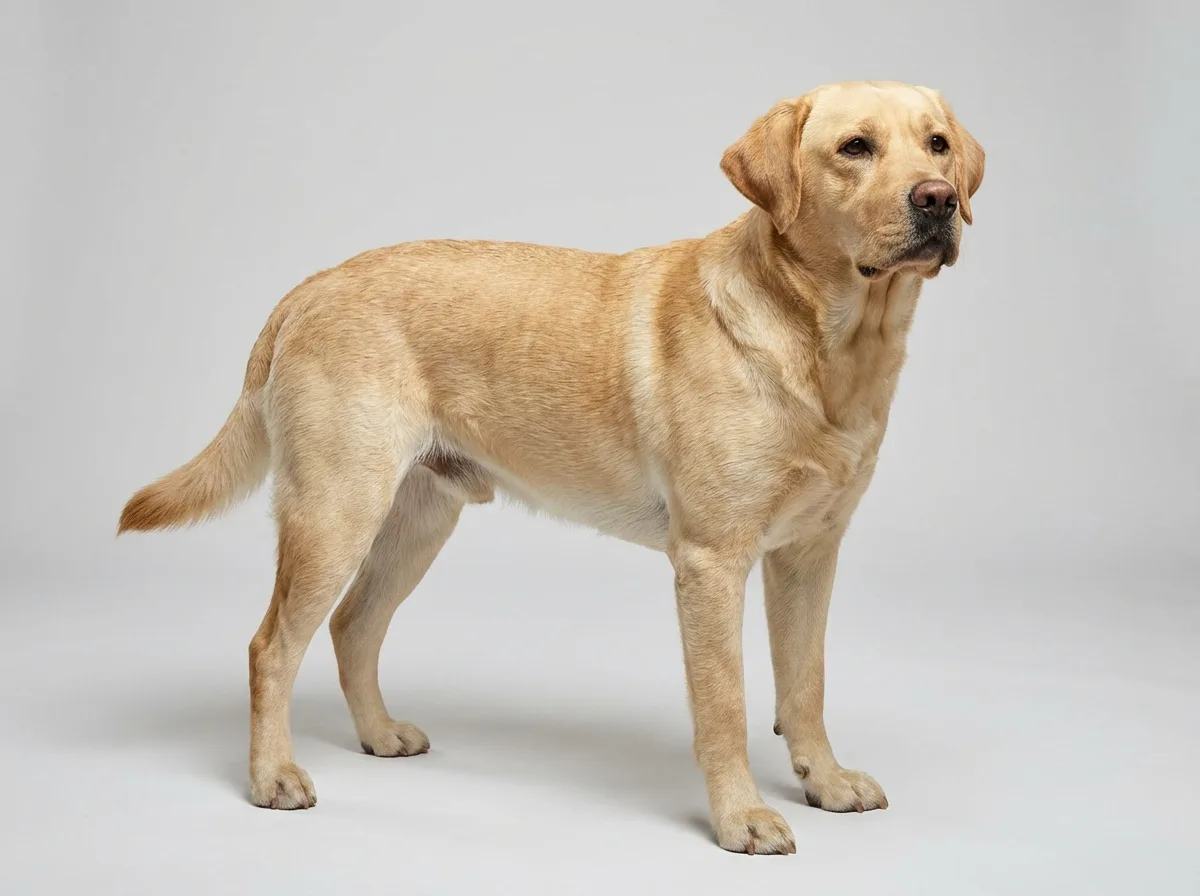
Several factors play a role in determining the best dog breed for novice owners. Consider the dog's energy level, temperament, size, and grooming needs. For example, breeds like the Labrador Retriever and Golden Retriever are known for their friendly nature and adaptability. In contrast, a breed with high energy might be overwhelming for someone still learning the ropes of dog ownership.

Common Mistakes First-Time Owners Make
First-time dog owners often make mistakes that can complicate their experience. Many underestimate the time commitment required for training and socializing. Others may choose a breed based on looks rather than temperament, leading to frustration. Being aware of these common pitfalls can help you make a more informed decision.

Final Thoughts on Selecting Your Dog
Selecting the best dog breed for inexperienced owners is about finding a good match for your lifestyle and capabilities. Breeds like the Bichon Frise, Labrador, and Golden Retriever can provide a supportive entry point into dog ownership. By making an informed choice, you set the stage for a rewarding and enjoyable relationship with your new best friend.
Step-by-Step Plan for Choosing the Best Dog Breed for Inexperienced Owners
Finding the best dog breed for inexperienced owners involves careful consideration and practical steps. Follow this guide to ensure you choose a breed that suits your lifestyle and experience level.
- 1. Assess Your Lifestyle: Consider your daily routine, living situation, and activity level. Think about how much time you can dedicate to training, exercise, and companionship.
- 2. Research Breeds: Look for forgiving dog breeds known for their friendly and manageable temperaments. Breeds like Labrador Retrievers, Golden Retrievers, and Bichon Frises are great options for novice dog owners.
- 3. Visit Local Shelters: Spend time at animal shelters or rescue organizations. Interacting with different dogs can give you a better sense of their personalities and energy levels.
- 4. Talk to Experienced Owners: Reach out to friends or family who own dogs. They can share their insights on breed characteristics and what it’s like to own a dog.
- 5. Evaluate Costs: Consider the financial aspects of dog ownership, including food, grooming, veterinary care, and training classes. Make sure you can comfortably afford these expenses.
- 6. Prepare Your Home: Create a safe and welcoming environment for your new dog. Remove hazards and designate a space for their bed, toys, and food.
- 7. Plan for Training: Invest time in training classes suitable for beginners. Look for courses that focus on basic obedience and socialization to help your dog become well-adjusted.
- 8. Set a Routine: Establish a daily routine for feeding, exercise, and playtime. Dogs thrive on consistency, which will help with their adjustment.
- 9. Stay Patient: Understand that training takes time and mistakes will happen. Be patient with your dog and yourself as you learn together.
- 10. Enjoy the Journey: Embrace the experience of dog ownership. The bond you build with your dog is rewarding and can lead to a fulfilling companionship.
Common Mistakes Made by Inexperienced Dog Owners
Navigating dog ownership can be tricky, especially for novice dog owners. Here are some common mistakes that can backfire and lead to unnecessary challenges.
- Choosing the wrong breed for their lifestyle
- Neglecting training and socialization
- Overestimating their time commitment
- Ignoring health care needs
- Not preparing for behavioral issues
- Underestimating the importance of proper nutrition
Common Myths About the Best Dog Breed for Inexperienced Owners
Many novice dog owners believe certain myths about choosing the right dog breed. Let’s debunk some of these misconceptions and reveal the truth.
- Myth: All breeds are the same when it comes to training.
- Myth: Small dogs are easier to care for than large dogs.
- Myth: Older dogs are always more difficult than puppies.
- Myth: You need a lot of experience to handle any dog.
- Myth: Breeds like Labradors and Golden Retrievers are only for active owners.
Advanced Tips for Choosing the Best Dog Breed for Inexperienced Owners
If you're a novice dog owner looking for the best dog breed for inexperienced owners, here are some advanced tips to consider. These insights can help you make a more informed decision and enhance your experience with your new furry friend.
- Consider your lifestyle: Evaluate your daily routine and energy levels. Some breeds, like Labrador Retrievers, thrive on activity, while others, like Bichon Frises, are more adaptable to a quieter lifestyle.
- Research breed temperaments: Understanding the personality traits of potential breeds is crucial. For example, forgiving dog breeds are often more tolerant of training mistakes, making them ideal for beginners.
- Evaluate grooming needs: Some breeds require regular grooming, which can be time-consuming. Simple dogs like the Bichon Frise may need less frequent grooming compared to long-haired breeds.
- Think about size: Larger dogs often require more space, while smaller breeds can adapt to apartment living. Ensure your living situation aligns with the breed size.
- Connect with local trainers: Finding a dog trainer who specializes in novice dog owners can provide invaluable guidance. They can help you with training techniques tailored to your chosen breed.
Insider Secrets for Choosing the Best Dog Breed for Inexperienced Owners
Navigating the world of dog ownership can be daunting for novice dog owners. Here are some insider tips that can help you choose the best dog breed for inexperienced owners and ensure a smoother transition into pet parenthood.
- Choose a breed known for its adaptability. Breeds like the Labrador Retriever and Golden Retriever are forgiving and can adjust well to different environments.
- Consider the energy level of the breed. Simple dogs like the Bichon Frise are great for relaxed lifestyles, while high-energy breeds may overwhelm new owners.
- Look for breeds that are known for their trainability. Breeds that are eager to please can make training sessions less stressful and more successful.
- Think about the size of the dog in relation to your living space. Smaller breeds are often easier to manage in apartments or smaller homes.
- Research grooming needs. Some breeds require extensive grooming, which can be a big commitment for new owners.
Checklist for Choosing the Best Dog Breed for Inexperienced Owners
Use this checklist to find the right dog breed that fits your lifestyle and experience level as a novice owner.
- Assess your living situation (space, yard access, etc.)
- Consider how much time you can dedicate to training and socializing
- Identify your activity level and choose a breed that matches it
- Research breeds known for being forgiving and easy to train
- Look for breeds that are generally good with families or children
- Visit shelters or breeders to meet potential dogs in person
- Ask experienced owners or trainers for advice on specific breeds
- Think about long-term costs such as food, vet visits, and grooming
- Prepare your home with the necessary supplies (bed, leash, food, etc.)
- Be ready to commit to ongoing training and socialization
Frequently asked questions
What is a good starter dog?
The best dog breed for inexperienced owners often includes breeds like Labrador Retrievers, Golden Retrievers, and Bichon Frises. These breeds are known for their friendly nature and adaptability. They tend to be forgiving and easy to train, making them ideal for novice dog owners.
What mistakes do first-time owners make?
First-time dog owners often underestimate the time and energy needed for training and socialization. They might also overlook the importance of choosing a breed that fits their lifestyle. Lastly, many inexperienced owners may not prepare for potential behavioral issues that can arise without proper training.
What are the best dogs for learning?
Forgiving dog breeds like Golden Retrievers and Bichon Frises are great for learning. They respond well to training and are often eager to please their owners. This makes the learning process enjoyable and less stressful for novice dog owners.
How do I choose the right breed as a novice owner?
When selecting a breed, consider factors like energy level, size, and temperament. Look for breeds that are known for being patient and easy to train. Researching the breed's characteristics can help ensure a good match for your lifestyle.
Are there certain breeds to avoid for new dog owners?
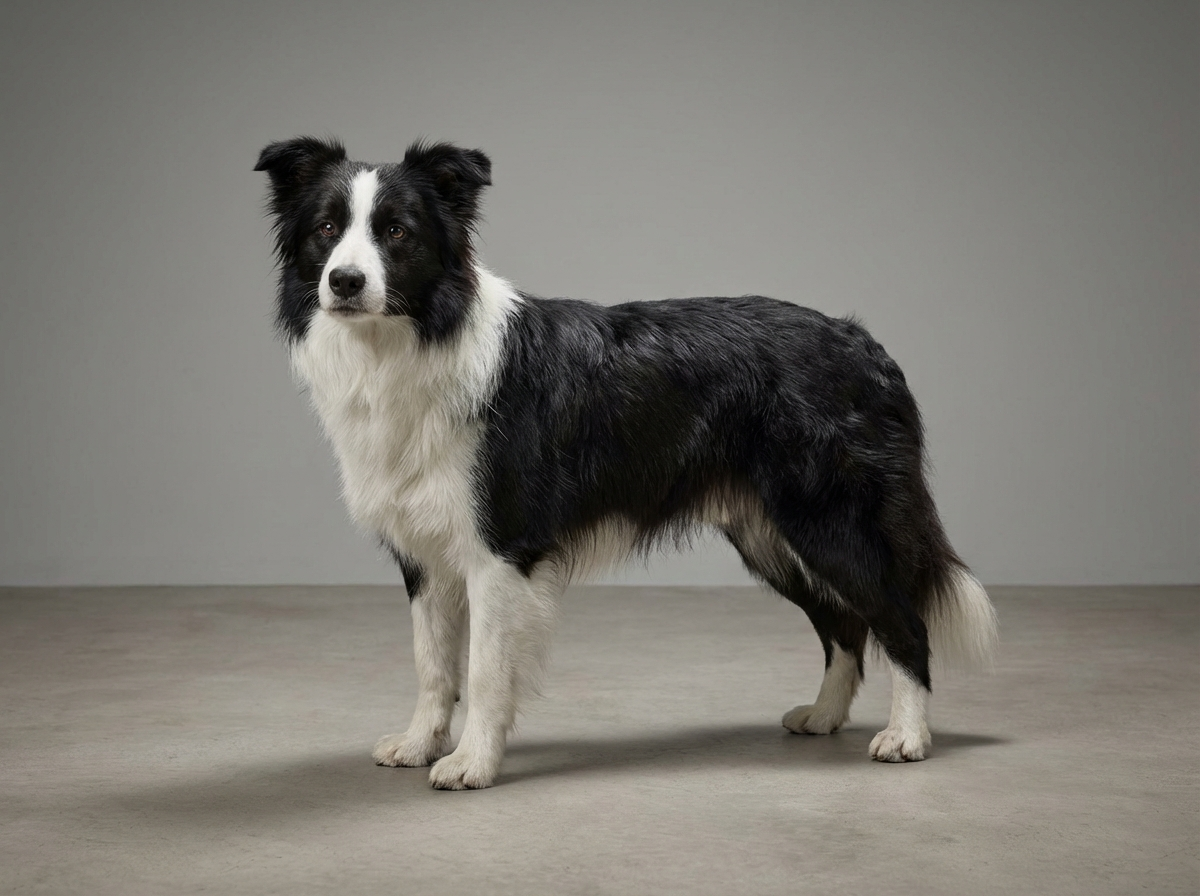
Yes, breeds that are known for being high-energy or strong-willed might be challenging for inexperienced owners. Breeds like Border Collies or Bull Terriers may require more experience and training skills. It's best to stick with more forgiving dog breeds.
What is a good starter dog for families with young children?
For families with young children, breeds like the Labrador Retriever and Golden Retriever are often recommended. These breeds are known for their friendly and patient nature, making them great companions for kids. However, always supervise interactions to ensure safety and teach children how to properly interact with dogs.
What are some forgiving dog breeds for first-time owners?
Forgiving dog breeds include the Bichon Frise and Cavalier King Charles Spaniel. These breeds tend to be gentle and adaptable, making them easier for novice dog owners to manage. They are also less likely to harbor resentment if mistakes happen, which can be comforting for inexperienced owners.
How much time should novice dog owners spend training their new pets?
Novice dog owners should plan to spend at least 15-30 minutes each day training their new pet. Consistency is key, so short, frequent training sessions can be more effective than longer ones. This helps build a bond while teaching basic commands and good behaviors.
What mistakes do first-time dog owners commonly make?
First-time dog owners often underestimate the time commitment required for training and socialization. Another common mistake is not researching the breed's specific needs, such as exercise or grooming. Lastly, neglecting to establish boundaries early can lead to behavioral issues down the road.
Are there specific dog breeds that are better for apartment living?
Yes, some dog breeds are more suited for apartment living than others. Breeds like the French Bulldog and Bichon Frise adapt well to smaller spaces and are usually less active indoors. However, they still need regular walks and mental stimulation to stay happy.
What should I consider about dog size when choosing a breed as a novice owner?
Dog size can impact various aspects of ownership, including space, exercise needs, and grooming. Smaller breeds may be easier to manage for novice owners, while larger breeds often require more training and exercise. It's important to choose a size that fits your living situation and lifestyle.
How can novice dog owners find support during their pet ownership journey?
Novice dog owners can find support through local training classes, online forums, or social media groups focused on dog care. Many communities also offer breed-specific meetups, which can provide valuable advice and socialization opportunities. Connecting with experienced dog owners can also help ease concerns and provide guidance.