Best Dog Breed for First Time Owners: A Comprehensive Guide
Choosing the best dog breed for first time owners can be overwhelming. This guide simplifies the process by highlighting beginner-friendly breeds that are easy to train and care for.
Finding the Best Dog Breed for First-Time Owners
Choosing the best dog breed for first-time owners is a big decision that can shape your experience as a pet parent. With so many breeds available, it’s important to find one that matches your lifestyle and experience level. This guide will help you navigate the options and make an informed choice that suits your family's needs.
Why the Right Breed Matters
Selecting the right breed can make the difference between a joyful experience and a challenging one. Some dogs require more training, exercise, or grooming than others. For first-time owners, it’s crucial to consider breeds that are known for being beginner-friendly, easy to train, and low-maintenance. This ensures that both you and your dog will thrive together.

What to Consider When Choosing a Breed
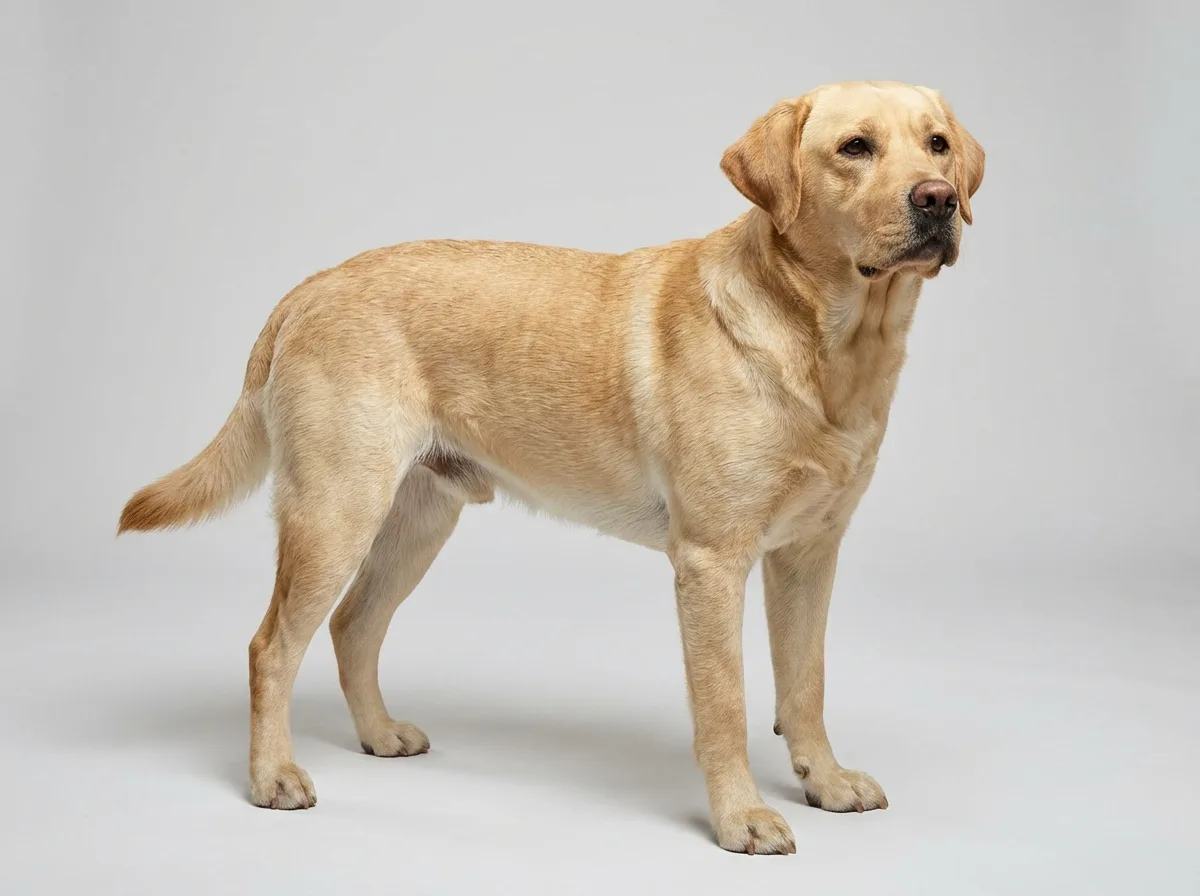
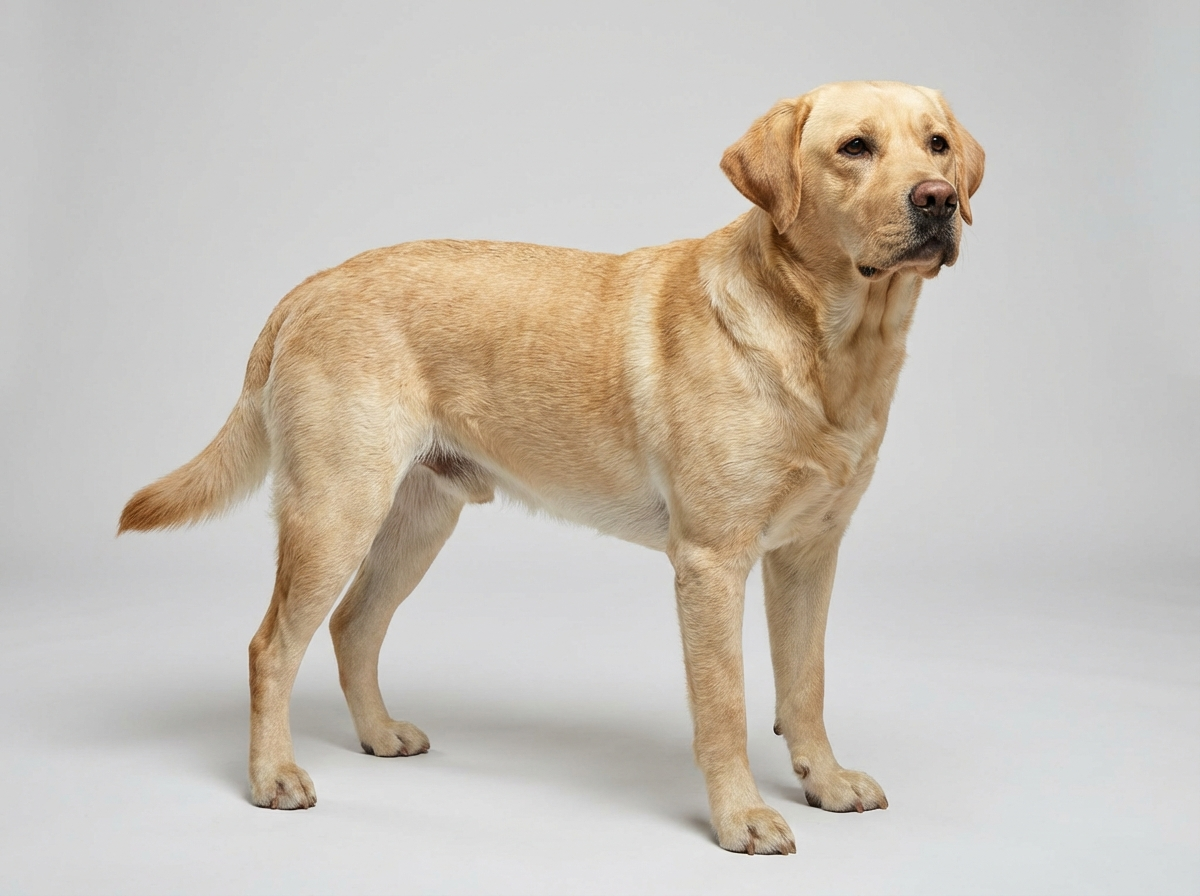
When looking for the best dog breed for first-time owners, consider factors such as size, energy level, and temperament. Smaller breeds might be ideal for apartment living, while active families may prefer larger, energetic dogs. Additionally, think about your daily routine and whether you have time for training and exercise. Certain breeds, like the Labrador Retriever, Bichon Frise, and Golden Retriever, are often recommended for new owners due to their friendly nature and trainability.

Next Steps in Your Dog Search
Once you have an idea of the characteristics you want in a dog, it’s time to research specific breeds. Visit local shelters or breed-specific rescues to meet dogs in person. This firsthand experience can help you gauge compatibility. Remember to ask questions about the dog’s background, health, and behavior. Engaging with different breeds will help you find the best fit for your household.

Conclusion
Finding the best dog breed for first-time owners may take time, but it’s worth the effort. By understanding your lifestyle and what you’re looking for in a dog, you can create a fulfilling relationship with your new furry friend. Take your time, do your research, and enjoy the journey of pet ownership!
Step-by-Step Guide to Choosing the Best Dog Breed for First-Time Owners
Choosing the best dog breed for first-time owners can feel overwhelming. This step-by-step guide will help you make a confident choice that fits your lifestyle and needs. Follow these practical steps to find a suitable companion.
- Step 1: Assess Your Lifestyle
- Step 2: Research Beginner-Friendly Breeds
- Step 3: Consider Size and Space Requirements
- Step 4: Evaluate Time Commitment for Training and Exercise
- Step 5: Visit Local Shelters or Breeders
- Step 6: Prepare Your Home for a New Dog
- Step 7: Plan for Initial Costs and Ongoing Expenses
Step 1: Assess Your Lifestyle
Start by examining your daily routine. Consider factors like work hours, activity level, and family dynamics. If you have young kids or a busy job, a low-maintenance breed might suit you best.
Step 2: Research Beginner-Friendly Breeds
Look up breeds that are known for being good for first-time owners. Breeds like Labradors, Golden Retrievers, and Bichon Frises are often recommended. They tend to be friendly, trainable, and adaptable.
Step 3: Consider Size and Space Requirements
Evaluate how much space you have at home. Smaller breeds might be better for apartment living, while larger dogs need more room to roam. Consider your yard size if you have one.
Step 4: Evaluate Time Commitment for Training and Exercise
Think about the time you can dedicate to training and exercising your dog. Some breeds require more activity and training than others. Research how much daily exercise each breed needs.
Step 5: Visit Local Shelters or Breeders
Once you have a list of potential breeds, visit local shelters or breeders. Meeting dogs in person helps you gauge their temperament and energy levels. It’s also a chance to ask questions about their care.
Step 6: Prepare Your Home for a New Dog
Before bringing your new dog home, ensure your space is safe and welcoming. Remove hazards, purchase necessary supplies, and create a cozy area for your pet to relax.
Step 7: Plan for Initial Costs and Ongoing Expenses
Budget for the initial costs of bringing a dog home, such as vaccinations, spaying/neutering, and supplies. Also, consider ongoing expenses like food, grooming, and veterinary care.
Common Mistakes First-Time Dog Owners Make
Many first-time dog owners make mistakes that can lead to frustration for both them and their new pet. Here are some of the most common pitfalls to avoid.
- Choosing the wrong breed for their lifestyle
- Underestimating the time commitment
- Neglecting training and socialization
- Overlooking health care needs
- Ignoring the importance of exercise
- Failing to research dog food and nutrition
- Not having a proper support system
Common Myths About the Best Dog Breed for First Time Owners
Let's debunk some common myths about choosing the best dog breed for first time owners. Understanding the facts will help you make an informed decision.
- Myth: All small dogs are great for first-time owners.
- Fact: Small dogs can be just as challenging as large breeds. Breeds like Chihuahuas or Dachshunds may have strong personalities or require more training than you expect.
- Myth: Any dog is suitable for a busy lifestyle.
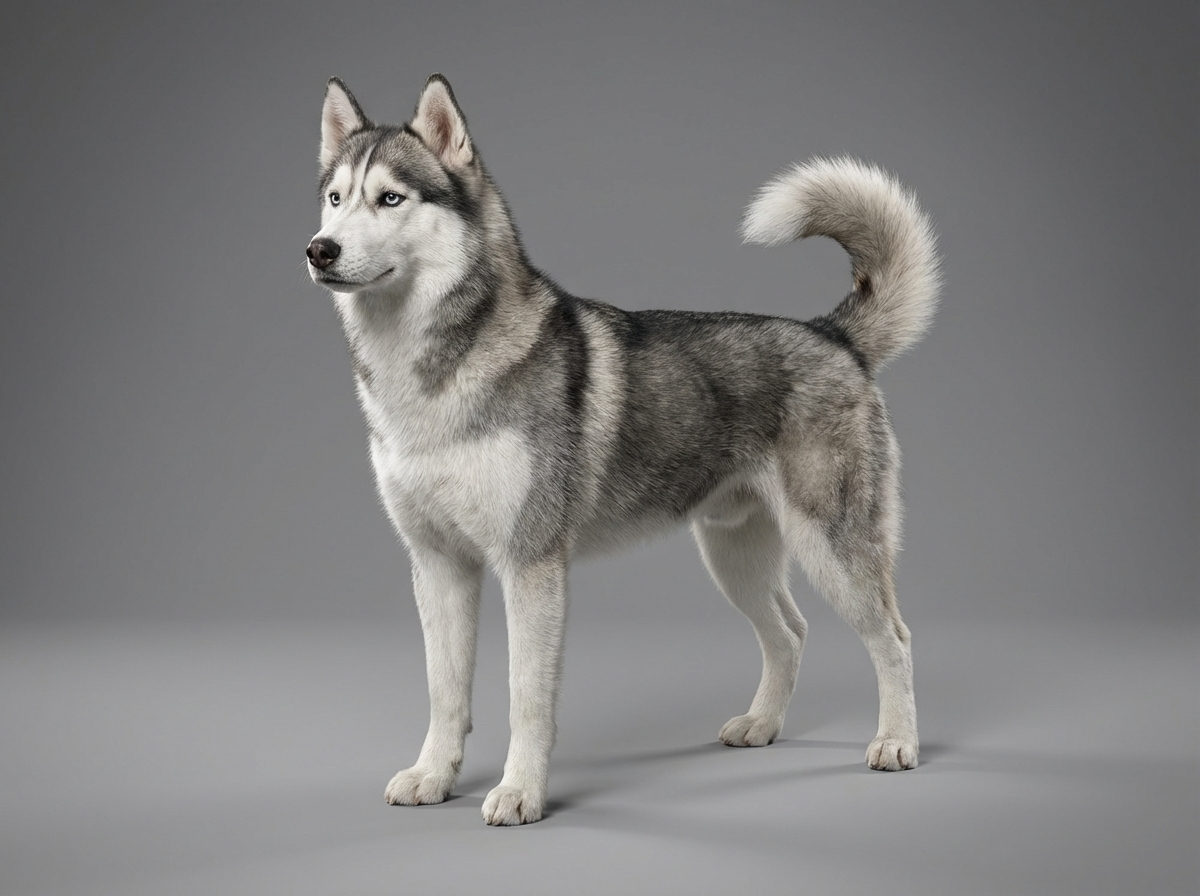
- Fact: Some breeds, like Huskies or Border Collies, need a lot of exercise and mental stimulation. If you're often busy, consider breeds known for being more adaptable to your schedule.
- Myth: Only puppies are good for first-time owners.
- Fact: Adult dogs can be great starter pets, too. Many adult dogs are already trained and can fit into your home with less work than a puppy.
- Myth: All dogs need the same amount of training.
- Fact: Different breeds have different training needs. Breeds like Golden Retrievers are known for their trainability, while others may need more patience and consistency.
- Myth: You can't find a low-maintenance dog.
- Fact: Some breeds, like the Bichon Frise, require regular grooming. However, there are low-maintenance options, like the Labrador Retriever, which are easy to care for.
Advanced Tips for Choosing the Best Dog Breed for First-Time Owners
Choosing the best dog breed for first-time owners goes beyond just picking a cute face. There are various factors to consider that can lead to a more harmonious relationship between you and your new furry friend. Here are some advanced tips to help you make the best choice.
Insider Secrets for Choosing the Best Dog Breed for First-Time Owners
Here are some expert insights to help you find the best dog breed for first-time owners. These tips go beyond the basics and can make a real difference in your journey with your new furry friend.
- Consider temperament over breed: While breed traits are important, remember that individual dogs have unique personalities. Spend time with a dog before committing.
- Look for a breed's adaptability: Some dogs handle change better than others. Consider breeds known for their flexibility, especially in new environments or lifestyles.
- Start with adult dogs: Puppies are cute, but they require a lot of time and energy. An adult dog may be a better fit for first-time owners, as they often come with established behaviors.
- Training is key: Even the easiest breeds need proper training. Enroll in a beginner-friendly obedience class to set your dog up for success and build a strong bond.
- Research health issues: Some breeds are prone to specific health problems. Understanding these can help you prepare for the future and choose a breed that fits your lifestyle.
Checklist for Choosing the Best Dog Breed for First Time Owners
Use this checklist to guide your decision when choosing a dog breed as a first-time owner. Consider your lifestyle, home environment, and time commitment before making a choice.
- Evaluate your living space: Is it an apartment, house, or farm?
- Assess your activity level: Do you prefer a relaxed or active lifestyle?
- Consider time commitment: How much time can you dedicate to training and exercise?
- Research breeds: Look for beginner-friendly breeds like Labrador Retrievers, Bichon Frises, and Golden Retrievers.
- Check for allergies: Do you or anyone in your household have dog allergies?
- Meet potential breeds: Spend time with dogs to see their temperament and energy level.
- Plan for training: Choose easy-to-train breeds to simplify the process.
- Consider grooming needs: Look for low-maintenance breeds if you prefer less grooming.
- Budget for expenses: Prepare for costs like food, vet visits, and supplies.
- Think long-term: Consider the dog's lifespan and any future changes in your life.
Frequently asked questions
What dog should I get first?
The best dog breed for first time owners often depends on your lifestyle and preferences. Breeds like Labradors, Bichon Frises, and Golden Retrievers are typically friendly and easy to train. Consider your living situation and activity level when making your choice.
Are Huskies good for first time owners?
Huskies may not be the best choice for first time owners. They are high-energy dogs that require a lot of exercise and mental stimulation. If you're not ready for a demanding breed, consider easier options like Labradors or Bichon Frises.
What are some low maintenance starter dogs?
Low maintenance starter dogs include breeds like the Bichon Frise and Cavalier King Charles Spaniel. These dogs typically have friendly temperaments and are relatively easy to care for, making them great for new owners. However, all dogs need attention and training to thrive.
What is the best puppy for beginners?
The best puppy for beginners usually includes breeds known for their trainability and temperament. Labrador Retrievers and Golden Retrievers are often recommended for their friendly nature and eagerness to please. Make sure to invest time in training and socialization.
Are there any specific tips for first time dog owners?
First time dog owners should focus on training, socialization, and understanding their dog's needs. Start with basic commands and gradually introduce your dog to new environments. Patience and consistency are key to building a strong relationship with your new furry friend.
What are the best dog breeds for very active families?
If your family has an active lifestyle, consider breeds like Labrador Retrievers or Golden Retrievers. These dogs thrive on exercise and love to participate in family activities, making them great companions for energetic households.
Are there dog breeds that are good for apartment living?
Yes, several breeds are well-suited for apartment living, including Bichon Frises and French Bulldogs. These dogs typically require less space and can adapt well to smaller environments, as long as they receive regular walks and playtime.
What should I consider when choosing a dog breed for kids?
When choosing a dog for kids, look for breeds known for their patience and friendliness, like Beagles or Golden Retrievers. It's also important to consider the dog's size and energy level to ensure safe interactions with children.
How do I know if a dog is right for my lifestyle?
Assess your daily routine and activity level. If you have a busy schedule, consider low-maintenance breeds like Bulldogs or Shih Tzus. On the other hand, if you're active, breeds like Border Collies or Australian Shepherds might be more fitting.
Do some breeds require more training than others?
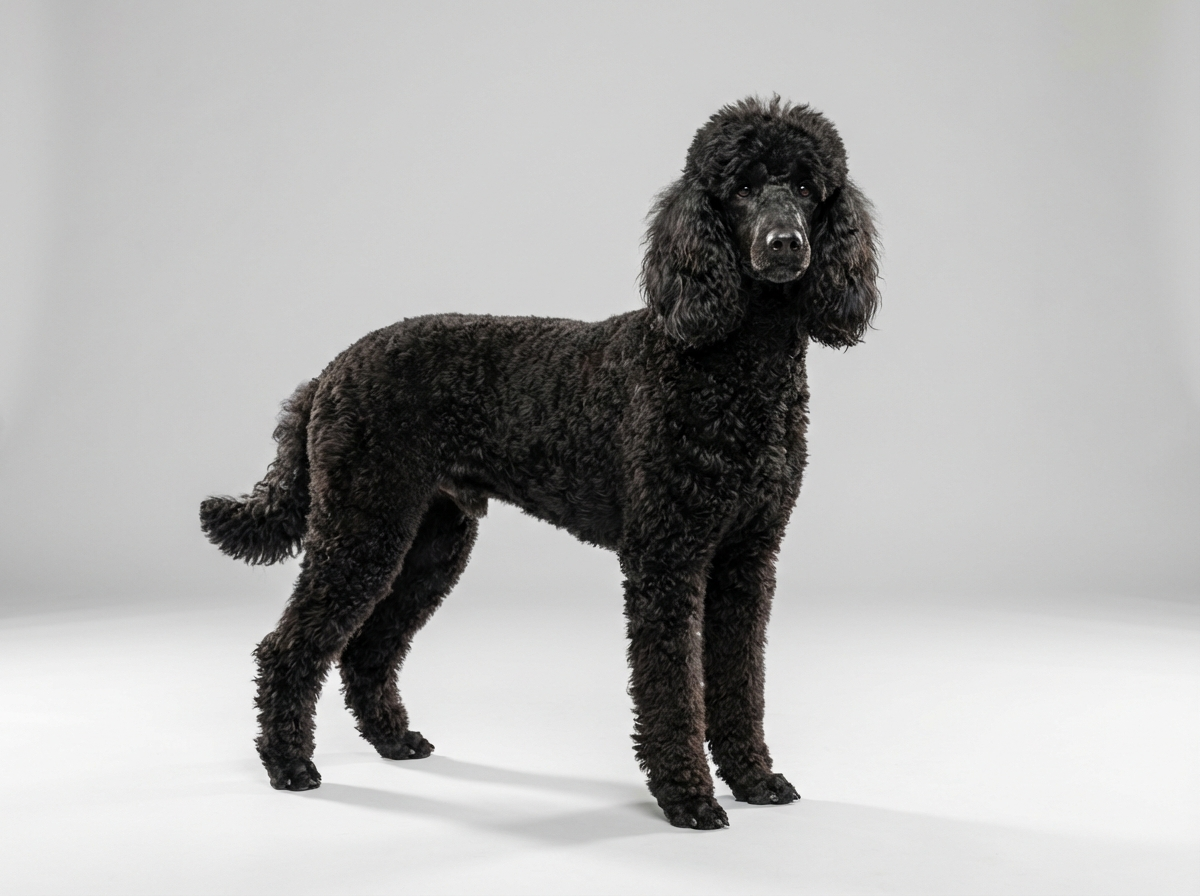
Yes, some breeds are easier to train than others. Breeds like Labrador Retrievers and Poodles are often recommended for first-time owners because they are intelligent and eager to please, making training less challenging.
What are some common mistakes first-time dog owners make?
First-time dog owners often underestimate the time and commitment required for training and socialization. They may also choose a breed that doesn’t match their lifestyle, leading to frustration for both the owner and the dog.
How can I prepare my home for a new puppy?
To prepare your home for a new puppy, remove any hazards and create a designated space for them. Stock up on essentials like food, toys, and a comfortable bed, and ensure you have time to dedicate to training and bonding.