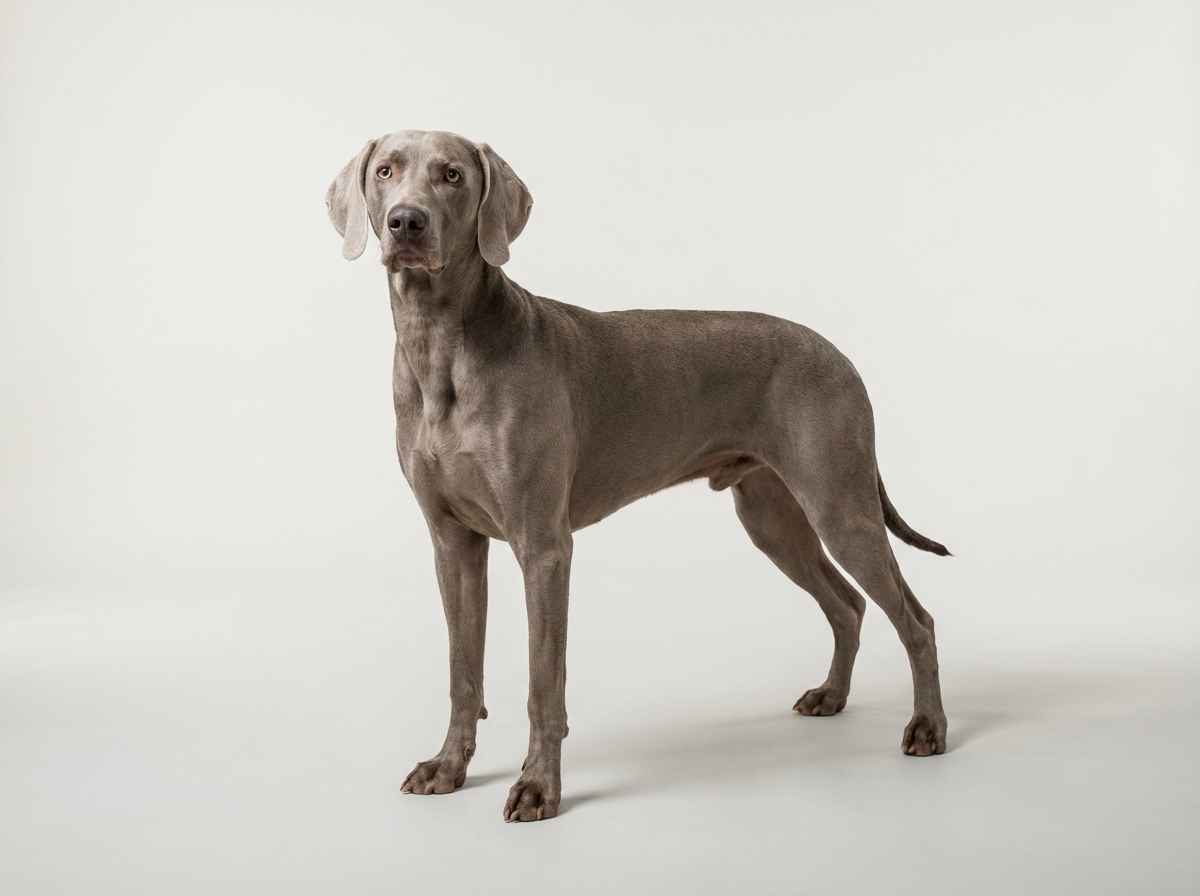
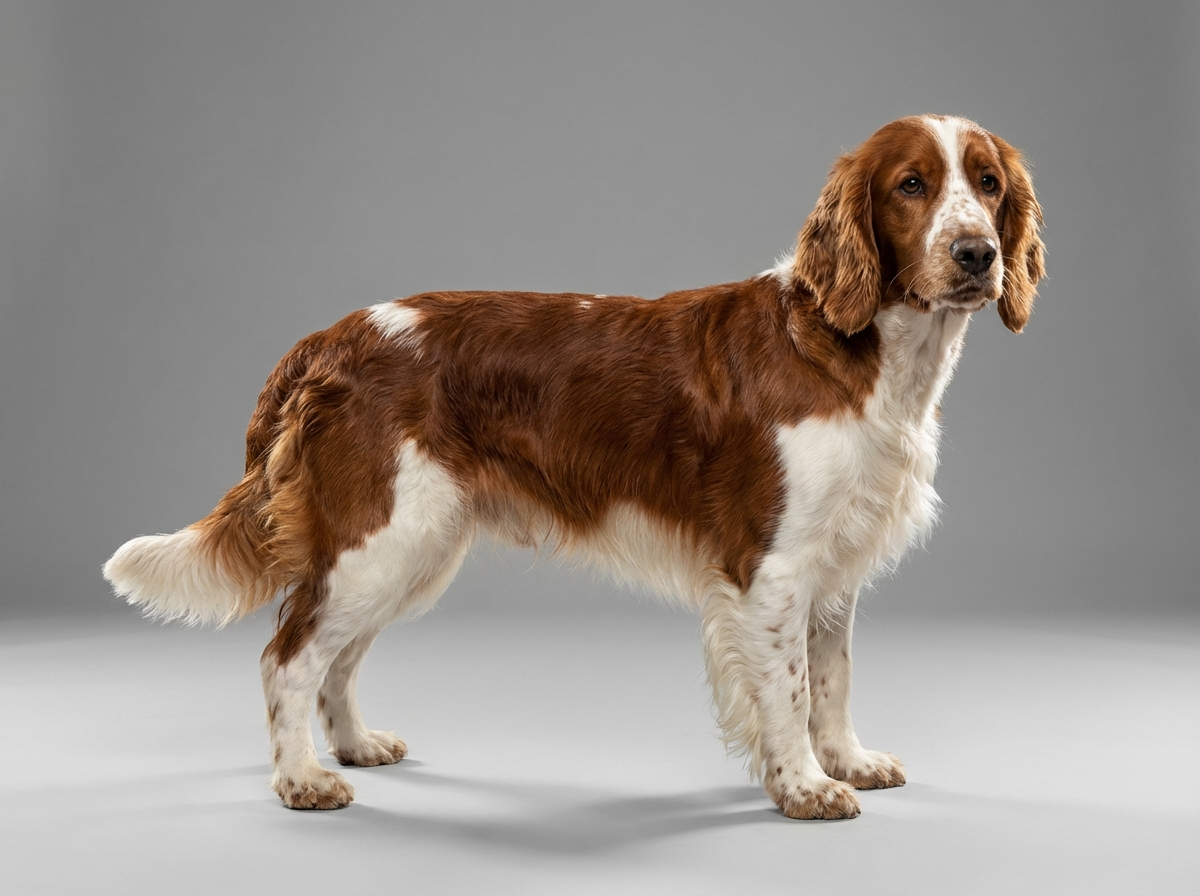
The Best Dog Breed for Families with Young Children
Finding the best dog breed for families with young children can be challenging. This guide will help you choose a friendly and patient companion for your little ones.
Finding the Best Dog Breed for Families with Young Children
Choosing the best dog breed for families with young children is a crucial decision. It’s not just about picking a cute puppy; it's about finding a canine companion who will fit seamlessly into your family dynamic. Families with toddlers or infants need a dog that is not only friendly and gentle but also patient and resilient. After all, little ones can be unpredictable, and their interactions with pets should be safe and enjoyable for everyone involved.
Why It Matters
Selecting the right breed can significantly affect the happiness and well-being of both your children and your new pet. Dogs have their own personalities and energy levels, which can either complement or clash with a busy household. For instance, a tolerant breed can better handle the occasional tugging on their ears or tail, while others may not react well to such behavior. Ensuring a harmonious relationship between your dog and your kids can lead to wonderful memories and lifelong bonds.

What to Consider When Choosing a Dog
When looking for toddler-friendly dogs, you should consider factors like temperament, size, and energy levels. Patient dog breeds, such as Golden Retrievers and Boxers, are often recommended because they tend to be tolerant and loving toward children. Additionally, it's important to think about the dog's size relative to your living space and the ages of your children. Smaller dogs might be more suitable for apartments, while larger breeds need more room to roam.

Safety First
Safety should always be a priority. Dogs good with babies are generally those that are socialized early and exposed to children in a positive way. Regular training and supervision are essential to ensure that your pet understands boundaries and behaves appropriately. Even the most patient dog breeds need guidance to thrive in a household with young children. This is a partnership that requires effort from both sides.

How to Get Started
To start finding the best dogs for small kids, research breeds known for their gentle nature. Consider visiting local shelters, where many loving dogs are looking for homes. Meeting a few breeds in person can also help you gauge their behavior and attitude toward your family. Lastly, don't hesitate to consult with breed experts or trainers who can provide valuable insights into finding the right match for your family.
Step-by-Step Plan for Choosing the Best Dog Breed for Families with Young Children
Finding the best dog breed for families with young children involves careful consideration. Here’s a practical plan that you can execute this week to make the right choice.
- 1. Assess Your Family's Lifestyle
- 2. Research Suitable Breeds
- 3. Visit Local Shelters or Breeders
- 4. Meet Potential Dogs
- 5. Evaluate Compatibility
- 6. Prepare Your Home
- 7. Plan for Training and Socialization
Common Mistakes When Choosing the Best Dog Breed for Families with Young Children
1. Ignoring breed temperament: Different breeds have unique personalities. Choosing a dog without understanding its temperament can lead to poor matches, especially with energetic toddlers. For instance, a high-energy breed may not be the best fit for a calm family.
2. Underestimating exercise needs: Many families think any dog can adapt to their lifestyle. However, breeds with high exercise needs, like Boxers, require daily activity to stay happy. A lack of exercise can lead to behavioral issues, which is not ideal for families with young kids.
3. Neglecting training and socialization: Families often believe that all dogs are naturally good with children. However, without proper training and socialization, even the best dogs can misbehave. Investing time in training helps dogs learn how to interact safely with little ones.
4. Choosing a dog based on appearance alone: It's tempting to pick a dog based on looks. However, a dog’s appearance doesn’t guarantee it will be good with kids. For example, a cute, fluffy dog may not have the right temperament for a busy household.
5. Not considering allergies: Allergies can be a significant concern for families. Some breeds are better suited for allergy sufferers, like Poodles. Failing to consider this can lead to health issues for family members.
6. Forgetting about the dog's size: A large dog can unintentionally hurt a small child during play. Families often underestimate the impact size can have on safety and comfort. It's crucial to balance a dog's size with the family's space and lifestyle.
7. Failing to involve children in the process: Involving kids in choosing the family dog can help them learn responsibility and bond with the pet. Ignoring their input may lead to resentment or a lack of interest in helping care for the dog. Engaging them in the selection can create a more harmonious environment.

- Ignoring breed temperament
- Underestimating exercise needs
- Neglecting training and socialization
- Choosing a dog based on appearance alone
- Not considering allergies
- Forgetting about the dog's size
- Failing to involve children in the process
Common Myths About the Best Dog Breed for Families with Young Children
There are many misconceptions about choosing the best dog breed for families with young children. Here are some common myths and the realities that debunk them.
- Myth: All small dogs are better for families with toddlers.
- Myth: Any dog can adapt to children without training.
- Myth: Dogs and toddlers will always get along naturally.
- Myth: Only specific breeds are good with kids.
- Myth: Puppies are the best choice for families.
Advanced Tips for Choosing the Best Dog Breed for Families with Young Children
If you're ready to dive deeper into selecting the best dog breed for families with young children, consider these advanced tips. They can help you navigate the complexities of adding a four-legged family member to your household.
- Consider the dog's energy level and play style. High-energy breeds may require more active playtime, which can be a challenge with toddlers. Opt for breeds that enjoy gentle play and can adapt to quieter household dynamics.
- Look for breeds known for their patience and gentleness, such as Golden Retrievers or Beagles. These breeds are often more tolerant of the unpredictable nature of young children.
- Evaluate the dog's size relative to your living space. Larger breeds may not be ideal for smaller homes, especially with toddlers running around. Ensure there's enough room for both your dog and your kids to play safely.
- Assess grooming needs and shedding levels. Some breeds require regular grooming and can trigger allergies in sensitive children. Breeds with low-shedding coats may be better for families with allergies.
- Consider training and socialization. Start training early to instill good manners in your dog. A well-trained dog is more likely to be patient and trustworthy around young children.
Insider Secrets for Choosing the Best Dog Breed for Families with Young Children
Finding the best dog breed for families with young children involves more than just picking a cute puppy. Here are some lesser-known insights to help you make the best choice.
- Look for breeds known for their adaptability: Many families overlook how different breeds adapt to new environments. Breeds like the Golden Retriever are not only friendly but also thrive in busy households. They can handle the noise and chaos that comes with kids.
- Consider the dog's energy level: While it’s easy to think all dogs will bond with children, some breeds require more exercise than others. High-energy breeds may be a great match for active families, but can overwhelm toddlers. A patient dog breed, like a Basset Hound, might be better suited for a calmer home.
- Training is key: Early socialization and training can make a significant difference. Dogs that are trained around children from a young age often learn to be gentle and patient. Consider enrolling in training classes that focus on family dynamics.
- Health considerations matter: Some breeds are more prone to health issues, which can influence their temperament. For example, a dog with chronic pain may not be as playful or patient with children. Researching breed-specific health concerns is crucial in your decision-making process.
- Look at the dog's history: If adopting, inquire about the dog's previous experiences. Dogs with a positive history around kids will likely be more comfortable in a family environment. A rescue dog might need extra care if they have had negative experiences.
Checklist for Choosing the Best Dog Breed for Families with Young Children
Use this checklist to find a dog breed that fits well with your family and young children. Consider each point carefully to ensure a good match.
- Assess your family's activity level and lifestyle.
- Research dog breeds known for being good with kids, like Beagles, Boxers, and Golden Retrievers.
- Look for patient dog breeds that tolerate the noise and chaos of young children.
- Consider the dog's size; smaller breeds can be better for young kids as they're less likely to knock them over.
- Check the dog's temperament with kids; find breeds that are known to be gentle and friendly.
- Visit shelters or breeders to meet dogs and observe their behavior around children.
- Ask about the dog's history, especially if adopting; some may have had negative experiences with kids.
- Prepare your home for a new dog, ensuring it's safe and child-friendly.
- Teach your children how to interact gently with the dog to foster a positive relationship.
- Plan for training that includes basic commands and socialization with kids.
Frequently asked questions
What is the most patient dog breed?
Some of the most patient dog breeds include Golden Retrievers and Boxers. These breeds are known for their gentle nature and ability to tolerate the antics of young children. They are often great companions for families with toddlers.
Best dogs for families with babies and toddlers?
The best dogs for families with babies and toddlers often include breeds like Beagles, Golden Retrievers, and Boxers. These dogs are generally friendly and have a reputation for being good with kids. They tend to be patient, playful, and protective, making them great family pets.
Are Boxers good with toddlers?
Yes, Boxers are known to be good with toddlers. They are energetic and playful, which appeals to young children. However, due to their size and energy, supervision during playtime is important to ensure safety for both the child and the dog.
What are toddler friendly dogs?
Toddler friendly dogs are breeds that typically have a calm demeanor and enjoy the company of children. Breeds like the Labrador Retriever and Beagle are often recommended because they are generally friendly and tolerant of children's behavior. It's essential to choose a dog that matches your family's activity level.
Which patient dog breeds are ideal for families?
Patient dog breeds ideal for families include Golden Retrievers, Boxers, and Labradors. These breeds are known for their gentle temperament and ability to adapt to the lively nature of children. Their patience makes them excellent companions for young families.
What is the best dog breed for families with young children?
The best dog breed for families with young children often includes breeds like Golden Retrievers, Beagles, and Boxers. These breeds are known for their friendly and tolerant nature, making them great companions for kids. It's important to match the dog's energy level with your family's lifestyle.
Are Boxers good with toddlers?
Yes, Boxers are generally good with toddlers. They are playful and protective, which can make them great family pets. However, it's essential to supervise interactions to ensure both the dog and the child feel safe.
What are some toddler-friendly dogs?
Some toddler-friendly dogs include Beagles, Golden Retrievers, and Labradors. These breeds are known for being patient and gentle with young children. They typically have a playful demeanor that can match the energy of toddlers.
What is the most patient dog breed?
Breeds like the Golden Retriever and Basset Hound are often considered the most patient. Their laid-back nature and tolerance make them ideal for families with young children. It's important to train and socialize any dog to ensure positive interactions with kids.
Are there any specific training tips for dogs with young kids?
Yes, training should focus on basic commands and socialization. Teaching the dog to be gentle and to understand boundaries is crucial. Involving your children in training can also help foster a strong bond between them and the dog.
Can small dog breeds be good for families with young children?
Yes, some small dog breeds can be good for families with young children. Breeds like the Cavalier King Charles Spaniel and Pug are known for their friendly nature. However, small dogs can be more fragile, so adult supervision is essential during playtime.
How can I prepare my dog for a new baby in the house?
To prepare your dog for a new baby, gradually introduce them to baby-related sounds and smells. Training your dog to be calm around the baby is essential. Additionally, providing them with a safe space away from the baby can help them adjust to the change.