Discover the Best Dog Breed for Disabled Individuals
Choosing the right dog can transform your life if you have a disability. This guide helps you find the best dog breed for your needs.
Finding the Best Dog Breed for Disabled Owners
Choosing the best dog breed for disabled individuals is a significant decision that can enhance quality of life. Certain breeds are not only great companions, but they also provide crucial support, whether it's through mobility assistance or emotional support. Understanding which breeds excel in these roles is essential for making the right choice.
Why This Choice Matters
Selecting the right dog breed can make a world of difference for someone with a disability. Service dogs, for example, can help with tasks like retrieving items, opening doors, or even providing balance support for those with mobility challenges. Moreover, the companionship of a dog can alleviate feelings of loneliness and improve mental well-being.

What to Consider When Choosing a Breed
When looking for the best dog breed for disabled individuals, consider factors like temperament, size, and energy levels. Breeds like Labradors, Golden Retrievers, and German Shepherds are often recommended due to their trainability and friendly nature. Additionally, it's essential to think about the lifestyle and specific needs of the owner, such as whether they require a mobility assistance dog or simply a loving companion.

Popular Breeds for Disabled Owners
Here are a few breeds that are commonly considered the best for disabled owners:

- Labrador Retriever: Known for their friendly and gentle nature.
- Golden Retriever: Excellent temperament and highly trainable.
- German Shepherd: Intelligent and protective, often used as service dogs.
Making Your Decision
Ultimately, the best dog breed for disabled individuals will depend on personal needs and preferences. It's important to spend time with potential breeds to gauge compatibility. Consulting with professionals or organizations specializing in service dogs can also provide valuable insights to ensure you make the best choice for a fulfilling companionship.
Step-by-Step Plan for Choosing the Best Dog Breed for Disabled Individuals
Selecting the right dog breed for someone with a disability can greatly enhance their quality of life. Here’s a practical step-by-step plan to help you make the best choice.
- Assess the specific needs and limitations of the individual.
- Research different dog breeds that are known for their assistance capabilities.
- Visit local shelters or breeders to interact with potential breeds.
- Consider health, size, and temperament when evaluating breeds.
- Consult with a professional trainer or service dog organization.
- Make a decision based on compatibility and lifestyle.
- Prepare the home for a new dog, ensuring safe and accessible spaces.
- Train the dog in basic commands and specific assistance tasks.
- Establish a consistent routine that includes care and exercise.
- Stay in touch with trainers and veterinarians for ongoing support.
Common Mistakes When Choosing the Best Dog Breed for Disabled Individuals
Choosing the right dog breed for someone with a disability can be challenging. Many owners make mistakes that can lead to frustration for both them and their dogs. Here are some common pitfalls to avoid.
- Overlooking the dog's temperament: Many people focus solely on physical traits, neglecting the dog's personality. A breed may look perfect but may not be calm or patient enough for a disabled owner. It's crucial to prioritize temperament over appearance.
- Ignoring training needs: Some breeds require more training than others. Skipping this step can lead to behavioral issues, which can be especially problematic for disabled owners who may struggle to manage a high-energy or stubborn breed.
- Assuming all breeds can be service dogs: Not every dog is cut out to be a service dog. Many breeds lack the necessary temperament or trainability. It's essential to research which breeds are typically successful in service roles.
- Choosing a breed that is too large: Large breeds can be difficult to handle, especially for wheelchair users or those with limited mobility. Smaller or medium-sized breeds often offer more manageable companionship for disabled individuals.
- Neglecting health considerations: Some breeds are prone to specific health issues that can become burdensome. Potential owners should be aware of these concerns and consider breeds that are generally healthier.
- Focusing only on companionship: While companionship is vital, it's important to think about how a dog can assist physically. Breeds known for mobility assistance should be prioritized to ensure the dog can truly help the owner.
- Not considering lifestyle compatibility: Each breed has unique energy levels and exercise needs. A disabled owner should choose a breed that fits their lifestyle to avoid frustration and ensure a happy, healthy relationship.
Myths vs. Facts About the Best Dog Breed for Disabled Owners
Many misconceptions exist regarding the best dog breeds for disabled owners. Let's debunk a few common myths and uncover the realities.
- Myth: Only large dogs can serve as effective support for disabled individuals.
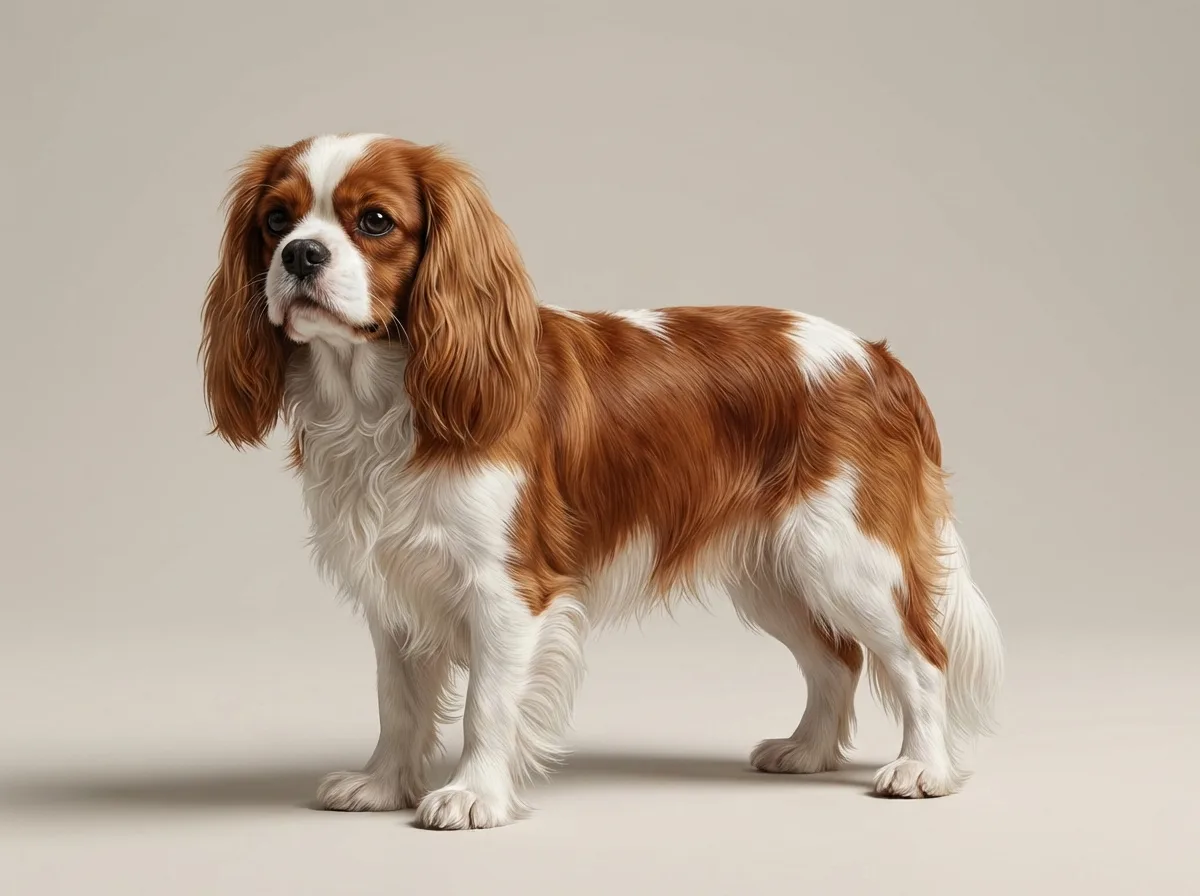
- Fact: Small and medium-sized breeds can also be excellent service dogs. Breeds like the Cavalier King Charles Spaniel and Poodle are known for their friendly demeanor and trainability.
- Myth: All dogs can be trained as service dogs.
- Fact: Not every dog has the temperament or skills to be a service dog. Breeds like Labrador Retrievers and Golden Retrievers are often preferred due to their gentle nature and eagerness to please.
- Myth: Service dogs must always be large and powerful.
- Fact: While some tasks may require strength, many service dog roles focus on companionship and emotional support. Breeds like Shih Tzus and Bichon Frises excel in these areas.
- Myth: Dogs for wheelchair users need to be able to pull heavy loads.
- Fact: Mobility assistance dogs are trained to help with balance and retrieval rather than pulling. Their role often includes guiding and providing stability, which smaller breeds can manage effectively.
- Myth: All service dogs are the same and can do all tasks.
- Fact: Different service dogs are trained for specific tasks. For example, a dog trained for mobility assistance will have different skills than one trained for medical alert.
Advanced Tips for Choosing the Best Dog Breed for Disabled Owners
Finding the best dog breed for a disabled owner involves more than just picking a popular breed. Here are some advanced tips to help you make the right choice.
First, consider the specific tasks you need assistance with. Mobility assistance dogs can be trained to help with balance, retrieve items, and even help with getting in and out of wheelchairs. Identifying your needs will guide you in selecting a breed that excels in those areas.
Second, think about size and strength. While larger breeds like German Shepherds are often used for service work, small dogs can also be effective. Breeds like the Pomeranian can be trained to assist with picking up items and providing emotional support. This might be ideal for someone in a smaller living space.
Third, assess the dog's temperament. Look for breeds known for their calm and gentle nature, such as Golden Retrievers. A dog's personality can significantly impact their ability to be a supportive companion. Ensure you spend time with potential breeds to gauge compatibility.
Next, explore training resources. Many organizations offer programs tailored specifically for training service dogs for physical disabilities. Engaging with these programs can provide insights into which breeds perform best in various assistance roles.
Lastly, consider adopting a dog from a rescue organization. Many service dogs are retired from active duty and are looking for loving homes. These dogs often come with training and experience that can be beneficial for disabled owners. Be open to different breeds that may fit your lifestyle better than you expect.

Insider Secrets for Choosing the Best Dog Breed for Disabled Owners
Finding the best dog breed for disabled individuals requires careful consideration beyond the usual factors. Here are some lesser-known insights that can guide your decision.
- Consider temperament over looks: A breed's appearance often overshadows its temperament. Look for dogs that are naturally calm, gentle, and patient, as these traits can significantly enhance the companionship experience.
- Trainability is key: The best companion dogs for disabled individuals should be quick learners. Breeds like Labradors and Golden Retrievers are not just friendly; they excel in obedience training, making them ideal for service roles.
- Size matters: While smaller dogs may seem easier to manage, larger breeds often provide better support for mobility assistance. For wheelchair users, a larger dog can offer a stable presence that helps with balance and stability.
- Health considerations: Some breeds are more prone to health issues, which can impact their ability to serve as effective service dogs. Research common health concerns and opt for breeds with a reputation for longevity and resilience.
- Socialization skills: The best dog breeds for disabled owners should be well-socialized. Dogs that are comfortable in various environments, including crowded places, can better support their owners in daily activities.
Checklist for Choosing the Best Dog Breed for Disabled Owners
Use this checklist to find the best dog breed for your needs. Consider each point carefully to ensure you choose a dog that will enhance your life.
- Assess your mobility needs and lifestyle.
- Research breeds known for companionship and assistance.
- Consider size and energy level suitable for your space.
- Evaluate the breed's temperament and trainability.
- Look into local service dog training programs.
- Check for any breed-specific regulations in your area.
- Consult with a professional trainer or therapist.
- Consider adopting from a shelter or rescue organization.
Frequently asked questions
What is the best service dog breed?
The best dog breed for disabled individuals often includes Labrador Retrievers, Golden Retrievers, and German Shepherds. These breeds are known for their intelligence, trainability, and gentle nature. They excel in providing assistance and companionship to those in need.
Can small dogs be service dogs?
Yes, small dogs can be service dogs, depending on the specific needs of the handler. Breeds like Poodles and Dachshunds can provide emotional support and perform tasks for individuals with disabilities. However, larger breeds are often preferred for mobility assistance.
Best dogs for people with limited mobility?
The best dog breeds for people with limited mobility include Labrador Retrievers and Golden Retrievers. These dogs are not only strong but also gentle and eager to help. They can be trained for various tasks, such as retrieving items or providing balance support.
What traits should I look for in a service dog?
Look for a dog that is calm, friendly, and eager to please. Service dogs should also be adaptable to various environments and able to focus on their tasks. Training and socialization are crucial for ensuring they can assist effectively.
How do I train a service dog for mobility assistance?
Training a service dog for mobility assistance involves teaching specific tasks like retrieving items and providing physical support. It's best to work with a professional trainer experienced in service dog training. Consistency and patience are key to successful training.
What is the best service dog breed for physical disability?
The best service dog breed for physical disabilities often includes Labrador Retrievers and Golden Retrievers. These breeds are known for their intelligence, friendly nature, and ability to be trained for specific tasks. They can assist with mobility and provide companionship, making them great choices.
Can small dogs be service dogs?
Yes, small dogs can be service dogs, but their suitability depends on the tasks they need to perform. Breeds like Dachshunds or Chihuahuas can be trained for specific functions, such as alerting to medical conditions. However, larger breeds often perform mobility assistance tasks better.
What are the best dogs for people with limited mobility?
Some of the best dogs for individuals with limited mobility include Golden Retrievers, Labradors, and German Shepherds. These breeds are strong, intelligent, and can be trained to help with daily tasks. Their size and temperament allow them to navigate spaces effectively while providing support.
How do I choose the right service dog for my specific needs?
Choosing the right service dog involves considering your specific needs, lifestyle, and environment. Think about the tasks you need help with and the dog's size, temperament, and energy level. It may be helpful to consult with a professional trainer who specializes in service dogs.
What training do service dogs need for people with disabilities?
Service dogs require specialized training tailored to their owner's needs. This can include basic obedience, task-specific training, and socialization skills. Training typically takes several months and often involves professional trainers experienced in service dog training.
Are there financial assistance programs for obtaining a service dog?
Yes, there are various financial assistance programs available for obtaining service dogs. Some organizations provide grants or scholarships to help cover costs. It's essential to research local and national programs that specialize in funding for service dog training and placement.
How can I ensure my service dog is well-behaved in public?
To ensure your service dog behaves well in public, ongoing training is essential. Socialization is key, so regularly expose your dog to different environments and situations. Consistent reinforcement of commands and proper behavior will help your dog remain calm and focused when out in public.