DogBreedCompass

Best Dog Breed for Beginners: Choosing Your Perfect Match

Not sure which dog to bring home as your first pet? This guide helps you find the best dog breed for beginners, focusing on easy-to-train, low-maintenance options.

This guide is perfect for first-time dog owners or anyone considering getting their first dog. Whether you're a busy professional, a family with young kids, or someone living alone, this guide will cater to your unique situation. If you're looking for low-maintenance dogs that are easy to train, you're in the right place.

Many people underestimate the importance of matching the right dog breed to their living situation and experience level. Misunderstandings can lead to challenges, like choosing a high-energy breed when you have a busy lifestyle. Understanding the best dog breed for beginners is crucial for a successful and happy pet ownership experience.

Finding the Best Dog Breed for Beginners

Choosing the best dog breed for beginners is a significant decision that can impact your lifestyle and the well-being of your new furry friend. This guide will help you navigate the options available, focusing on breeds that offer a great combination of temperament, trainability, and care needs. The right breed can make the difference between a joyful experience and a challenging one, especially for first-time owners.

Why Choosing the Right Breed Matters

Many new dog owners underestimate the importance of breed selection. Some breeds are more adaptable to various lifestyles, while others may require more attention and training. For example, low maintenance dogs for beginners can be ideal for busy individuals or families, reducing stress and making the transition smoother. Knowing the characteristics of different breeds will help you pick a dog that fits your life, ensuring a harmonious relationship.
Best Dog Breed for Beginners: Choosing Your Perfect Match - Why Choosing the Right Breed Matters

How to Choose the Best Dog Breed for Beginners

When selecting the best first dog, consider your living environment, activity level, and commitment to training. Start by evaluating your home—apartment dwellers might do better with smaller, quieter breeds, while active families may thrive with larger, energetic dogs. Additionally, look for breeds known for being easy to train and socialized, as this can ease common challenges for first-time owners.
Best Dog Breed for Beginners: Choosing Your Perfect Match - How to Choose the Best Dog Breed for Beginners

Top Breeds for First-Time Owners

Here are some of the best starter dogs that are known for their friendly nature and trainability:
Best Dog Breed for Beginners: Choosing Your Perfect Match - Top Breeds for First-Time Owners
  • Golden Retriever
  • Labrador Retriever
  • Papillon
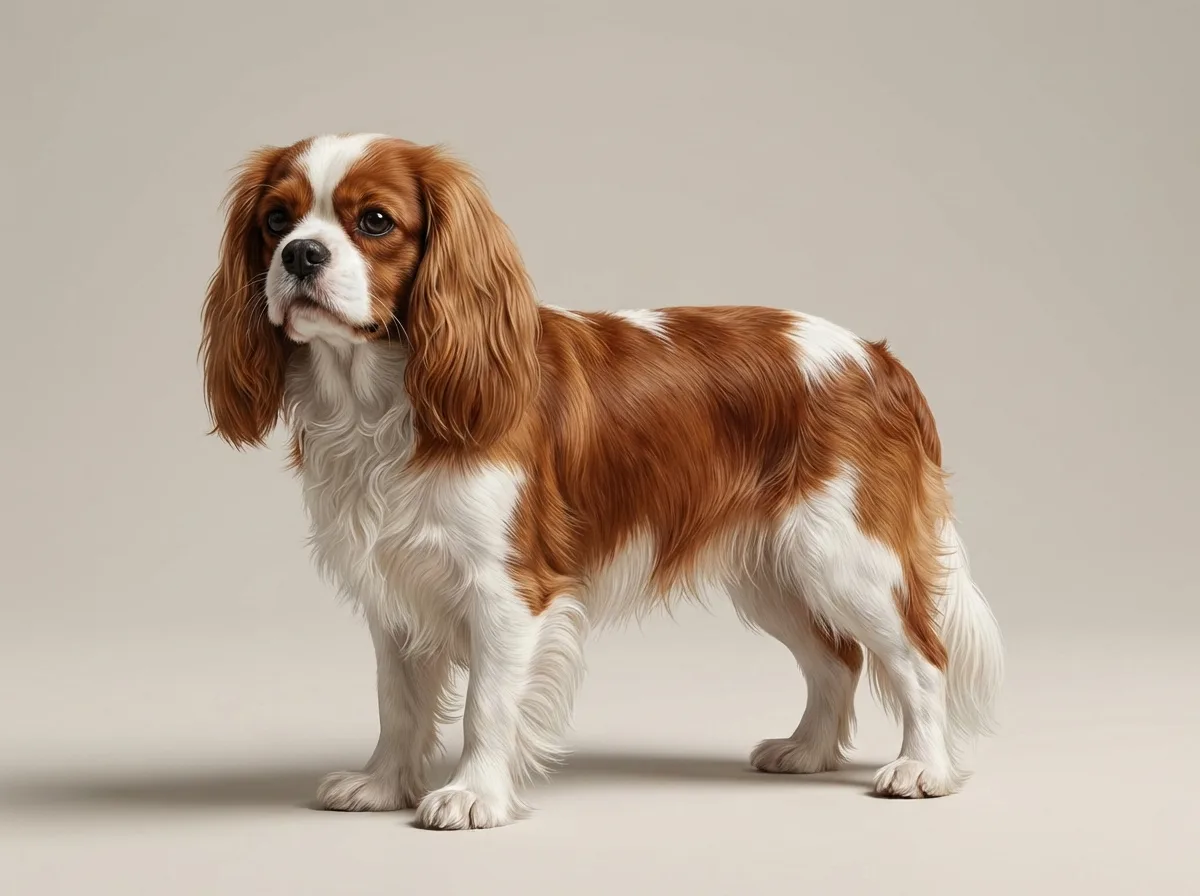
  • Cavalier King Charles Spaniel
  • Beagle

Conclusion

Choosing the best dog breed for beginners is an essential step toward a fulfilling pet ownership experience. By considering your lifestyle and matching it with an appropriate breed, you can pave the way for a happy, long-lasting partnership. Remember to do your research, assess your needs, and don’t hesitate to ask for advice from experienced dog owners or professionals.

Step-by-Step Plan for Choosing the Best Dog Breed for Beginners

Finding the best dog breed for beginners can feel overwhelming. Follow these steps to make the process easier and find the perfect furry friend for your home.
  • Step 1: Assess Your Lifestyle
  • Step 2: Research Breeds
  • Step 3: Consider Size and Space
  • Step 4: Evaluate Energy Levels
  • Step 5: Visit Local Shelters or Breeders
  • Step 6: Prepare Your Home
  • Step 7: Plan for Training and Socialization

Why this helps

  • Helps narrow down options based on personal circumstances.
  • Provides a better understanding of various breeds.
  • Ensures the chosen breed fits your living space.
  • Matches energy levels with your lifestyle.
  • Promotes adoption and responsible breeding.
  • Facilitates a pet-friendly environment before bringing a dog home.
  • Prepares you for ongoing care and bonding.

Watch out for

  • ! May take time to reflect on lifestyle needs.
  • ! Research can be overwhelming with so many breeds.
  • ! Not all shelters may have the breed you're looking for.
  • ! Preparing your home can incur initial costs.
  • ! Training requires commitment and consistency.

Common Mistakes When Choosing the Best Dog Breed for Beginners

Selecting the right dog breed is crucial for first-time owners. Here are common mistakes to avoid to ensure a smoother experience.
  • Underestimating the Time Commitment
  • Ignoring Energy Levels
  • Choosing Based on Looks Alone
  • Neglecting Training Needs
  • Overlooking Health Considerations
  • Not Considering Your Living Situation

Common Myths About the Best Dog Breed for Beginners

Let's break down some common myths about choosing the best dog breed for beginners. Many first-time owners are unsure about what to expect, so here are the truths behind those misconceptions.
  • Myth 1: Only small dogs are good for beginners. Fact: While small dogs can be easier to handle, breeds like Golden Retrievers and Labradors can be fantastic for first-time owners too. Their friendly nature and trainability make them great companions.
  • Myth 2: All puppies are easy to train. Fact: Puppies require time and patience to train properly. Breeds vary in their learning speed, so research is key. Some breeds, like Papillons, are known for being intelligent and quick learners.
  • Myth 3: Low maintenance dogs don't need exercise. Fact: Every dog needs regular exercise and mental stimulation. Even low maintenance breeds require daily walks to stay healthy and happy.
  • Myth 4: Any dog can be a good first dog. Fact: Some breeds are more suitable for beginners than others. Choosing a breed known for its friendly and trainable nature can make a huge difference in your experience.
  • Myth 5: You should choose a breed based solely on looks. Fact: While aesthetics matter, it’s crucial to consider temperament, energy level, and care needs. A beautiful dog that doesn't suit your lifestyle can lead to a frustrating experience.

Advanced Tips for Choosing the Best Dog Breed for Beginners

Choosing the best dog breed for beginners goes beyond just picking a cute puppy. It involves understanding the dog’s personality, training needs, and how they fit into your lifestyle. Here are some advanced tips to help you make a more informed decision. First, consider your daily routine. Some breeds, like Golden Retrievers, thrive on exercise and need daily physical activity. If you're a busy professional, a low maintenance dog like a Papillon might be a better fit. Reflect on how much time you can dedicate to walks, playtime, and training. Next, think about your living situation. If you live in a small apartment, opt for starter dogs that adapt well to smaller spaces, such as Cavalier King Charles Spaniels. Larger breeds may not be suitable unless you have a yard. Always consider your dog's comfort and space needs. Training is another crucial factor. Research breeds that are known for being easy to train, like Labrador Retrievers. Remember, training is not just about commands; it’s about creating a bond with your dog. Invest time in training classes to reinforce positive behaviors. This can make a huge difference in your dog’s development. Additionally, explore breed-specific rescue organizations. Many dogs in shelters are waiting for loving homes. You can often find wonderful breeds that are already trained and socialized. This can save you time and effort, making the transition smoother for both you and your new pet. Finally, discuss potential breeds with dog owners or trainers. They can share firsthand experiences about specific breeds, which can give you deeper insights. This community knowledge can be invaluable in your decision-making process.

Why this helps

  • Helps refine your decision based on lifestyle and needs
  • Encourages a thorough understanding of dog behavior
  • Promotes responsible ownership through research

Watch out for

  • ! May require more time and effort than basic tips
  • ! Could overwhelm first-time owners with too much information
  • ! Requires ongoing commitment for training and socialization

How New Dog Owners Can Evaluate Breed Fit

Compare daily exercise, training, grooming, barking, size, routine veterinary care, recurring costs, and time alone. Breed tendencies are a starting point; the individual dog's age, temperament, and history also matter.
  • Consider Temperament Over Breed
  • Look for Versatile Breeds
  • Age Matters: Puppies vs. Adults
  • Research Breed-Specific Health Issues
  • Test Compatibility with a Foster Dog

Why this helps

  • Finding a breed that matches your personality can lead to a harmonious home.
  • Some breeds adapt well to various living situations, making them easier for first-time owners.
  • Adult dogs often come with established behavior patterns, which can ease the training process.

Watch out for

  • ! Some breeds may be mislabeled as 'easy' but require specific training or exercise.
  • ! Fostering a dog can be emotionally taxing if you're not ready for a long-term commitment.
  • ! Adult dogs may come with hidden behavioral issues that need addressing.

Checklist for Choosing the Best Dog Breed for Beginners

Use this checklist to help find the best dog breed for you as a beginner. Each step guides you in making a thoughtful choice.
  • Assess your living situation: apartment, house, or yard size.
  • Consider your lifestyle: active, busy, or relaxed.
  • Evaluate the time you can commit to training and exercise.
  • Research breeds known for being easy to train and low maintenance.
  • Meet potential breeds in person to gauge temperament.
  • Look for reputable breeders or rescue groups.
  • Prepare your home with dog-safe spaces and necessary supplies.
  • Plan for the first few weeks: time off work, training, and adjustment.

Why this helps

  • Helps you focus on breeds that fit your lifestyle.
  • Reduces the risk of choosing a challenging breed.
  • Promotes responsible pet ownership from the start.

Watch out for

  • ! May require time and effort for research.
  • ! Finding the right breed can be overwhelming.
  • ! Some breeds might be hard to find or adopt.

Frequently asked questions

What is the easiest dog for a first-time owner?

The best dog breed for beginners often includes breeds like Labrador Retrievers and Golden Retrievers. These dogs are known for their friendly nature and trainability. They are also adaptable to various living situations, making them great choices for first-time owners.

Which dogs are easiest to train?

Some of the easiest dogs to train are Labrador Retrievers, Golden Retrievers, and Papillons. These breeds are intelligent and eager to please, which helps them pick up commands quickly. Consistent, positive reinforcement training will yield the best results.

Good starter dogs for singles?

For singles, smaller breeds like the Papillon can be excellent starter dogs. They are low maintenance and can adapt well to apartment living. Additionally, they have a playful personality that keeps things lively without being overwhelming.

What are low maintenance dogs for beginners?

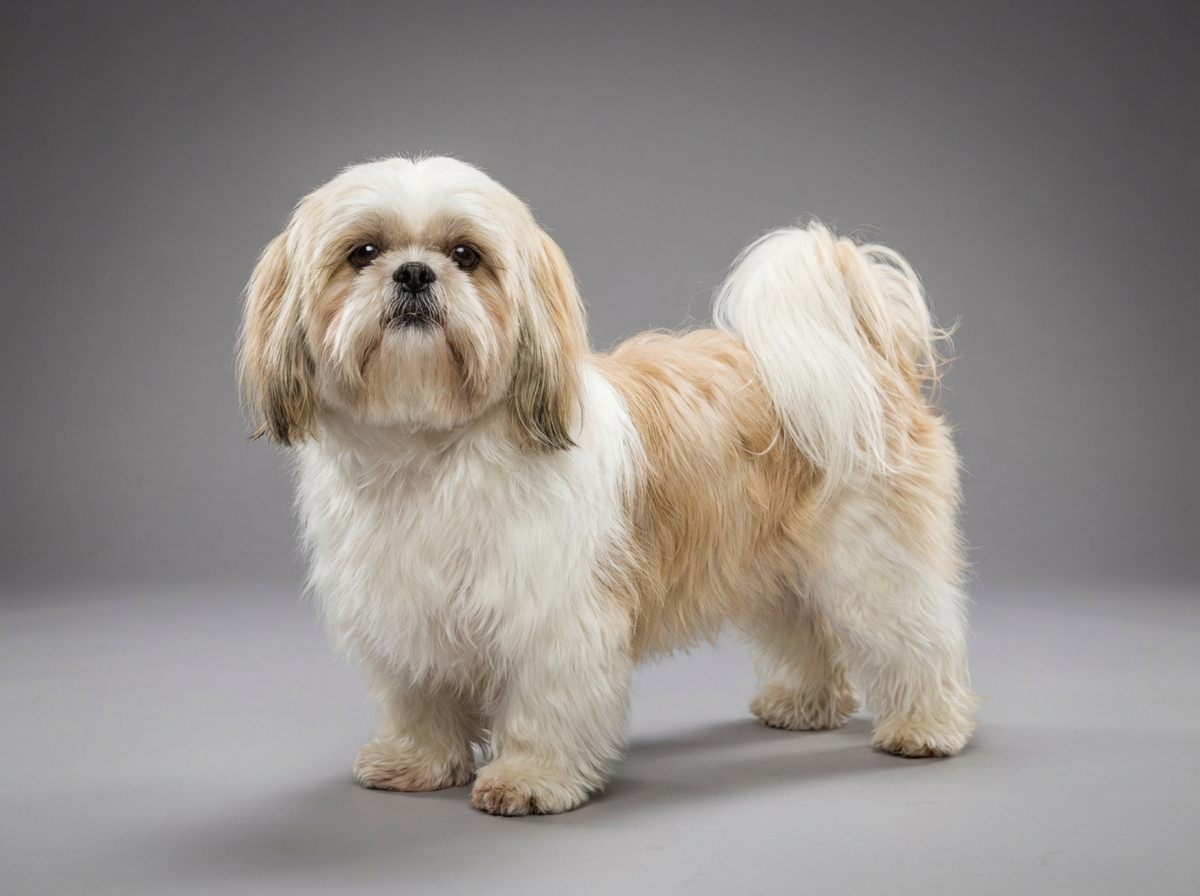
Low maintenance dogs for beginners include breeds like the French Bulldog and the Shih Tzu. These breeds require less exercise compared to others and are generally more independent. They can be great companions for busy individuals or families.

What should I consider when choosing a first dog?

When selecting the best dog breed for beginners, consider factors like size, energy level, and grooming needs. It’s essential to choose a breed that fits your lifestyle and living situation. Additionally, think about how much time you can dedicate to training and socializing your new pet.

What is the best dog breed for a family with young children?

For families with young children, breeds like Labrador Retrievers and Golden Retrievers are often recommended. They are known for their friendly nature and patience with kids. However, it's essential to supervise interactions and teach children how to interact gently with dogs.

Are there any dog breeds that are hypoallergenic and suitable for beginners?

Yes, breeds such as the Poodle and Bichon Frise are considered hypoallergenic and can be good choices for first-time owners. They tend to shed less dander, making them suitable for those with allergies. However, regular grooming is necessary to maintain their coats.

What should I consider when choosing a dog for an apartment?

When selecting a dog for apartment living, consider size, energy level, and temperament. Smaller breeds like Papillons or low-maintenance dogs that don't require a lot of exercise can thrive in smaller spaces. Regular walks and mental stimulation are essential for their well-being.

Which dog breeds are easiest to train for a first-time owner?

Breeds like Labrador Retrievers, Golden Retrievers, and Beagles are known for being eager to please and relatively easy to train. Consistent training, positive reinforcement, and patience are key, especially for new owners. Enrolling in a training class can also be beneficial.

How can I prepare my home for a new dog as a beginner?

To prepare your home for a new dog, ensure you have a designated space for them to eat, sleep, and play. Remove any hazards, such as toxic plants or small objects they might swallow. Stock up on essential supplies, including food, water bowls, toys, and a bed.

What are some low-maintenance dogs for beginners?

Some low-maintenance dogs for beginners include the French Bulldog and Shih Tzu. These breeds typically require less exercise and grooming than others, making them suitable for busy lifestyles. However, daily care and attention are still necessary to keep them happy and healthy.

How do I choose the right dog breed for my lifestyle?

To choose the right dog breed for your lifestyle, consider factors like your activity level, living situation, and the time you can dedicate to training and socialization. Research different breeds and their needs to find one that aligns with your daily routine and family dynamics.

Quick answers

View more answers
Living

Top 10 beginner dog breeds

Some of the top beginner dog breeds include Labrador Retrievers, Golden Retrievers, and Beagles, known for their friendly and trainable nature.

Living

Easiest dogs to care for

Easiest dogs to care for include breeds like the French Bulldog and Cavalier King Charles Spaniel, as they require minimal grooming and exercise.

Living

First time dog recommendations

For first-time dog owners, Labrador Retrievers and Poodles are highly recommended due to their friendly disposition and ease of training.

Living

What is the easiest dog for a first time owner?

Some of the easiest dogs for first-time owners include Golden Retrievers and Labradors due to their friendly nature and trainability.

Training

Which dogs are easiest to train?

Breeds like Golden Retrievers and Labrador Retrievers are often considered the easiest to train, making them ideal for beginners.

Related DogBreedCompass guides

  • Golden Retriever guideLearn about friendly and easy-to-train breeds.
  • Labrador Retriever overviewExplore why Labradors are popular for first-time owners.
  • Papillon breed detailsFind out if a Papillon suits your lifestyle.
  • First dog cost breakdownGet insights on costs associated with starter dogs.
  • Behavior problems in new dogsLearn about common behavior issues in new dogs.

Important reminder

This guide is not medical advice. If your dog shows pain, sudden behavior change, or worsening symptoms, consult a licensed veterinarian.

Some links may be affiliate links. We may earn a commission at no extra cost to you. We only suggest products we believe are helpful for dog owners.

Want more tailored help?

Take the Lifestyle Match quiz to see which breeds and guides best fit your day-to-day life.

Take the quiz

More guides you might like

Find your match

Not sure which breed is right for you? Take our 2-minute quiz to find out.

Take the quiz