Guide

The Best Dog Breed for Babies: Safe and Friendly Options

Choosing the best dog breed for babies is crucial for family harmony. This guide helps you find safe, friendly dogs that fit perfectly with your little ones.

Choosing the Best Dog Breed for Babies

Selecting the best dog breed for babies is a crucial decision for any family. Dogs can be wonderful companions for children, but not all breeds are suited for families with infants or young kids. Understanding which dogs are good with infants ensures that both your baby and your new furry friend can coexist happily and safely.

When considering a dog for a household with babies, it's important to look for traits such as gentleness, patience, and a stable temperament. Breeds commonly known as 'nanny dogs' are often highlighted for their protective instincts and caring nature towards children. These dogs tend to be more tolerant of the unpredictable behaviors of babies and toddlers, making them ideal companions.

Moreover, safety is a top priority. Some dog breeds are known to be more patient and forgiving, while others may not react well to the noises and movements of a small child. Researching breeds that are known to be baby-friendly helps you make informed choices. Breeds like Beagles, Bulldogs, and Newfoundlands are often recommended due to their friendly dispositions and suitability for families.

In this guide, we’ll explore which dog breeds are considered the safest for infants, delve into their characteristics, and discuss the essential qualities to look for when choosing a canine companion for your family. By understanding these aspects, you can create a nurturing environment where both your baby and dog can thrive together.

Additionally, we’ll cover tips for introducing your new dog to your baby, ensuring a smooth transition for everyone involved. This is crucial because the first impressions can set the tone for their relationship. With the right knowledge and careful planning, you can enjoy the benefits of having a loyal pet while ensuring the safety and happiness of your children.

Evaluate Your Family’s Lifestyle

Before choosing the best dog breed for babies, consider your family’s daily routine and lifestyle. This includes activity level, work schedules, and space available at home.

Research Baby-Friendly Breeds

Look into breeds known for being good with infants. Focus on traits like temperament, size, and energy levels.

Meet Potential Breeds

Visit local shelters or breeders to meet the dogs in person. This step is crucial to gauge how they interact with your family.

Prepare Your Home

Make your home safe and welcoming for your new dog. This includes baby-proofing areas as well.

Introduce the Dog to Your Baby Gradually

Once you have your dog at home, introduce them to your baby slowly and carefully. This helps them adjust to each other.

Common Mistakes When Choosing the Best Dog Breed for Babies

Choosing the best dog breed for babies is important, but many new dog owners make mistakes that can lead to challenges. Here are some common missteps and why they can backfire.

Myths vs. Facts About Dogs and Babies

Many people have misconceptions about the best dog breed for babies. Let's clear up some common myths and reveal the facts behind them. Understanding these truths can help you make the best choice for your family.

Advanced Tips for Choosing the Best Dog Breed for Babies

Choosing the best dog breed for babies involves more than just picking a friendly face. Here are some advanced tips to help you make the right decision. First, consider the dog's energy level. Breeds like Newfoundlands may be gentle but can also have bursts of energy. Balance this with your family's lifestyle to ensure a good fit.

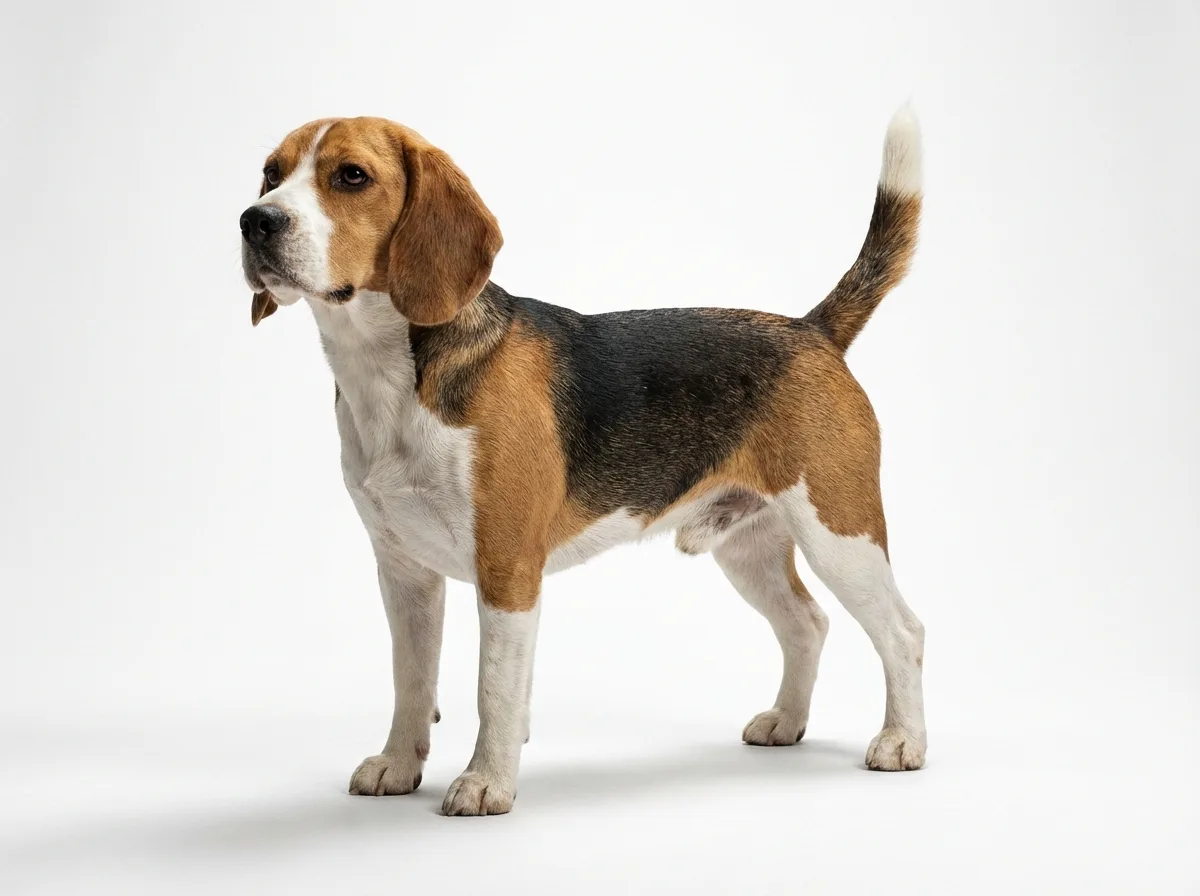
Next, think about the dog's size. Larger breeds might accidentally knock over a small child during play. A Beagle, for instance, is small enough to be manageable, but still playful and affectionate. Evaluate how much space you have at home and how that relates to the breed's size.

Socialization is crucial. Early exposure to children and different environments can help a dog become more adaptable. Engage in puppy classes where babies are present, so your future dog can learn to behave calmly around kids.

Another important factor is training. Breeds known as 'nanny dogs,' like Bulldogs, often have a natural affinity for children. However, consistent training is necessary to reinforce good behavior. Use positive reinforcement techniques to teach commands that promote safety around your baby.

Lastly, always observe interactions between your dog and child. Monitor how they play together and intervene if necessary. This will help you catch any red flags early and adjust the environment to keep both your baby and dog safe.

Insider Secrets for Finding the Best Dog Breed for Babies

When selecting the best dog breed for babies, there are some lesser-known insights that can make a big difference. Here are some valuable tips to consider.

Checklist for Choosing the Best Dog Breed for Babies

Use this checklist to find the most suitable dog breed for your family if you have infants or young children. Consider the following factors to ensure a safe and happy environment.

Frequently asked questions

What is the number one family dog?

The Labrador Retriever is often considered the number one family dog. They are friendly, gentle, and great with kids, making them a perfect fit for families with babies. This answer relates to best dog breed for babies.

Are dogs safe around newborns?

Yes, many dogs can be safe around newborns, especially if they are well-trained and socialized. It's essential to supervise interactions and teach your dog to be gentle.

Which dogs are protective of babies?

Breeds like the Newfoundland and Bulldog are known for being protective and nurturing towards babies. These 'nanny dogs' often have a natural instinct to look after little ones.

What are some baby-friendly dog breeds?

Baby-friendly dog breeds include Labrador Retrievers, Newfoundlands, and Beagles. These breeds tend to have calm temperaments and are known for their patience with children.

How can I prepare my dog for a new baby?

To prepare your dog for a new baby, gradually introduce them to baby sounds and smells. Additionally, reinforce positive behaviors and create a safe space where they can retreat when needed.

What are the best dog breeds for families with babies?

Some of the best dog breeds for families with babies include Beagles, Bulldogs, and Newfoundlands. These breeds are known for their gentle nature and patience with children. They can provide a loving and safe environment for your little ones.

Are there specific traits to look for in a dog if I have an infant?

When choosing a dog for a family with an infant, look for traits like calmness, gentleness, and a friendly disposition. Breeds that are known for being nurturing, often called 'nanny dogs,' can be particularly good choices. It's also essential to consider the dog's energy level and size.

Can large dog breeds be safe around babies?

Yes, large dog breeds can be safe around babies if they are well-trained and socialized. Breeds like Newfoundlands are often known for their gentle nature. However, it's crucial to supervise interactions and ensure the dog is comfortable around the baby.

How can I prepare my dog for the arrival of a baby?

To prepare your dog for a new baby, start by gradually introducing them to baby sounds and smells. You can also practice obedience commands to reinforce good behavior. Gradually adjusting their routine will help them feel more comfortable with the changes.

Are there any dog breeds to avoid if I have a baby?

While every dog has its unique personality, breeds known for high energy or aggressive tendencies might not be the best fit for families with babies. Breeds that are overly protective or have a history of being aggressive should be approached with caution. Always consider individual temperament over breed alone.

How can I ensure my dog and baby bond well together?

To help your dog and baby bond, supervise their interactions and use positive reinforcement. Encourage gentle behavior from your dog and reward them for calm interactions. Over time, this can foster a strong, loving relationship between them.