Guide

Best Dog Breed for Autism: Choosing the Right Companion

Finding the best dog breed for autism can transform lives. This guide helps you choose the perfect canine companion for your family's needs.

Understanding the Best Dog Breed for Autism

Finding the best dog breed for autism can be a significant decision for families. Dogs have an incredible ability to provide companionship and support, particularly for individuals with autism. They can help ease anxiety, offer comfort during sensory overload, and serve as a loyal friend, making them invaluable for both children and adults on the spectrum.

What to Look for in a Dog for Autism

Not all dog breeds are equally suited for supporting individuals with autism. When choosing a dog, consider temperament, energy level, and trainability. Breeds that are calm, gentle, and patient tend to be better companions for autistic children. For instance, therapy dogs for autism often need to be non-aggressive and highly sociable, as they will be in various environments and situations. Additionally, dogs that are sensitive to changes in their owner's mood can provide emotional support during challenging times.

Best Dog Breed for Autism: Choosing the Right Companion - What to Look for in a Dog for Autism

How Dogs Can Assist with Autism

Dogs can help in many ways, from providing emotional comfort to acting as a social bridge. They can help improve social skills by encouraging interactions with others during walks or at the park. Autism service dogs are trained to recognize signs of anxiety or distress, helping to calm their owners during sensory overload. Moreover, their presence can create a sense of routine and responsibility, which is beneficial for children with autism. For example, a child may learn to care for their dog, fostering a sense of accomplishment and nurturing behavior.

Best Dog Breed for Autism: Choosing the Right Companion - How Dogs Can Assist with Autism

Best Dog Breeds for Autism

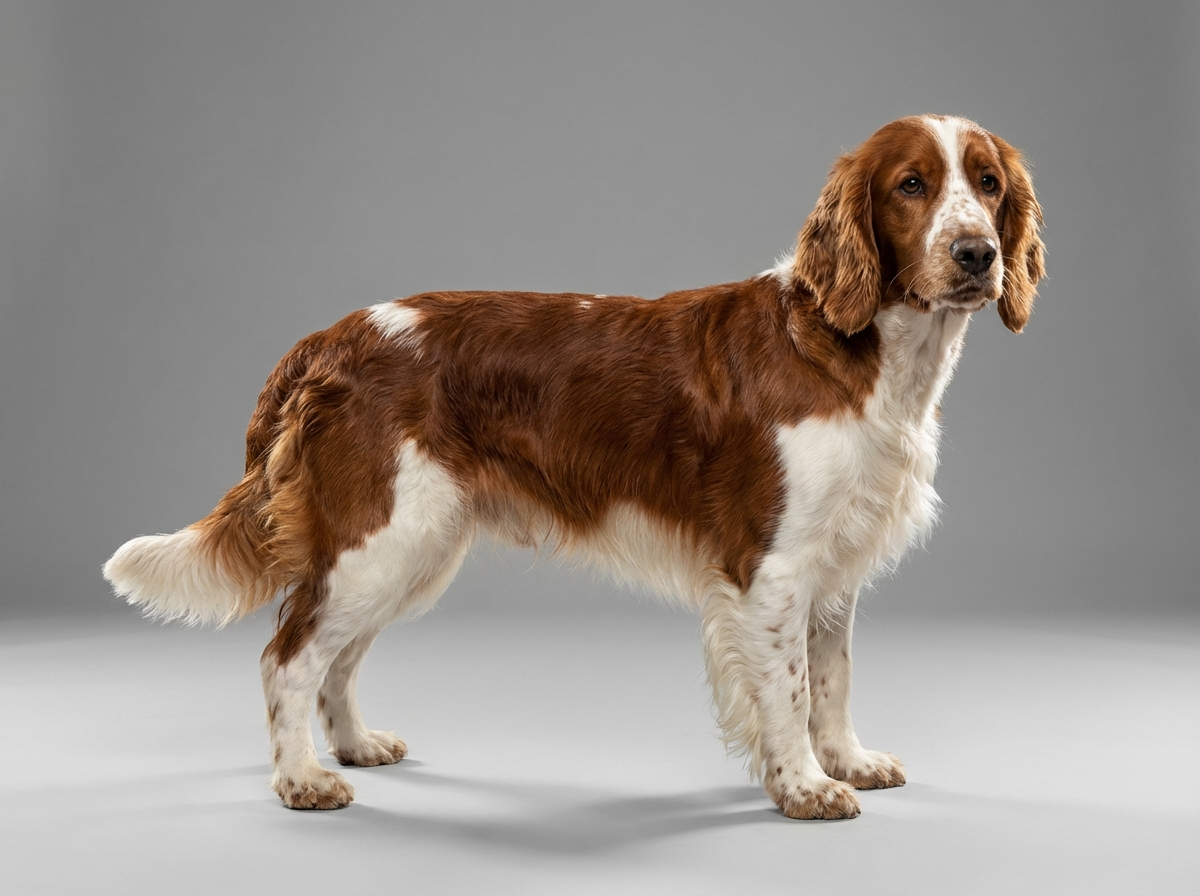
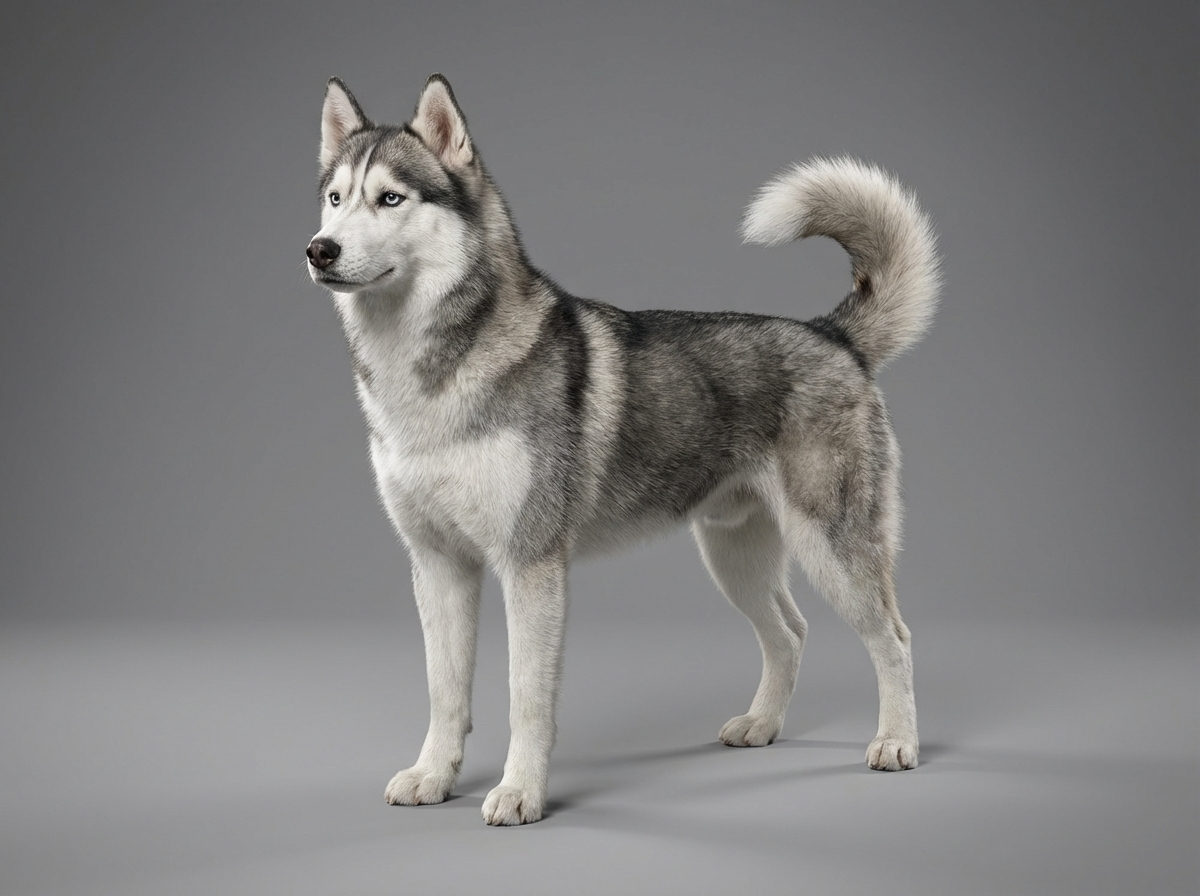
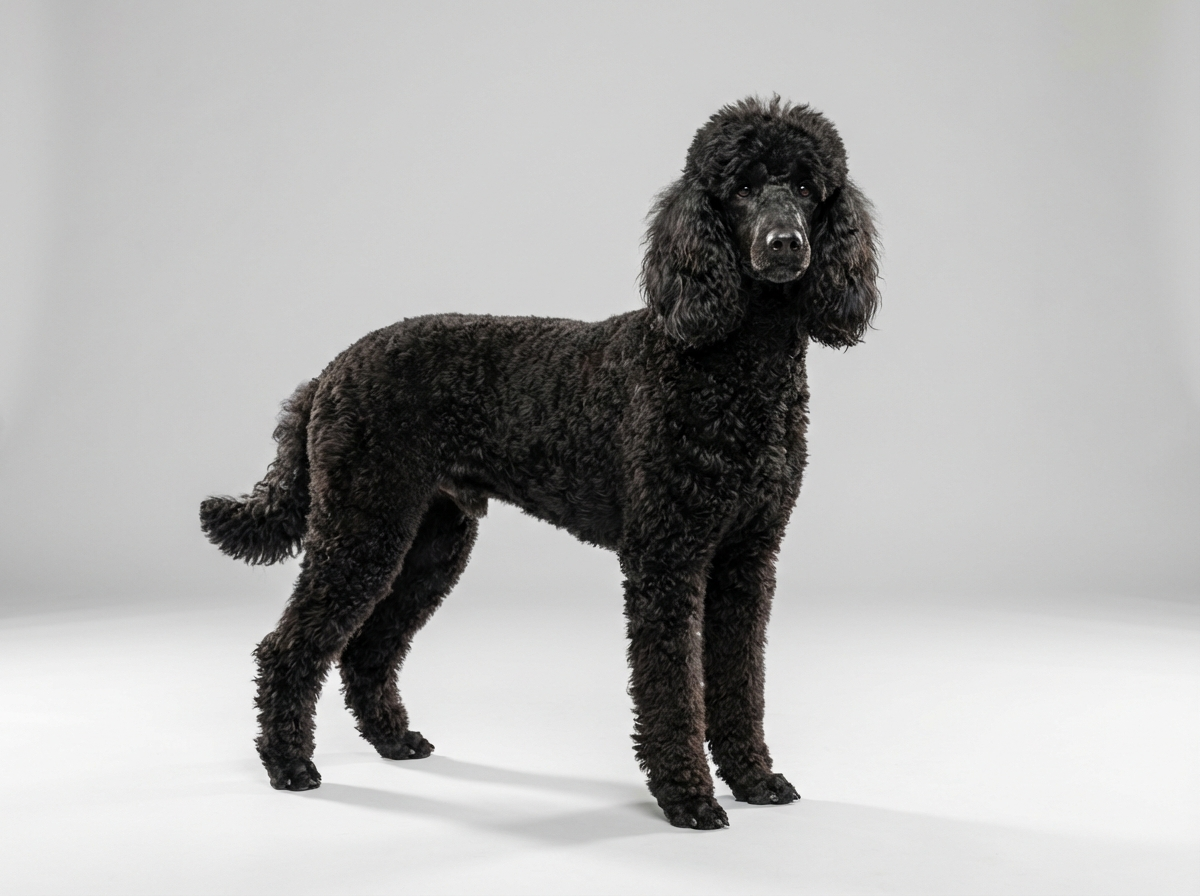
Here are some of the most recommended breeds for families considering a dog for an autistic child:

Best Dog Breed for Autism: Choosing the Right Companion - Best Dog Breeds for Autism

Step-by-Step Guide to Choosing the Best Dog Breed for Autism

Finding the best dog breed for autism involves understanding needs and matching them with the right canine companion. Here’s a clear plan to help you make this important decision.

Common Mistakes When Choosing the Best Dog Breed for Autism

Choosing the right dog breed for autism can be challenging. Many people make common mistakes that can lead to frustration and unmet needs. Here are some of the most frequent missteps and why they can backfire.

Myths and Facts About Dogs for Autism

There are several myths surrounding the best dog breed for autism, especially regarding their suitability and impact. Let's debunk some of these common misconceptions.

Advanced Tips for Choosing the Best Dog Breed for Autism

Selecting the best dog breed for autism is more than just picking a popular choice. It requires understanding the unique needs of the child and the specific traits of the breed. Here are some advanced tips to help you make a more informed decision.

First, consider the dog's temperament in relation to sensory sensitivities. Breeds known for their calm demeanor, like the Labrador Retriever or Golden Retriever, often excel in providing comfort. These breeds can help soothe anxiety and create a secure environment for children with autism.

Second, training is crucial. Invest in professional training that focuses on social skills and behavior modification. This is especially important for therapy dogs, as they must learn how to interact appropriately with their autistic companions. Consistent training will reinforce positive behaviors and help your dog become a reliable support partner.

Next, think about the dog's size and energy level. Larger breeds may be more intimidating for some children, while smaller breeds might be easier to manage. Evaluate your child's comfort level with different sizes and choose a breed that matches their energy needs. Calm dogs for sensory issues often thrive in a less chaotic environment, making them ideal companions.

Also, consider adopting a dog that has already been socialized. Rescue organizations sometimes have animals that have undergone initial training and socialization. These dogs can be a great fit for families needing immediate support. Look for dogs labeled as autism service dogs or therapy dogs for autism, as they may already be accustomed to handling specific situations.

Finally, engage your child in the selection process. Allow them to meet potential candidates and observe their reactions. This can help you gauge compatibility and ensure your child feels comfortable and safe with the chosen breed. A bond formed through mutual trust can significantly enhance the dog's effectiveness as a support animal.

Insider Secrets for Choosing the Best Dog Breed for Autism

Selecting the best dog breed for autism involves more than just picking a popular option. Here are some unique insights that can help you make a more informed choice.

Checklist for Choosing the Best Dog Breed for Autism

Use this checklist to find the best dog breed for autism support. Consider the needs of the child and the qualities of different breeds.

Frequently asked questions

How do dogs help with autism?

Dogs can provide comfort and companionship to individuals with autism. They can help reduce anxiety and improve social interactions. Many families find that dogs help their autistic children feel more secure and connected.

Best dog for non-verbal autism?

For children with non-verbal autism, calm and gentle breeds like Golden Retrievers or Labradors may be ideal. These breeds are known for their patience and ability to bond closely with their owners. It's essential to choose a dog that is not overly energetic, as this can sometimes overwhelm a child.

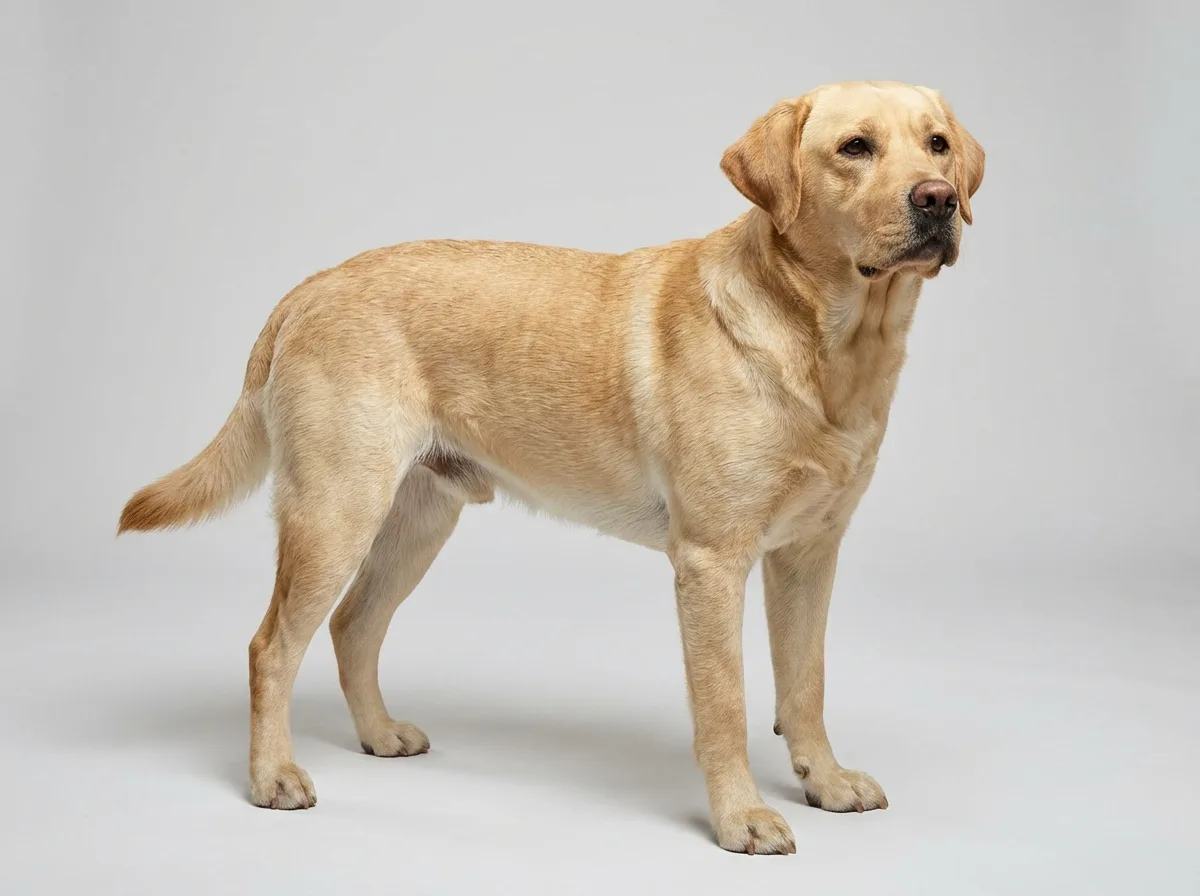
Are Labs good for autism?

Yes, Labrador Retrievers are often recommended for families with autistic members. They are friendly, intelligent, and trainable, making them excellent therapy dogs. Their calming presence can be particularly beneficial in social situations.

What traits should I look for in a therapy dog for autism?

Look for dogs that are calm, patient, and sociable. Breeds that are naturally gentle and trainable, like Golden Retrievers or Staffordshire Bull Terriers, often excel in therapy roles. It’s also crucial to assess the dog’s temperament with your child to ensure a good match.

Can any dog be trained as an autism service dog?

While many dogs can be trained as service dogs, not all dogs have the right temperament. Breeds known for their calm nature, like Golden Retrievers and Labradors, are often the best choices. Proper training and socialization are key factors in their suitability.

How do therapy dogs assist children with autism?

Therapy dogs can provide emotional support and companionship to children with autism. They help improve social skills and reduce anxiety during stressful situations. The presence of a calm dog can create a safe environment for children to express themselves.

What are some characteristics of the best dog breed for autism?

The best dog breeds for autism typically have a calm temperament, are gentle, and are easy to train. They should also be social and non-aggressive, as well as able to adapt to the needs of their autistic companions. Breeds like Golden Retrievers and Labradors often fit these criteria.

Can any dog be trained as an autism service dog?

While many dogs can be trained to assist individuals with autism, not all dogs are suitable. The dog should have a calm disposition, be good with children, and willing to work. It's essential to assess their temperament and behavior before starting any training.

What is the difference between a therapy dog and a service dog for autism?

A therapy dog provides emotional support and comfort in various settings, while a service dog is trained to perform specific tasks to assist a person with a disability. Service dogs have legal rights to accompany their owners in public spaces, whereas therapy dogs do not.

Are there specific breeds recommended for children with non-verbal autism?

Yes, breeds like Golden Retrievers and Labradors are often recommended for children with non-verbal autism. These breeds are known for their gentle nature and ability to bond with children. However, individual temperament and training are critical factors to consider.

How can I find a therapy dog for my child with autism?

You can find a therapy dog through local organizations that specialize in autism support or therapy dog training programs. It's important to choose a reputable organization that ensures the dogs are well-trained and suited for the specific needs of your child.

Do therapy dogs help with sensory issues in children with autism?

Yes, therapy dogs can help alleviate sensory issues by providing a calming presence. Their consistent and gentle nature can help children feel more secure and comfortable in overwhelming situations, making it easier for them to cope with sensory overload.