The Best Dog Breed for Anxiety Relief and Support
Are you looking for the best dog breed for anxiety? This guide will help you find the perfect furry companion to provide comfort and support in tough times.
Understanding the Best Dog Breed for Anxiety
Choosing the best dog breed for anxiety can significantly impact both your well-being and that of your furry friend. Dogs naturally provide companionship, and certain breeds are particularly known for their calming presence and ability to support individuals with anxiety. This guide will help you navigate the selection process, ensuring you pick a companion that suits your emotional needs and lifestyle.
Why the Right Dog Breed Matters
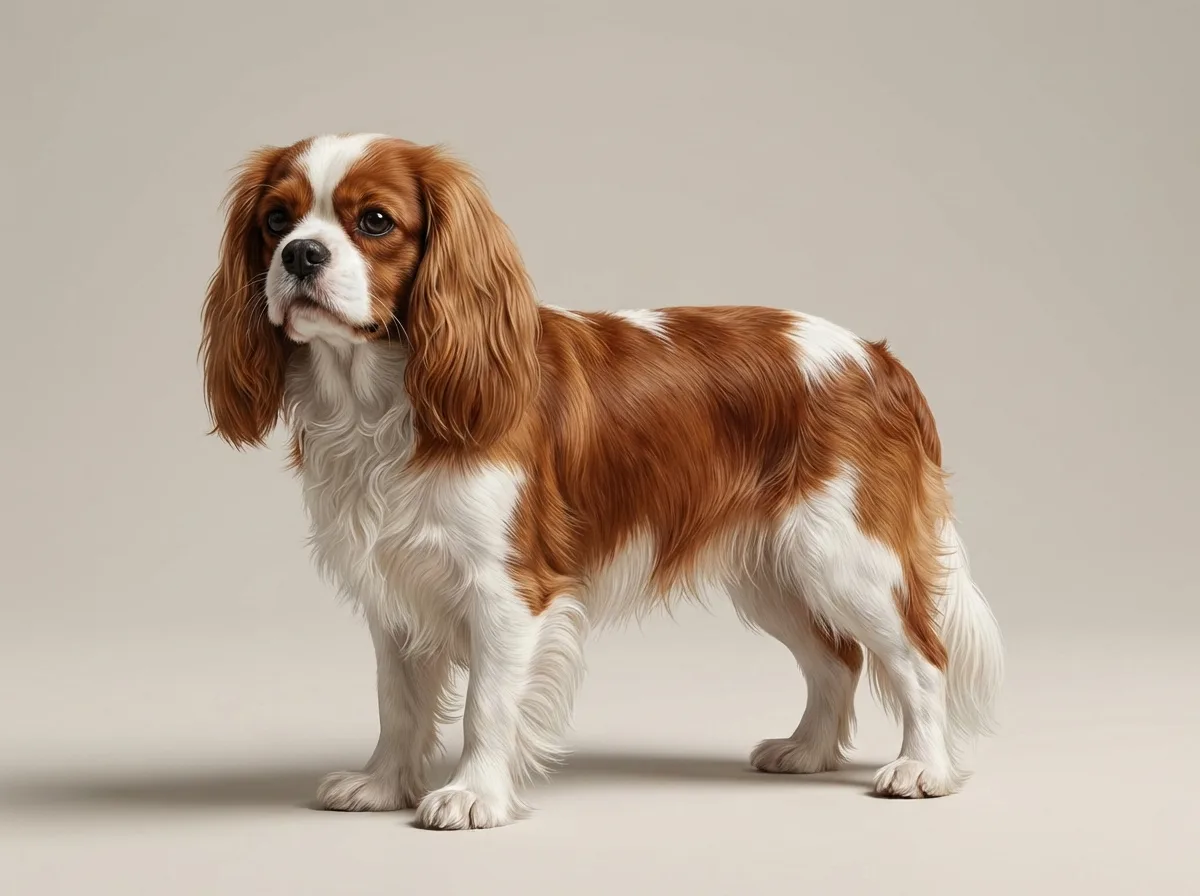
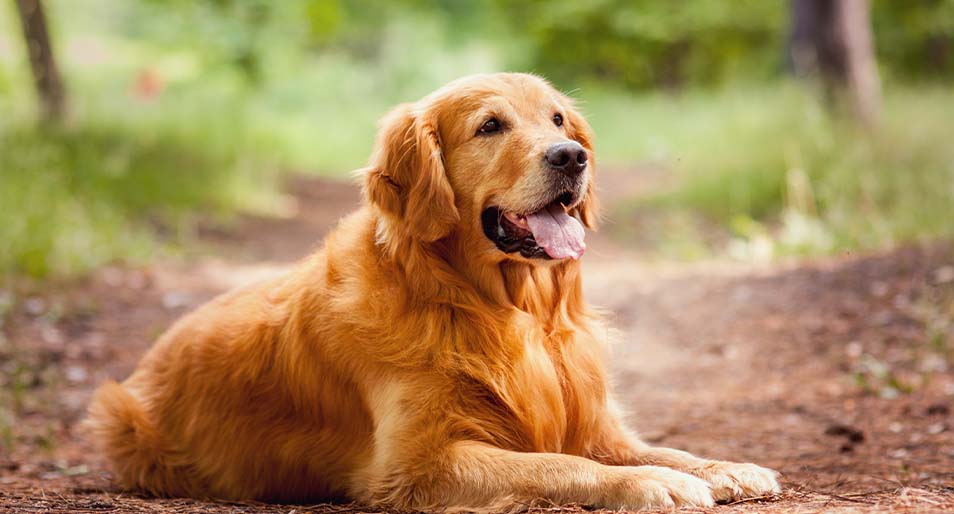
Having the right dog breed can make a world of difference for those dealing with anxiety. Emotional support dogs for anxiety can provide comfort during stressful moments and help reduce feelings of isolation. Breeds known for their calm demeanor, like Golden Retrievers or Cavalier King Charles Spaniels, can create a soothing environment, allowing you to feel more at ease.

What to Consider When Choosing a Dog
When selecting the best dog breed for anxiety, consider factors such as size, temperament, and energy level. Smaller breeds may be more suitable for apartment living, while larger breeds might thrive in homes with more space. Additionally, calm dogs for anxiety often have a laid-back personality, making them ideal companions for individuals who need emotional support.

How to Choose the Right Breed
To find your perfect match, start by researching breeds known for their comforting traits. Look into emotional support and psychiatric service dogs, which are trained to assist with anxiety and panic attacks. Consider meeting potential breeds in person to see how they interact and gauge your comfort level with them. Each dog has its unique personality, so finding one that resonates with you is key.

Conclusion
Finding the best dog breed for anxiety is a personal journey that can lead to a fulfilling companionship. By considering your lifestyle and the specific needs of different breeds, you can choose a dog that not only offers emotional support but also becomes a beloved member of your family. Take your time in this process, and trust that the right dog is out there waiting for you.
Step-by-Step Plan to Find the Best Dog Breed for Anxiety
Choosing the best dog breed for anxiety can be a life-changing decision. Follow this step-by-step plan to find the right match for you.
- Step 1: Assess Your Needs and Lifestyle
- Step 2: Research Breeds Known for Calmness
- Step 3: Consider Size and Space Requirements
- Step 4: Visit Local Shelters or Breeders
- Step 5: Spend Time with Potential Dogs
- Step 6: Evaluate Financial Costs and Commitments
- Step 7: Prepare Your Home for a New Dog
- Step 8: Consult with a Veterinarian or Trainer
Common Mistakes When Choosing the Best Dog Breed for Anxiety
Choosing the best dog breed for anxiety can be tricky. Many owners make mistakes that can lead to disappointment or frustration. Here are some common pitfalls to avoid.
- Not researching breed traits thoroughly: Many people overlook the specific traits of dog breeds. Each breed has different temperaments and energy levels, which can affect their suitability for anxiety support.
- Ignoring size and living space: Some owners choose large breeds without considering their living situation. A small apartment may not be ideal for a large, energetic dog, leading to stress for both the dog and owner.
- Assuming all dogs are equally calming: Not all breeds are effective emotional support dogs. It's important to understand which breeds are known for their calming presence, like Golden Retrievers or Cavalier King Charles Spaniels.
- Underestimating training needs: Some breeds require more training than others. Failing to invest time in training can lead to behavioral issues that worsen anxiety instead of alleviating it.
- Neglecting individual dog personality: Each dog is unique, even within a breed. Relying solely on breed traits without considering individual personality can result in mismatched expectations.
- Forgetting about exercise requirements: High-energy dogs need regular exercise. Without it, they may become anxious or destructive, counteracting their intended calming effect.
- Avoiding professional guidance: Many owners skip consulting with a vet or dog trainer. Professional advice can help pinpoint the best dog breed for anxiety and ensure a good fit.
Common Myths and Facts About Dogs for Anxiety
Understanding the myths and facts about the best dog breeds for anxiety can help you make informed decisions. Here are some common misconceptions and the realities behind them.
- Myth: Only small breeds can help with anxiety.
- Fact: Both small and large breeds can provide emotional support.
- Myth: Dogs can automatically sense anxiety and will help without training.
- Fact: Training is essential for dogs to effectively support their owners.
- Myth: Any dog can be a comfort dog.
- Fact: Specific breeds and individual temperaments are better suited for emotional support.
- Myth: Dogs require little to no care when they are emotional support animals.
- Fact: Emotional support dogs need regular exercise, training, and socialization.
Advanced Tips for Choosing the Best Dog Breed for Anxiety
If you're looking for the best dog breed for anxiety, consider these advanced tips to ensure a perfect match for your needs. These insights go beyond the basics and can help you make a more informed decision.
- Research breed-specific traits: Some breeds are naturally more attuned to their owner's emotions. For example, Golden Retrievers and Cavalier King Charles Spaniels are known for their empathetic nature.
- Consider your lifestyle: Assess your daily routine and environment. Active breeds may require more exercise, which can be challenging if you have limited mobility or live in a small space.
- Evaluate training resources: Look into training classes that focus on anxiety support. Programs that specialize in emotional support dogs can provide invaluable guidance.
- Trial period: If possible, spend time with different breeds or individual dogs before committing. This can help you gauge their effect on your anxiety levels and overall compatibility.
- Consult with professionals: Talk to trainers or therapists who specialize in anxiety and animals. They can provide tailored advice and help you understand what to expect from different breeds.
Insider Secrets for Choosing the Best Dog Breed for Anxiety
Selecting the best dog breed for anxiety requires more than just choosing a cute face. Here are some unique insights to guide your decision.
- Consider temperament over looks: Breeds like the Cavalier King Charles Spaniel and Golden Retriever are known for their gentle nature, making them better companions for anxiety than others that may look appealing but lack the temperament.
- Look for low-energy breeds: Dogs that are calm and less hyperactive can provide a soothing presence. Breeds like the Great Pyrenees are often more laid-back, which can help reduce anxiety levels in their owners.
- Training is key: Dogs can be trained to sense anxiety and provide comfort. Investing in obedience training or even therapy dog training can enhance the emotional support they provide.
- Understand the dog's needs: Each breed has unique care requirements. A breed that's easy to care for may reduce your stress levels, aiding your overall well-being.
- Socialization matters: A well-socialized dog can help you interact more comfortably in social situations, making them ideal for anxiety relief.
Checklist for Choosing the Best Dog Breed for Anxiety
Use this checklist to find the best dog breed for anxiety relief. Consider your needs and lifestyle carefully.
- Assess your living situation: apartment, house, or shared space.
- Consider your activity level: do you prefer active or calm dogs?
- Evaluate your daily routine: will the dog be left alone often?
- Research breeds known for their calming presence, such as Golden Retrievers or Cavalier King Charles Spaniels.
- Look into training options for emotional support and comfort dogs.
- Think about size: smaller breeds may be easier to manage in tight spaces.
- Plan for socialization needs: some dogs need more interaction than others.
- Budget for ongoing costs: food, vet visits, and training.
- Consider adopting from a rescue or shelter for a loving companion.
- Seek advice from trainers or behaviorists about specific breeds.
- Discuss with your doctor or therapist about getting a psychiatric service dog.
Frequently asked questions
What dog helps most with anxiety?
The best dog breed for anxiety is often one that is calm, affectionate, and attuned to their owner's feelings. Breeds like Golden Retrievers and Cavalier King Charles Spaniels are known for their gentle nature and ability to provide comfort. Additionally, some people find that larger breeds like Great Pyrenees can offer a soothing presence.
Best small dog for anxiety?
When looking for the best small dog for anxiety, breeds like the Cavalier King Charles Spaniel or the French Bulldog might be great choices. These dogs are known for their affectionate personalities and their ability to bond closely with their owners. Their small size makes them easily portable, allowing them to provide comfort anywhere.
Are dogs good for panic attacks?
Yes, dogs can be very beneficial for people experiencing panic attacks. They provide emotional support and can help ground their owners during stressful moments. Many people find that just petting or being around a dog can reduce anxiety and create a feeling of safety.
What are emotional support dogs for anxiety?
Emotional support dogs for anxiety are pets that provide comfort and companionship to their owners. They are not necessarily trained to perform tasks, but their presence can help alleviate feelings of anxiety. Breeds known for their calm demeanor, like the Golden Retriever, often make great emotional support companions.
What are calming dog breeds?
Calming dog breeds are typically known for their gentle and laid-back personalities. Breeds such as the Great Pyrenees, Cavalier King Charles Spaniel, and Basset Hound are often recommended for their soothing nature. These dogs can help create a peaceful environment for those struggling with anxiety.
What dog helps most with anxiety?
The best dog breed for anxiety often depends on individual needs. Breeds like Golden Retrievers and Cavalier King Charles Spaniels are known for their calming presence. They tend to be affectionate and responsive, making them excellent emotional support dogs.
Best small dog for anxiety?
If you're looking for a small dog breed for anxiety, consider the Pug or the French Bulldog. These breeds are typically friendly, low-energy, and love to cuddle, which can be comforting during anxious moments.
Are dogs good for panic attacks?
Yes, dogs can be very helpful during panic attacks. They provide emotional support and comfort, which can help ease anxiety. Some breeds, especially psychiatric service dogs, are trained to assist individuals with panic disorders.
How do I choose the right dog for anxiety?
Choosing the right dog for anxiety involves considering your lifestyle and personal preferences. Look for breeds known for their calm demeanor and gentle nature. Additionally, think about your living situation and how much time you can dedicate to training and companionship.
Can any dog be trained to help with anxiety?
Yes, many dogs can be trained to help with anxiety, regardless of breed. Training focuses on creating a bond and teaching the dog to respond to anxiety-related cues. However, some breeds may have a natural disposition that makes them more suitable.
What are comfort dogs and how do they help?
Comfort dogs are specifically trained to provide emotional support to individuals in distress. They help reduce feelings of anxiety and stress by offering companionship and comfort. Their presence can create a calming environment during challenging times.
What should I consider before getting a dog for anxiety?
Before getting a dog for anxiety, consider your daily routine, living space, and financial commitments. Some breeds require more attention and exercise than others. Additionally, think about whether you want a puppy or an adult dog, as each comes with its own set of challenges.