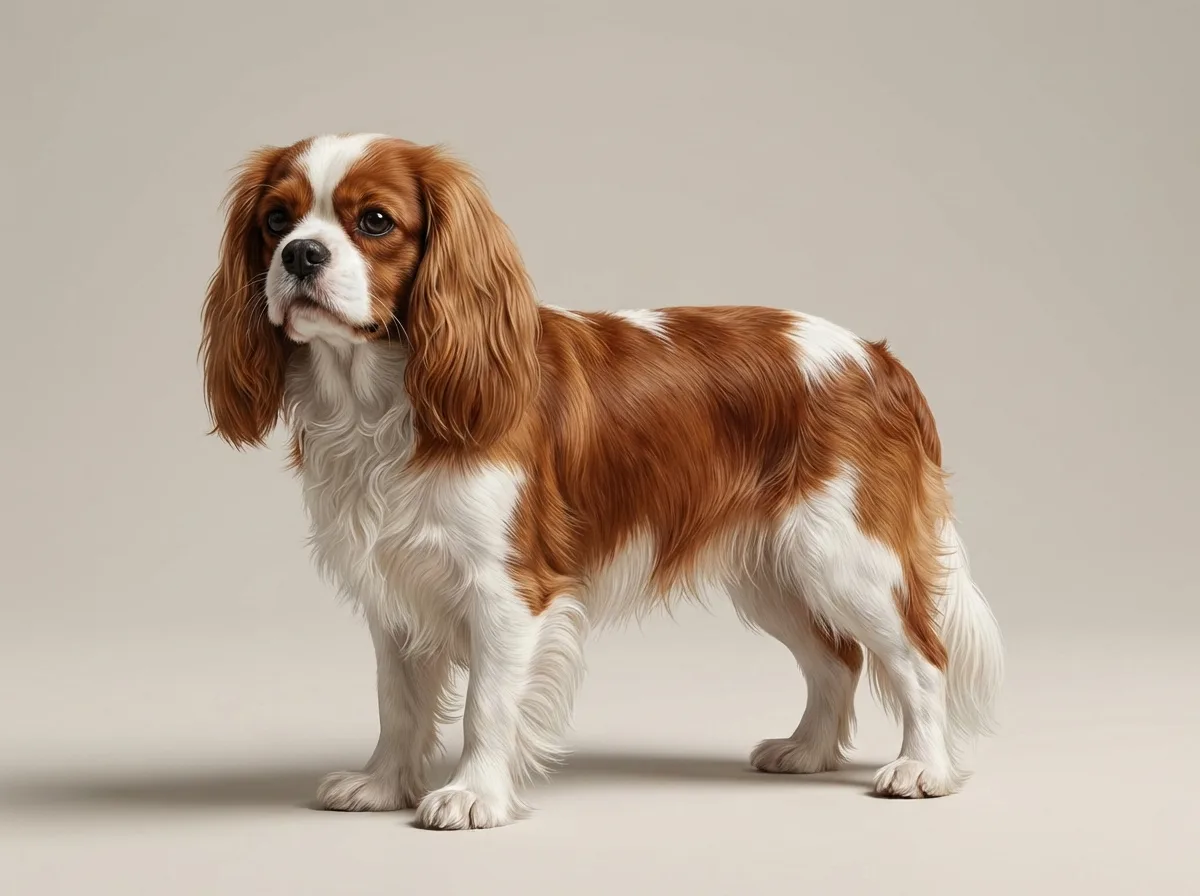
Best Companion Dogs: Your Guide to Finding the Right Breed
Looking for the best companion dogs? This guide will help you find the ideal furry friend for emotional support and companionship.
Finding the Best Companion Dogs
When searching for the best companion dogs, it’s vital to consider what makes a dog truly a great friend. These dogs aren't just pets; they provide emotional support, joy, and companionship to their owners. Understanding the traits that define ideal companion dogs can help you find a furry friend that fits well into your lifestyle and family dynamics.
Why Companion Dogs Matter
The right dog can significantly enhance your life. Emotional support dogs can help alleviate feelings of loneliness, anxiety, and even depression. A loyal companion can offer unconditional love, making your home feel warmer and more welcoming. This bond can be especially beneficial for families, individuals living alone, or those facing challenging times.

What to Consider When Choosing a Companion Dog
When looking for the best companion dogs, consider several factors. First, think about the dog's temperament. Some breeds are naturally more affectionate and eager to please. Additionally, consider your living situation. Larger dogs may need more space, while smaller breeds can adapt well to apartment living. Lastly, evaluate your lifestyle. Active individuals might prefer dogs that enjoy outdoor activities, while those with less time might need a more laid-back breed.

Top Breeds for Companionship
Here are some of the best companion dogs known for their friendly nature and strong bonds with humans:

- Golden Retriever
- Labrador Retriever
- French Bulldog
- Cavalier King Charles Spaniel
- Pug
Conclusion
Ultimately, the best companion dogs can fill your life with love and loyalty. By considering factors like breed temperament, living situation, and lifestyle, you can choose a dog that complements your life perfectly. Whether it’s a playful Labrador or a cuddly French Bulldog, your perfect companion is out there waiting for you.
Step-by-Step Plan to Find the Best Companion Dog
Finding the best companion dog involves careful consideration and planning. Here’s a simple, actionable guide to help you make the right choice for you and your future furry friend.
- 1. Assess Your Lifestyle: Think about your daily routine, living situation, and activity level. Are you active and outdoorsy, or do you prefer a calm, cozy home? This will help narrow down your options.
- 2. Research Dog Breeds: Look into breeds known for being ideal companions, such as Golden Retrievers, Labradors, and French Bulldogs. Understand their characteristics, energy levels, and care needs.
- 3. Consider Size and Space: Evaluate the space you have available. Smaller breeds may be better for apartments, while larger breeds need more room to roam. Think about your living conditions carefully.
- 4. Evaluate Time Commitment: Dogs require time for training, exercise, and companionship. Make sure you can commit to regular walks and playtime. A bored dog can develop issues.
- 5. Assess Allergies: If anyone in your household has allergies, research hypoallergenic breeds. Breeds like the Poodle or Bichon Frise may be better options.
- 6. Visit Local Shelters: Spend some time at local animal shelters or rescue organizations. You might find the perfect companion waiting for you. Plus, adopting a dog is a wonderful option.
- 7. Meet the Dog: Once you find a dog you’re interested in, spend time getting to know them. Interact and see how they respond to you and your family.
- 8. Ask Questions: Don’t hesitate to ask shelter staff or breeders about the dog’s history, temperament, and any special needs they may have.
- 9. Prepare Your Home: Before bringing your new dog home, make sure you have all the necessary supplies, including food, toys, bedding, and a safe space for them to relax.
- 10. Plan for Training: Consider enrolling in a basic obedience class once you bring your dog home. This can help with socialization and establish a good routine.
Common Mistakes When Choosing Best Companion Dogs
Choosing the best companion dogs can be tricky, and many owners make mistakes that can lead to frustration. Here are some common pitfalls to avoid.
- Not considering lifestyle compatibility
- Ignoring breed-specific traits
- Neglecting socialization needs
- Underestimating training requirements
- Failing to assess long-term commitment
- Choosing a dog based solely on looks
Common Myths About Best Companion Dogs
Many people have misconceptions about what makes the best companion dogs. Let’s debunk some common myths and reveal the facts behind them.
- Myth: Only small dogs can be good companions.
- Myth: Companion dogs don't require training.
- Myth: Any breed can be a good emotional support dog.
- Myth: Companion dogs are not loyal.
- Myth: Dogs that are independent don't make good companions.
Advanced Tips for Selecting the Best Companion Dogs
Choosing the best companion dogs goes beyond just selecting a breed. Here are some advanced tips to help you find the perfect furry friend for your lifestyle and emotional needs.
1. Assess Your Lifestyle: Consider your daily routine, energy levels, and living situation. For example, busy professionals may prefer low-energy breeds like the French Bulldog, while active individuals might thrive with a Labrador Retriever.
2. Prioritize Temperament: Look for breeds known for their affectionate and loyal nature. Golden Retrievers, for instance, are often praised for their friendly demeanor and ability to bond closely with their owners.
3. Emotional Support Training: If you’re looking for dogs for emotional support, consider getting your dog certified as an Emotional Support Animal (ESA). This can enhance your bond and ensure they meet specific behavioral standards.
4. Socialization Opportunities: Ensure your dog has ample opportunities for socialization. Dogs that bond closely with owners can also benefit from interacting with other pets and people. Consider enrolling in group training classes or dog parks.
5. Understand Health Needs: Some breeds are predisposed to certain health issues. Research breed-specific health concerns to make informed decisions about care and vet visits. This knowledge can help you create a preventative care plan that suits your best companion dog.
6. Focus on Consistency: Dogs thrive on routine. Establish a consistent schedule for feeding, exercise, and training. This helps your dog feel secure and strengthens your companionship.
7. Consider Adoption: Many rescues have dogs in need of homes who can be excellent companions. Consider adopting from a shelter to find your best friend dog. This option not only provides a home to a dog in need but can also lead to discovering a loving pet that matches your emotional support requirements.
By following these advanced tips, you can make a well-informed choice when selecting the best companion dogs for your unique situation. Remember, the bond you build with your dog will greatly enhance your life, so take the time to find the right match.

Insider Secrets to Finding the Best Companion Dogs
Choosing the best companion dogs can be more nuanced than it seems. Here are some lesser-known insights that can help you pick the right furry friend for your lifestyle.
- Consider your energy level: Some dogs need a lot of exercise, while others are happy with a leisurely walk. Match their needs with your lifestyle to avoid frustration.
- Look for a breed's history of loyalty: Breeds like the Golden Retriever and Labrador are known for their strong bonds with owners. Their loyalty can provide emotional support and companionship.
- Pay attention to temperament testing: Many shelters perform temperament tests. This can give you an idea of how a dog interacts with people and other animals, helping you to find a perfect match.
- Think about size-relative companionship: Smaller dogs can be just as loving as larger ones. If space is an issue, consider breeds like French Bulldogs, which are known to be affectionate without requiring much room.
- Training is crucial: Early socialization and training can shape how well your dog will bond with you. A well-trained dog is often more adaptable and emotionally connected.
Checklist for Choosing the Best Companion Dogs
Use this checklist to find the best companion dogs for your lifestyle and emotional needs. Consider each point carefully to ensure a good match.
- Assess your living situation: Do you have enough space for a dog?
- Evaluate your activity level: Are you active or more laid back?
- Consider your emotional needs: Are you looking for a dog for support?
- Research dog breeds: Look into breeds known for companionship, like Golden Retrievers or Labradors.
- Check for allergies: Ensure your chosen breed is compatible with your health.
- Plan for time commitment: Can you dedicate time for training and exercise?
- Budget for costs: Consider food, vet visits, and supplies.
- Talk to current dog owners: Get insights about their experiences and breed traits.
Frequently asked questions
Which dog breed is the best companion?
The best companion dogs often include breeds like Golden Retrievers, Labrador Retrievers, and French Bulldogs. These breeds are known for their friendly nature and strong bond with their owners. Ultimately, the best companion for you will depend on your lifestyle and preferences.
What are dogs that bond closely with owners?
Dogs that bond closely with their owners typically include breeds like the Cavalier King Charles Spaniel and the Bichon Frise. These breeds thrive on companionship and are often very affectionate. If you want a dog that will be your shadow, consider these breeds.
What are the best companion dogs for depression?
When looking for the best companion dogs for depression, breeds like Labrador Retrievers and Poodles can be excellent choices. They are known for their loyalty and ability to provide emotional support. Additionally, smaller breeds like the Shih Tzu can also offer companionship and comfort.
What traits should I look for in an ideal companion dog?
Ideal companion dogs usually have friendly temperaments, are affectionate, and enjoy spending time with people. Look for breeds that are known for their loyalty and low aggression. It's also important to consider a dog's energy level and size based on your living situation.
Are there dogs specifically trained for emotional support?
Yes, many dogs are trained for emotional support, including breeds like Golden Retrievers and Labrador Retrievers. These dogs are often gentle and sensitive to their owner's emotions. They can help alleviate feelings of anxiety and depression.
Which dog breed is the best companion for families?
The best companion dogs for families often include breeds like Golden Retrievers and Labradors. They are friendly, patient, and great with kids. These breeds thrive on companionship and are known for their loyalty.
What qualities should I look for in an ideal companion dog?
Look for dogs that are affectionate, trainable, and have a good temperament. Breeds that bond closely with owners often provide emotional support and companionship. Consider your lifestyle and home environment when choosing.
Can small dogs be great companions too?
Absolutely! Small dogs like French Bulldogs and Cavalier King Charles Spaniels are known for their affectionate nature. They can be just as loyal and loving as larger breeds, making them excellent companions.
What are the best companion dogs for depression?
Some of the best companion dogs for depression include Labrador Retrievers and Poodles. These breeds are known for their empathetic nature and ability to provide comfort. They encourage physical activity and social interaction, which can be beneficial for mental health.
How can I train my dog to be a better companion?
Training your dog with positive reinforcement is key to building a strong bond. Focus on basic commands, socialization, and teaching them to respond to your emotions. Consistent training helps them become more attuned to your needs.
Are there breeds that are better for people with allergies?
Yes, hypoallergenic breeds like Poodles and Bichon Frises are often better for allergy sufferers. They produce less dander and are less likely to trigger allergic reactions. It's important to spend time with a breed before bringing one home to see how your allergies react.
What are some considerations for adopting a senior dog as a companion?
Adopting a senior dog can be incredibly rewarding. They often require less training and are usually calmer. However, consider their potential health issues and be ready for regular vet visits, as their care needs can differ from younger dogs.