Behavior
What are some quick tips for Shibа Inu anxiety?
To help your Shibа Inu with anxiety, establish a routine, provide plenty of exercise, and create a cozy space for them to retreat to.
Shibа Inu anxiety can be a challenge, but you’re not alone.
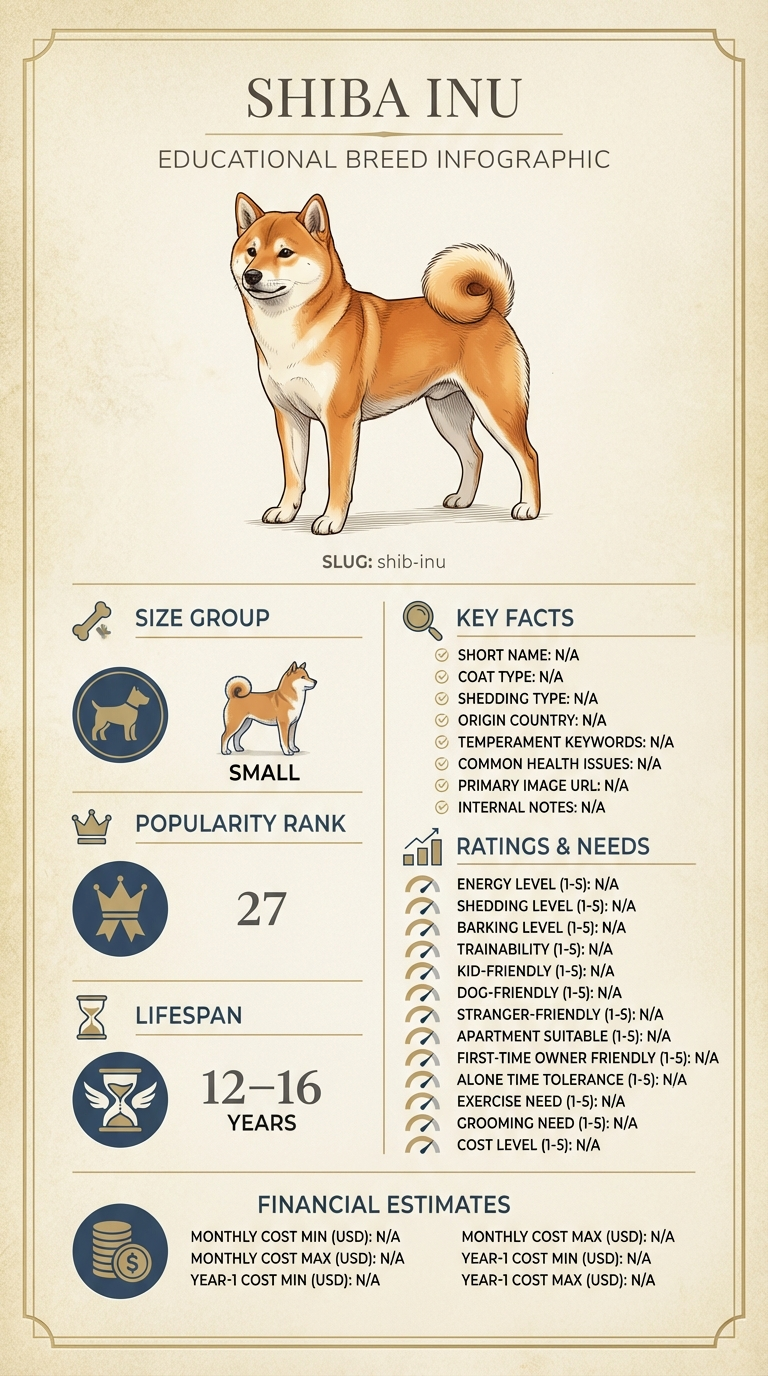
This guide is for Shibа Inu owners who are concerned about their dog's anxiety levels and are looking for effective training techniques and support.
Shibа Inu anxiety often appears as nervousness or fearfulness in various situations. Daily, you may notice your Shibа Inu pacing, whining, or hiding when faced with unfamiliar stimuli. This breed may also struggle with being alone, which can lead to distress when left by themselves.
If your Shibа Inu's anxiety persists despite your efforts, consider enrolling them in a training program focused on anxiety management. A professional trainer can teach you effective techniques for addressing the behavior.
Consult a vet or a certified behaviorist if your Shibа Inu shows signs of severe anxiety, such as excessive barking, destructive behavior, or self-harm. They can help identify underlying issues and suggest appropriate treatment.
There are various tools and products available that can help manage Shibа Inu anxiety effectively. These resources can provide comfort and support for both you and your furry friend.
Managing Shibа Inu anxiety often requires some changes to your daily routine. Small adjustments can create a more predictable environment that helps your dog feel secure. Start by establishing a consistent daily schedule for feeding, walks, and playtime.
Shibа Inus thrive on routine, and knowing what to expect can greatly reduce their anxiety levels.
Exercise is crucial for any dog, especially for an energetic breed like the Shibа Inu. Aim for at least 30 minutes of physical activity each day. This could include walks, runs, or interactive play sessions.
Regular exercise not only burns off excess energy but also releases endorphins that can improve your dog’s mood. Additionally, consider incorporating mental stimulation through puzzle toys or training sessions to keep their minds engaged.
Another key adjustment is managing their alone-time. Shibа Inus can struggle with separation anxiety, so gradually increasing the time they spend alone can help. Start with short periods and slowly extend them, ensuring they associate your departures with positive experiences.
You can also create a safe space for them with their favorite blanket and toys to help them feel secure when you’re not around.
Lastly, try to keep household routines stable. Sudden changes—like new furniture or loud noises—can unsettle your Shibа Inu. Minimizing these disruptions can help your dog maintain a sense of calm.
With these lifestyle adjustments, you can help your Shibа Inu navigate their anxiety more effectively.
Tracking progress with your Shibа Inu's anxiety can feel challenging, but recognizing small improvements is key. Start by noting micro-wins, such as your dog staying calm during short periods of alone time. Even if these moments are brief, they indicate that your training efforts are beginning to resonate.
Setbacks are a normal part of the process. You may notice your Shibа Inu regressing during stressful events, like thunderstorms or when guests arrive. Keep an eye on these patterns, as they help you understand your dog's triggers and guide your training focus.
To assess whether your plan is working, look for signs of decreased anxiety. For instance, if your dog barks less when left alone or shows curiosity instead of fear towards new people, these are positive indicators. If improvements plateau or regress, it might be time to escalate your approach.
This could mean adjusting training techniques, increasing exercise, or consulting a professional trainer.
Remember, every Shibа Inu is unique, and progress can vary. Celebrate the small victories, and don’t hesitate to seek help if you feel stuck. Keeping a journal of your dog's behavior can also help track changes over time, making it easier to spot trends and adjust your methods accordingly.
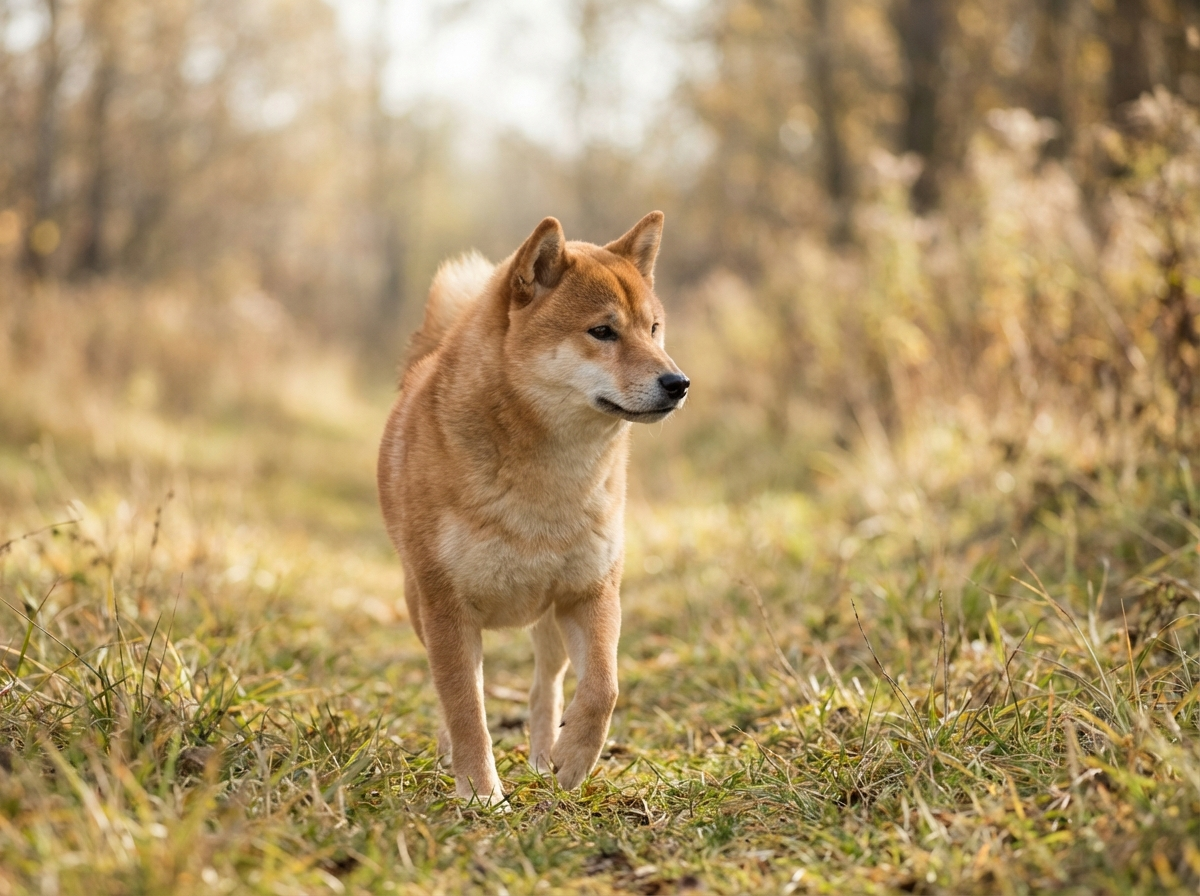
When Mia adopted her Shibа Inu, Kiko, she noticed he was easily spooked by loud noises and new environments. At first, she tried to comfort him by cuddling and talking softly, but this only seemed to reinforce his anxious behavior. Realizing this approach wasn't effective, Mia researched how to stop Shibа Inu anxiety. She began implementing structured routines, including consistent feeding times and daily exercise. She also introduced Kiko to calming aids like calming music and a cozy crate where he felt safe. After a few months of these efforts, Mia decided to seek professional help from a dog trainer specializing in anxiety training. Together, they worked on desensitization techniques, gradually exposing Kiko to the situations that triggered his anxiety. The trainer also suggested interactive toys to keep Kiko mentally stimulated. Over time, Kiko became more confident and less reactive, allowing Mia to take him to dog-friendly parks and events without fear of a meltdown. Now, Kiko enjoys outings and even plays with other dogs. Mia's persistence paid off, and she learned that patience and proper training are essential in addressing Shibа Inu anxiety.
Key takeaway: Addressing Shibа Inu anxiety requires a mix of structured routines, calming techniques, and, when necessary, professional guidance.
Shibа Inus can experience anxiety due to various factors such as separation from their owners, changes in their environment, or lack of socialization. Understanding the root cause is essential for addressing their anxiety effectively.
Signs of Shibа Inu anxiety include excessive barking, destructive behavior, hiding, or changes in appetite. Keep an eye out for these behaviors, especially during stressful situations.
Managing Shibа Inu anxiety often involves creating a safe space, providing regular exercise, and establishing a consistent routine. Consider using calming products or consulting a trainer for specialized techniques.
Yes, Shibа Inu anxiety training can be very beneficial. Positive reinforcement techniques can help your dog feel more secure and reduce anxious behaviors over time.
Engaging in physical activities like daily walks or interactive play can significantly reduce anxiety. Mental stimulation through puzzle toys or training sessions can also help your Shibа Inu feel more relaxed.
If your Shibа Inu's anxiety is severe or persistent despite your efforts, it's a good idea to consult a veterinarian or a professional dog trainer. They can provide tailored advice and potential treatment options.
Signs of Shibа Inu anxiety include excessive barking, destructive behavior, and attempts to escape. You might also notice your dog pacing, drooling, or being overly clingy. Recognizing these signs early can help you address the anxiety effectively.
Yes, older Shibа Inus can develop anxiety, often due to changes in their environment or health issues. It's important to monitor their behavior and consult a vet if you notice signs of anxiety. Adjusting their routine and providing comfort can help ease their stress.
When you have multiple Shibа Inus, it's essential to provide each dog with individual attention and training. Creating separate spaces for them can reduce competition and anxiety. Group training sessions can also help them bond while learning to cope with stress together.
To help your Shibа Inu during travel, make sure they are comfortable in a secure crate or harness. Familiar items like their favorite blanket or toy can provide comfort. Additionally, consider taking breaks during long trips to let them stretch and relieve stress.
Your Shibа Inu may have anxiety at home due to a lack of stimulation, changes in their environment, or separation from you. Creating a consistent routine and providing toys can help keep them engaged. If the anxiety persists, consult a professional trainer for targeted strategies.
To help your Shibа Inu with anxiety, establish a routine, provide plenty of exercise, and create a cozy space for them to retreat to.
During stressful times, offer comfort through gentle petting, calming music, or a favorite toy. This can help reassure your Shibа Inu.
Start with basic commands and use positive reinforcement. Gradually introduce them to anxiety-inducing situations in a controlled manner to build their confidence.
Yes, consider calming collars or pheromone diffusers designed for dogs. These can help create a soothing environment for your Shibа Inu.


This guide is not medical advice. If your dog shows pain, sudden behavior change, or worsening symptoms, consult a licensed veterinarian.
Some links may be affiliate links. We may earn a commission at no extra cost to you. We only suggest products we believe are helpful for dog owners.
Not sure which breed is right for you? Take our 2-minute quiz to find out.
Take the quiz