Behavior
What are quick tips for Boston Terrier anxiety?
Create a safe space for your Boston Terrier and use calming aids like toys and blankets. Consistent routines can also help reduce anxiety levels.

Quick answer
What are quick tips for Boston Terrier anxiety?
Create a safe space for your Boston Terrier and use calming aids like toys and blankets. Consistent routines can also help reduce anxiety levels.
Boston Terrier anxiety can be challenging, but you're not alone. Many owners face this issue with their beloved pets.
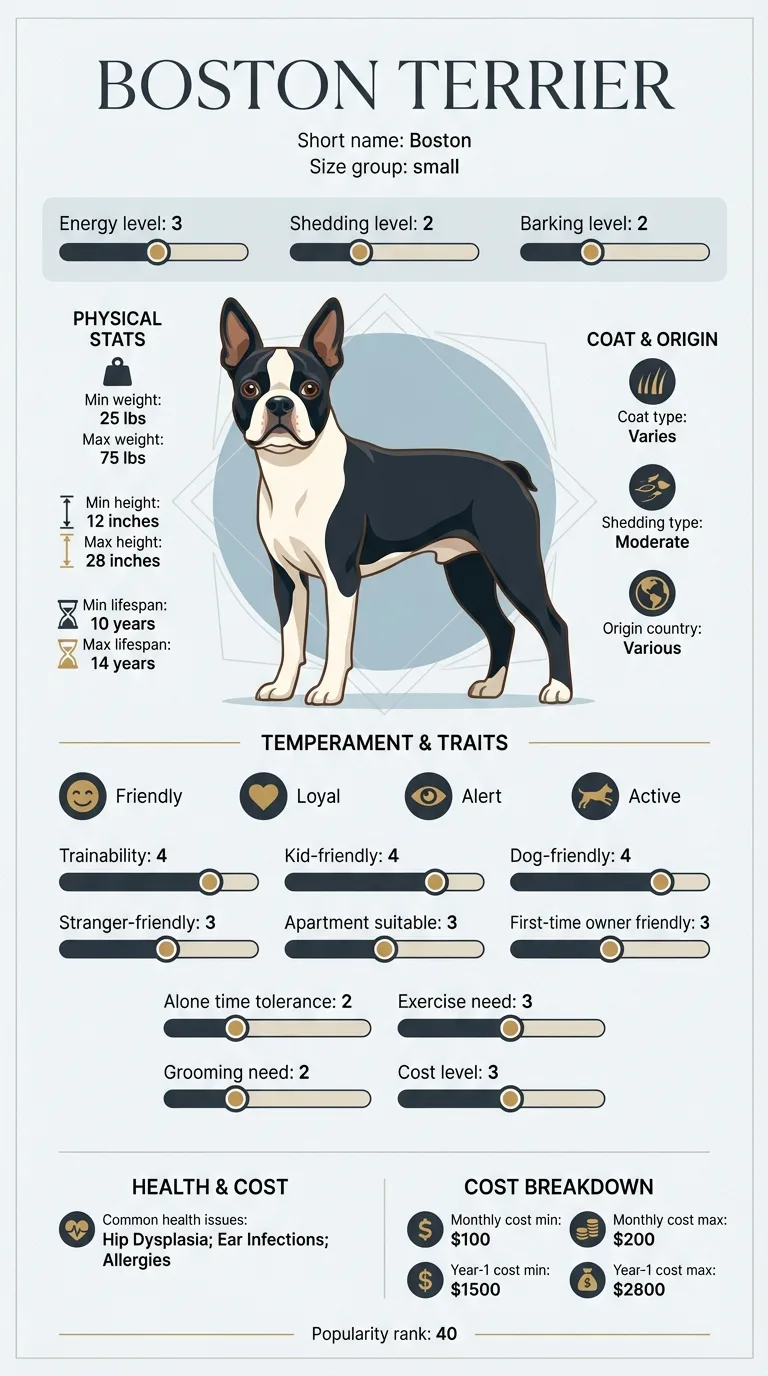
This guide is for Boston Terrier owners who are noticing anxiety symptoms in their dogs and are looking for practical solutions to help them feel more secure.
Boston Terrier anxiety often manifests as excessive barking, pacing, or clinginess. These dogs may become distressed when left alone or exposed to loud noises. Day-to-day, you might notice your Boston becoming restless or seeking your attention more than usual.
If your Boston Terrier’s anxiety persists despite your efforts, it may be time to seek a professional trainer who specializes in anxiety management.
Consult a vet or behaviorist if your Boston shows signs of severe anxiety, like destructive behavior, excessive barking, or refusal to eat.
A variety of tools and products can help manage Boston Terrier anxiety effectively.
Making lifestyle adjustments can significantly ease Boston Terrier anxiety. Start by creating a consistent daily schedule for feeding, walks, and playtime. Dogs thrive on routine, and knowing what comes next can help reduce their stress levels.
Exercise is crucial for a Boston Terrier’s well-being. Aim for at least 30 minutes of physical activity daily, divided into two sessions. Regular walks, playtime, or even short training exercises can help channel their energy and mitigate anxious behaviors.
Consider their alone-time tolerance as well. Gradually increase the time they spend alone to help them adapt. This gradual approach can make a big difference.
When leaving your home, ensure they have engaging toys or puzzles to distract them.
Also, keep your home environment calm. Limit loud noises, sudden movements, and high-stress situations that can trigger anxiety. If your Boston seems anxious during specific times, like when you’re preparing to leave, create a designated safe space for them.
This area can be their comfort zone, filled with their favorite blanket and toys.
Lastly, involve the whole household in your Boston's routine. Consistent commands and routines from everyone will help your dog feel secure and understood. These small changes can lead to a happier, less anxious dog.
Tracking progress in managing Boston Terrier anxiety can feel overwhelming. However, recognizing small 'micro-wins' can help you see that your efforts are making a difference. For instance, if your Boston is able to stay calm during short periods of alone time or shows less distress when you leave the room, these are signs of improvement.
Celebrate these moments, as they indicate that training and adjustments are working.

When Sarah adopted Bella, her Boston Terrier, she quickly noticed her new pup was very anxious. Bella would bark excessively when Sarah left the house and often hid during thunderstorms. Sarah tried to comfort Bella with cuddles and toys, but nothing seemed to help. After researching how to stop Boston Terrier anxiety, she decided to implement a consistent routine, giving Bella a safe space with her favorite blanket and toys. When these changes didn't fully resolve the anxiety, Sarah sought professional help from a dog trainer who specialized in anxiety issues. They worked on obedience training and introduced calming techniques, like using a thunder shirt during storms. Over time, Bella became more confident and relaxed, and Sarah felt more at ease leaving her alone.
Key takeaway: With patience and the right resources, you can significantly improve your Boston Terrier's anxiety.
Boston Terriers can experience anxiety due to various factors, including separation from their owners, loud noises, or changes in their environment. They are sensitive dogs and may feel uneasy in unfamiliar situations. Understanding the cause of their anxiety is the first step in helping them feel more secure.
To help reduce Boston Terrier anxiety, create a calm and consistent environment. Use positive reinforcement training techniques, and consider desensitizing your dog to anxiety triggers. Consulting a professional trainer can also provide valuable guidance.
Positive reinforcement training methods work best for Boston Terriers with anxiety. Rewarding calm behavior with treats or praise can help build their confidence. Consistency and patience are key to successful training.
In some cases, medications can help manage Boston Terrier anxiety. If your dog's anxiety is severe, it's important to consult a veterinarian. They can recommend appropriate treatments tailored to your dog's needs.
If your Boston Terrier's anxiety significantly impacts their quality of life or leads to destructive behaviors, it's time to seek professional help. A veterinarian or a certified dog trainer can provide tailored strategies to manage their anxiety.
Yes, many owners successfully manage Boston Terrier anxiety through behavioral training and environmental adjustments. Techniques like positive reinforcement, creating a safe space, and increasing exercise can help reduce anxiety levels. However, it's best to consult a vet if symptoms persist.
Boston Terriers are known to be social and may struggle with separation anxiety. When left alone, they can become distressed, leading to destructive behavior or excessive barking. Gradual desensitization to alone time can help alleviate these issues.
Yes, older Boston Terriers can develop anxiety due to changes in their environment or health issues. It's important to monitor their behavior and consult a vet for changes. Ensuring a stable routine can provide comfort and reduce anxiety.
Travel can increase anxiety in Boston Terriers, especially if they are not accustomed to it. To ease their stress, consider gradual exposure to travel and create a comfortable space for them during the journey. Bringing familiar items can also provide reassurance.
Create a safe space for your Boston Terrier and use calming aids like toys and blankets. Consistent routines can also help reduce anxiety levels.
Boston Terriers require moderate exercise, about 30 to 60 minutes daily. Regular walks and playtime can help alleviate anxiety.
Yes, positive reinforcement and gradual exposure to anxiety triggers are effective techniques. Training sessions should be short and fun.
Signs of stress in Boston Terriers include pacing, whining, and excessive barking. Look for changes in behavior, such as reluctance to play.
Yes, calming collars, pheromone diffusers, and anxiety wraps can help soothe your Boston Terrier. Always consult your vet before trying new products.
Anxiety and pain look alike from the outside. Get the prep sheet for this breed's separation-anxiety page and take it to the vet.
You get: Vet visit prep sheet
No spam. One-click unsubscribe. See our privacy policy.
Preview page 1 before you decide.
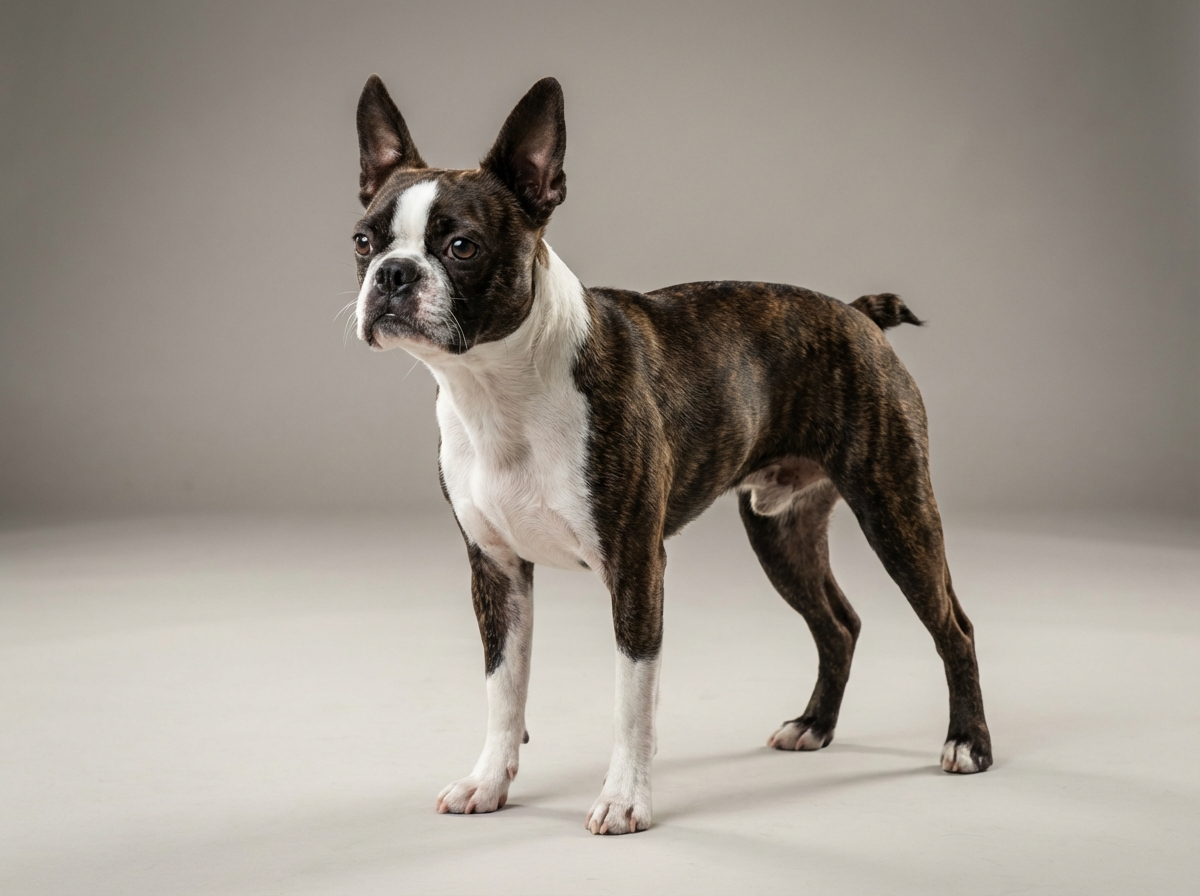
This guide is not medical advice. If your dog shows pain, sudden behavior change, or worsening symptoms, consult a licensed veterinarian.
Some links may be affiliate links. We may earn a commission at no extra cost to you. We only suggest products we believe are helpful for dog owners.
We research and check what we publish, but we do not warrant that any figure, date, price, or statement is accurate, complete, or current, and we accept no liability for any loss, cost, injury, or other harm arising from the use of this site. Use it as one reference among several. You remain responsible for your own decisions and for your dog's care - confirm anything that matters with a licensed veterinarian or another qualified professional before you act on it. Full disclaimer.
Not sure which breed is right for you? Take our 2-minute quiz to find out.
Take the quiz