Behavior
What are quick tips for managing Yorkshire Terrier von willebrand's disease (vwd1)?
Ensure regular vet check-ups, avoid rough activities, and keep a first aid kit handy for minor injuries.
Yorkshire Terrier von Willebrand's disease (vWD1) is a genetic bleeding disorder that can affect your pup's health and well-being.
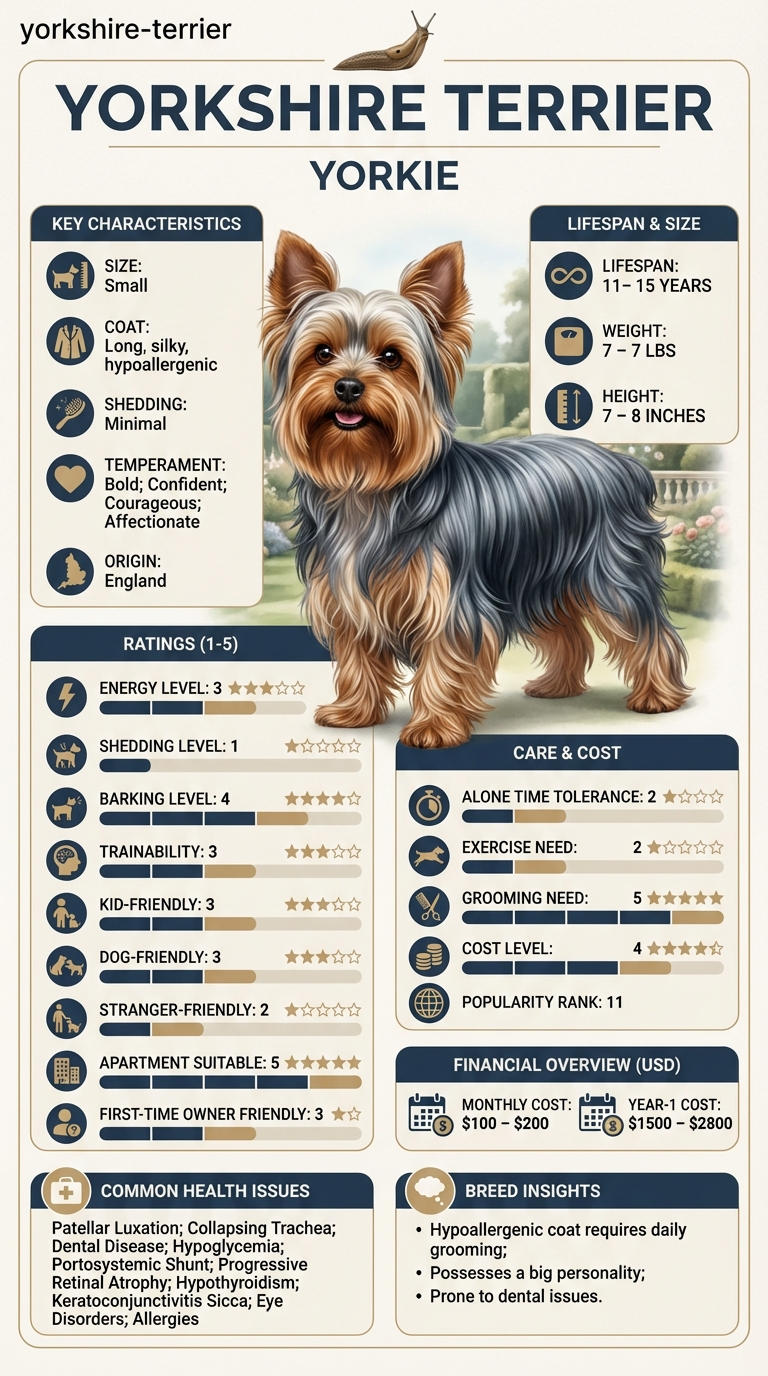
Many Yorkshire Terrier owners may struggle with vWD1, especially those who are first-time pet parents or have limited experience with dog health issues. Owners who prioritize their dog’s health will benefit greatly from understanding this condition.
This guide is not medical advice. If your dog shows pain, sudden behavior change, or worsening symptoms, consult a licensed veterinarian.
Some links may be affiliate links. We may earn a commission at no extra cost to you. We only suggest products we believe are helpful for dog owners.
Yorkshire Terrier von Willebrand's disease (vwd1) is a genetic bleeding disorder that affects the blood's ability to clot. This condition can lead to excessive bleeding from minor injuries, making everyday activities nerve-wracking for both the dog and owner. Common signs include prolonged bleeding after surgery, nosebleeds, and bleeding gums.
This disease is relatively common in Yorkshire Terriers, with estimates suggesting that about 10-20% of the breed may carry the gene for vwd1. Awareness and early detection can help manage the symptoms effectively.
Yorkshire Terriers are genetically predisposed to von Willebrand's disease (vWD1), a bleeding disorder. This condition stems from a lack of a specific protein that helps blood clot properly. As a result, Yorkies can experience excessive bleeding from minor injuries or surgical procedures.
Environmental factors can also play a role in managing vWD1. Stressful situations, such as rough play or high-energy activities, may exacerbate bleeding tendencies. Ensuring a calm and controlled environment can help minimize risks.
If your Yorkshire Terrier shows signs of anxiety or stress that you cannot manage at home, consider consulting a professional dog trainer. They can help you develop a behavior modification plan tailored to your dog's needs.
If your Yorkie experiences excessive bleeding or bruising, it's essential to talk to your vet. They may recommend blood tests to confirm vWD1 and discuss treatment options to manage the condition.
Managing von Willebrand's Disease in a Yorkshire Terrier typically takes several months. Expect to see improvements in your dog's condition and behavior within 3 to 6 months of consistent care and training.
Success means your Yorkie is stable, has fewer bleeding episodes, and shows improved quality of life. You'll also notice better training outcomes and a more confident, happy dog.
Understanding how to care for a Yorkshire Terrier with von Willebrand's disease (vWD1) is crucial. However, some common mistakes can inadvertently worsen the situation. Here are key mistakes to avoid.
Recognizing when Yorkshire Terrier von Willebrand's disease (vWD1) becomes an emergency is crucial. If your Yorkie shows signs of severe bleeding, such as blood in their urine or stool, or if they have prolonged bleeding from minor cuts, call your vet immediately. These symptoms can indicate a serious complication that requires urgent intervention.

In less severe cases, you can monitor your Yorkshire Terrier’s health at home. If your dog has mild bleeding that stops quickly and does not seem overly distressed, keep a close eye on them. Make note of any changes in behavior or bleeding patterns and consult your vet if these issues persist or worsen.
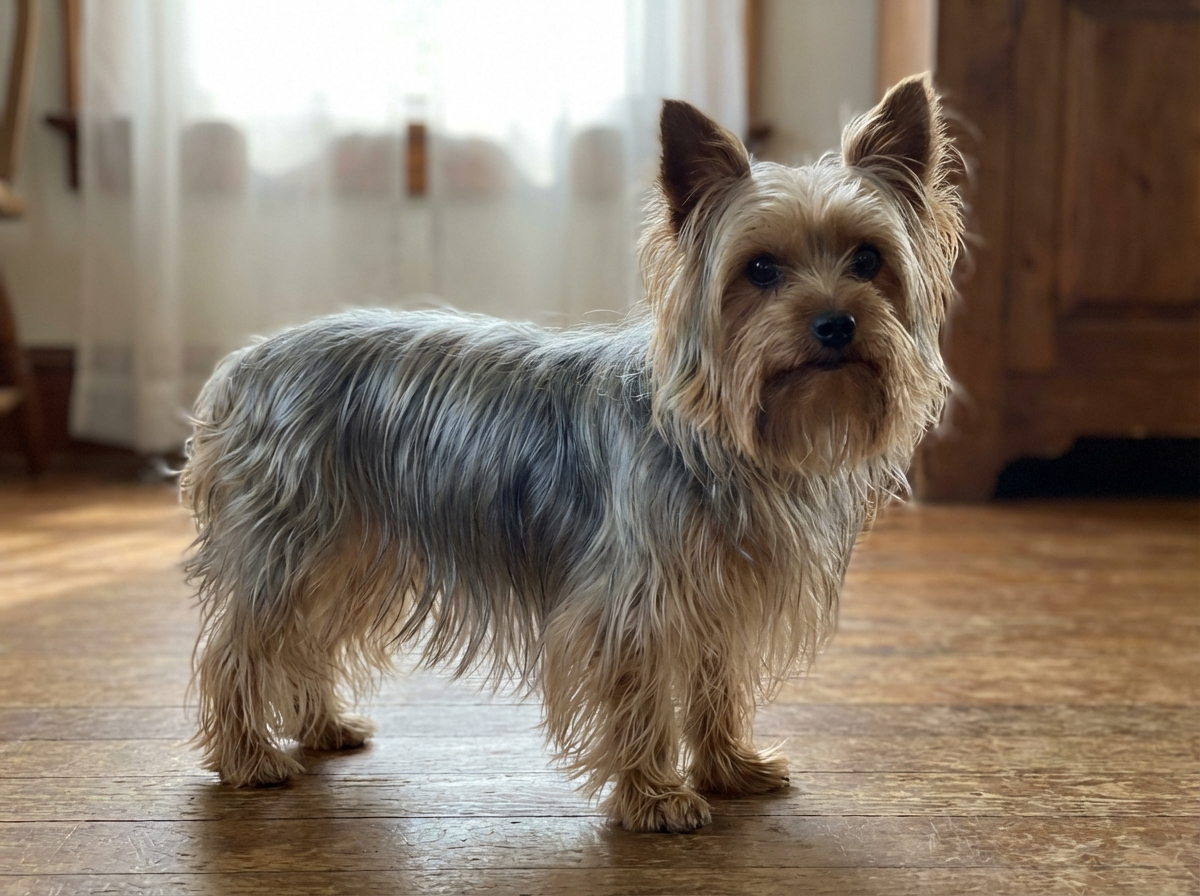
Jessica, a busy nurse in Seattle, adopted Bella, a playful Yorkshire Terrier. Shortly after bringing her home, Bella started having unusual bleeding episodes. After consulting a vet, Jessica learned Bella had von Willebrand's Disease. With the vet's guidance, Jessica adjusted Bella's diet, began regular vet check-ups, and learned specific training techniques to keep Bella calm and stress-free. Over time, Bella's condition improved, and Jessica felt more confident managing her health needs.
Key takeaway: With the right support and training, even dogs with von Willebrand's Disease can lead happy and fulfilling lives.
Yorkshire Terrier von willebrand's disease (vwd1) is a genetic bleeding disorder. It affects the dog's ability to clot blood properly, which can lead to excessive bleeding from injuries, during surgery, or even spontaneously.
Symptoms of vwd1 can include prolonged bleeding after cuts, nosebleeds, excessive bleeding during or after surgery, and blood in the urine or stool. If you notice any of these signs, consult your vet immediately.
Diagnosis of vwd1 typically involves blood tests that measure clotting factors. A veterinarian may also look into the dog's medical history and family background to identify any genetic predispositions.
Treatment options for vwd1 include avoiding situations that may cause bleeding and managing any bleeding episodes with medications. In severe cases, a vet may recommend plasma transfusions or desmopressin therapy.
To help your Yorkshire Terrier, ensure they avoid rough play and activities where they could get hurt. Regular vet check-ups and following treatment recommendations are essential for managing this condition.
Yorkshire Terrier von willebrand's disease (vwd1) is inherited from their parents. It's important to work with responsible breeders who screen for this condition to reduce the risk in future litters.
Yes, with proper management and care, many Yorkshire Terriers with vwd1 can lead normal, happy lives. Regular veterinary care and avoiding high-risk activities are key to their well-being.
Yes, older Yorkshire Terriers can develop von Willebrand's disease (vWD1) as they age. While it is a genetic condition, symptoms may become more noticeable later in life, making regular vet check-ups vital.
The first signs of von Willebrand's disease (vWD1) in Yorkshire Terriers may include excessive bleeding from minor cuts, prolonged bleeding after surgery, or spontaneous nosebleeds. If you notice any unusual bleeding, consult your veterinarian.
Managing a Yorkshire Terrier with von Willebrand's disease (vWD1) involves avoiding situations that could lead to injury. Regular check-ups with your vet and following their recommendations for care and monitoring are essential.
While there is no cure for von Willebrand's disease (vWD1), treatment options can help manage the condition. Your vet may suggest blood transfusions or medications to help with bleeding episodes, depending on the severity.
No, you should not breed a Yorkshire Terrier diagnosed with von Willebrand's disease (vWD1). This condition is hereditary, so breeding could pass it on to future generations, perpetuating the health issue.
Ensure regular vet check-ups, avoid rough activities, and keep a first aid kit handy for minor injuries.
For Yorkshire Terriers with vwd1, regular vet visits every 6 to 12 months are recommended to monitor their condition.
While no specific diet is required, avoid foods that can lead to obesity, as extra weight can complicate health issues.
Positive reinforcement training can help teach your Yorkshire Terrier to be gentle during play and interactions.