Behavior
What are quick tips for Yorkshire Terrier gastric dilatation-volvulus (gdv/bloat)?
Feed smaller meals throughout the day and use slow feeders to prevent rapid eating. Avoid exercise right after meals to help reduce risks.
Yorkshire Terrier gastric dilatation-volvulus (GDV/bloat) is a serious, potentially life-threatening condition that can affect your dog unexpectedly.
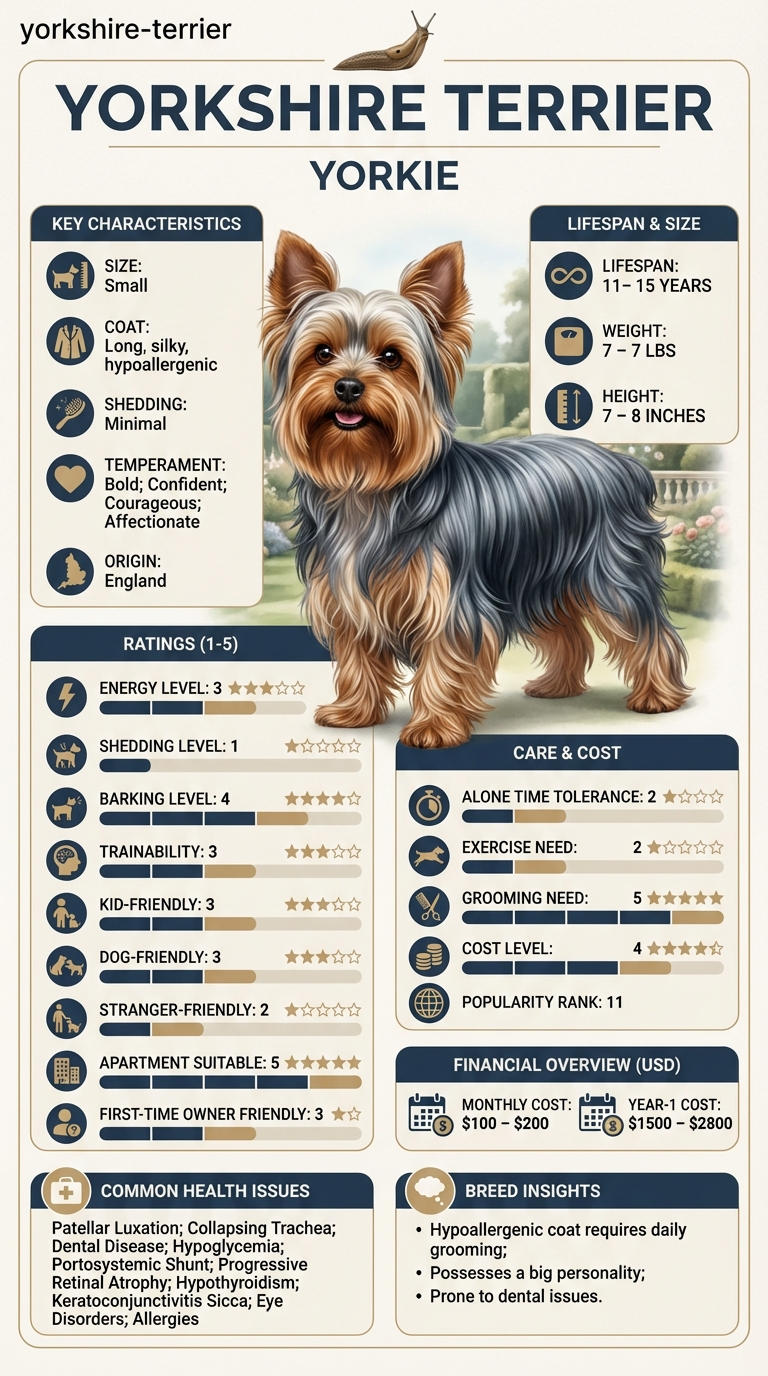
Typically, owners of Yorkshire Terriers, especially first-time dog owners, may struggle with recognizing the signs of GDV. Busy families or individuals who aren’t familiar with canine health issues might find this condition particularly alarming.
This guide is not medical advice. If your dog shows pain, sudden behavior change, or worsening symptoms, consult a licensed veterinarian.
Some links may be affiliate links. We may earn a commission at no extra cost to you. We only suggest products we believe are helpful for dog owners.
Yorkshire Terrier gastric dilatation-volvulus (gdv/bloat) is a serious condition where the stomach fills with gas and twists. This can lead to severe pain and is potentially life-threatening. Owners may notice symptoms like a swollen abdomen, restlessness, or attempts to vomit without success.
While gastric dilatation-volvulus (gdv/bloat) is more common in larger breeds, Yorkshire Terriers can also be affected, especially if they have a history of rapid eating or anxiety. It's not extremely common, but vigilance is essential for early detection.
Yorkshire Terriers are small dogs with deep chests, making them more prone to gastric dilatation-volvulus (GDV). Their high energy levels can lead to rapid eating, which increases the risk of bloat. Additionally, their small size can exacerbate the impact of any gastrointestinal issues.
Stressful environments, such as loud noises or changes in routine, can trigger anxiety in Yorkies. Eating too quickly, especially when excited or anxious, can also contribute to GDV. Lastly, certain dietary habits, like consuming large meals or dry food without adequate water, can increase the likelihood of bloat.
If your Yorkie shows signs of anxiety or stress around food, a trainer can help with behavior modification techniques. Look for a trainer experienced with small breeds and anxiety issues. They can guide you on creating a more relaxed feeding routine.
If you notice symptoms of GDV, such as a distended abdomen, excessive drooling, or signs of pain, contact your vet immediately. Regular check-ups can help monitor your Yorkie's overall health, especially if they have a history of gastrointestinal issues. Always discuss any changes in eating behavior or diet with your veterinarian.
If you start implementing changes right away, you may see improvement in your Yorkshire Terrier's behavior within a few weeks. However, it can take several months to fully establish new habits and training.
Success means your Yorkie is less anxious and has a better appetite. They should show reduced signs of distress and have fewer episodes of bloat, allowing for a happier, healthier life.
Avoiding certain behaviors can help manage Yorkshire Terrier gastric dilatation-volvulus (gdv/bloat) more effectively. Here are common mistakes that owners make and healthier alternatives.
Recognizing when your Yorkshire Terrier is experiencing gastric dilatation-volvulus (GDV/bloat) can be life-saving. This condition can escalate quickly, so knowing the signs to watch for is crucial. If you notice any of the following red-flag symptoms, call your vet immediately: sudden swelling of the abdomen, unproductive attempts to vomit, excessive drooling, rapid breathing, or signs of distress like pacing or whining.
Mild cases may present with less severe symptoms such as a slight bloated appearance or discomfort after eating. If your Yorkie shows these signs but is still active, eating, and drinking normally, keep a close eye on them. Monitor their behavior and consider making adjustments to their feeding routine, like smaller meals more frequently to avoid overeating.
Always err on the side of caution. If your dog’s condition worsens or if you have any doubts about their health, contact your veterinarian for advice. It’s better to be safe than sorry, especially with a condition as serious as GDV/bloat.

Emily, a busy nurse, adopted a Yorkshire Terrier named Daisy. Daisy often bloated after eating, causing Emily significant worry. After researching how to stop Yorkshire Terrier gastric dilatation-volvulus, Emily decided to change Daisy's feeding routine and introduce training sessions focused on calming techniques. Slowly, Daisy began to eat more calmly, reducing her anxiety around meal times.
Key takeaway: With patience and the right approach to training and feeding, even anxious Yorkshire Terriers can be helped to overcome challenges like gastric dilatation-volvulus.
Yorkshire Terrier gastric dilatation-volvulus (gdv/bloat) is a serious condition where the stomach fills with gas and twists. This can cut off blood supply and lead to shock if not treated quickly. It's critical to recognize the signs early to ensure prompt veterinary care.
The exact cause of gdv/bloat isn't fully understood, but factors like eating too quickly, stress, or genetic predisposition can contribute. Yorkshire Terriers are particularly at risk due to their small size and unique anatomy. Keeping an eye on feeding habits can help reduce the risk.
To prevent gdv/bloat, feed your Yorkshire Terrier smaller meals throughout the day instead of one large meal. Use slow feeders to encourage slower eating and avoid vigorous exercise right after meals. Regular vet check-ups can also help monitor your dog’s health.
Symptoms include a swollen abdomen, unproductive vomiting, restlessness, and signs of pain. If your Yorkie shows these symptoms, seek veterinary help immediately. Early intervention is crucial for a better outcome.
While training can't directly prevent gdv/bloat, it can help establish a routine around feeding and exercise. Teaching commands can also keep your Yorkie calm during mealtime, reducing stress. Training is an essential part of a Yorkie's overall well-being.
If you suspect your Yorkshire Terrier has gdv/bloat, take them to the vet immediately. Time is critical as this condition can be life-threatening. Don't wait to see if symptoms improve.
Early signs of GDV in Yorkshire Terriers include restlessness, swollen abdomen, drooling, and attempts to vomit without success. If you notice these symptoms, it's crucial to seek veterinary help immediately, as this condition can progress rapidly.
Yes, older Yorkshire Terriers can develop GDV. Their digestive systems may become more sensitive with age, increasing the risk of bloat. Regular check-ups with a vet are essential to monitor their health.
If your Yorkshire Terrier shows signs of GDV, take them to the vet immediately. Do not try to treat it at home, as this is a medical emergency that requires professional intervention.
While GDV is more commonly seen in larger breeds, Yorkshire Terriers can still be affected. It's important for owners to be aware of the signs and take preventive measures, such as feeding smaller meals more frequently.
Preventing GDV in your Yorkshire Terrier involves several strategies. Avoid feeding large meals, especially before vigorous exercise, and consider feeding a high-quality diet designed for small breeds. Regular vet check-ups can also help spot potential issues early.
Feed smaller meals throughout the day and use slow feeders to prevent rapid eating. Avoid exercise right after meals to help reduce risks.
Look for a history of rapid eating, stress during meals, and any signs of anxiety. Regular vet check-ups can help identify underlying issues.
While not the most common issue, Yorkshire Terriers are at risk due to their size and anatomy. Awareness and preventive measures are essential.