Behavior
What are quick tips for Yorkshire Terrier brachycephalic obstructive airway syndrome (boas)?
Keep your Yorkie cool and avoid strenuous activities, especially in hot weather. Regular vet check-ups are essential for monitoring their health.
Yorkshire Terriers can face serious breathing issues known as brachycephalic obstructive airway syndrome (BOAS). This condition makes it hard for them to breathe well. (Yorkshire Terrier brachycephalic obstructive airway syndrome (boas))
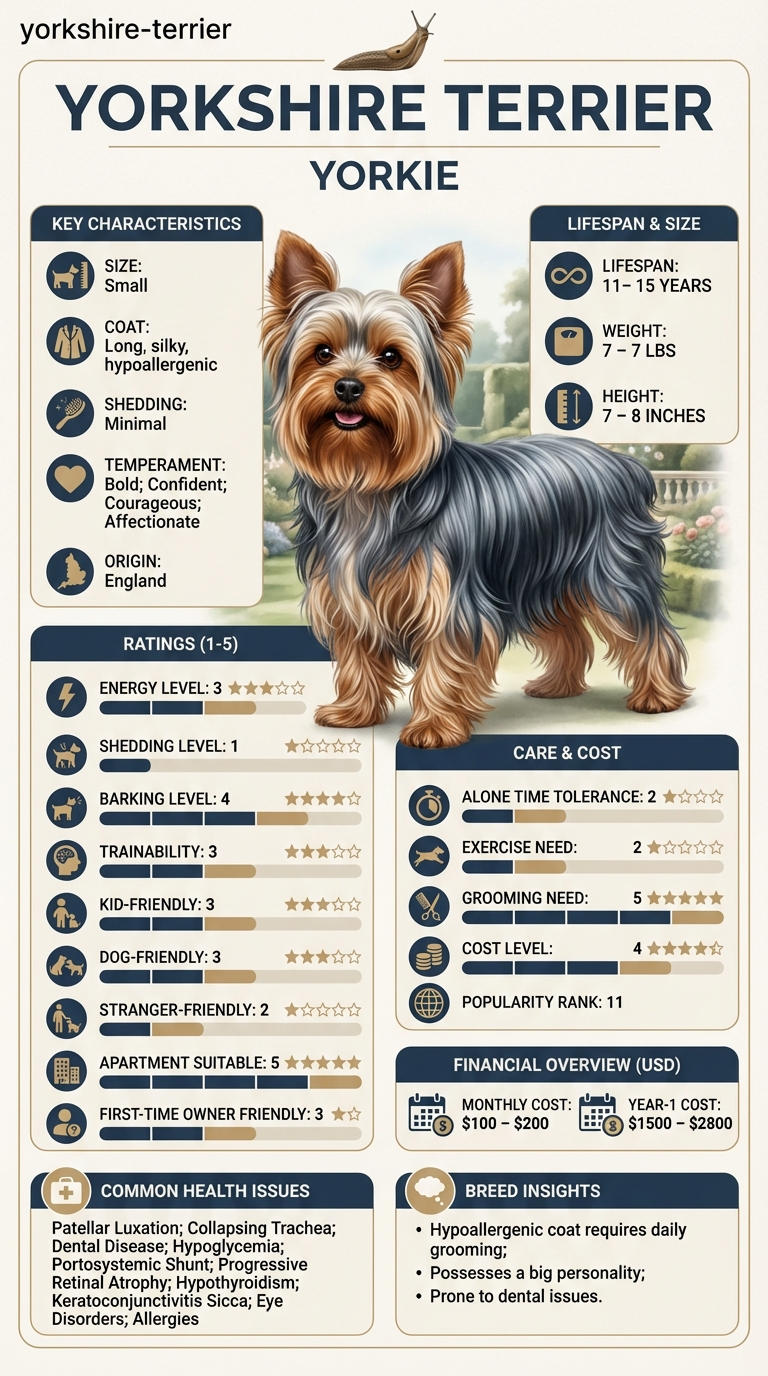
Many Yorkshire Terrier owners notice their pets struggling to breathe, especially during exercise or in hot weather. First-time dog owners and busy families may find it challenging to manage these symptoms effectively.
This guide is not medical advice. If your dog shows pain, sudden behavior change, or worsening symptoms, consult a licensed veterinarian.
Some links may be affiliate links. We may earn a commission at no extra cost to you. We only suggest products we believe are helpful for dog owners.
Yorkshire Terriers are prone to Brachycephalic Obstructive Airway Syndrome (BOAS) due to their short snouts. This condition can cause breathing difficulties, loud snoring, and heat sensitivity, making daily life challenging for both the dog and owner. Owners often notice their Yorkies struggling to breathe, especially during exercise or in hot weather.
BOAS is quite common among Yorkshire Terriers due to their brachycephalic (short-nosed) structure. Many Yorkies experience varying degrees of this syndrome, with some needing medical intervention.
Yorkshire Terriers, like other brachycephalic breeds, have a unique skull shape that can lead to narrow airways. This anatomical feature often causes breathing difficulties, especially during exercise or in hot weather. Their small size means any airway obstruction can have a significant effect on their health.
Environmental factors, such as high temperatures and humidity, can exacerbate breathing issues in Yorkies. Stressful situations, like loud noises or unfamiliar environments, may also trigger anxiety and worsen respiratory problems. Additionally, obesity can further constrict their airways, making it harder for them to breathe.
If your Yorkie shows signs of anxiety or excessive barking due to their breathing issues, consider consulting a professional trainer. Trainers can help with behavior modification techniques that reduce stress and anxiety related to their condition.
Speak to your vet if your Yorkie experiences severe breathing difficulties, persistent coughing, or if they seem lethargic. Regular check-ups can help monitor their airway health, and your vet may recommend treatments or surgeries to improve their breathing.
Improvement can typically be seen within a few weeks of consistent training and management.
Success means your Yorkie can breathe more comfortably during everyday activities and shows fewer signs of distress, especially in warmer weather.
Here are some common mistakes that can exacerbate Yorkshire Terrier brachycephalic obstructive airway syndrome (BOAS) and safer alternatives to help your pup breathe easier.
Understanding when Yorkshire Terrier brachycephalic obstructive airway syndrome (BOAS) is an emergency can save your pup's life. Immediate veterinary attention is needed if you notice severe symptoms like labored breathing, excessive panting, or if your dog is struggling to catch their breath. These signs indicate a serious blockage that can worsen quickly.
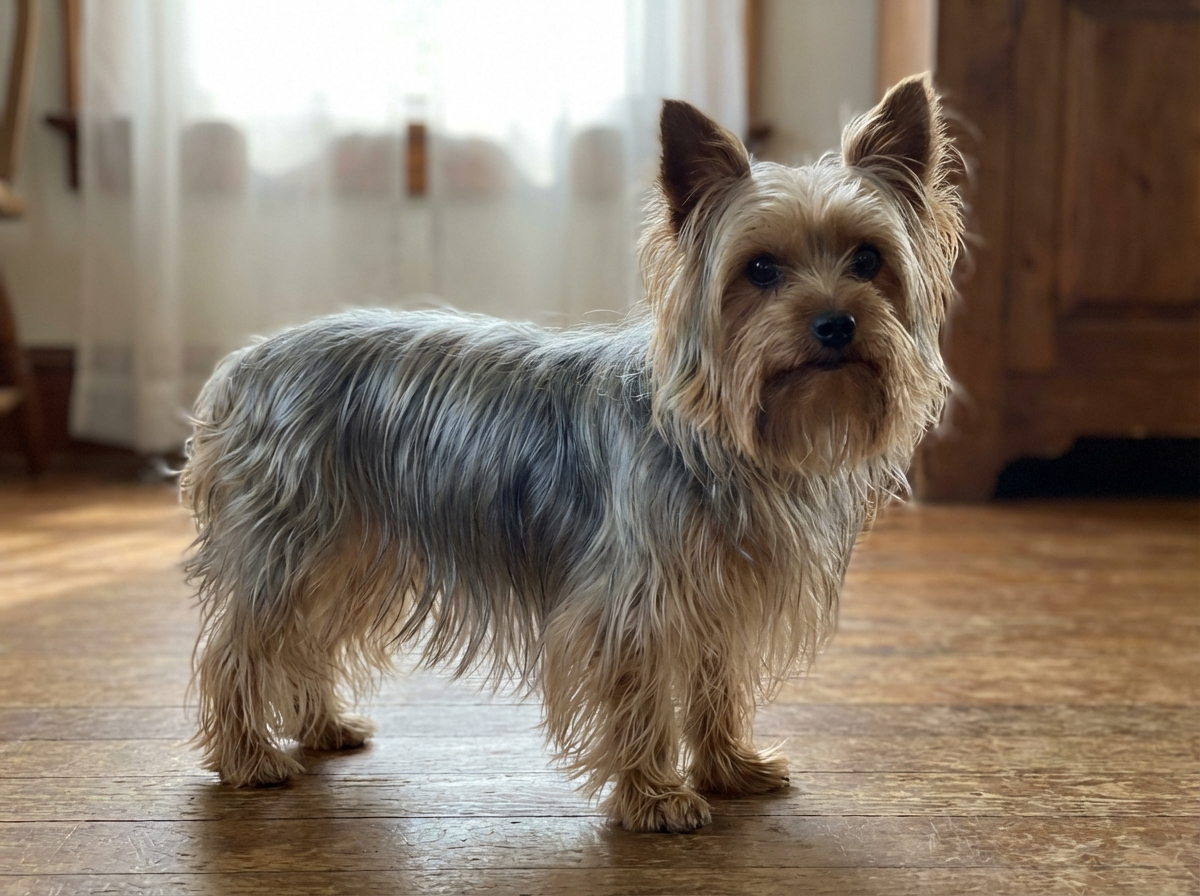
If your Yorkie shows mild symptoms, such as occasional snoring or slight difficulty breathing during play, these can often be managed at home. Keep an eye on your dog and create a plan for regular check-ups. Monitoring their behavior can help you catch any changes early before they escalate into a crisis.
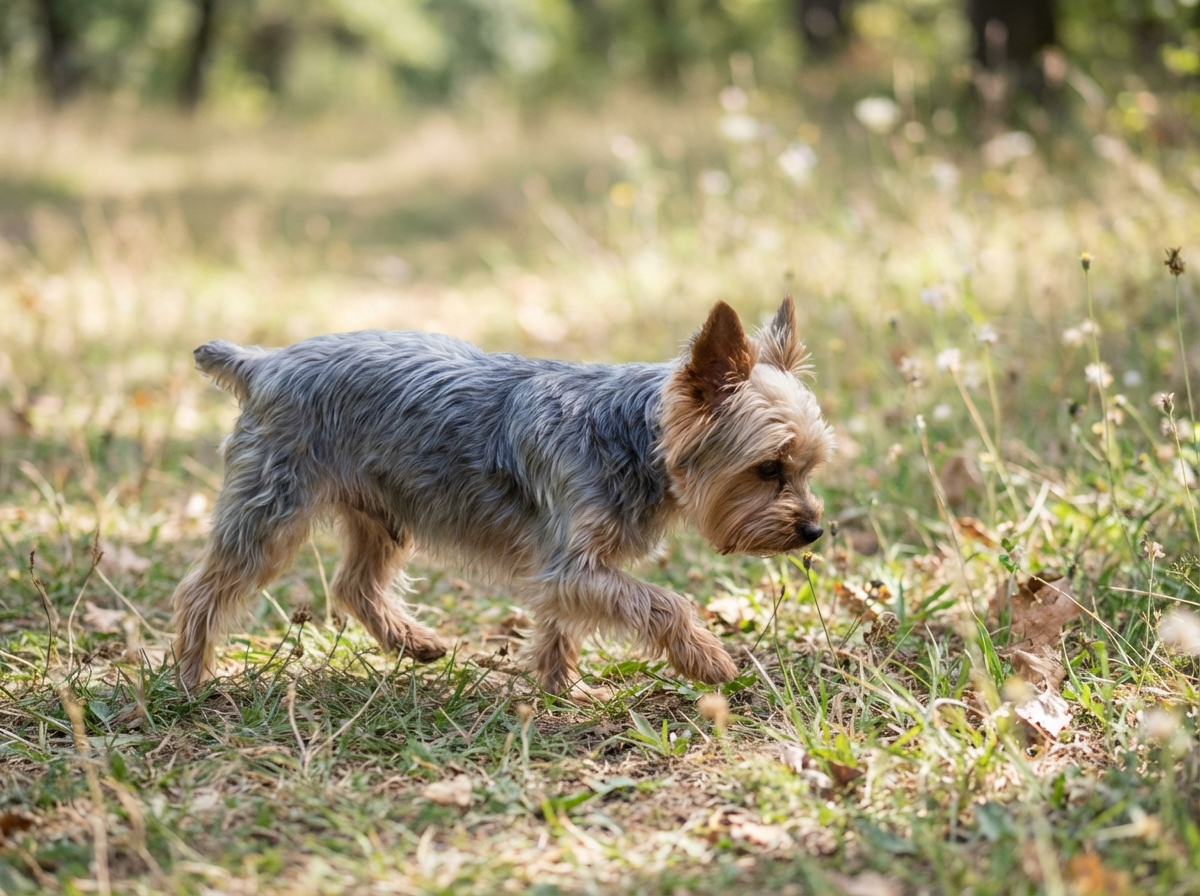
Sarah, a first-time dog owner in Los Angeles, noticed her Yorkshire Terrier, Maggie, was often snoring loudly and seemed to struggle while playing. Concerned, she learned about Yorkshire Terrier brachycephalic obstructive airway syndrome (BOAS). After consulting with her vet, Sarah started training Maggie to take shorter, more frequent walks instead of long ones. She also created a cool, shaded area for Maggie to rest in during hot days. Over time, Maggie's breathing improved, and she became more active and happy.
Key takeaway: With the right adjustments and care, managing BOAS in Yorkshire Terriers is possible, leading to a happier and healthier pet.
Yorkshire Terriers often have brachycephalic obstructive airway syndrome (boas) due to their short snouts and flat faces. This can lead to breathing difficulties, snoring, and increased heat sensitivity. It's a common trait in many small breeds, making it important to monitor their health closely.
To help your Yorkie with BOAS, ensure they maintain a healthy weight, as excess weight can worsen breathing issues. Try to avoid strenuous exercise in hot weather, and consult your vet for potential surgical options if symptoms are severe. Regular check-ups can help track their condition.
Signs of BOAS in Yorkshire Terriers include labored breathing, excessive snoring, and difficulty exercising. You might also notice your dog getting tired more quickly than usual. If you observe these symptoms, it's best to consult a vet.
While training can help with behavior modifications, it won't directly fix BOAS. However, teaching your Yorkie to take breaks during playtime can help them manage their breathing. Positive reinforcement can also encourage calm behavior in stressful situations.
Avoid exposing your Yorkshire Terrier to extreme temperatures or stressful situations. High humidity and intense physical activity can exacerbate their breathing issues. Always ensure they have a cool, comfortable place to rest.
Common signs include noisy breathing, excessive snoring, and difficulty breathing, especially during exercise or in hot weather. If your Yorkie shows these symptoms, it’s essential to consult a vet for an evaluation.
Yes, older Yorkshire Terriers can develop BOAS as they age, especially if they have underlying health issues. Regular vet check-ups are crucial to monitor their respiratory health as they get older.
Keeping your Yorkie at a healthy weight, avoiding extreme temperatures, and minimizing strenuous exercise can help manage BOAS. Training your dog to stay calm in stressful situations can also ease breathing difficulties.
If your Yorkshire Terrier is experiencing severe breathing difficulties, excessive panting, or lethargy, you should see a vet immediately. Early intervention can prevent serious complications associated with BOAS.
Training should focus on calm behaviors and avoiding stress triggers. Positive reinforcement can be effective, and keeping training sessions short can help prevent overexertion, which can exacerbate breathing problems.
Keep your Yorkie cool and avoid strenuous activities, especially in hot weather. Regular vet check-ups are essential for monitoring their health.
Watch for signs like excessive snoring, wheezing, or trouble breathing during play. If you notice these signs, consult your vet promptly.
Managing BOAS can range from $100 to $200 monthly, depending on veterinary visits and treatments needed.
Yes, keep your home environment calm and cool, and avoid smoking around your dog. These measures can help ease their breathing.
Surgery may be considered for severe cases of BOAS, but it's crucial to discuss this with your vet to weigh the risks and benefits.